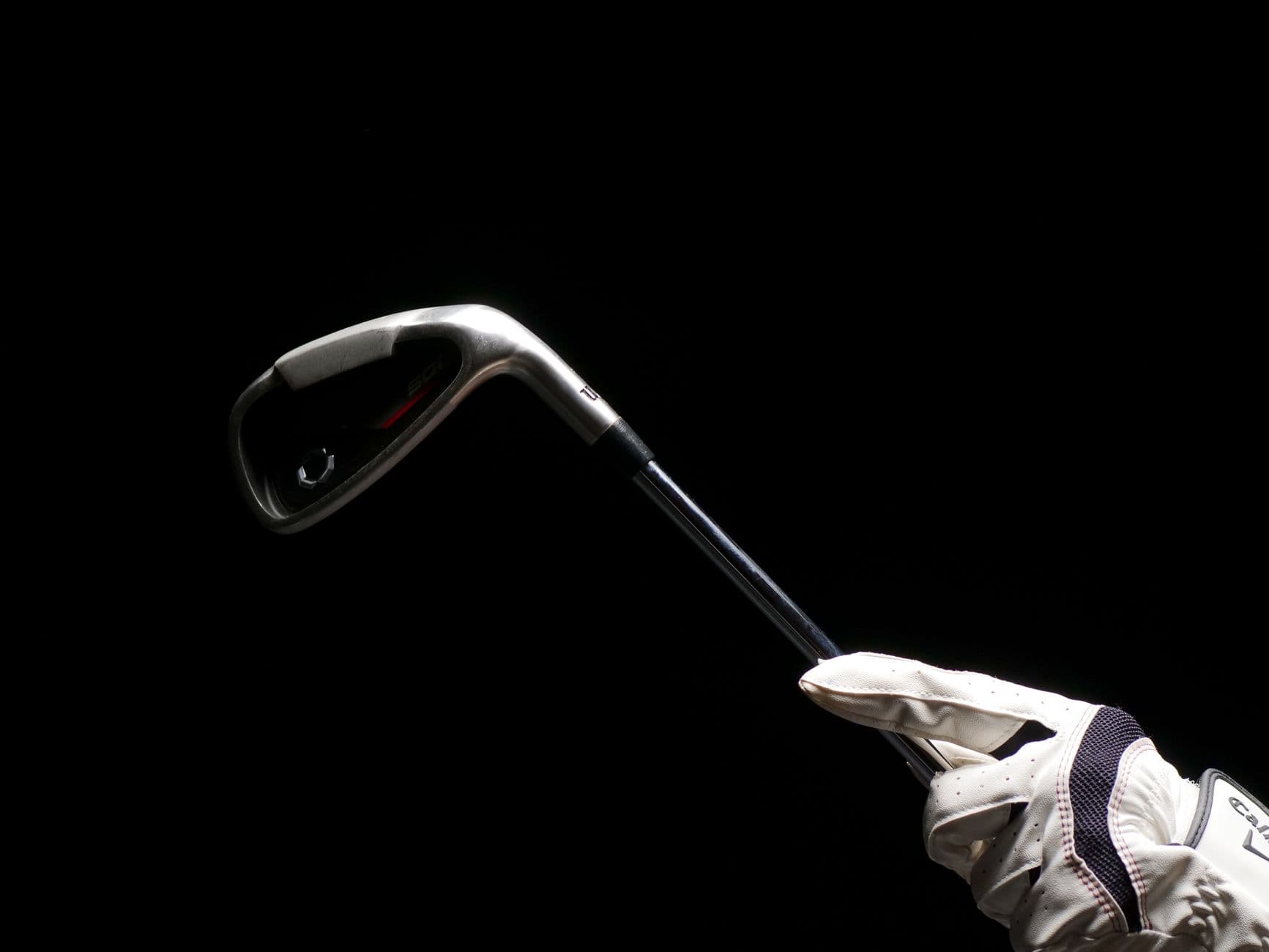
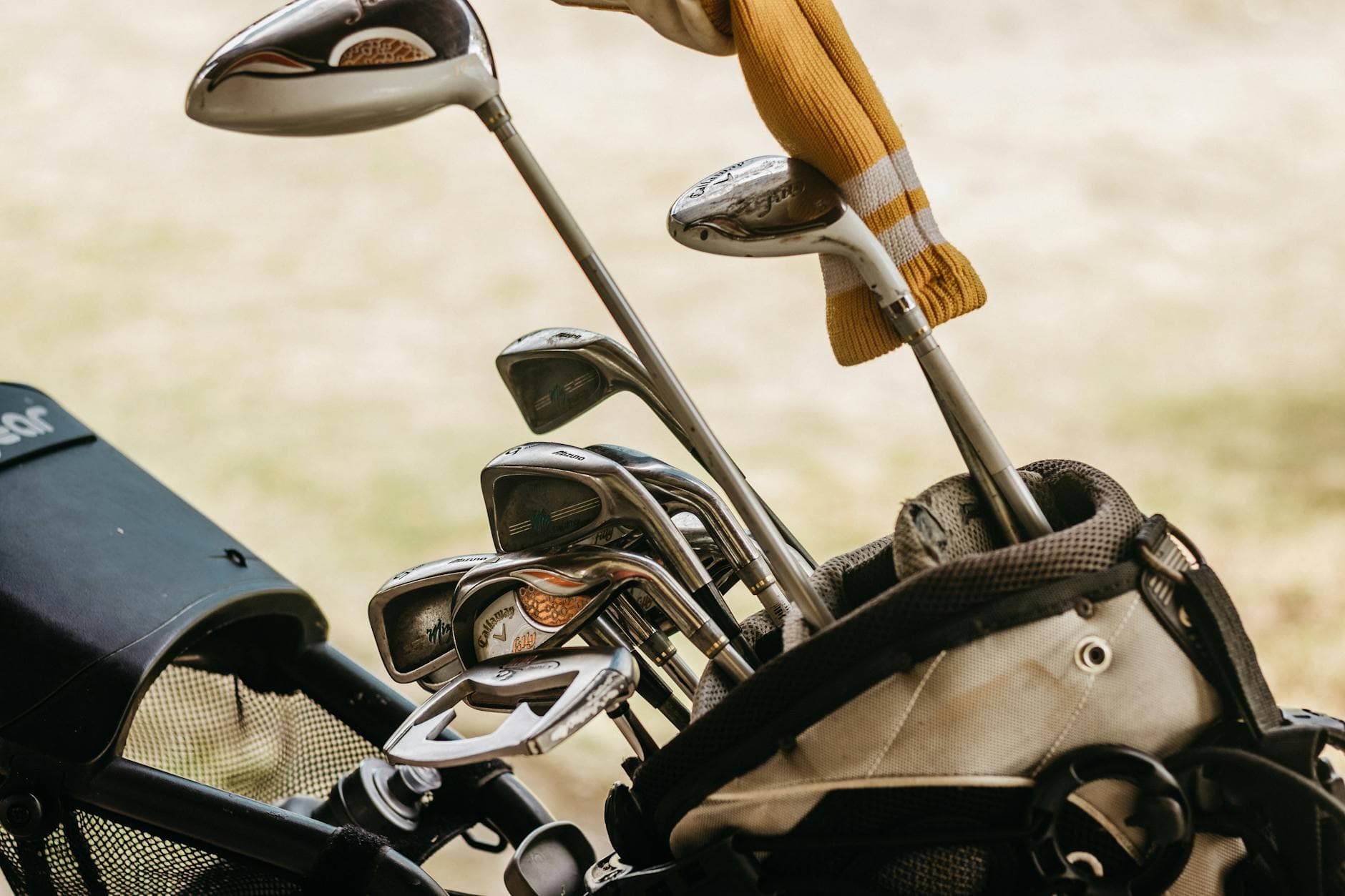
Ask most serious golfers what drives distance and they'll point to swing speed, launch angle, or ball compression. Rarely does the shaft enter the conversation first — and that's a mistake. The shaft is the engine of energy transfer, and its engineering characteristics dictate how efficiently your clubhead meets the ball at impact. Understanding that relationship is the difference between fitting a club and truly optimizing a swing.
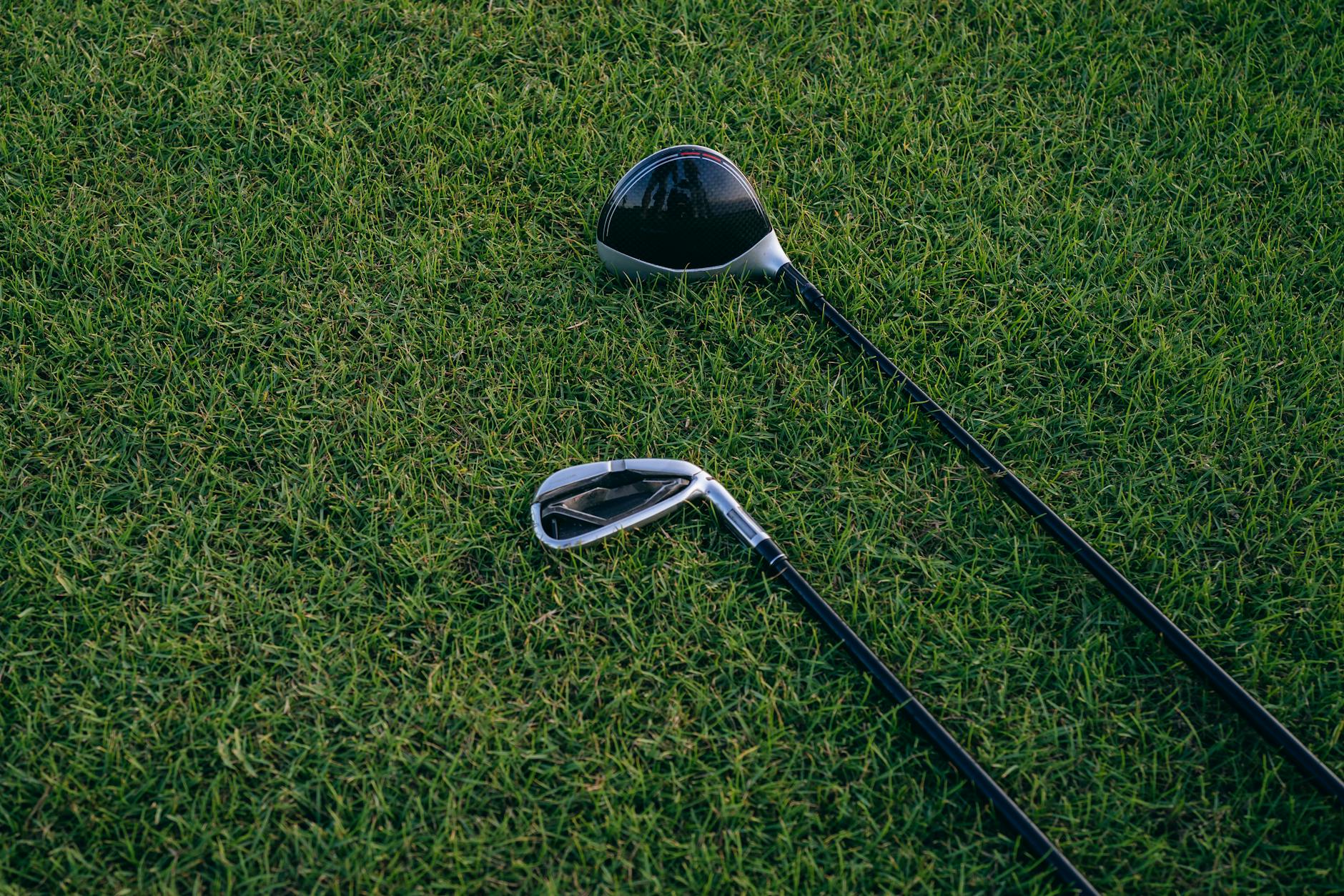
Modern shaft technology has advanced dramatically over the past decade. Multi-material constructions, variable wall thickness, and low-torque carbon fiber layups have given club fitters an unprecedented toolkit. But with that complexity comes confusion. Terms like 'tip stiffness,' 'bend profile,' and 'torque rating' are thrown around in fitting bays without always being explained in terms of real-world ball flight outcomes.
This piece cuts through the noise. Whether you're reconsidering your driver shaft or evaluating iron options, here's a data-informed breakdown of how shaft technology actually affects trajectory, spin, and carry distance.
Flex Profile: It's Not Just About Stiffness
When golfers think about shaft flex, they typically think in broad categories — Regular, Stiff, X-Stiff. But the more meaningful variable is where in the shaft that flex is concentrated: the butt, mid-section, or tip. A high-launch profile loads primarily in the mid-to-tip section, promoting additional loft at impact and higher spin rates. A low-launch profile concentrates stiffness toward the tip, reducing dynamic loft and spinning the ball less — ideal for faster swingers seeking a penetrating trajectory.
Two shafts rated identically at 'Stiff' can produce measurably different launch windows depending on their bend profile. This is why fitting by flex label alone is a blunt instrument. A player with a 105 mph driver swing speed can benefit from a tip-stiff shaft that keeps the face square through impact, while another player at the same speed with a shallower attack angle might actually gain distance with a softer-tipping option that promotes more dynamic loft.
Torque: The Rotation Variable Most Golfers Ignore
Torque measures how much a shaft resists twisting along its longitudinal axis during the downswing. It's expressed in degrees — lower numbers mean more resistance to twisting. Premium graphite shafts for drivers typically range from about 2.5 to 5.5 degrees of torque, and the difference across that range has a direct bearing on dispersion and feel.
Higher torque shafts tend to feel softer and more responsive, which can benefit players who rely on feel-based timing. However, for high-speed swingers with aggressive transitions, a high-torque shaft can exaggerate the face opening or closing through the hitting zone — widening dispersion and costing distance through offline contact. Lower torque shafts stabilize the face better at speed, producing tighter shot patterns and more consistent smash factors.
- Low torque (2.5–3.5°): Preferred by fast-transition players and high clubhead speeds; tighter dispersion
- Mid torque (3.5–4.5°): Versatile range for most mid-to-high handicap players seeking a balance of feel and control
- High torque (4.5°+): Benefits slower swing speeds and players who need additional feedback through the shaft
- Tip stiffness overrides flex label: Two 'Stiff' shafts can produce opposite launch windows depending on tip profile
- Kick point interacts with attack angle: Descending vs. sweeping swings respond differently to the same shaft
Weight Distribution and Its Effect on Tempo
Shaft weight affects swing tempo and sequencing more than most golfers realize. Heavier shafts — typically in the 70g to 130g range for steel irons — promote a more deliberate, controlled transition. Lighter shafts in the 40g to 60g range for graphite drivers allow faster swing speeds but can destabilize players with quick, over-the-top transitions.
The counterpoint worth making: ultra-light shafts aren't just for seniors or slower swing speeds. Several tour players use lighter shafts specifically to increase lag and feel, compensating with their natural strength and timing. The key is matching shaft weight to your individual sequencing pattern — a conversation better had on a launch monitor than a static fitting board.
Links Golf and the Low-Torque Advantage
Wind conditions place unique demands on shaft performance. At links courses — think Carnoustie, Royal Portrush, or the coastal American layouts — players who rely on high-launch, high-spin ball flights are constantly fighting crosswinds. A shaft with a firmer tip section and low torque rating allows the player to de-loft the face at impact more reliably, producing the flat, boring trajectory that links golf demands.
Pairing the right shaft with the right ball is equally important in these conditions. Attomax's Hard compression ball, built on high-density amorphous metal technology, is engineered to reduce excess spin off the driver face — complementing a low-torque shaft perfectly when the wind is a factor. The combination targets golfers who want penetrating flight without having to manufacture it artificially through compensations at address.
The shaft is not the engine — it's the transmission. It doesn't generate power, it determines how efficiently that power reaches the clubface.
— Common wisdom among elite club fitters
Iron Shafts: Steel vs. Graphite at the Elite Level
The steel-versus-graphite debate in irons has traditionally been settled by swing speed, but that binary thinking has been disrupted by advances in graphite iron shafts. Modern high-modulus graphite options now offer the consistency and low torque figures that were once exclusive to steel, while reducing vibration transmission — a significant factor for players with joint concerns or those who prioritize feedback differentiation.
Tour-level graphite iron shafts have narrowed the dispersion gap with premium steel options considerably. The trade-off remains feel: steel shafts still provide a crisper, more immediate feedback signal at impact, which is why a majority of elite-level players continue to favor them in their scoring irons. For mid-irons and longer irons where launch optimization matters more than feel precision, graphite increasingly makes a compelling case.
What to Prioritize in Your Next Fitting
When you walk into a fitting session, move beyond the flex conversation and ask specifically about bend profile, torque rating, and how the shaft interacts with your attack angle. Bring your launch monitor data if you have it — attack angle and spin loft are the most relevant inputs for shaft selection, and any competent fitter should be building the fitting around those numbers rather than swing speed alone.
- Request bend profile data alongside flex rating — high, mid, or low launch designation
- Ask for torque rating and how it interacts with your transition speed
- Verify shaft weight against your swing tempo, not just swing speed
- Test on a launch monitor with real balls, not foam range balls
- Evaluate smash factor consistency across a ten-shot sample, not just peak numbers
Shaft technology is no longer a secondary consideration in the fitting conversation — it is the conversation. As materials science continues to push the boundaries of what's possible with carbon fiber and multi-material constructions, golfers who invest time in understanding the underlying engineering will find genuine, measurable distance and accuracy gains that no swing change can replicate as quickly. The shaft remains the most underrated performance variable in the bag.
Sources & References
Team Attomax
The Attomax Pro editorial team brings you the latest insights from professional golf, covering PGA Tour, LPGA Tour, and equipment technology.