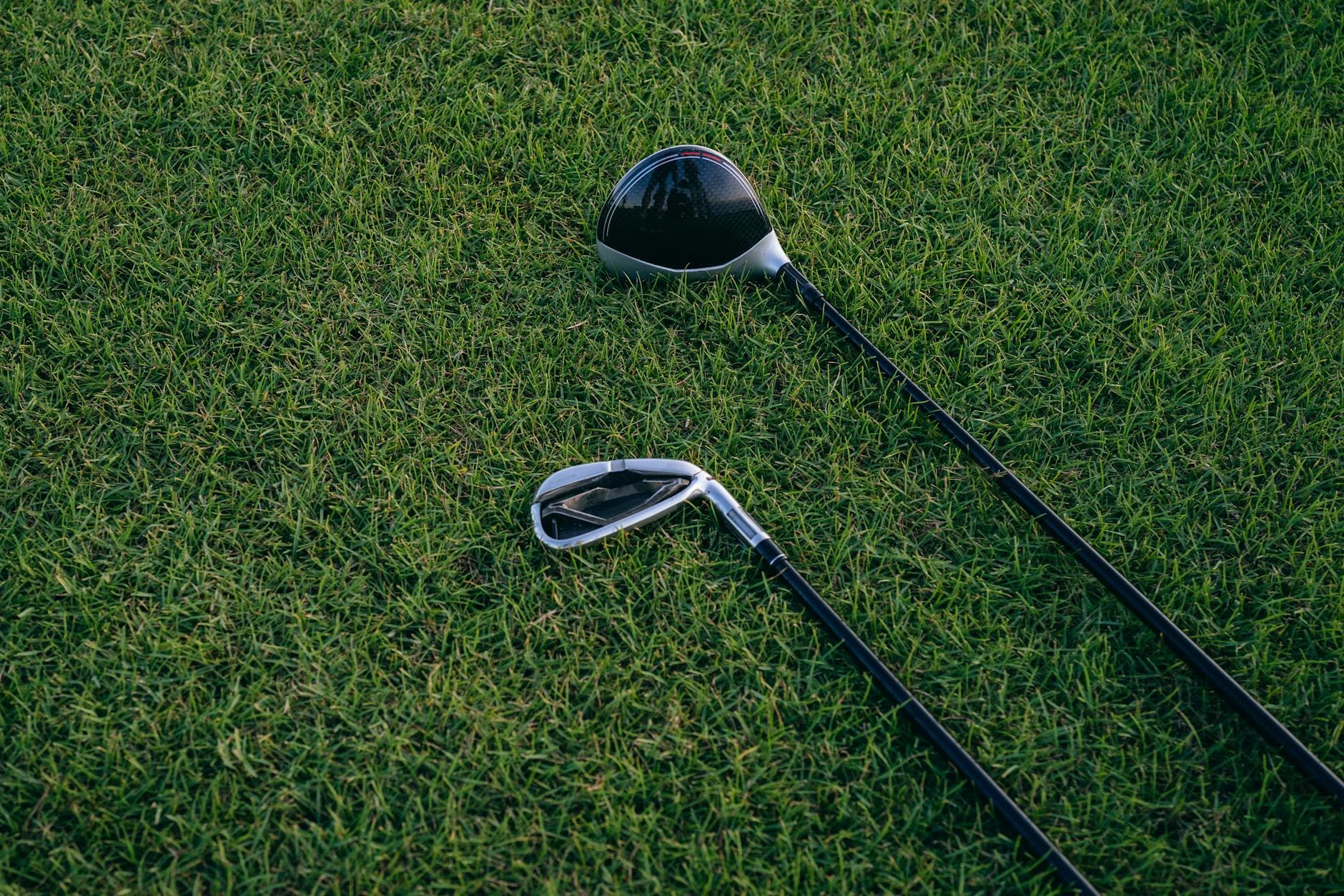
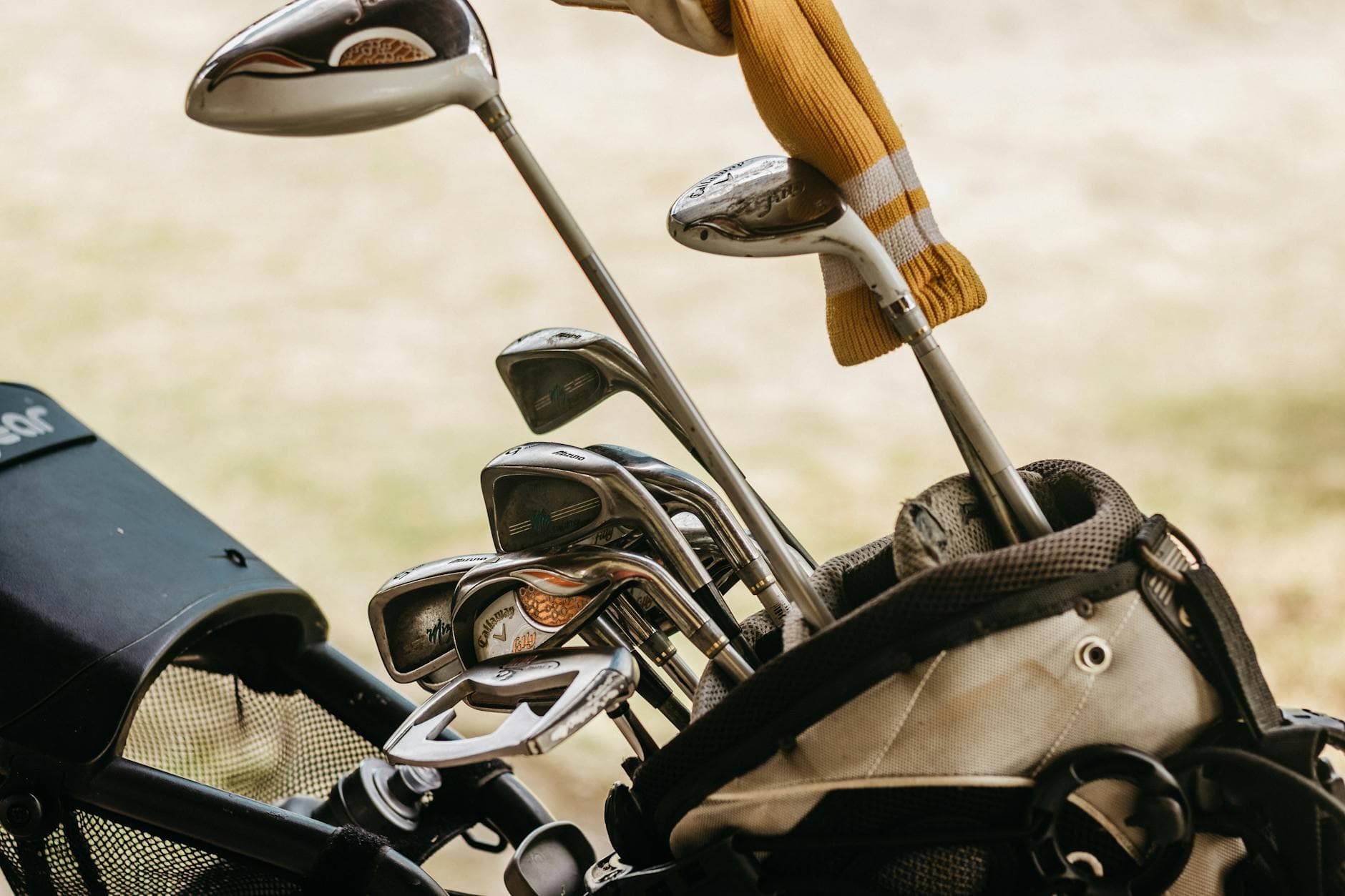
Walk into any serious fitting studio in 2026 and you will find a fundamentally different conversation than the one golfers were having a decade ago. Launch monitors, 3D motion capture, and pressure-mapping insoles have replaced the old "does it feel right?" approach. Custom fitting is no longer a tour player's privilege — it has become the most evidence-based investment a golfer can make in their game.
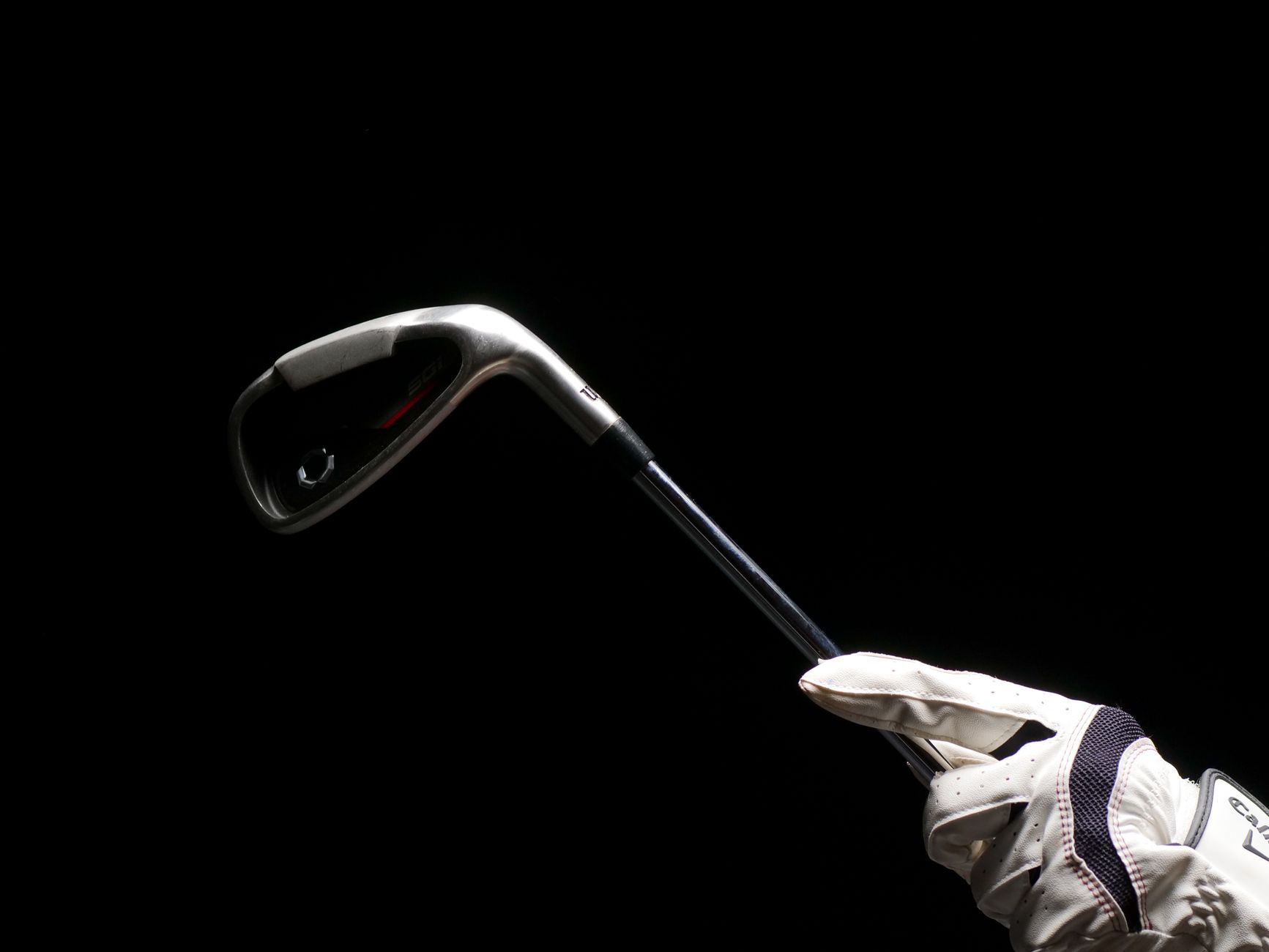
The shift is significant. Where fitting once focused almost exclusively on shaft length and lie angle, today's fitters are working across an interconnected matrix of variables: dynamic loft, attack angle, spin loft, gear effect, and ball speed — all measured simultaneously and cross-referenced against a golfer's specific swing tendencies.
The result is a process that reveals truths the human eye simply cannot detect. A player who believes they are losing distance off the tee may, in fact, be generating ample clubhead speed — but suffering from a spin rate that is throttling carry distance. Without a fitting, that golfer will likely blame their swing rather than the equipment working against them.
The Data Revolution Inside the Fitting Bay
Modern fitting bays have effectively become performance laboratories. High-speed cameras operating at thousands of frames per second capture face angle at impact to within a fraction of a degree. Pressure plates map how a golfer's weight transfers through the swing, providing fitters with dynamic data that was previously the exclusive domain of biomechanics researchers at elite sports institutes.
For the golfer serious about Greens in Regulation and strokes gained metrics, this granular insight is invaluable. Understanding your precise low point in the swing, for instance, directly informs optimal iron shaft weight and flex profile — variables that interact with each other in ways no static chart can adequately represent.
- Attack angle and dynamic loft interaction — the critical pairing for optimizing launch conditions
- Gear effect off-center strikes — how head design and face curvature must match a player's miss tendency
- Shaft EI profile (stiffness distribution, not just flex rating) — the variable most often oversimplified in retail settings
- Grip diameter and its measurable effect on face rotation through impact
- Ball compression matching — ensuring the ball's construction complements the clubhead's energy transfer
Shaft Fitting: The Most Underestimated Variable
Of all the fitting variables, shaft selection remains the most frequently misunderstood — and the most consequential. A shaft is not simply a conduit between your hands and the clubhead; it is a dynamic energy storage and release system with its own timing characteristics. Two players with identical swing speeds can require vastly different shaft profiles depending on their tempo, transition force, and release point.
This is where the detail work separates a genuine fitting from a retail floor conversation. Attomax shafts, engineered with precision EI profiling, are designed to be assessed within a data-driven fitting context — not pulled off a rack based on a gross swing speed number. The correct shaft for a player with a fast tempo and early transition is rarely the same profile that suits a smoother, later-releasing swing, even when raw clubhead speed is identical between the two.
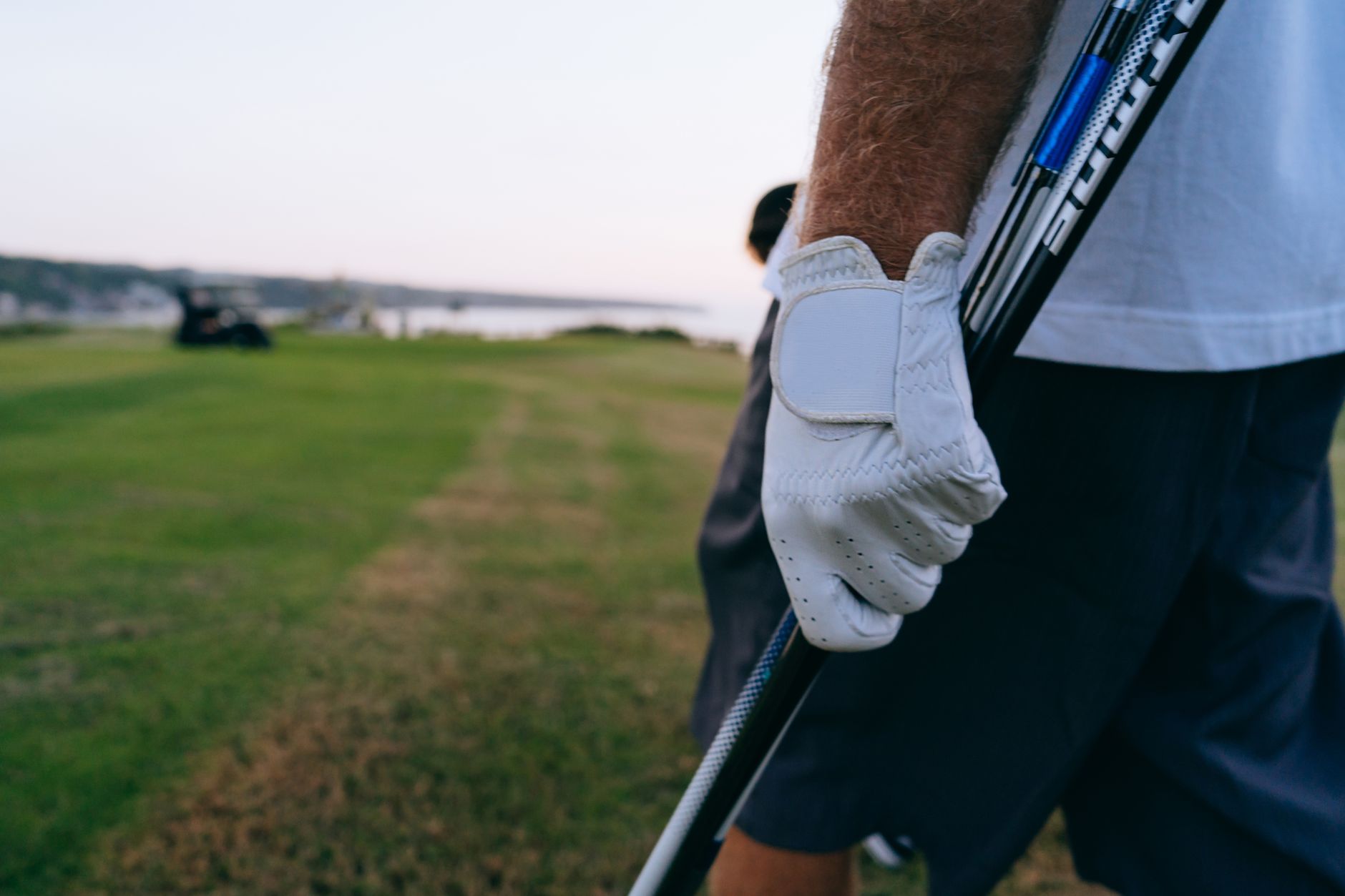
Tour-level data consistently reinforces this. Players who undergo thorough shaft fitting — accounting for load profile, kick point, and torque alongside traditional flex — routinely report measurable improvements in dispersion, not just distance. Tightening your shot pattern by even a few yards in lateral spread has a compounding effect on Greens in Regulation that accumulates dramatically over the course of a season.
Ball Fitting: The Conversation Finally Getting Its Due
For years, ball fitting lagged behind club fitting in terms of analytical rigor. Golfers chose balls based on brand loyalty, feel preference, or what their playing partners used. That approach is increasingly difficult to defend in an era when ball construction has become as sophisticated as any other piece of equipment in the bag.
Compression matching — aligning a ball's construction to a player's swing speed and attack angle — is now a central component of comprehensive fitting sessions. The physics are straightforward: a ball that is too firm for a given swing speed will not deform optimally at impact, resulting in energy loss and a higher-than-optimal spin rate on full shots. Conversely, a ball that is too soft can produce excessive spin on approach shots, reducing distance control.
Attomax's high-density amorphous metal golf ball lineup — available in Soft, Medium, and Hard compression variants — is specifically engineered to address this spectrum. The compression tier a player requires is not guesswork; it is a measurable output of a proper ball-fitting protocol that factors in ball speed, spin rate, and launch angle simultaneously. A mid-handicap player generating 95 mph of ball speed has fundamentally different requirements than a scratch player at 155 mph, and the correct ball for each is not the same.
The best equipment in the world, incorrectly fitted, will perform worse than average equipment correctly matched to the player. Fitting is not about the gear — it is about the interface between the gear and the human.
— Senior Tour Performance Analyst
Why "All Levels" Is the Right Frame — But Not for the Obvious Reason
There is a persistent misconception that custom fitting delivers its greatest benefit to high-handicap players because they have more room to improve. The reality is more nuanced. Low-handicap golfers and scratch players arguably benefit just as significantly — not because they are fixing gross equipment mismatches, but because they are optimizing at the margins where scoring in competitive golf actually happens.
For the competitive amateur or club champion, the difference between a shaft that produces a 2,400 RPM spin rate versus one that produces 2,700 RPM at the same launch angle represents a meaningful change in carry distance and stopping power on firm fairways. These are not cosmetic improvements. They are the kind of precision advantages that separate a birdie putt from a bunker shot.
Fitting Cadence: Not a One-Time Event
One underappreciated dimension of modern fitting philosophy is the concept of ongoing recalibration. A golfer's swing evolves — often significantly — over time, and the equipment profile that was optimal three years ago may no longer reflect the player's current mechanics. Serious competitors now approach fitting as a cyclical process, revisiting key variables annually or after any substantive swing change.
The data trail a fitting studio maintains across multiple sessions is enormously valuable. Tracking how your spin rates, attack angle, and smash factor have shifted over time provides a performance record that no handicap index alone can capture. It is, in every meaningful sense, the most honest progress report available to a competitive golfer.
Custom fitting in 2026 is not a trend. It is the baseline standard for anyone who takes performance seriously. The tools exist, the data is accessible, and the performance returns are measurable. The only remaining variable is the willingness to let the numbers tell the truth about what your game actually needs.
Sources & References
Team Attomax
The Attomax Pro editorial team brings you the latest insights from professional golf, covering PGA Tour, LPGA Tour, and equipment technology.