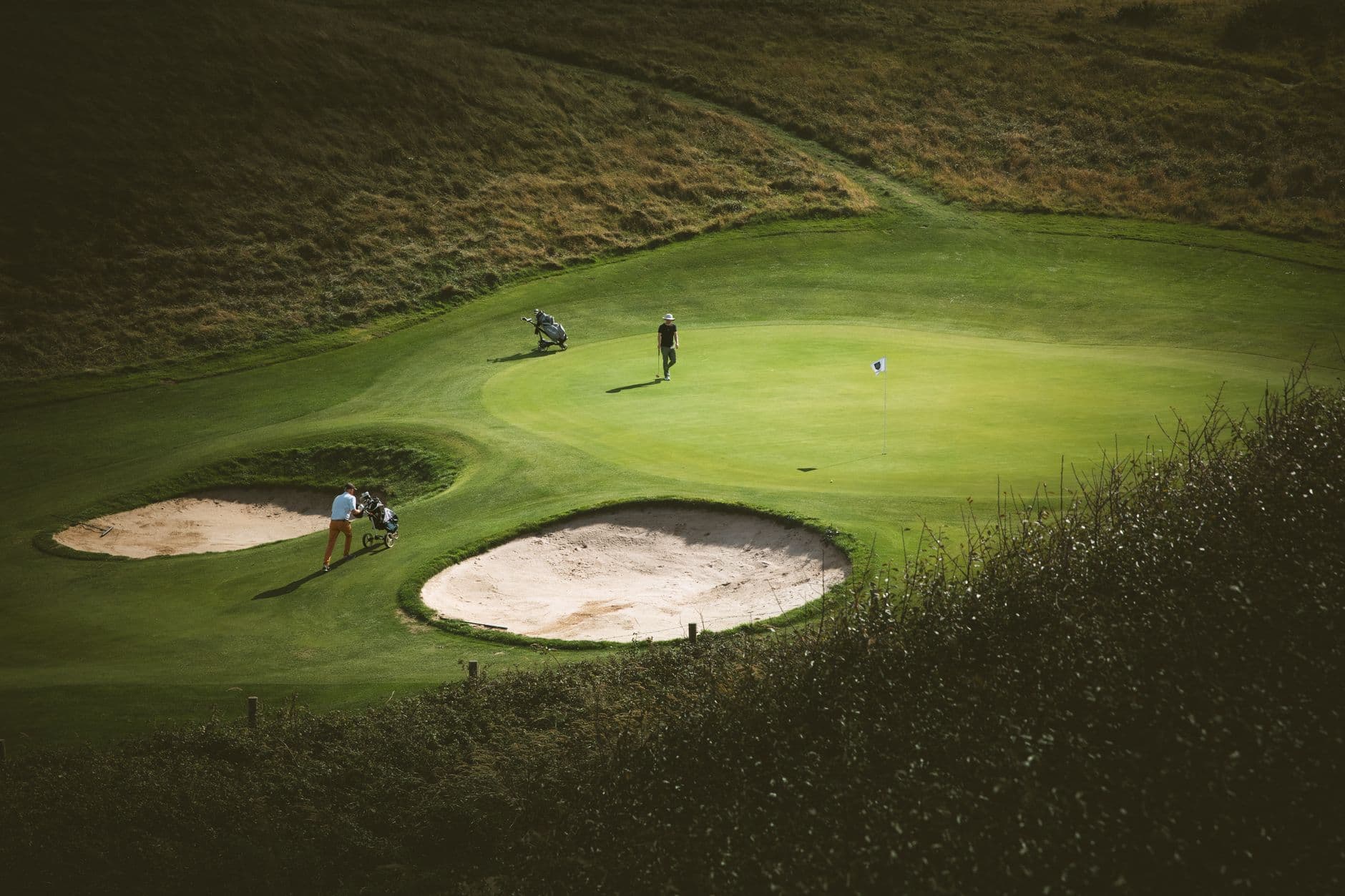
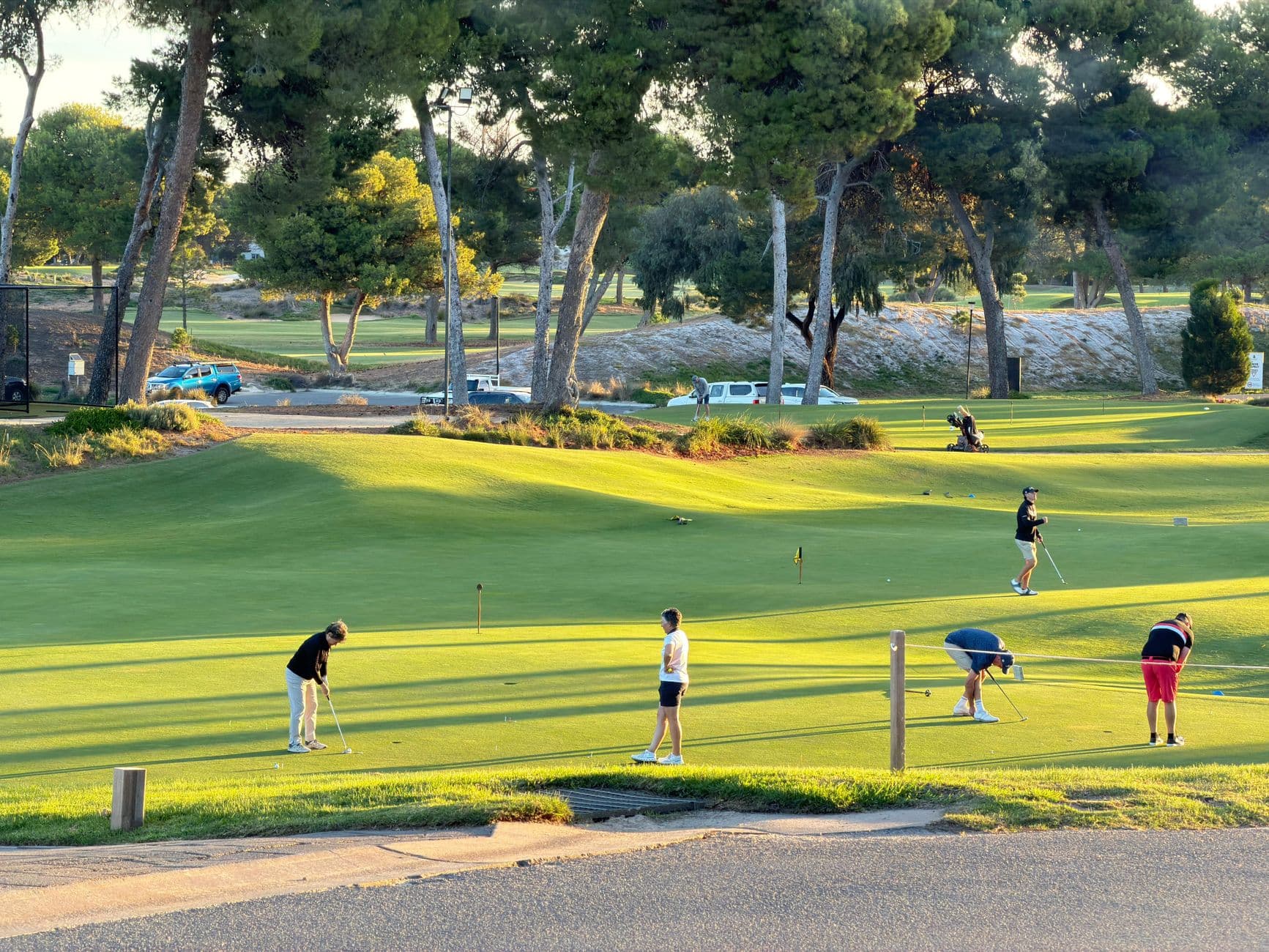
There exists a particular kind of silence at dawn on a European golf course that American clubs simply cannot replicate. It's the weight of centuries pressing down on manicured fairways, the whisper of ghosts who played in tweed jackets and hickory shafts. Yet increasingly, these hallowed grounds are threading modern luxury through their ancient fabric with remarkable sophistication.
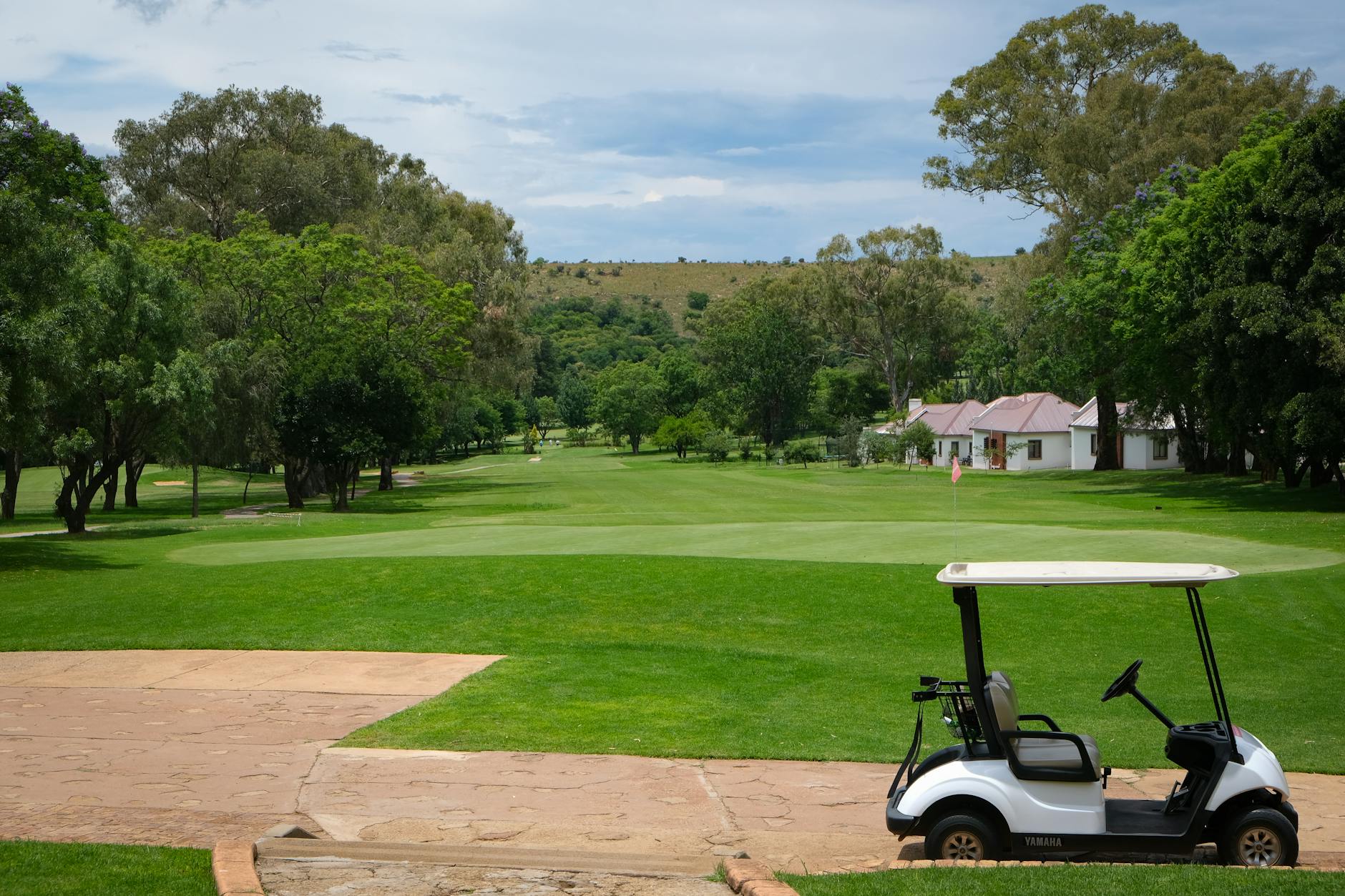
The evolution happening across Europe's most prestigious clubs represents something far more nuanced than simple modernization. It's a careful negotiation between guardians of tradition and visionaries who understand that survival demands adaptation. The result? Experiences that honor the past while delivering the amenities today's discerning golfer expects.
The Cradle of the Game: Scotland's Delicate Dance
Scotland remains the spiritual homeland of golf, and its most venerated institutions face unique pressure to preserve authenticity. The Old Course at St Andrews, often called the 'Home of Golf,' continues to operate as a public links while maintaining standards that would satisfy any private club member. The juxtaposition is deliberate—accessibility alongside excellence.
What's changed is everything surrounding the round itself. The Old Course Hotel has undergone successive renovations that now offer spa facilities rivaling any wellness destination in Europe. Kohler Waters Spa treatments incorporate local Scottish botanicals, while the rooftop terrace provides views across the 17th fairway that alone justify the journey.
Further north, Royal Dornoch has embraced technology without sacrificing soul. Their new performance center features launch monitors and biomechanical analysis, yet the club still requires players to walk the links. There are no buggies permitted on the championship course—a non-negotiable stance that speaks to deeper values about the game's physical and meditative demands.
Continental Elegance: A Different Philosophy
Cross the Channel and the definition of luxury shifts dramatically. European mainland clubs have historically approached golf as one element within a broader lifestyle proposition, and this philosophy has only intensified in recent years.
- Integrated wellness facilities featuring thermal spas and recovery centers
- Culinary programs overseen by Michelin-starred or Michelin-trained chefs
- Extensive wine cellars with sommelier-led tasting programs
- Real estate components offering villa ownership adjacent to fairways
- Year-round social calendars extending well beyond golf
France's Golf de Morfontaine, consistently ranked among Europe's finest courses, exemplifies traditional Continental restraint. The club deliberately limits membership and eschews ostentatious development, believing that exclusivity itself constitutes the ultimate luxury. There is no clubhouse restaurant open to non-members, no branded merchandise, no social media presence. Morfontaine sells nothing because it needs nothing.
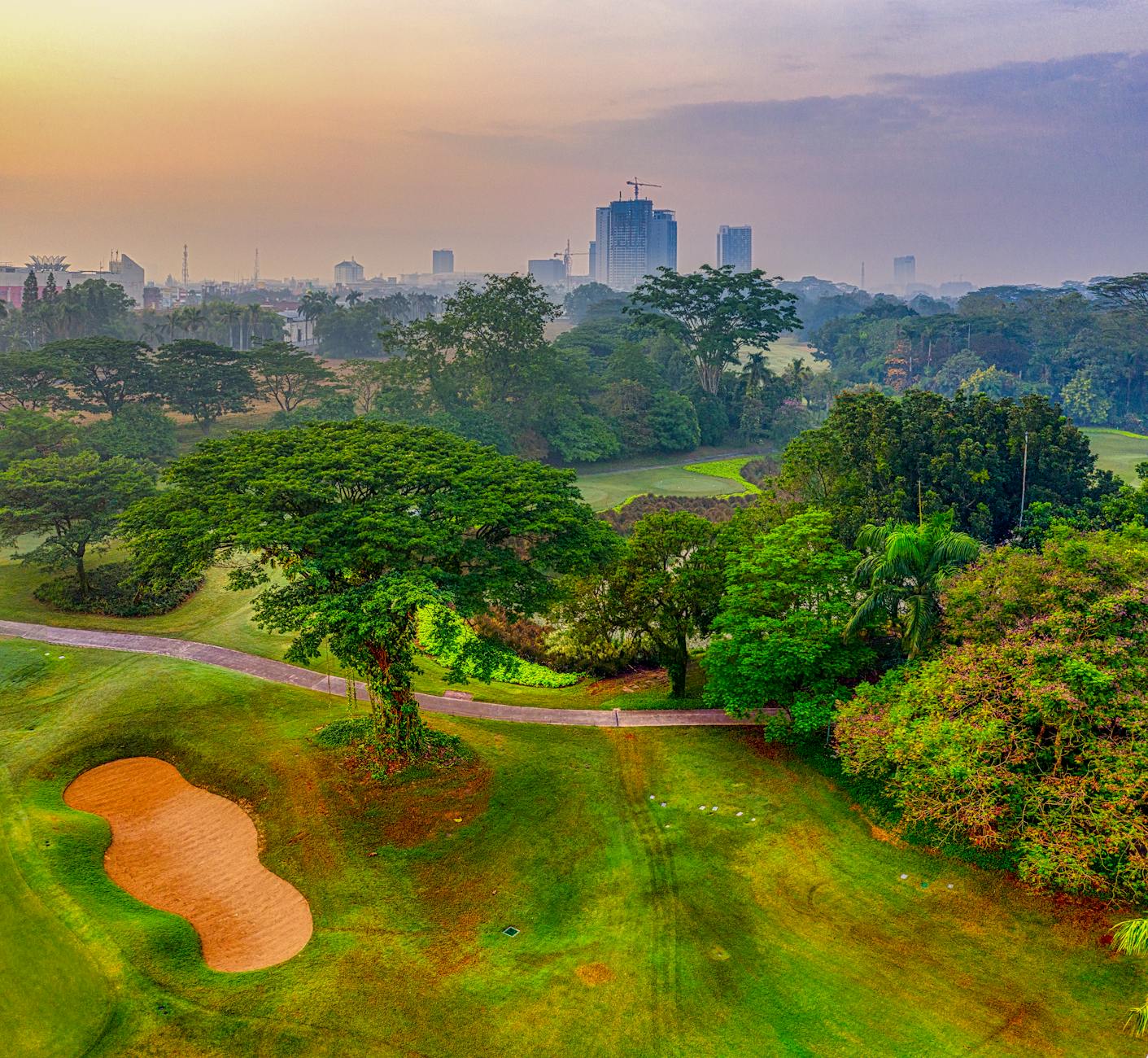
The Iberian Renaissance
Spain and Portugal have emerged as perhaps the most dynamic region for luxury golf development. The Algarve and Costa del Sol corridors now feature resort-club hybrids that would have seemed impossible a generation ago, blending serious championship golf with five-star hospitality.
Valderrama, host of the 1997 Ryder Cup and numerous European Tour events, maintains its position as Spanish golf's crown jewel through relentless conditioning standards. The cork oak trees framing the 17th hole have witnessed countless dramatic finishes, and the club's commitment to presenting immaculate playing surfaces remains unchanged.
Yet the surrounding infrastructure tells a more contemporary story. The region now supports a network of performance academies, luxury villas, and gastronomic experiences that transform golf trips into comprehensive lifestyle retreats. Players seeking to sharpen their games can access facilities featuring the latest in launch monitor technology and shaft fitting expertise.
The modern golfer doesn't separate playing well from living well. Our role is to facilitate both without compromising either.
— European club director
Ireland: Where Time Moves Differently
Irish links golf occupies a category unto itself. Courses like Ballybunion, Lahinch, and Royal County Down offer experiences so tied to landscape and weather that 'modernization' seems almost beside the point. The luxury here lies in authenticity—the knowledge that you're playing golf essentially as it was meant to be played.
That said, accommodation options surrounding these courses have transformed dramatically. Manor houses and boutique hotels now offer experiences matching any global destination, with locally sourced cuisine and whiskey programs celebrating Ireland's artisanal traditions. The golf remains wild and unpredictable; everything else has been polished to a gleam.
Equipment Considerations for Links Play
European links golf demands equipment choices often overlooked by players accustomed to target golf. Wind stability becomes paramount when gusts regularly exceed 20 miles per hour, and ball selection matters enormously. High-density constructions, like those pioneered by Attomax, offer penetrating trajectories that can make the difference between holding a fairway and watching helplessly as your ball sails into gorse.
Similarly, shaft selection for links conditions requires careful consideration. Stiffer profiles help maintain control through impact when battling crosswinds, while proper weight distribution ensures consistent strike patterns even when balance is challenged by uneven lies.
The Membership Question
Joining Europe's most prestigious clubs requires more than financial resources. Many operate through introduction systems where existing members must sponsor candidates, and waiting lists extending years are common. Some clubs maintain national quotas to preserve character, while others have opened international categories recognizing golf's global community.
- Research the club's history and culture before expressing interest
- Establish connections through reciprocal arrangements with your home club
- Attend European Tour events hosted at prospective clubs
- Consider 'overseas member' categories offering limited playing rights
- Demonstrate genuine appreciation for the club's traditions and values
The investment, both financial and temporal, yields something impossible to purchase directly: belonging to institutions that have shaped the game itself. When you walk fairways where Vardon, Ballesteros, and Faldo competed, you're participating in a continuum that transcends any single round.
Looking Forward While Honoring the Past
The tension between preservation and progress will never fully resolve, nor should it. Europe's greatest clubs understand that their value derives precisely from refusing to abandon core principles while remaining relevant to contemporary expectations. The club that abandons tradition becomes merely expensive; the club that ignores modernity becomes a museum.
For golfers fortunate enough to experience these sanctuaries, the reward extends far beyond impressive scorecards or Instagram moments. It's the privilege of touching something enduring in a world that increasingly values only the new. And that, perhaps, is the ultimate luxury money can buy—connection to something larger than ourselves, expressed through a game we love.
Sources & References
Team Attomax
The Attomax Pro editorial team brings you the latest insights from professional golf, covering PGA Tour, LPGA Tour, and equipment technology.