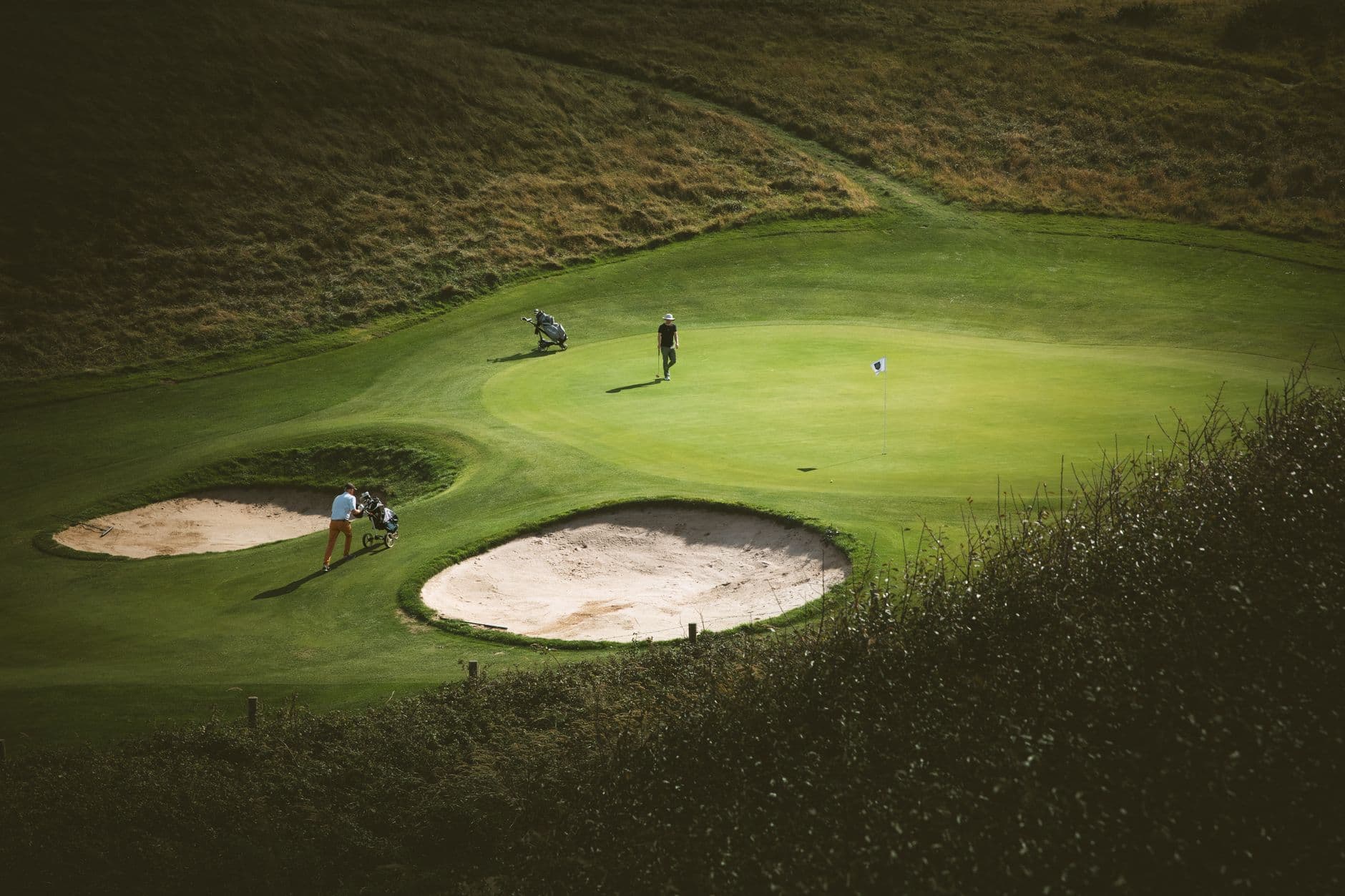
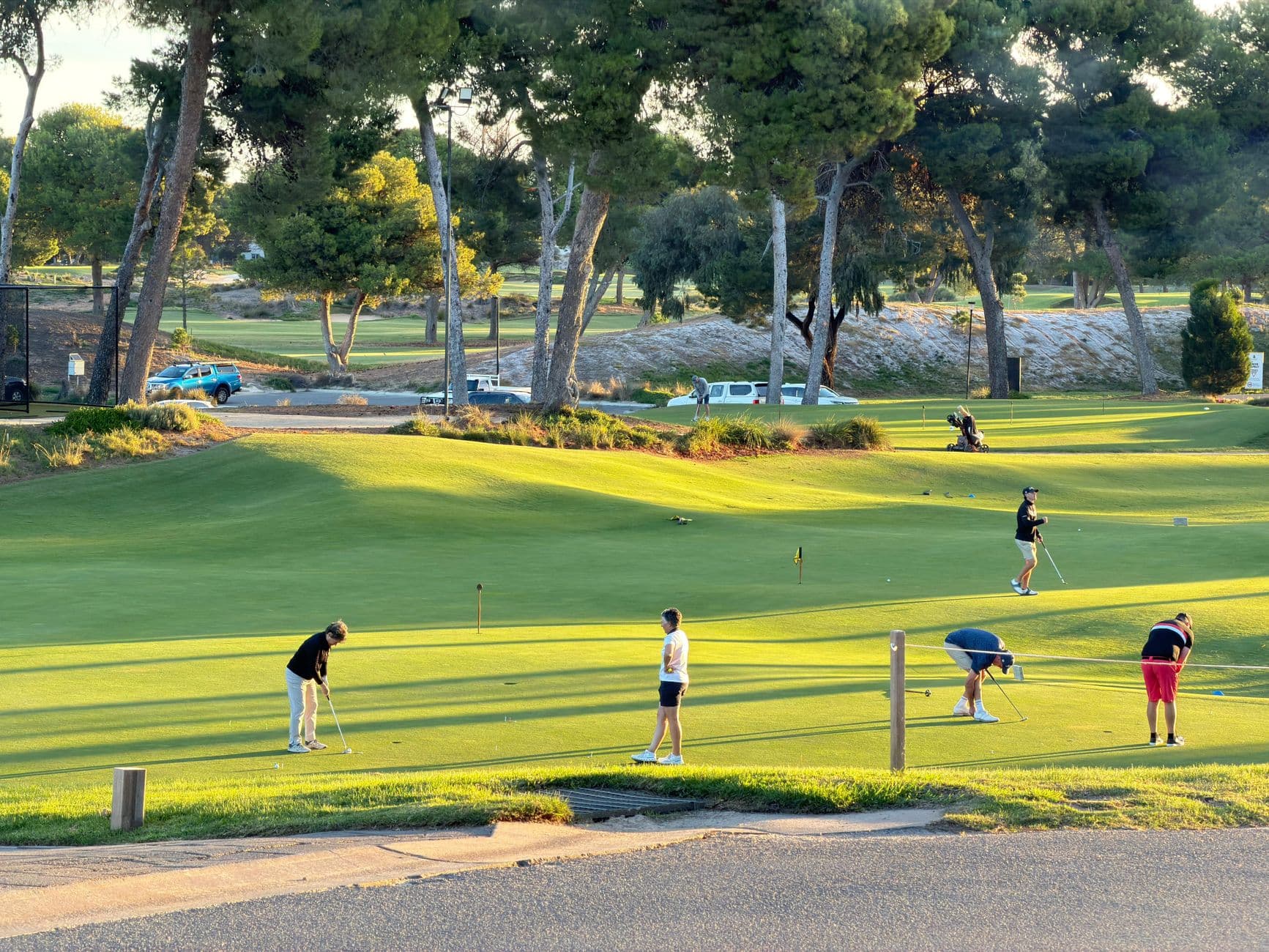
Perched on the Lancashire coastline between Southport and the Irish Sea, Royal Birkdale Golf Club occupies a singular place in Open Championship lore. Its undulating fairways, carved between towering sand dunes, have hosted some of the most compelling finales in major championship history — and the course has an uncanny ability to expose every technical and psychological weakness a player carries into the competition.
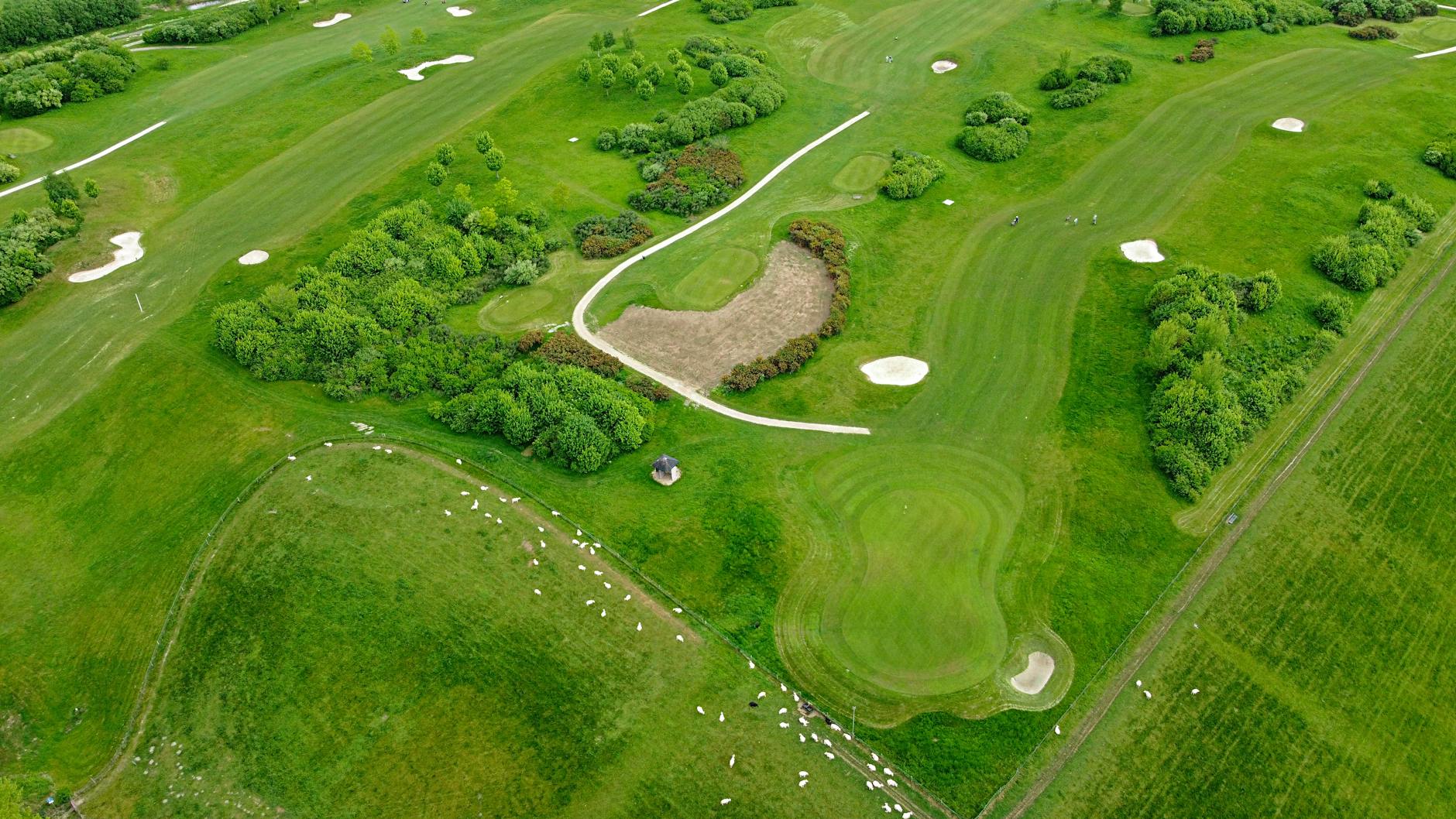
What separates Birkdale from other links venues is its architectural integrity. Unlike courses where wind merely complicates play, here the dunes, rough, and fairway contours work in concert with the prevailing south-westerly to create a layered strategic puzzle. Every club selection, every shot shape decision — it all compounds across 18 holes into something that demands complete intellectual engagement.
The course was designed in its current routing by Fred Hawtree and J.H. Taylor in 1931, with significant refinements over the decades. The distinctive Art Deco clubhouse, a Grade II listed building, stands as an architectural counterpart to the natural theatre unfolding on the course below. It is a venue where tradition and modernity coexist without friction.
A Championship Venue Like No Other
Royal Birkdale first hosted The Open Championship in 1954, and the R&A has returned repeatedly — a mark of the highest confidence in a venue. The course has produced champions of exceptional calibre, with names like Arnold Palmer, Lee Trevino, Tom Watson, and Padraig Harrington etched into its championship history. Each of those victories carried a specific narrative shaped by Birkdale's terrain.
Arnold Palmer's 1961 victory is perhaps the most storied. Playing in brutal conditions, Palmer conjured one of the most celebrated recovery shots in major history from a willow scrub bush at the 15th — a moment so significant it was later commemorated with a plaque on the course. It speaks to something essential about Birkdale: the best players do not merely survive its challenges, they respond to them with invention.
The rough at Birkdale is about the most punishing I've encountered anywhere in the world.
— Lee Trevino, 1971 Open Champion at Royal Birkdale
The Strategic Architecture of the Course
What makes Royal Birkdale intellectually compelling is that its fairways run predominantly through dune valleys rather than over elevated ridges. This design philosophy — often credited to giving the course a more 'fair' quality — still presents relentless decision-making. The dunes frame shots visually but also funnel wind in deceptive and variable ways.
The closing stretch tests nerve and precision in equal measure. The par-four 18th, playing back toward the clubhouse, demands a tee shot that splits the fairway without leaking into the heavy rough on either side. Under championship pressure, with a leaderboard in flux, it has been the site of both heroic finishes and heartbreaking collapses.
- Fairways routing through dune valleys creates sheltered but deceptive wind conditions
- The rough is among the thickest on the Open rota — penalty for imprecision is immediate
- Elevated greens on key holes demand precise approach trajectories, not just distance
- Prevailing south-westerly winds shift the degree of difficulty dramatically hole to hole
- Multiple pin positions on larger greens reward players who study yardage books with discipline

Wind Play and Equipment Decisions at Birkdale
Elite links golf is fundamentally a game of trajectory management, and nowhere is that more evident than at Royal Birkdale. The ability to flight the ball low, control spin into wind, and resist the temptation to chase distance off the tee defines who contends on the final day. Players who over-swing searching for extra yards consistently find the rough — and at Birkdale, that is where scores unravel.
Shaft selection plays a decisive but often under-discussed role in links preparation. A shaft that performs optimally at a parkland course — promoting high launch and spin — can actively work against a player in coastal conditions. Stiff-tipped profiles that suppress mid-trajectory ballooning become essential tools when the Irish Sea breeze picks up. The Attomax shaft range, engineered with deliberate flex-point precision, gives competitive players the control profile needed to keep the ball under the wind without sacrificing the feel required on approach shots into firmed-up Birkdale greens.
Ball selection is equally critical. In firm, fast conditions where run-out is available and the ground game is viable, a medium-compression ball allows players to punch low runners into greens without losing control of spin on short game shots. The Attomax Medium — designed with a high-density amorphous metal core — provides that precise blend of controlled distance off the tee and responsive feel around greens, making it a legitimate consideration for links play at the highest level.
The Mental Landscape of Royal Birkdale
Experienced tournament players often speak of links golf demanding a different mental architecture than parkland play. At Birkdale, the openness of the terrain creates a sense of exposure — both physical and psychological. Wind noise, constantly shifting visual references, and the ever-present threat of the rough create a low-grade pressure that compounds over 72 holes.
Course management under those conditions requires accepting a lower risk threshold than most tour players employ naturally. Taking the conservative line off the tee — even when the pin is accessible — often pays a far greater dividend than the aggressive line that flirts with the rough. The champions at Birkdale have historically been players who understood that par is an excellent score when the wind is howling, and that protecting position through the middle rounds creates the platform for a Sunday charge.
You have to be patient at Birkdale. You can't force the golf course. You wait for your opportunities and you take them when they arrive.
— Padraig Harrington, two-time Open Champion
What Amateur Champions Can Learn From Birkdale's Tests
For serious club-level and amateur competitors who travel to links golf, Royal Birkdale offers a masterclass in strategic discipline. The instinct to attack — to play the same aggressive game that works on a forgiving parkland — needs to be consciously suppressed. Studying wind direction from multiple hole elevations before committing to a club, using the ground game as a genuine weapon, and building a game plan around your miss rather than your ideal shot are all habits that Birkdale will quickly reward.
The course does not punish talent. It punishes impatience and rigidity. That is perhaps what elevates it to its status among the game's most respected examinations — and why the R&A continues to return to the Lancashire coastline when the game's greatest prize is on the table.
Royal Birkdale does not merely test golf swings. It tests golfers. In that distinction lies everything that makes links championship golf the purest expression of the game — and why venues like Birkdale continue to define what it means to compete at the highest level.
Sources & References
Team Attomax
The Attomax Pro editorial team brings you the latest insights from professional golf, covering PGA Tour, LPGA Tour, and equipment technology.