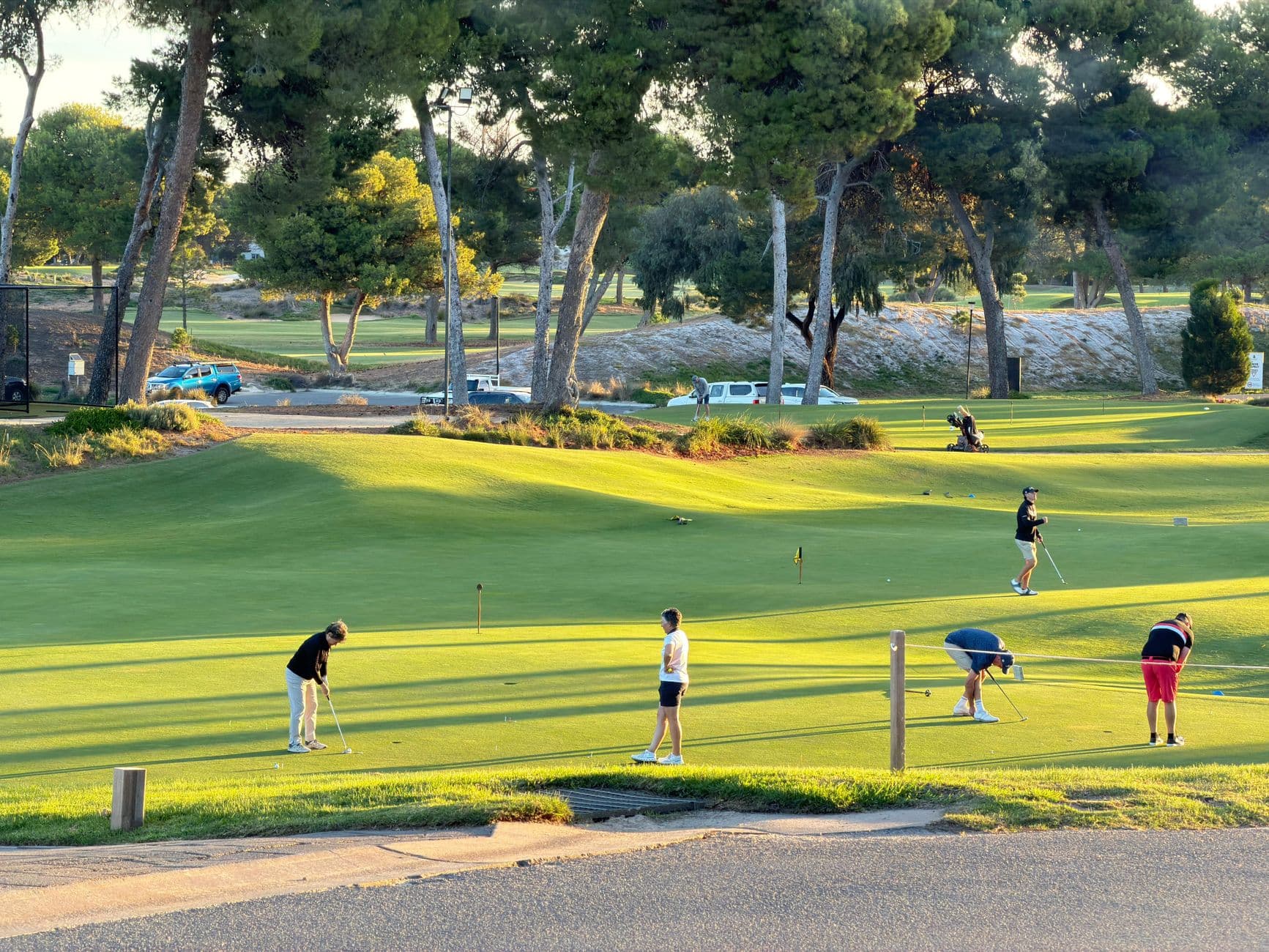
When the AIG Women's Open arrives at Royal Troon, it doesn't simply test a golfer's swing — it interrogates her judgment, nerve, and willingness to surrender control. Scotland's west coast delivers weather that renders yardage books nearly irrelevant, and Troon's layout, dating back to 1878, has humbled some of the finest ball-strikers the game has ever produced.
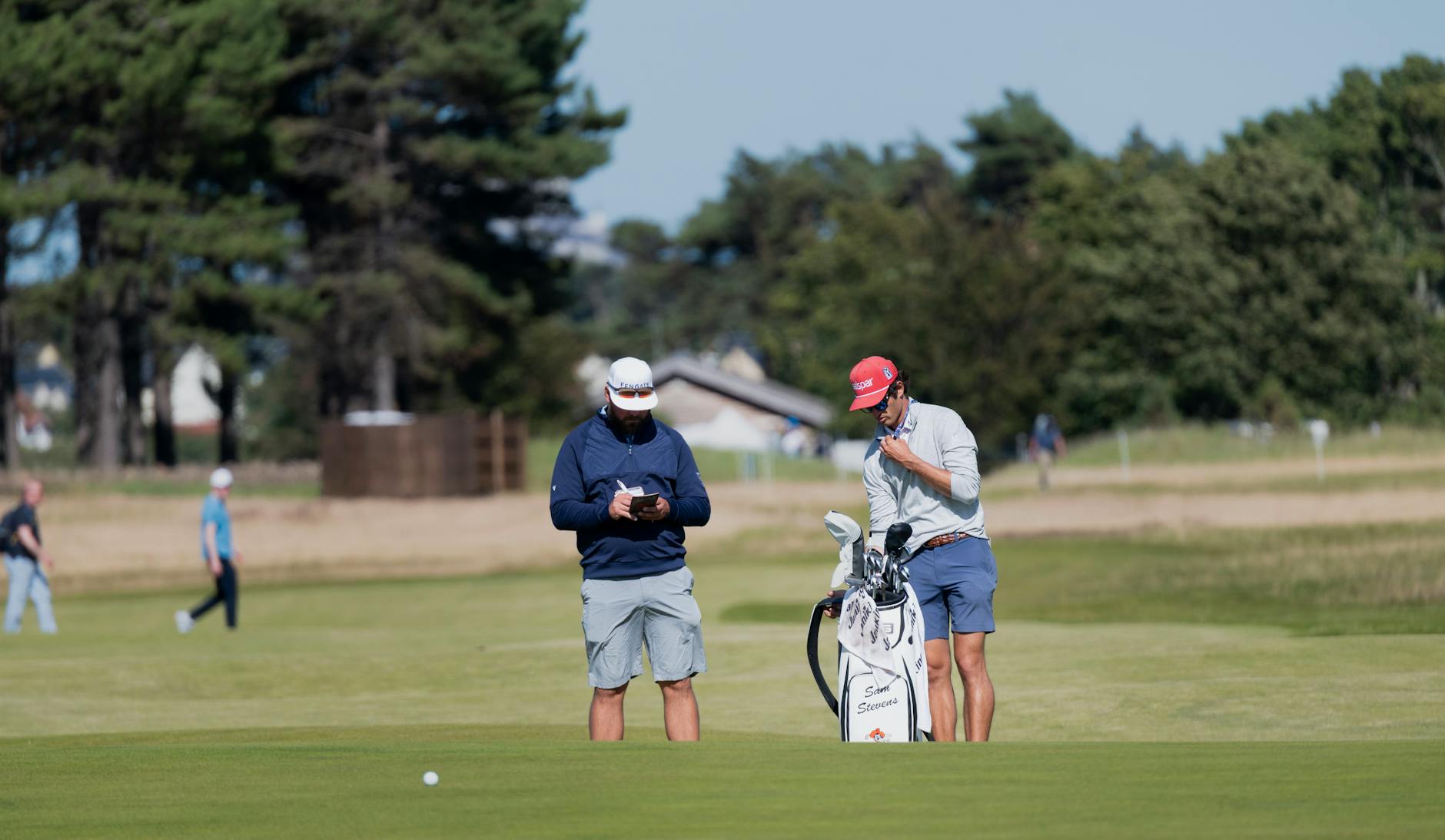
Royal Troon is one of Scotland's most storied championship venues, a links course sculpted by the Firth of Clyde coastline where the wind is not a condition — it is a co-designer. The outward nine runs with the prevailing wind, lulling players into unrealistic scoring expectations, while the inward nine pivots directly into the teeth of whatever the North Atlantic decides to send. Managing that psychological shift is as important as any technical adjustment.
The LPGA Tour's decision to bring the AIG Women's Open to venues of this stature reflects a broader commitment to showcasing the women's game at the sport's most demanding stages. Troon does not offer easier scoring opportunities simply because the course plays shorter from the women's tees — the wind, the pot bunkers, and the firm, fast playing surfaces are non-negotiable for every competitor.
Understanding Troon's Layout and Its Demands
Royal Troon's championship routing is anchored by two iconic extremes. The Postage Stamp — the par-3 8th hole — is one of golf's most photographed and most feared short holes, a green barely wider than it is deep, surrounded by five bunkers that show no mercy to a ball flight even fractionally offline. At the other end of the spectrum, the long par-5s on the back nine demand both carry distance and the restraint to lay up when the wind negates any advantage from going for broke.
Troon rewards a ground game that most modern professionals rarely practice on tour. The ability to flight a long iron low — punching it under a crosswind rather than trying to hold a high trajectory — separates links specialists from players who are simply transporting their inland game to Scotland and hoping it travels.
- The Postage Stamp (8th hole) remains one of the most treacherous par-3s in major championship golf, with pot bunkers that can swallow a round whole
- Troon's back nine reverses directly into the prevailing wind, turning scoring into a grinding exercise in damage limitation
- Firm, fast fairways mean the ball can run out unpredictably, rewarding those who play below the hole and account for bounce and roll
- Rough at links venues grows differently than parkland rough — wiry, dense, and unforgiving for players who attempt power extraction
- The out-of-bounds stakes along the railway line on the right side of several holes force a strategic rethink of the conventional tee-shot target
Links Strategy: The Mental Framework
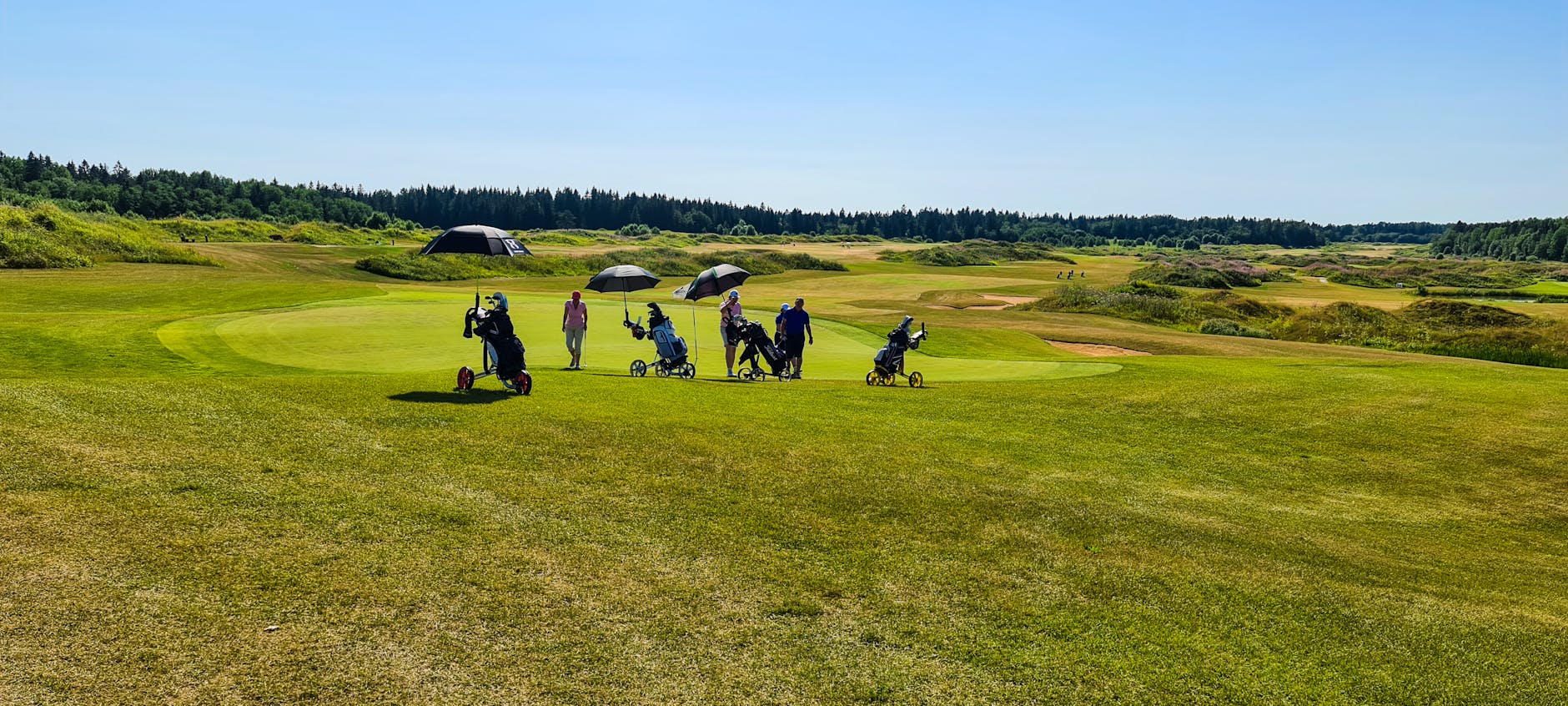
The most critical strategic adjustment at a links major is redefining what a "good shot" looks like. On a calm day at a parkland course, a wedge that lands two feet from its target and spins back to the flag is a great shot. At Troon in a gusting 25 mph crosswind, a long iron that misses the green by eight feet on the safe side, feeds down the slope, and leaves a manageable chip is often the superior play. The best links competitors mentally recalibrate their standard for success before the first round even begins.
Course management at Troon also requires a sophisticated understanding of where not to miss. Every professional knows to miss greens on the correct side, but at a links venue the consequences of the wrong side are exponentially more severe. A pot bunker at Troon is not an inconvenience — it can cost a player two shots and destroy a scorecard in a single moment. The players who consistently challenge at links majors tend to be those who plot their way around the course in reverse, identifying the unacceptable misses first and then building their shot selection around avoidance.
Links golf teaches you that sometimes the best shot you can hit is one that doesn't look impressive on camera but gives you the best angle into the green. Ego has no place in Scotland.
— Common refrain among seasoned links professionals
Equipment Choices That Define a Links Major
Ball selection at a links major is a decision that goes far beyond feel preference. On firm, fast surfaces where the ball runs considerably after landing, compression becomes a strategic variable. Players who typically favor a high-spinning, soft-compression ball for their short game on parkland courses often find that the links environment neutralizes that advantage — and introduces new trade-offs. A ball that launches too high becomes a liability in wind, while one that launches too low may not hold the rare soft patch of green available on a calm day.
This is precisely the kind of environment where a high-density amorphous metal construction — like Attomax's Medium or Hard compression models — offers a meaningful performance edge. The ability to achieve a penetrating, controlled ball flight without sacrificing too much greenside responsiveness is the links golfer's equipment holy grail. The physics of amorphous metal technology allow for a more consistent energy transfer at impact, which matters enormously when players are attempting those low, piercing trajectories required to navigate a stiff Scottish headwind.
Shaft Selection: The Overlooked Links Variable
Shaft flex and profile also come under scrutiny at links venues. A higher kick-point shaft that keeps launch angle lower becomes a genuine asset when playing directly into the Troon wind. Professionals who travel to links events often work closely with their club fitters to dial in a setup that limits spin and peak height on their long irons — the very clubs that become scoring weapons on a links layout. Attomax's shaft lineup, engineered with trajectory control as a core design objective, is particularly well-suited to this kind of targeted adjustment.
The Women's Open's Growing Prestige at Historic Venues
The evolution of the AIG Women's Open's venue selection reflects how seriously the LPGA and the R&A have treated the championship's global standing. By rotating through links venues of genuine historical weight — courses that have hosted The Open Championship and carry centuries of golfing tradition — the event signals that women's major championship golf belongs on the same stage, under the same conditions, and with the same respect as any other major in the sport.
Royal Troon, with its 1878 founding and its long list of Open Championship legends, is not simply a backdrop — it is a challenge that demands the very best from every player who tees it up. When the world's finest women professionals arrive on the Ayrshire coast, they bring with them a combination of technical skill, tactical intelligence, and the kind of competitive resilience that Troon has always required. That equation has never changed, regardless of era or gender.
For the serious golf observer, there is no more compelling theater in the women's game than a links major when the wind turns unpredictable and the leaderboard reshuffles with every passing hour. Royal Troon at its most demanding is an argument that golf, at its highest level, is as much philosophy as it is sport — and the AIG Women's Open is where that argument is made most eloquently.
Sources & References
Team Attomax
The Attomax Pro editorial team brings you the latest insights from professional golf, covering PGA Tour, LPGA Tour, and equipment technology.