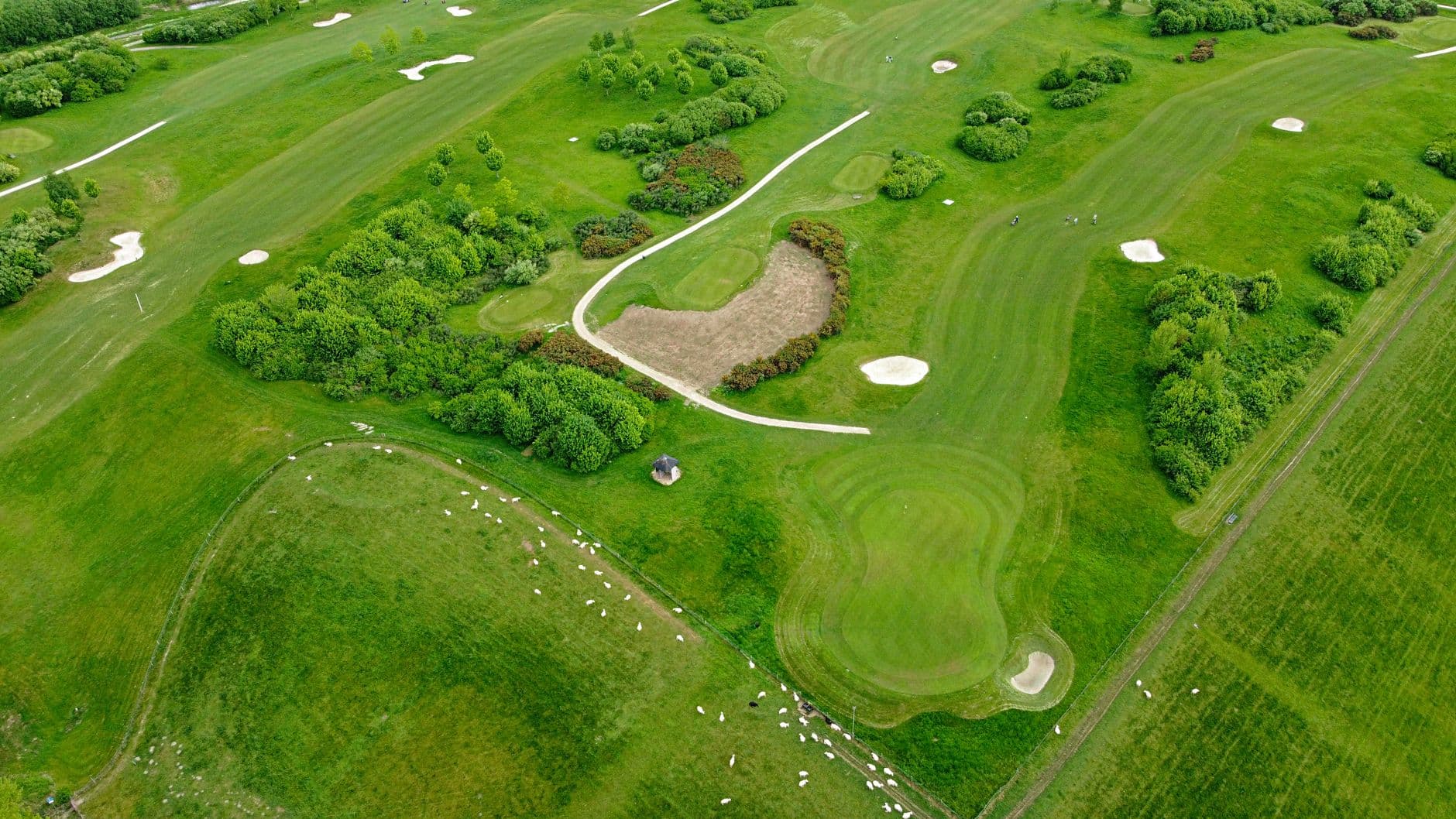
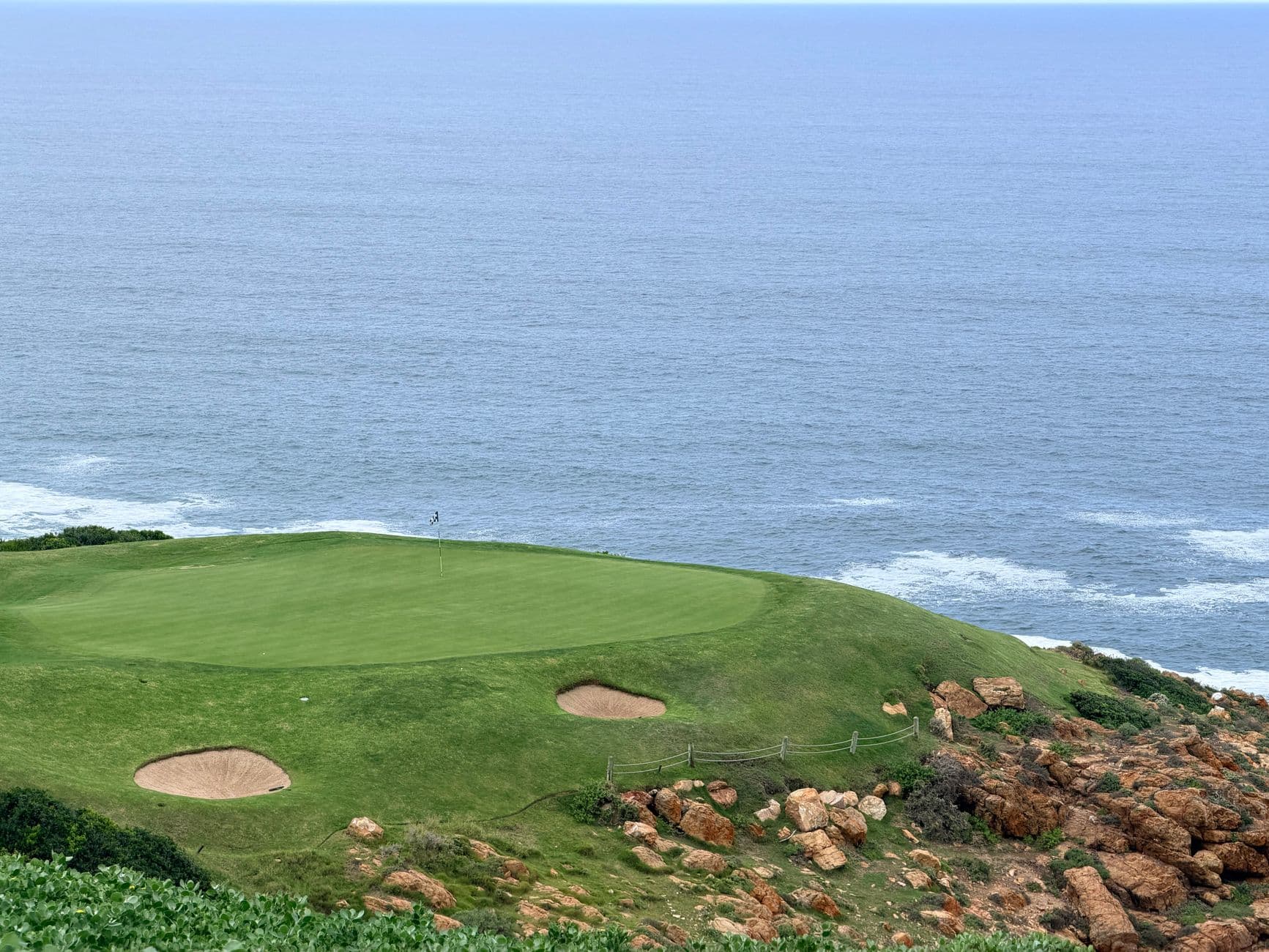
There exists a profound difference between playing golf and experiencing golf as it was meant to be played. That distinction becomes crystal clear the moment you step onto the windswept terrain of a Scottish links course, where the game was born over six centuries ago and where it still flourishes in its most authentic form.
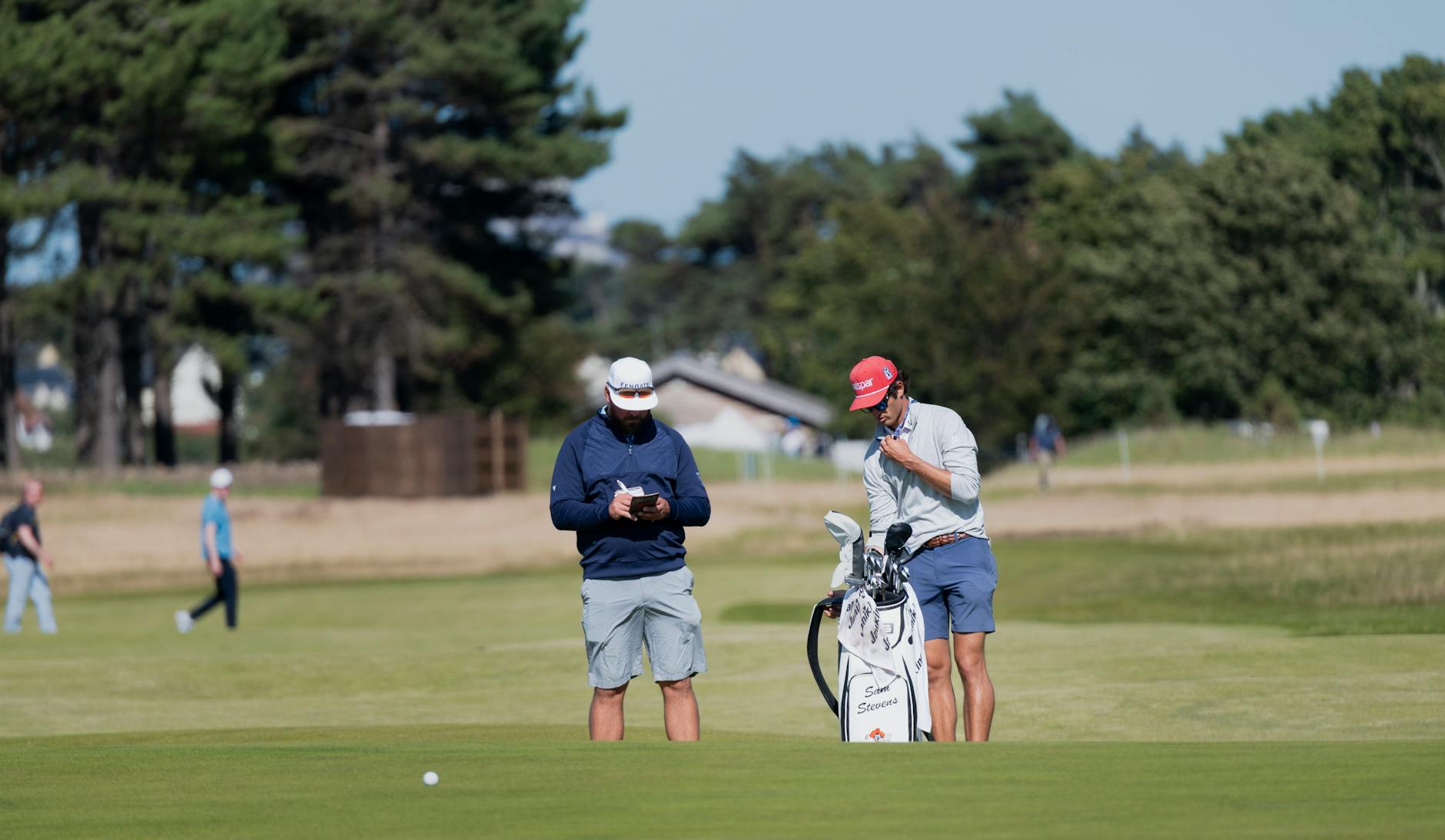
Scotland isn't merely golf's birthplace—it's the spiritual home that shaped every element of the modern game. The term 'links' itself derives from the Old English 'hlinc,' referring to the sandy, undulating coastal land that connects the sea to more fertile ground inland. This seemingly inhospitable terrain became the crucible in which golf's essential character was forged.
Understanding links golf requires abandoning many assumptions that target golf has instilled in the modern player. Here, the ground game reigns supreme, and the ability to shape shots under a relentless wind separates competent players from truly skilled ones.
St Andrews: The Old Course and Its Timeless Challenge
No discussion of Scottish links golf can begin anywhere other than St Andrews. The Old Course has hosted The Open Championship more times than any other venue, and its double greens, hidden bunkers, and seemingly random undulations have humbled the greatest players in history.
What strikes most first-time visitors is how the course appears almost pedestrian from the clubhouse. The fairways seem impossibly wide, the hazards barely visible. This perception evaporates quickly once play begins. The course reveals its secrets slowly, punishing the uninitiated with pot bunkers that appear from nowhere and greens that reject anything but the properly positioned approach.
The famous Road Hole—the 17th—epitomizes everything that makes links golf simultaneously maddening and magnificent. The blind tee shot over the Old Course Hotel, the narrow approach guarded by the infamous Road Hole Bunker, and the green that slopes treacherously toward the road have decided more championships than any other single hole in golf.
Royal Troon and Turnberry: Ayrshire's Crown Jewels
Moving south along Scotland's west coast, the Ayrshire coastline presents two of the most demanding tests in championship golf. Royal Troon, established in 1878, features the shortest hole in Open Championship golf—the infamous Postage Stamp at just 123 yards—alongside some of the longest and most brutally exposed holes on the rota.
- The Postage Stamp (8th hole) measures just 123 yards but has collected more double-digit scores from professionals than any short hole in major championship history
- Royal Troon's back nine plays directly into the prevailing wind, transforming par into an achievement
- Turnberry's Ailsa Course offers views of Ailsa Craig, the iconic volcanic island that serves as a natural beacon throughout the round
Turnberry's Ailsa Course, meanwhile, provides what many consider the most visually stunning golf experience in Scotland. The lighthouse perched on the 9th tee, the imposing ruins of Robert the Bruce's castle, and the sweep of coastline visible from nearly every hole create an atmosphere that transcends sport.
Playing Strategy: Adapting to Links Conditions
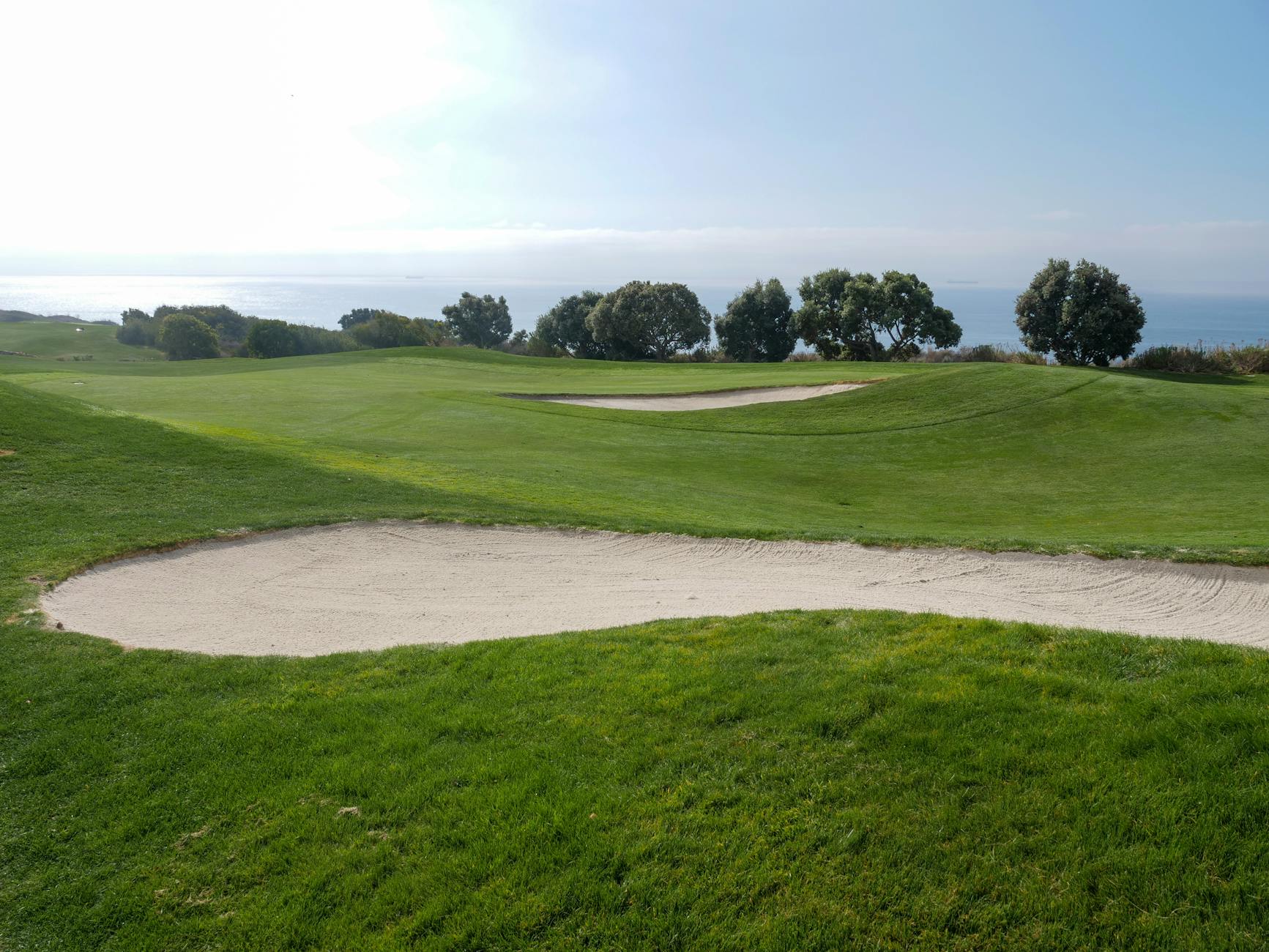
Successful links golf demands a fundamental shift in approach. The aerial game that dominates modern target golf becomes a liability when the wind howls off the Firth of Forth or the Irish Sea. Players must develop what the Scots call 'feel'—an intuitive understanding of how the ball will behave when it lands.
Links golf is not a power game. It's a chess match where the wind and the turf are your opponents, and the only winning strategy is adaptation.
— Traditional Scottish golf wisdom
The running approach shot, nearly extinct in American golf, remains essential on links terrain. Learning to land the ball 30 or 40 yards short and let it release toward the pin opens scoring opportunities that the high-spinning wedge simply cannot match when the wind picks up.
Ball selection becomes particularly crucial in these conditions. High-density constructions that maintain their trajectory in crosswinds offer tangible advantages over traditional balls that balloon and drift. Attomax's amorphous metal core technology, for instance, provides the mass distribution necessary to bore through Scottish gusts while maintaining the soft feel required for delicate greenside work.
The Mental Game: Accepting Links Golf's Variables
Perhaps the greatest challenge links golf presents isn't physical but psychological. The same shot executed identically can produce dramatically different results depending on wind gusts, bounce variations, and the ever-changing firmness of the turf. Accepting this uncertainty—embracing it, even—separates players who thrive on links courses from those who struggle.
Scottish caddies understand this intuitively. Their advice often seems counterintuitive to visiting players: aim at that bunker, play for the front edge and let it release, don't fight the wind. Listening to local knowledge represents not just courtesy but essential strategy.
Planning Your Scottish Links Pilgrimage
For the serious golfer, a Scottish links trip represents a bucket-list experience that demands proper planning. The prime season runs from May through September, though shoulder months offer more accessible tee times and often more authentic weather conditions.
- Book tee times well in advance, particularly for St Andrews Old Course, which operates a ballot system for public play
- Pack for all four seasons regardless of when you visit—Scottish weather changes rapidly and repeatedly
- Invest in quality waterproof gear and consider walking rather than riding to experience the courses as intended
- Allow time between rounds to absorb the history and atmosphere of each venue
The Old Course ballot system at St Andrews requires players to enter the day before their desired round, with results announced by 4 PM. Securing a time isn't guaranteed, but the Links Trust also operates the New Course, Jubilee Course, and other layouts that provide exceptional alternatives.
Beyond the championship venues, Scotland offers dozens of lesser-known links that provide equally authentic experiences without the crowds or premium green fees. Courses like Cruden Bay, Machrihanish, and North Berwick challenge players with the same terrain and conditions that shaped the game, often at a fraction of the cost.
The Enduring Legacy
Scottish links courses remind us that golf was never meant to be fair, predictable, or tamed. The game emerged from wild coastal land as a test of skill, patience, and adaptation. Every modern course, from Augusta National to Pebble Beach, owes its existence to the Scottish pioneers who first chased a leather ball across the dunes of Fife.
Making the pilgrimage to Scotland isn't merely about adding prestigious courses to your played list. It's about understanding where the game began and why it has endured for centuries. Stand on the first tee at St Andrews, feel the wind in your face, and you'll understand immediately why this ancient game continues to captivate millions.
Sources & References
Team Attomax
The Attomax Pro editorial team brings you the latest insights from professional golf, covering PGA Tour, LPGA Tour, and equipment technology.