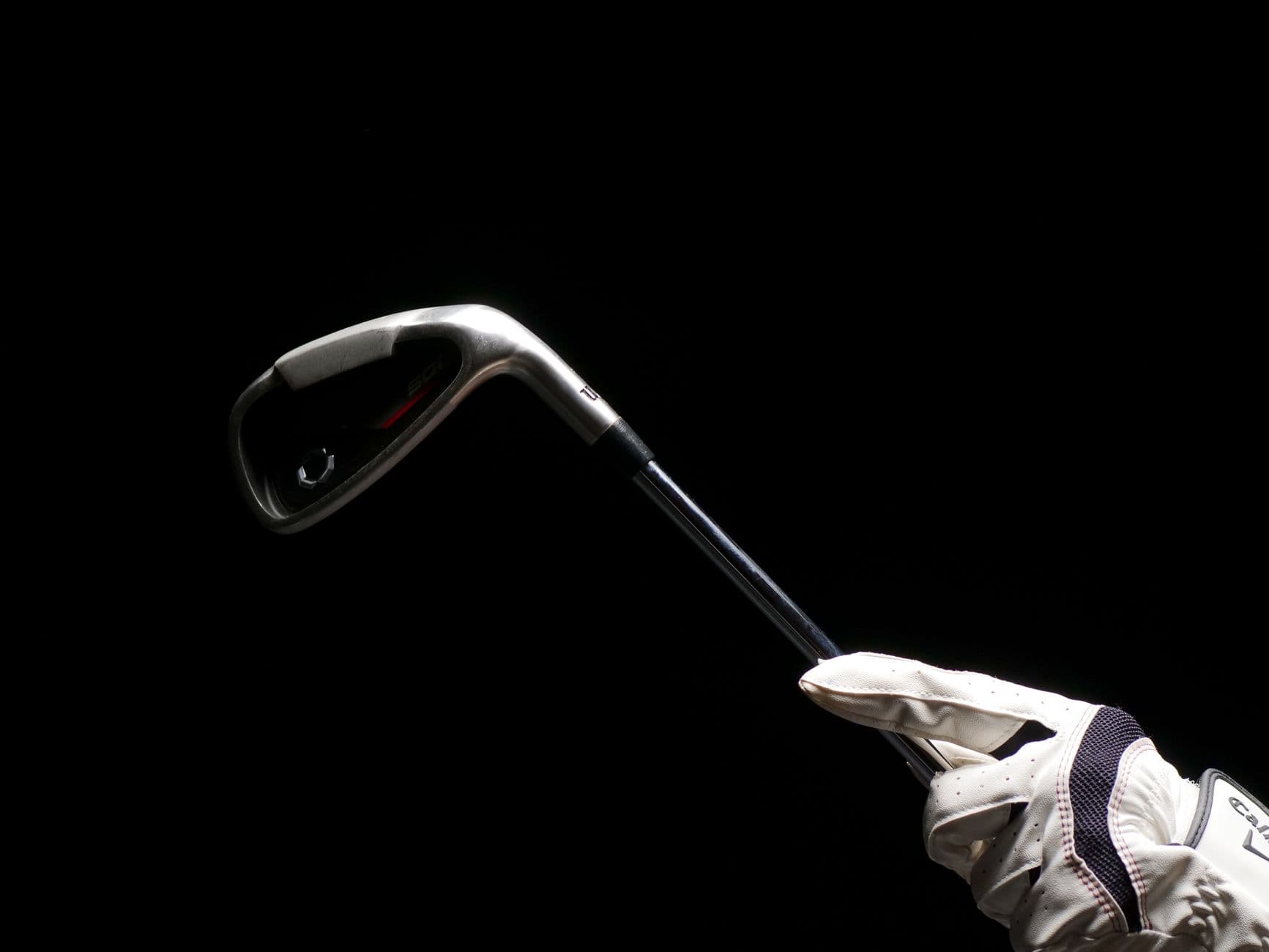
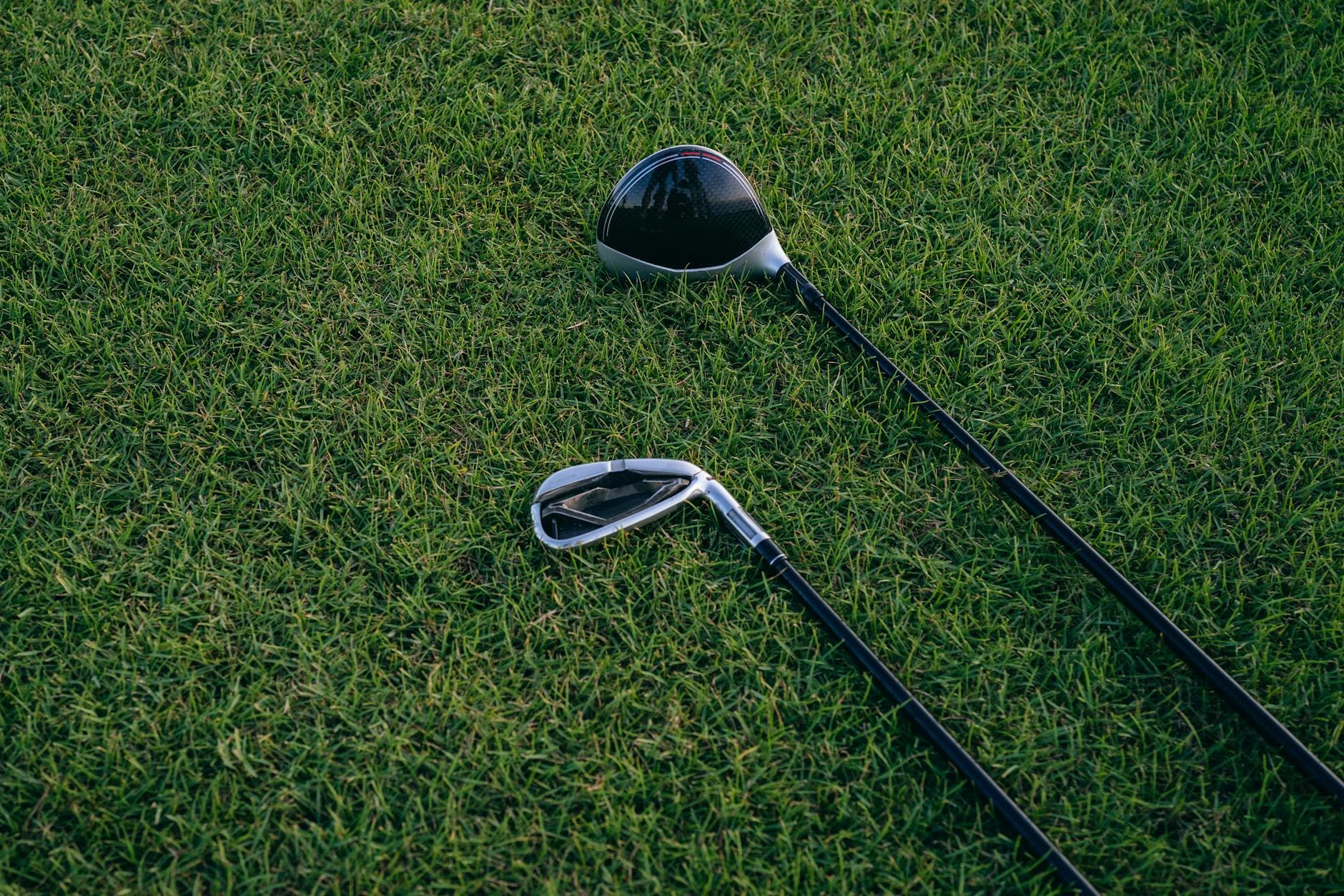
The golf shaft remains one of the most misunderstood yet critically important components in modern equipment. While golfers obsess over clubhead design and ball construction, the shaft serves as the engine that transfers energy from your body to the ball—and getting it wrong can cost you significant distance and accuracy.
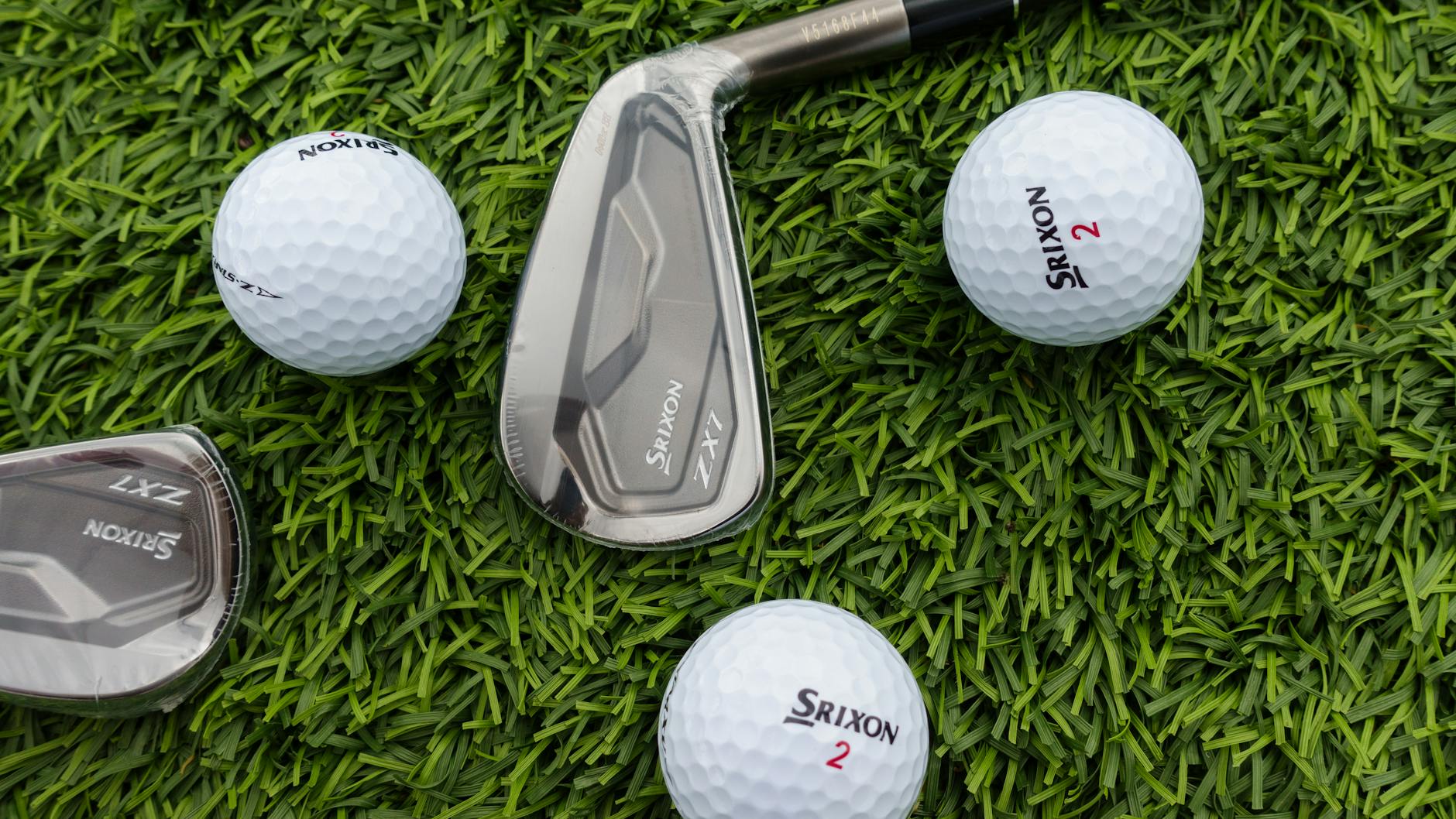
Tour professionals and club fitters have long understood that the shaft is where the magic happens. A properly fitted shaft can add yards to your drives, tighten dispersion patterns, and create the optimal launch conditions for your specific swing characteristics.
Yet many amateur golfers still play shafts that were chosen based on swing speed alone, missing the nuanced interplay between flex, kick point, torque, and weight that separates good ball flight from exceptional ball flight.
Understanding Shaft Flex Profiles
Shaft flex isn't a single measurement—it's a profile that describes how the shaft bends along its entire length during the swing. Two shafts labeled 'Stiff' can behave dramatically differently depending on where that stiffness is concentrated.
The tip section affects launch angle and spin rate directly. A softer tip promotes a higher launch with more spin, while a stiffer tip keeps the ball lower with reduced spin. The mid-section primarily influences feel and timing, while the butt section affects how the club loads during the transition.
- Tip-soft shafts: Higher launch, more spin, better for slower swing speeds or players who struggle to get the ball airborne
- Mid-kick shafts: Balanced launch and spin, versatile for a wide range of swing types
- Low-kick (tip-stiff) shafts: Lower, penetrating ball flight with reduced spin, ideal for high spin players or faster swing speeds
Torque: The Hidden Distance Variable
Torque measures how much the shaft resists twisting during the swing, expressed in degrees. Lower torque numbers indicate a shaft that resists twisting, while higher numbers suggest more rotational give.

This specification directly impacts face angle at impact. Players with aggressive transitions and fast hand action often benefit from lower torque shafts that keep the face more stable. Conversely, golfers with smooth tempos may find lower torque shafts too harsh and difficult to square.
The interaction between torque and swing path creates secondary effects on ball flight. A shaft that twists excessively during the downswing can open or close the face unpredictably, leading to inconsistent shot shapes regardless of how well you're swinging.
Weight Distribution and Swing Dynamics
Shaft weight affects far more than just the total weight of the club. The balance point—where mass is concentrated along the shaft's length—influences swing tempo, transition feel, and ultimately, clubhead speed.
Counter-balanced designs push weight toward the grip end, promoting a smoother tempo and helping players who get quick at the top. Tip-heavy designs concentrate mass near the clubhead, which can increase awareness of the clubhead position but may challenge players who struggle with timing.
The shaft doesn't hit the ball—but it determines everything about how the clubhead arrives at impact. Get the shaft wrong, and no amount of swing work will optimize your ball flight.
— Tour Equipment Analyst
Launch Monitor Metrics That Matter
Modern launch monitors have revolutionized shaft fitting by quantifying exactly how shaft changes affect ball flight. When testing different shaft options, focus on these key metrics beyond just ball speed and carry distance.
- Launch angle consistency: A properly fitted shaft produces repeatable launch angles shot after shot
- Spin rate variance: Look for tight clustering rather than wild fluctuations
- Club delivery metrics: Attack angle, face angle, and path should match your intentions
- Smash factor maintenance: The right shaft helps you deliver consistent strike quality
The goal isn't necessarily the highest numbers in any single category—it's the optimal combination of launch, spin, and consistency that produces maximum carry distance with acceptable dispersion.
The Material Evolution
Steel shafts dominated professional golf for decades, prized for their consistency and feel. Modern graphite technology has closed the gap dramatically, with multi-material constructions offering steel-like stability with graphite's weight savings.
Premium shaft manufacturers now use aerospace-grade materials and sophisticated fiber orientations to create profiles that were impossible just a decade ago. These advances allow fitters to dial in exact flex profiles matched to individual swing characteristics.
For players seeking to maximize energy transfer and consistency, pairing advanced shaft technology with high-density ball construction—like Attomax's amorphous metal core designs—creates a complete system optimized for distance and stability. The shaft delivers the energy; the ball converts it efficiently.
Practical Fitting Considerations
A comprehensive shaft fitting should include testing across multiple flex profiles, kick points, and weights—not just variations within a single line. Your ideal shaft may come from an unexpected combination that standard fitting matrices would never suggest.
Be wary of fitting systems that rely solely on swing speed to recommend flex. Two players with identical swing speeds but different tempos, transition patterns, and release characteristics may need vastly different shaft profiles to optimize their ball flight.
The investment in professional shaft fitting pays dividends throughout your equipment. Once you understand your optimal shaft profile, that knowledge transfers across drivers, fairway woods, and even irons—creating consistency throughout the bag that translates directly to lower scores.
Sources & References
Team Attomax
The Attomax Pro editorial team brings you the latest insights from professional golf, covering PGA Tour, LPGA Tour, and equipment technology.