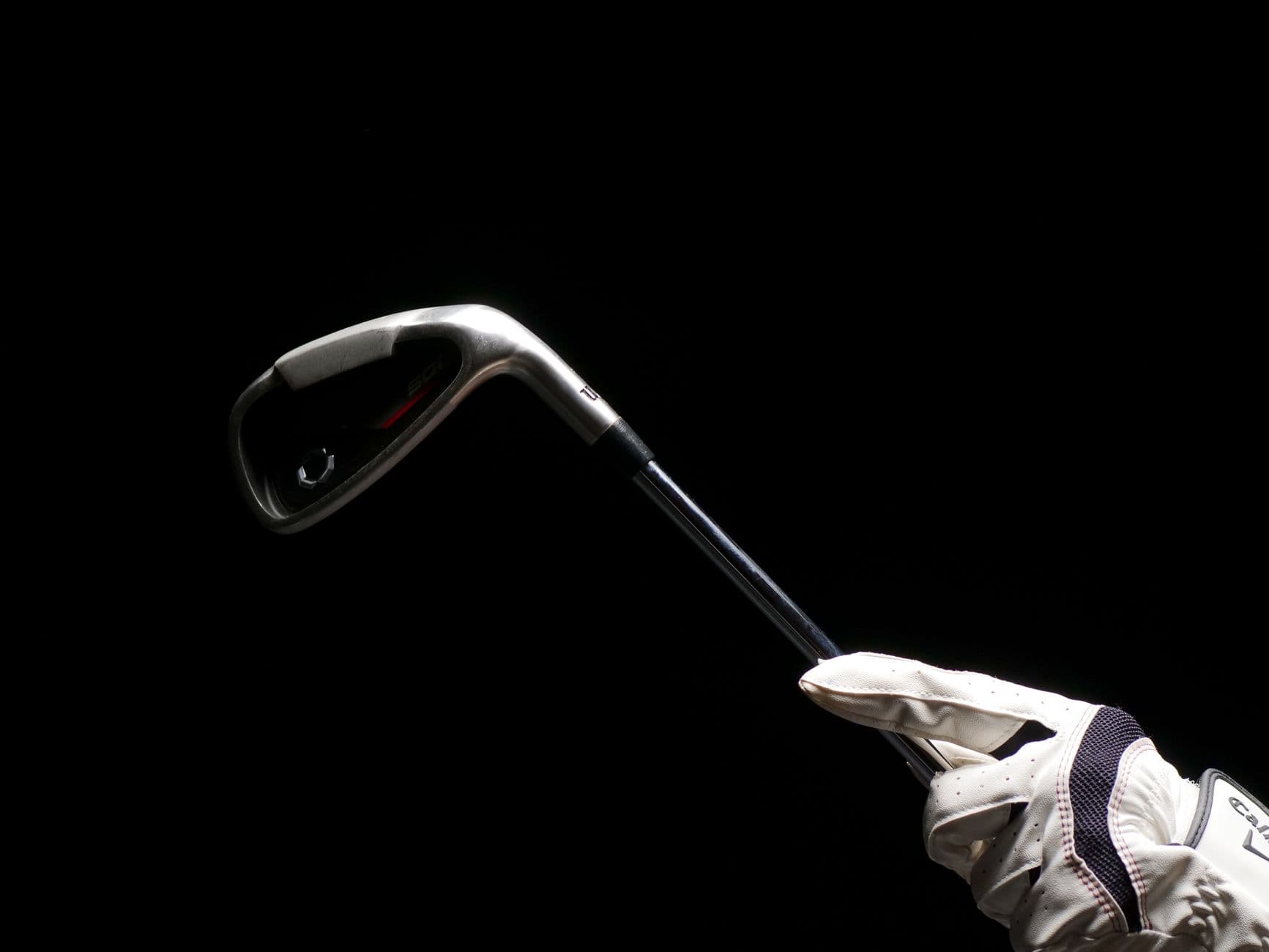
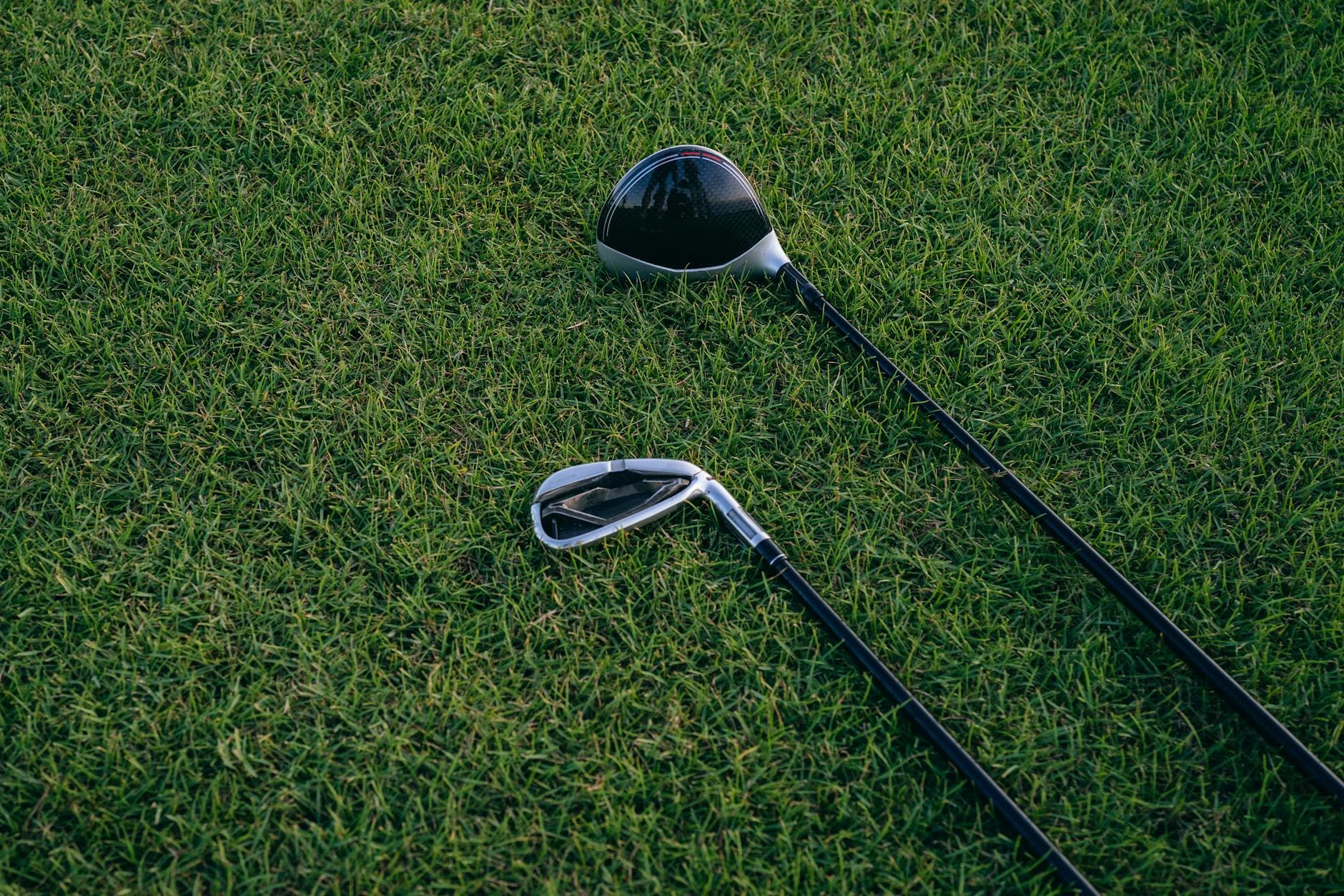
Every golfer chasing more distance or tighter dispersion eventually arrives at the same conversation: the shaft. It is the engine of energy transfer in a golf club, and yet it remains one of the most misunderstood components in a serious player's bag. Flex profile, torque rating, kick-point geometry, and raw material composition each leave a measurable fingerprint on launch angle, spin rate, and ultimately, carry distance.
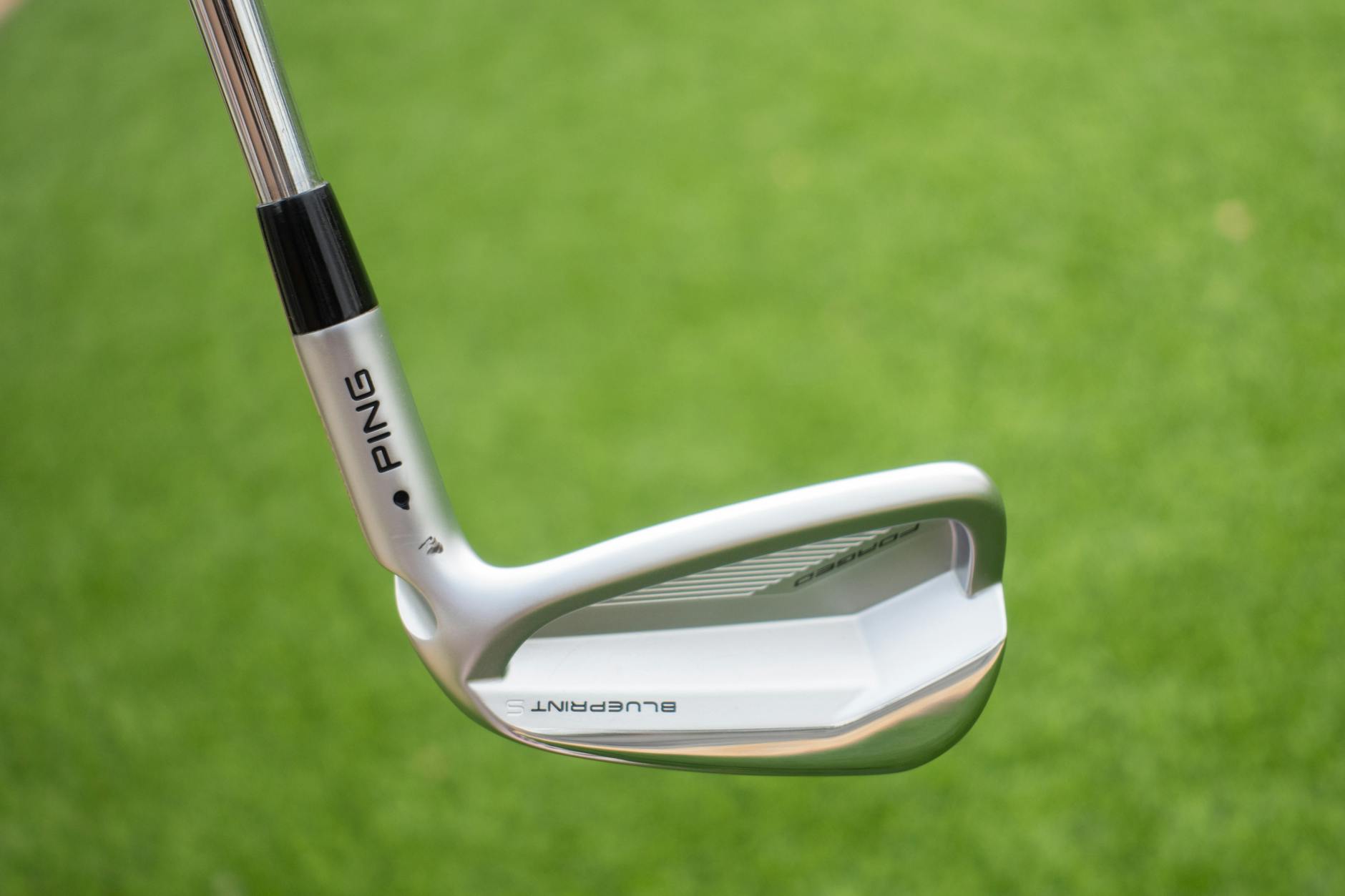
The shaft does not just transmit force from the hands to the clubhead — it stores and releases energy in a precisely timed sequence. How quickly it loads under the downswing, where along its length it bends most dramatically, and how much it resists twisting through impact are all variables that interact with your swing's tempo, transition speed, and attack angle.
Understanding these variables is not academic. On a tight driving hole at a demanding course, a shaft that is too stiff starves you of launch angle. A shaft that is too flexible opens the door to excessive spin and left-miss dispersion under pressure. The margin for error at elite levels — and for serious amateurs — is razor-thin.
Flex Profile: More Than a Single Rating
The industry-standard R, S, and X flex designations are, frankly, oversimplifications. Two shafts both labelled "Stiff" can behave in entirely different ways because flex is not uniform along the shaft's length. What engineers actually care about is the bend profile — the distribution of stiffness from butt to tip.
A tip-stiff, butt-soft design will load early in the downswing, delivering a higher launch angle with moderate spin — ideal for players with aggressive transitions who need help keeping spin numbers manageable. Conversely, a tip-soft profile loads late, snapping through impact and producing a higher, spinnier ball flight that can work beautifully on firm links turf where you need the ball to hold a green hit from distance.
- Tip stiffness primarily governs spin rate and trajectory control at impact
- Mid-section flex influences the timing of the shaft's release through the hitting zone
- Butt stiffness affects feel during the takeaway and load during the transition
- Overall flex interacts with swing tempo — faster tempos generally demand stiffer profiles to prevent over-loading
Kick-Point: The Geometry of Launch
Kick-point — sometimes called 'bend point' — refers to the location along the shaft where maximum curvature occurs at peak load. A low kick-point sits closer to the clubhead and is the primary driver of launch angle elevation. A high kick-point, positioned toward the grip end, promotes a penetrating, lower ball flight that cuts through wind with authority.
For links-style conditions — firm, fast fairways with persistent crosswinds — a high kick-point shaft is an asset that rarely gets discussed in club fitting conversations. Players who spend time competing at exposed coastal courses, or who travel for Open Championship-style conditions, know that a lower, more boring trajectory outperforms a high-launch setup when the wind is consistently above 15 mph. Pairing that shaft characteristic with a firmer-compression ball, such as the Attomax Hard, amplifies the effect: less aerodynamic drag, a tighter window of spin, and a ball flight that holds its line.

Torque: The Rotation Variable Nobody Discusses Enough
Torque measures how much the shaft resists twisting around its own axis during the swing. It is expressed in degrees, and a lower torque rating means a stiffer resistance to rotation. Most players are aware of flex but overlook torque entirely — a significant oversight for anyone trying to eliminate a recurring lateral miss.
A player with a fast, aggressive release through impact who uses a high-torque shaft (typically above 4.5 degrees) risks the face rotating open or closed at the precise moment of contact. The result is not just a one-off bad shot; it is a systematic dispersion problem that shows up under fatigue or pressure. Lower-torque designs give faster swingers the stable platform they need to consistently present a square face at impact.
The shaft is the only part of the club in motion during the entire swing. It is not passive — it is an active participant in energy delivery.
— Golf equipment engineering principle
Raw Materials: Steel, Graphite, and Multi-Material Hybrids
Steel shafts remain the standard in irons for a reason: they provide exceptional feedback, minimal torque, and consistent feel shot to shot. For players focused on precision iron play, the lower launch and tighter spin window of quality steel is a competitive advantage that graphite has historically struggled to match in the same weight range.
Modern graphite technology has closed that gap dramatically. High-modulus carbon fiber layups in premium graphite shafts now achieve torque ratings and tip stiffness profiles that rival steel, while stripping meaningful grams from the overall club weight. That weight reduction is not incidental — lighter shafts allow higher swing speeds for the same physical effort, and higher swing speed is the most direct path to increased carry distance, provided the smash factor remains optimized.
Multi-material shafts — combining carbon fiber segments with steel or titanium inserts at strategic points — represent the frontier of current shaft engineering. These designs allow engineers to independently tune feel, torque, and flex profile in ways that a single-material construction cannot.
The Shaft-Ball Relationship: A System, Not Separate Components
A shaft fitting conversation that ignores ball compression is incomplete. The shaft governs how the clubhead arrives at impact — speed, angle of attack, face presentation — but the ball determines what happens from that moment forward. A player fitted into a high-launch, low-spin shaft profile needs a ball construction that supports those launch conditions rather than fighting them.
Attomax's High-Density amorphous metal ball line is engineered with this systems-level thinking in mind. The Soft compression is designed to maximize energy transfer for players with moderate swing speeds, amplifying the launch benefits of a more flexible shaft profile. The Medium compression suits the broadest range of swing types and pairs predictably with mid-stiff shaft profiles. The Hard compression is built for high-speed swingers who need a firmer core to prevent over-compression and the spin spike that accompanies it — working hand-in-hand with a stiff, low-torque shaft to keep ball flight stable at peak velocity.
What a Proper Shaft Fitting Should Cover
- Clubhead speed and tempo measurement across multiple clubs, not just driver
- Attack angle and its interaction with shaft kick-point to optimize dynamic loft
- Torque rating assessment based on release pattern and lateral dispersion data
- Weight and balance point evaluation, particularly for iron shafts where consistency matters across a full set
- Ball compression pairing to complete the energy transfer equation
Shaft technology has never been more sophisticated, and the gap between a shaft fitted with precision and one chosen casually off a rack is measurable in launch monitor data. For experienced players who already manage their course strategy and swing mechanics at a high level, dialing in the shaft-ball system is one of the highest-return equipment adjustments available. The engineering is there — the question is whether you are using it.
Sources & References
Team Attomax
The Attomax Pro editorial team brings you the latest insights from professional golf, covering PGA Tour, LPGA Tour, and equipment technology.