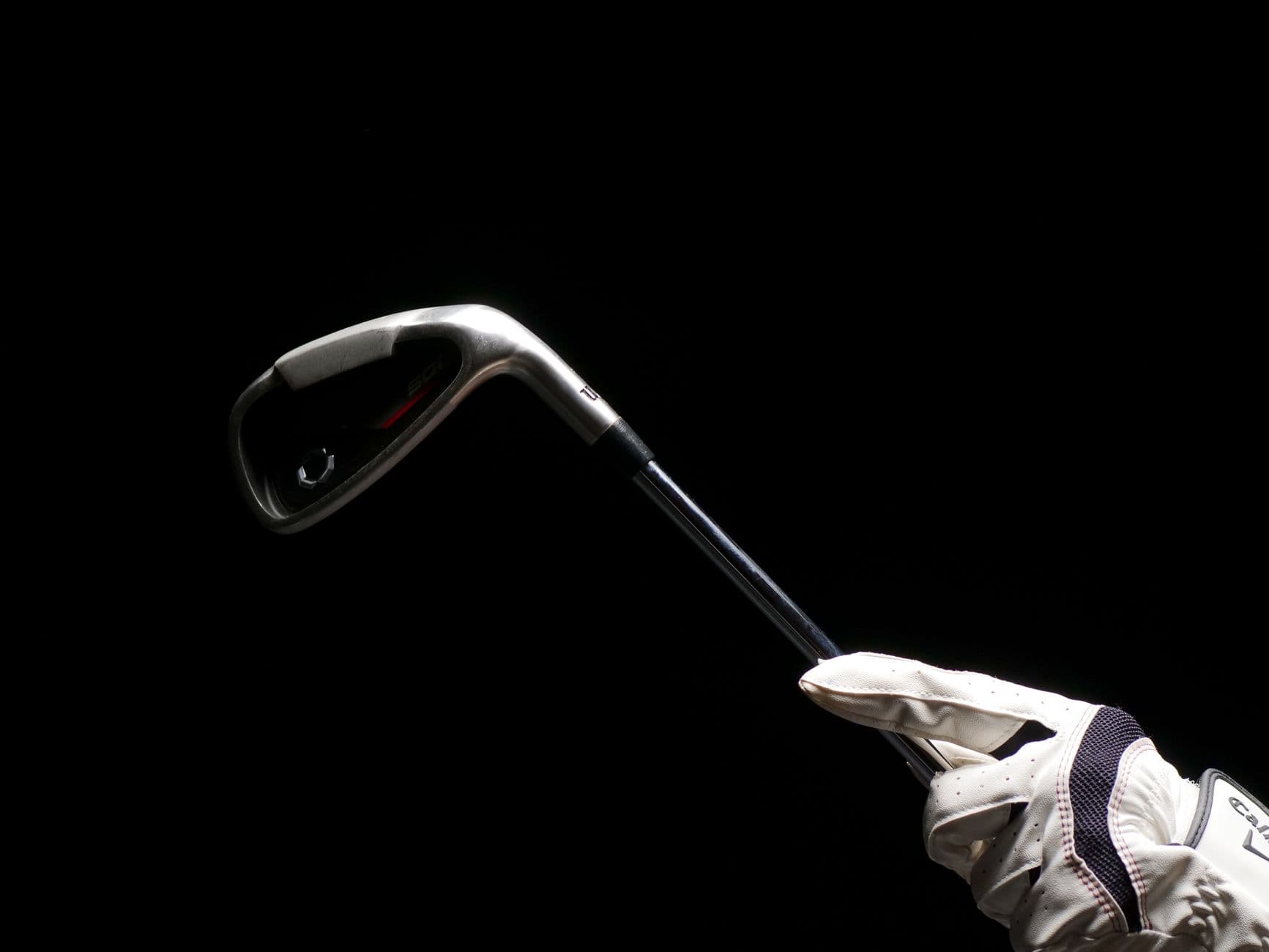
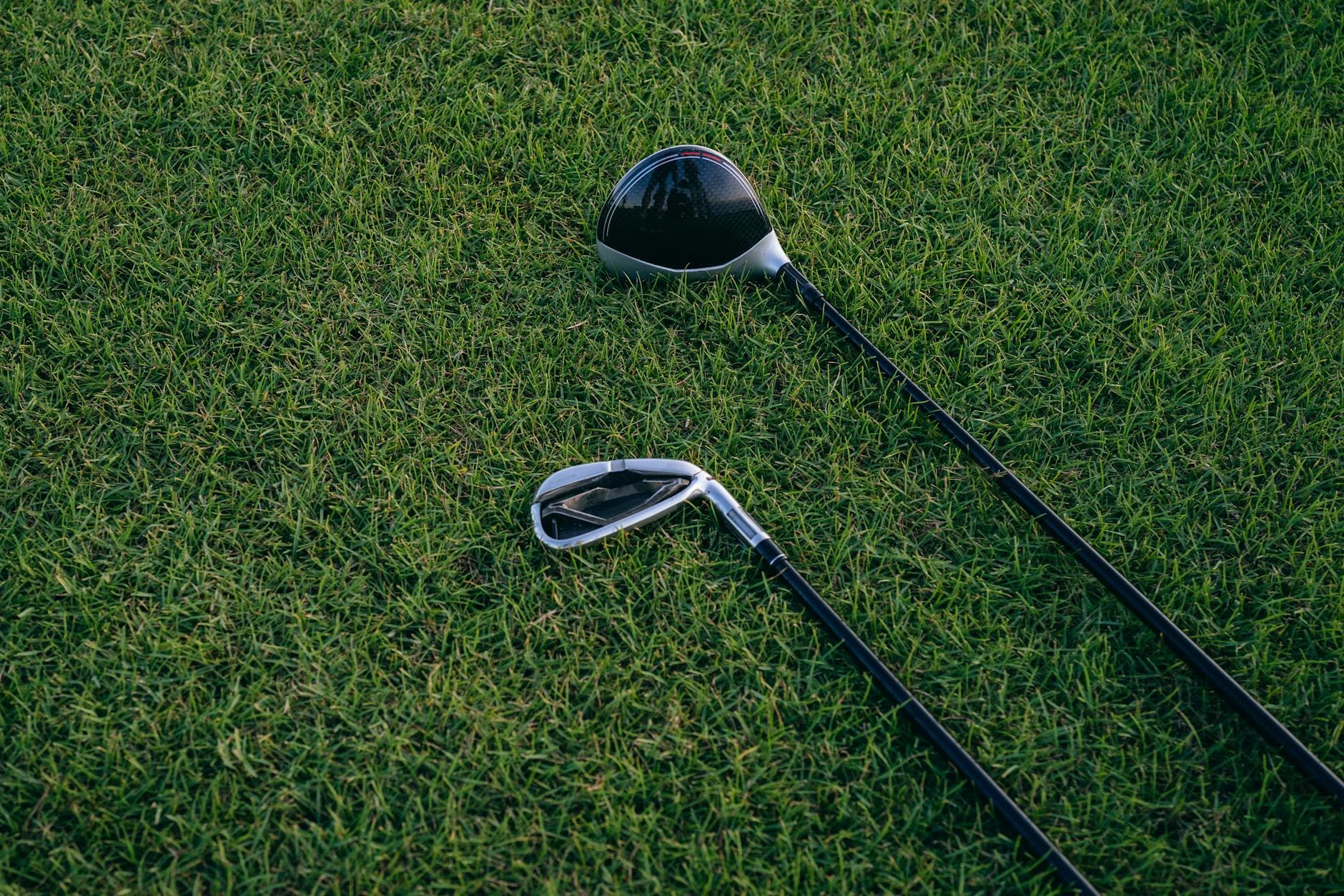
Ask most golfers what drives distance and they'll point to the clubhead. Ask a club fitter, a tour technician, or a biomechanist — and the conversation inevitably shifts to the shaft. The shaft is the engine of energy transfer in any golf swing, and understanding how its design variables translate into launch conditions is the difference between a competent bag setup and a genuinely optimized one.
Modern shaft engineering has advanced dramatically over the past decade, driven by materials science innovations in high-modulus carbon fiber, multi-material composites, and precision manufacturing tolerances. What was once a relatively blunt instrument — stiffer for faster swingers, softer for slower ones — has evolved into a nuanced performance system with dozens of design variables in play simultaneously.
For the serious golfer, the conversation begins with understanding those variables, how they interact with each other, and — critically — how they interact with the ball you're playing. Getting either element wrong compromises both.
The Core Variables: Flex, Kick Point & Torque
Shaft flex is the most widely discussed parameter, but it's also the most misunderstood. Flex ratings — R, S, X, and their gradations — are not standardized across manufacturers, meaning one company's Stiff profile may behave closer to another's Regular. The more meaningful metric is the shaft's actual bend profile: where along its length the shaft deflects most during the swing.
A low kick point (also called a low bend point) shifts the primary flex zone toward the hosel end of the shaft. This tends to produce a higher launch angle and increased dynamic loft at impact, beneficial for players needing to get the ball airborne more easily. A high kick point moves that flex zone toward the grip end, promoting a more penetrating, lower-trajectory ball flight — typically preferred by players with high swing speeds seeking to reduce ballooning and maximize carry efficiency in wind.
Torque — the shaft's resistance to twisting along its longitudinal axis — is the third critical variable. Lower torque shafts (often measured between 2.0° and 3.5° for tour-level options) resist face rotation through the hitting zone, delivering more consistent face angle at impact for aggressive transition players. Higher torque shafts can help players with slower tempos create more clubface rotation, which can add draw bias and workable shot shape.
- Flex Profile: Determines overall stiffness relative to swing speed and tempo
- Kick Point: Controls primary launch angle by positioning the shaft's flex zone
- Torque Rating: Governs face rotation and shot shape consistency at impact
- Weight: Heavier shafts generally increase control; lighter shafts can promote swing speed
- Tip Stiffness: Affects spin rate — stiffer tips reduce spin, softer tips increase it
Tip Stiffness and Its Direct Impact on Spin
Arguably the most underappreciated shaft variable in amateur fitting conversations is tip stiffness — the rigidity of the shaft in its lower 4 to 6 inches nearest the clubhead. Tip stiffness has a direct and measurable influence on dynamic loft and spin rate at impact, independent of overall shaft flex classification.
A shaft with a softer tip section will deflect more aggressively through the downswing, effectively adding dynamic loft and increasing spin rate. For a player already generating high spin numbers off the driver, this can result in a high-and-weak ball flight that sacrifices significant carry distance. Conversely, a stiffer tip profile keeps dynamic loft more controlled, reduces spin, and produces the penetrating trajectory associated with tour-caliber tee shots.

This is why ball selection cannot be separated from shaft selection in a proper fitting. A high-compression golf ball paired with a tip-stiff shaft can produce dangerously low spin in cooler conditions, while a low-compression ball with a soft-tip shaft can balloon at altitude. The system must be evaluated as a whole.
Shaft Weight: The Speed-Control Tradeoff
Shaft weight operates on a fundamental tradeoff between swing speed potential and control. Lighter shafts — those in the 40g to 55g range common in driver fittings — allow players to generate higher clubhead speeds, but they introduce the risk of timing inconsistencies, particularly for players with aggressive transitions or early releases. Heavier shafts, typically 65g to 80g or beyond in iron applications, provide more feedback and stability but can fatigue the hands and arms over an 18-hole round.
Tour professionals have increasingly gravitated toward counterbalanced shaft designs — heavier grip sections combined with lighter overall shaft weights — to maintain swing speed while improving stability during high-pressure competitive rounds. This technology, once reserved for putter shafts, has migrated into iron and driver applications with measurable effect on dispersion and consistency.
Matching Shaft Profile to Ball Compression
This is where the technical conversation becomes most actionable. A shaft's launch and spin characteristics are only fully realized when paired with a ball whose compression rating and cover design complement them. A stiffer shaft with a lower kick point — designed for a penetrating draw in a crosswind — needs a ball with sufficient firmness to maintain its trajectory without excessive aerodynamic lift. Playing a soft, low-compression ball in this scenario results in unpredictable spin interaction and compromised carry distance.
Attomax's High-Density ball lineup — available in Soft, Medium, and Hard compression profiles — was engineered with this systems thinking in mind. The Hard variant, for instance, is designed for players with higher swing speeds and stiffer shaft profiles, where the ball's compression threshold aligns with the energy delivery characteristics of a low-torque, high-kick-point shaft. The Medium variant offers the broadest compatibility window across shaft types, making it particularly useful during fitting trials when shaft selection is still being finalized. Getting the shaft-to-ball pairing right is not a finishing touch — it is foundational to the performance equation.
The shaft is the golfer's interface with the clubhead. Everything the swing intends to communicate to the ball passes through it. Get that interface wrong, and no amount of talent compensates.
— Club Fitting Industry Principle
Practical Application: When to Rethink Your Shaft
The most common indicator that a shaft profile is working against rather than for a player is trajectory inconsistency at the same swing speed. If your 7-iron launches at wildly different heights under similar conditions, the issue is rarely the swing — it is almost always energy transfer through the shaft. Specifically, tip section inconsistency (a symptom of shaft aging or lower manufacturing tolerances) is the leading cause of mid-iron dispersion problems in experienced players who should, on paper, be more consistent.
The second signal is a persistent weak fade or block under pressure. High-tempo, aggressive transitioners often over-torque shafts that aren't stiff enough in the mid-section, leading to an open face at impact. Moving to a lower-torque, stiffer mid-section profile typically resolves this pattern more reliably than swing instruction adjustments alone.
Modern launch monitors — now accessible at virtually every quality club fitting facility — have made shaft optimization a data-driven science rather than an intuitive art. The metrics to watch are dynamic loft, attack angle, spin axis tilt, and smash factor. A properly matched shaft should raise your smash factor toward the maximum permissible limit while keeping spin axis tilt within a workable range for your intended shot shape. Anything short of that standard suggests there is performance being left on the table — performance that begins, and ends, with what connects your hands to the clubhead.
Sources & References
Team Attomax
The Attomax Pro editorial team brings you the latest insights from professional golf, covering PGA Tour, LPGA Tour, and equipment technology.