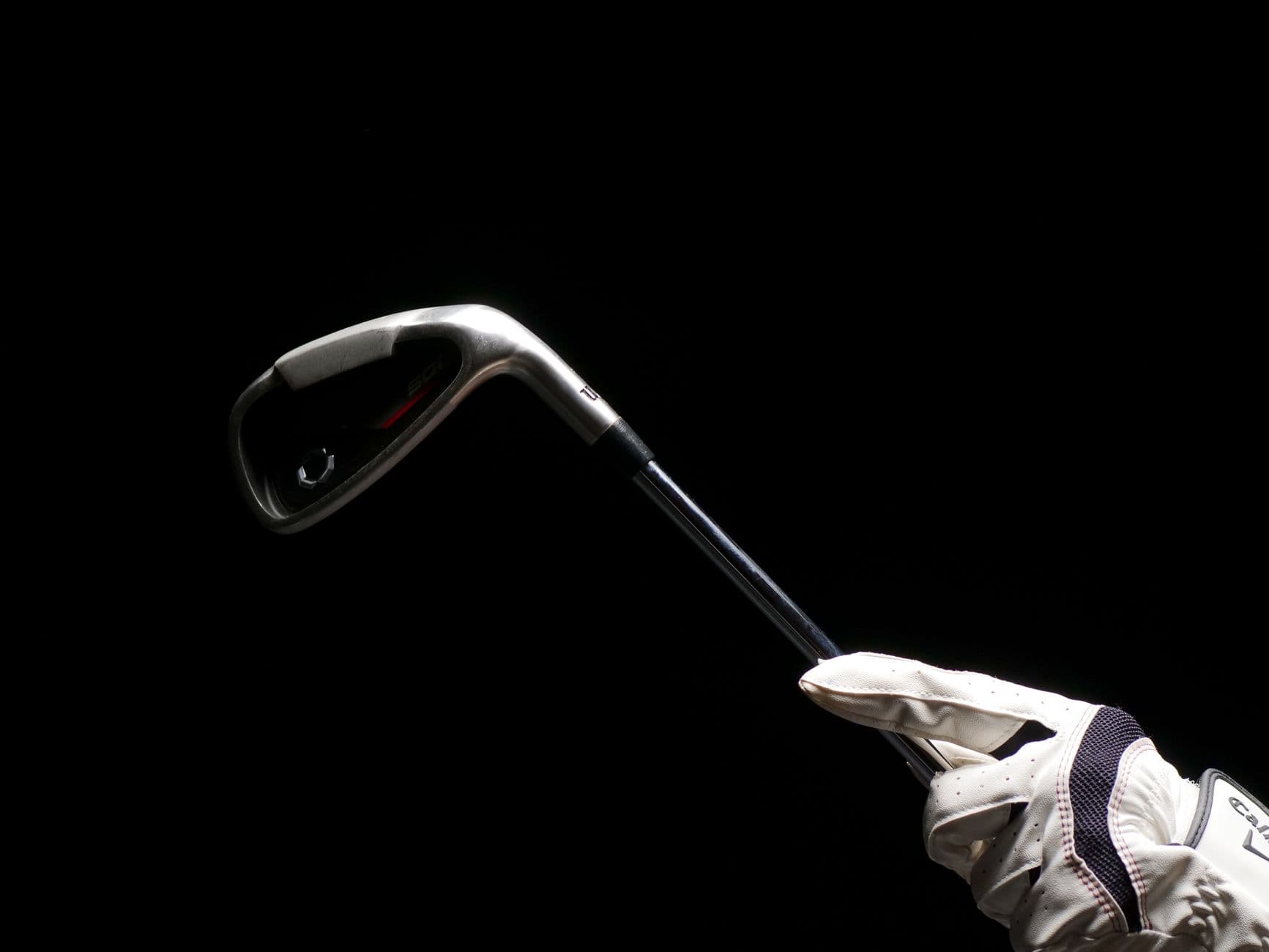
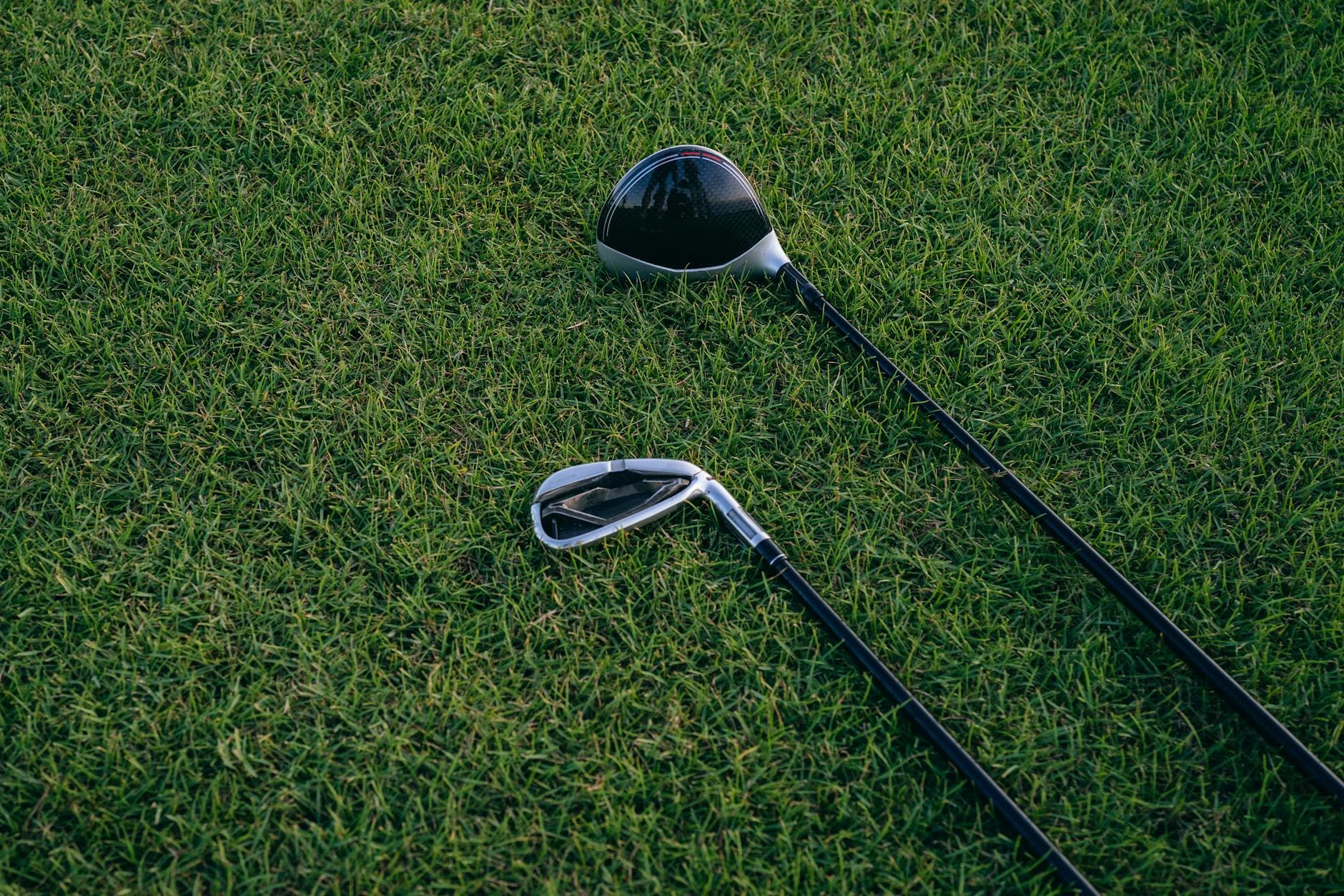
Custom fitting in 2026 is no longer a one-hour session with a launch monitor and a bin of demo shafts. It has become a rigorous, data-intensive process that rivals the fitting protocols used by tour caddies and performance coaches on the PGA and DP World Tours. For the serious amateur and competitive club player, the gap between 'off the shelf' and 'fitted to spec' has never been wider — or more consequential.
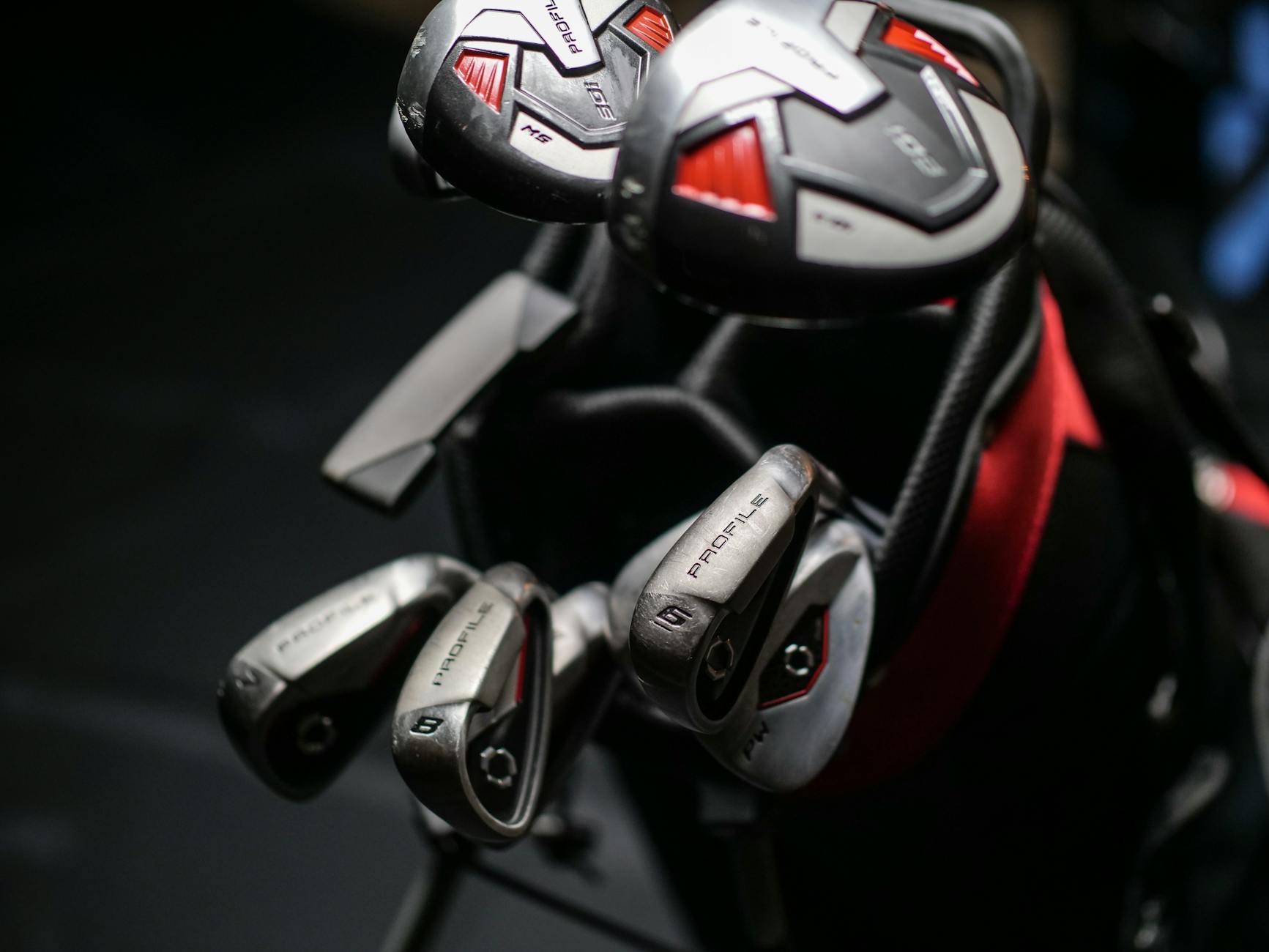
The shift has been building for years, but several converging forces have accelerated it dramatically: wider availability of high-fidelity launch monitor technology, a more educated consumer base, and a professional tour culture that openly discusses shaft weights, ball compression windows, and dynamic loft with the same vocabulary once reserved for equipment manufacturers' R&D teams.
What's changed most isn't the hardware — it's the philosophy. The best fitting studios today begin with ball flight data and work backwards to equipment, rather than starting with a brand catalog and working forward. That inversion is consequential.
The Shift from Static to Dynamic Fitting
Traditional fitting relied heavily on static measurements: wrist-to-floor distance, hand size, and a few swings on a mat. Modern fitting environments capture dynamic data throughout the entire swing sequence — entry angle, shaft deflection at impact, face angle variance across a sample of strikes, and post-impact ball behavior at multiple carry distances.
This distinction matters enormously for iron and shaft fitting. A golfer who measures into a 'stiff' flex on a static chart may, through dynamic analysis, reveal a late release pattern that loads the shaft differently than an early extender with identical clubhead speed. Two players with identical numbers on paper can require fundamentally different equipment solutions.
- Dynamic loft and attack angle measured across 10+ recorded swings, not a single benchmark hit
- Face-to-path variance mapped across the entire strike zone, not just centered hits
- Shaft kick point profiling under on-course tempo, not range swing tempo
- Ball speed consistency as a key metric, rewarding repeatable contact over peak numbers
- Wedge gapping verified through actual carry distances, not calculated estimates
Ball Fitting: The Most Undervalued Variable
Among serious golfers, ball fitting remains the most chronically undervalued component of a complete fitting session. Most players choose a golf ball based on price tier, brand loyalty, or what they played in a best round — not compression window compatibility, spin layer responsiveness, or how the ball behaves in crosswind conditions.
This is a meaningful performance gap. A ball that is too soft for a player's driver swing speed will sacrifice carry distance and exaggerate spin off irons in ways that no shaft adjustment can correct. Conversely, a ball that is too firm for a mid-handicapper's wedge game will reduce short-game feel and greenside spin control — the two areas where scoring really happens.

This is where the compression tiering behind Attomax's High-Density ball lineup — Soft, Medium, and Hard — reflects genuinely sound fitting logic. Rather than forcing every player into a single performance ball, a tiered compression system allows fitters to match ball construction to actual swing dynamics. A high-swing-speed iron player who demands penetrating trajectory and firm wedge feedback belongs in a different compression category than a smooth-tempo player prioritizing feel around the greens — and fitting data should drive that conversation.
Shaft Fitting: Where the Gains Are Largest
Among the equipment variables available to a fitter, shaft selection consistently produces the largest measurable performance variance in a fitting session. Weight, flex profile, torque rating, and tip stiffness interact in ways that affect launch angle, spin rate, and dispersion simultaneously — a combination that no head adjustment alone can replicate.
The most common shaft fitting error among self-fitted golfers is gaming a shaft that is too light and too high-torque, chasing raw clubhead speed without accounting for dispersion cost. A shaft that adds five miles per hour to peak driver speed while opening the face variance by 15 feet in either direction is a net negative on any real golf course. The best fitters weight consistency above peak output.
The number I care about first is dispersion width. Speed comes second. There's no upside in extra yards if I can't put two fairways together.
— Senior Tour Fitter, PGA Fitting Summit
For players who regularly compete on links-style or wind-exposed layouts, shaft weight and tip stiffness become even more critical variables. A heavier, tighter-tipped shaft profile reduces ballooning under headwind pressure — a real scoring benefit that no amount of swing adjustment will replicate with an ill-fitted shaft. Attomax's shaft lineup is engineered with this kind of condition-specific performance in mind, making it a natural conversation point in any serious fitting session.
Technology Democratization and the Club Fitter's Role
Access to professional-grade launch monitor technology has expanded significantly, and this democratization has raised consumer expectations across the board. Players arrive at fitting sessions with their own Trackman or Garmin data, their FlightScope history, and sometimes a spreadsheet of their dispersion tendencies from the previous three range sessions. Fitters who cannot engage with this level of data fluency are increasingly left behind.
This is actually a healthy development for the industry. A more educated consumer pushes fitters to deliver real value beyond the launch monitor readout — contextualizing data, identifying patterns across sample sizes, and translating numbers into on-course scoring improvement. The fitters who thrive are those who function as performance consultants, not just equipment advisors.
What a Complete Fitting Session Should Cover in 2026
- Full bag audit: current gapping analysis from driver through lob wedge
- Ball fitting first: establish the correct compression and spin profile before any club work
- Driver: optimize loft, face angle, shaft weight and flex for both speed and dispersion
- Irons: dynamic loft, shaft weight, and lie angle across multiple clubs in the set
- Wedges: bounce and grind selection matched to typical course conditions and turf type
- Putter: length, loft, lie, and face balance style verified on a putting green, not a mat
- Post-session data report: a documented baseline for future comparison
The Tour Effect: When Professionals Model Best Practices
Professional tour culture has normalized a level of equipment scrutiny that filters down to serious amateurs. When tour players publicly discuss switching shaft profiles mid-season, or changing ball compression to suit altitude conditions at specific events, it signals to the broader golf audience that equipment optimization is an ongoing process — not a one-time purchase decision.
The smartest competitive amateurs are adopting the same mindset: treating their equipment setup as a living document that gets reviewed when their swing evolves, when course conditions change seasonally, or when their performance data reveals a new pattern. A fitting from three years ago is not a fitting for today's game.
Custom fitting in 2026 rewards patience, data literacy, and a willingness to prioritize performance evidence over brand habit. The players who invest in a rigorous, complete fitting process — ball included — are playing a fundamentally different game from those who are still pulling clubs off the rack. The gap is measurable, and it shows on the scorecard.
Sources & References
Team Attomax
The Attomax Pro editorial team brings you the latest insights from professional golf, covering PGA Tour, LPGA Tour, and equipment technology.