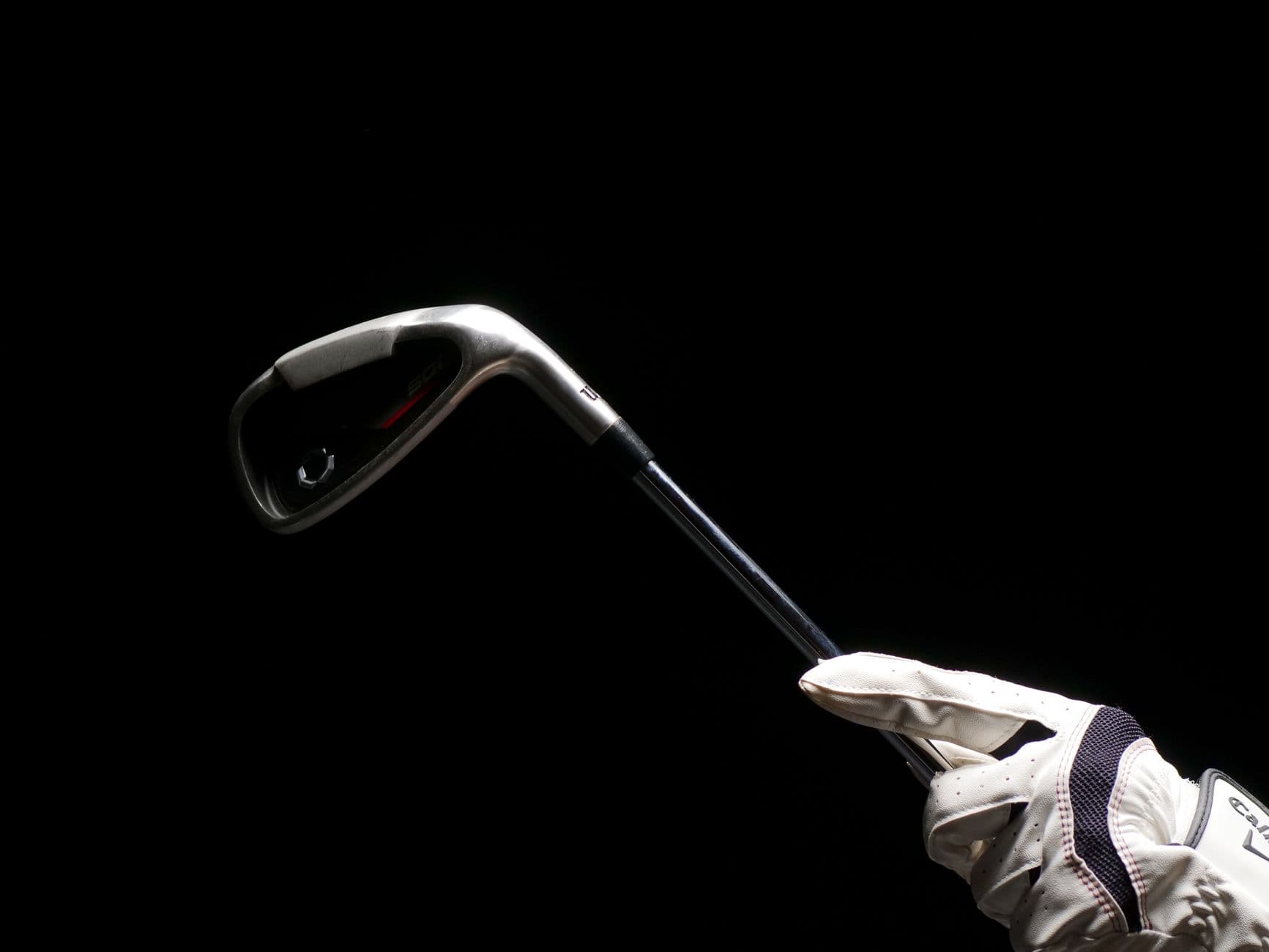
Every golfer obsesses over clubheads and ball technology, yet the shaft—that critical connector between your hands and the point of impact—remains the most misunderstood component in the bag. Modern shaft engineering has evolved dramatically, with manufacturers leveraging aerospace materials and computer-aided design to create profiles that can genuinely transform your ball flight characteristics.

The shaft is your swing's transmission system. It stores and releases energy, influences timing, and ultimately determines the clubhead's position and speed at impact. Understanding these dynamics separates equipment-savvy players from those leaving yards on the table.
Flex: Beyond the Simple Letter Rating
Shaft flex is commonly reduced to letters—L, A, R, S, X—but this oversimplification masks the complexity beneath. Two shafts labeled "stiff" from different manufacturers can behave entirely differently due to variations in flex profile, the distribution of stiffness along the shaft's length.
When you load the shaft during the downswing, a more flexible profile stores more energy. However, this only translates to speed if the shaft unloads at precisely the right moment. A shaft that's too soft for your swing speed will release early, resulting in higher dynamic loft and increased spin—the distance killer for faster swingers.
Conversely, a shaft that's overly stiff for your tempo won't load adequately. You'll struggle to square the face consistently, often producing weak fades and launch conditions that fail to optimize your carry distance.
Kick Point: The Launch Angle Controller
Kick point, or bend point, describes where the shaft flexes most during the swing. This characteristic profoundly influences launch angle independent of clubhead loft.
- Low kick point: Shaft bends closer to the clubhead, promoting higher launch angles and increased spin. Ideal for players with slower swing speeds seeking maximum carry.
- Mid kick point: Balanced performance offering moderate launch with controlled spin. Suits a wide range of swing speeds and attack angles.
- High kick point: Bend occurs closer to the grip, producing a lower, more penetrating ball flight with reduced spin. Preferred by faster swingers who generate sufficient launch naturally.
The interplay between kick point and your natural attack angle determines optimal matching. A player with a steep downswing might benefit from a lower kick point to counteract their tendency toward low launch, while a sweeper with an ascending blow might need the opposite.

Torque: The Forgotten Variable
Torque measures the shaft's resistance to twisting during the swing, expressed in degrees. Lower torque ratings indicate greater resistance to rotational forces, which directly affects face angle at impact.
High-torque shafts can exacerbate timing issues, particularly for players with aggressive transitions. The clubface may remain open or closed relative to the intended position at impact, producing directional inconsistency. Modern tour-level shafts typically feature torque ratings between 2.5 and 4 degrees, while game-improvement options range higher.
However, some torque proves beneficial. Extremely low-torque shafts can feel harsh and unresponsive, particularly for players with smooth tempos who rely on shaft feedback during the swing.
Weight Considerations and Swing Speed
Shaft weight influences club total weight, swing weight, and ultimately, the speed you can generate consistently. Lighter shafts theoretically enable faster swings, but the relationship isn't linear.
Many players find that going too light disrupts their tempo and sequencing. The "right" weight maintains your natural rhythm while allowing efficient energy transfer. Tour professionals often play shafts between 60 and 75 grams in drivers, while many amateurs benefit from weights between 50 and 65 grams.
The shaft is the engine of the golf club. You can have the most advanced clubhead in the world, but if it's attached to the wrong shaft, you're fighting physics every swing.
— Industry Equipment Analyst
Material Science: Steel, Graphite, and Beyond
Graphite dominates modern wood and hybrid shafts due to its superior strength-to-weight ratio. Engineers layer carbon fiber sheets with varying orientations and resin systems to achieve specific performance characteristics. Premium shafts use higher-modulus carbon fibers that maintain stiffness with less material, enabling more precise profile tuning.
Steel remains prevalent in irons for many players due to its consistency and lower torque characteristics. However, lightweight steel and graphite iron shafts have gained significant acceptance, particularly among players seeking joint-friendly options without sacrificing feel and feedback.
At Attomax Pro, our shaft development focuses on optimizing energy transfer throughout the swing cycle. Combined with our high-density amorphous metal ball technology, the right shaft pairing can unlock meaningful distance gains through improved launch conditions and reduced spin variation.
Practical Fitting Considerations
Launch monitor data has revolutionized shaft fitting. Key metrics to evaluate during a fitting session include launch angle, spin rate, ball speed, and dispersion patterns. The goal isn't simply maximum distance on one swing—it's optimizing your average while minimizing penalty dispersion.
- Establish baseline numbers with your current equipment under consistent conditions.
- Test multiple shaft profiles while maintaining identical clubhead specifications.
- Evaluate not just peak performance but consistency across multiple swings.
- Consider how different conditions—particularly wind—affect each shaft's performance profile.
- Factor in feel and confidence, as technical optimization means little if you can't commit to swings.
A thorough fitting might reveal that a shaft producing slightly lower peak ball speed delivers better overall results through improved consistency and a more playable trajectory in varied conditions.
The Distance Equation
Distance optimization requires balancing ball speed, launch angle, and spin rate. The shaft influences all three. Higher ball speed comes from efficient energy transfer and proper timing. Launch angle relates to dynamic loft, affected by shaft flex and kick point. Spin rate connects to vertical gear effect, influenced by strike location and face angle—both shaft-dependent variables.
For most amateur golfers, the path to added distance lies not in swinging harder but in optimizing these launch conditions. The right shaft enables you to achieve tour-quality launch parameters relative to your swing speed, maximizing the distance your speed should produce.
Investing time in understanding shaft technology and pursuing proper fitting pays dividends far exceeding most equipment purchases. In a game measured in single yards, the shaft represents your most significant opportunity for meaningful improvement.
Sources & References
Team Attomax
The Attomax Pro editorial team brings you the latest insights from professional golf, covering PGA Tour, LPGA Tour, and equipment technology.