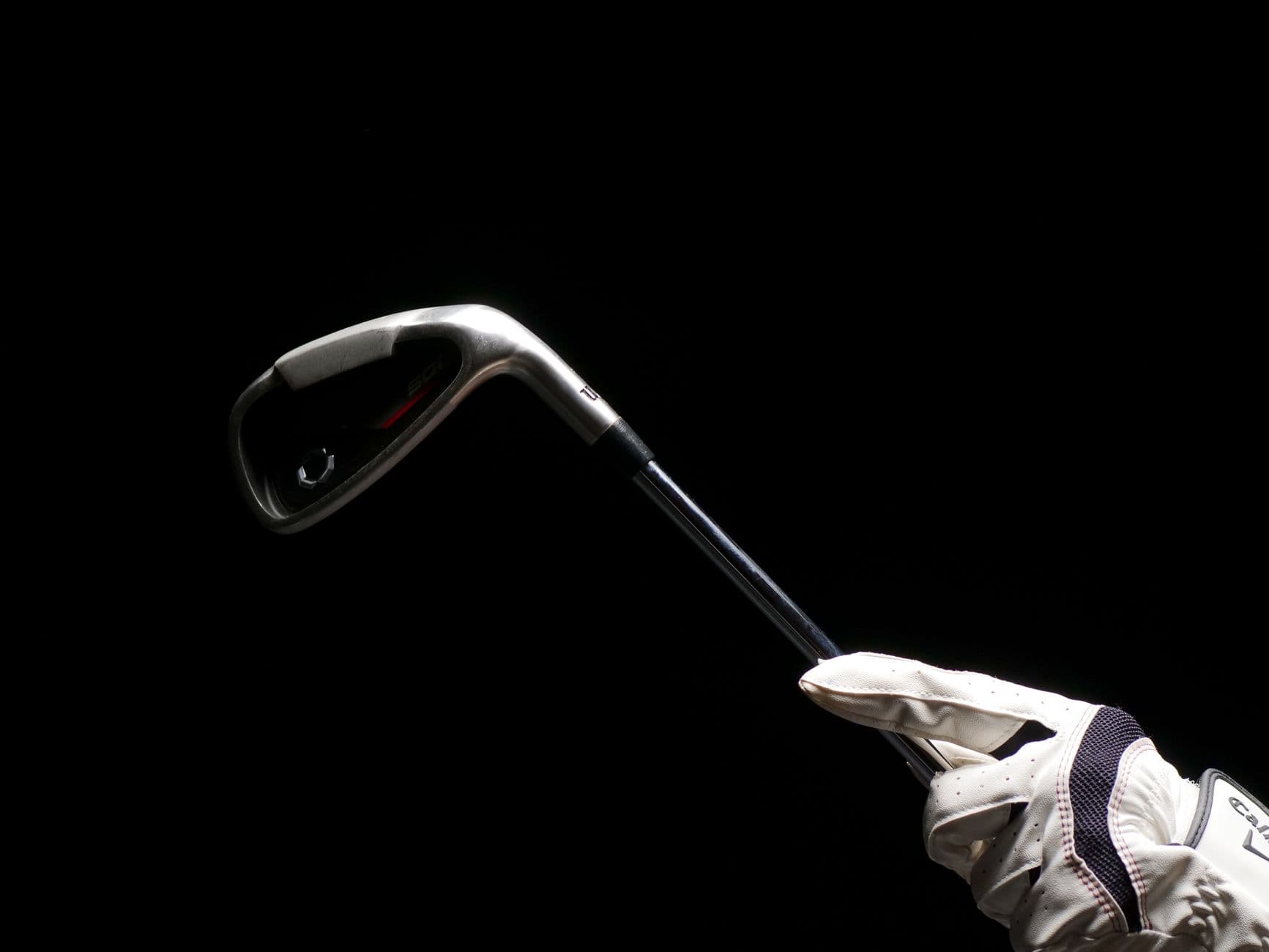
The golf shaft remains the most misunderstood component in the bag, yet arguably the most influential in determining ball flight characteristics and overall distance. While clubhead design and ball construction dominate marketing conversations, seasoned players recognize that the shaft serves as the engine's transmission—translating swing energy into optimized launch conditions.

Modern shaft engineering has evolved dramatically, incorporating aerospace materials and computational design processes that would have seemed impossible just two decades ago. Understanding these advancements isn't merely academic; it's essential knowledge for any player serious about optimizing their equipment configuration.
The Physics of Energy Transfer
Every golf swing generates energy that must travel from your hands, through the shaft, and into the clubhead at the precise moment of impact. The shaft's ability to store and release this energy—known as the loading and unloading cycle—directly influences both clubhead speed and the quality of contact.
When a shaft loads during the downswing, it bends backward, storing potential energy. As the club approaches impact, this energy releases, effectively adding velocity to the clubhead beyond what the golfer's physical effort alone could produce. The timing and efficiency of this release mechanism separates mediocre equipment from exceptional performance.
Shaft flex ratings—typically categorized as Ladies, Senior, Regular, Stiff, and Extra Stiff—provide only a crude approximation of this behavior. Two shafts labeled 'stiff' from different manufacturers may exhibit vastly different loading characteristics, which explains why fitting sessions remain essential rather than optional.
Kick Point and Launch Angle Manipulation
The kick point, or bend point, describes where the shaft experiences maximum deflection during the swing. This single variable exerts tremendous influence over launch angle, a critical factor in optimizing distance for your specific swing speed.
- Low kick point shafts promote higher launch angles, beneficial for players with slower swing speeds seeking additional carry distance
- Mid kick point designs offer balanced performance, suitable for a wide range of swing profiles
- High kick point shafts produce lower, more penetrating ball flights, preferred by faster swingers who generate sufficient launch through other means
The relationship between kick point and launch isn't isolated—it interacts with loft, attack angle, and impact location to produce the final trajectory. A high kick point shaft paired with a lower-lofted driver might produce optimal results for one player while creating insufficient launch for another.
Torque: The Hidden Variable
While flex and kick point receive considerable attention, torque often flies under the radar despite its significant influence on accuracy and shot shape. Torque measures the shaft's resistance to twisting along its axis, expressed in degrees.

Lower torque shafts resist twisting more effectively, providing tighter shot dispersion but requiring faster swing speeds to load properly. Higher torque designs twist more readily, which can help slower swingers square the face but may introduce inconsistency for players generating substantial clubhead speed.
The shaft is the only connection between you and the ball. Everything else is secondary to that interface.
— Golf Equipment Industry Expert
Most tour-level shafts feature torque values between 2.5 and 3.5 degrees, while recreational player options may range from 3.5 to 6 degrees or higher. Finding your optimal torque specification requires understanding your typical miss pattern and swing tendencies.
Material Evolution: Steel to Carbon Fiber and Beyond
Steel shafts dominated golf for decades, offering consistent performance and durability at reasonable cost. The introduction of graphite changed everything, enabling lighter overall weight while maintaining—and eventually exceeding—the performance characteristics of steel.
Contemporary carbon fiber shafts utilize multi-directional layup patterns, strategically placing fibers at specific angles to achieve precise flex and torque profiles. This manufacturing sophistication allows engineers to create shafts optimized for specific swing types rather than one-size-fits-all designs.
- Weight reduction enables faster swing speeds without sacrificing control
- Strategic fiber placement allows independent tuning of flex, torque, and kick point
- Advanced materials maintain stability across temperature and humidity variations
- Consistent manufacturing tolerances ensure batch-to-batch reliability
The Weight Factor
Shaft weight affects swing speed potential directly—lighter shafts theoretically allow faster swings. However, this relationship isn't linear. Many players find that excessively light shafts compromise their tempo and timing, ultimately reducing rather than increasing distance.
Finding the optimal weight requires balancing swing speed gains against control and consistency. Most players benefit from the heaviest shaft they can swing at their maximum comfortable speed, as the additional mass provides stability through impact.
Practical Fitting Considerations
The proliferation of launch monitor technology has transformed shaft fitting from an art into a science. Metrics like spin rate, launch angle, and ball speed provide objective data points for comparing shaft options and identifying optimal configurations.
When evaluating shafts, focus on total distance optimization rather than isolated metrics. A shaft that produces slightly lower ball speed might still deliver superior results if it simultaneously reduces spin or optimizes launch angle. The interplay between variables matters more than any single measurement.
Consider also how shaft performance interacts with ball construction. High-density designs, like those engineered for distance optimization, may respond differently to various shaft profiles compared to traditional multi-layer constructions. Testing shaft and ball combinations together provides more meaningful data than evaluating either in isolation.
Beyond the Driver
While driver shaft selection receives the most attention, fairway woods, hybrids, and even irons benefit from thoughtful shaft specification. The principles remain consistent—matching flex, kick point, and weight to your swing characteristics—though the specific implementations differ across club categories.
Iron shafts still predominantly favor steel construction, particularly among better players who value the consistency and feedback steel provides. However, lightweight graphite iron shafts have gained acceptance among players seeking to reduce fatigue across a full round or those dealing with joint concerns.
The investment in proper shaft fitting pays dividends across every club in the bag. Rather than accepting stock options, serious players should view shaft selection as a critical component of equipment optimization—one that directly translates to lower scores and more enjoyable rounds.
Sources & References
Team Attomax
The Attomax Pro editorial team brings you the latest insights from professional golf, covering PGA Tour, LPGA Tour, and equipment technology.