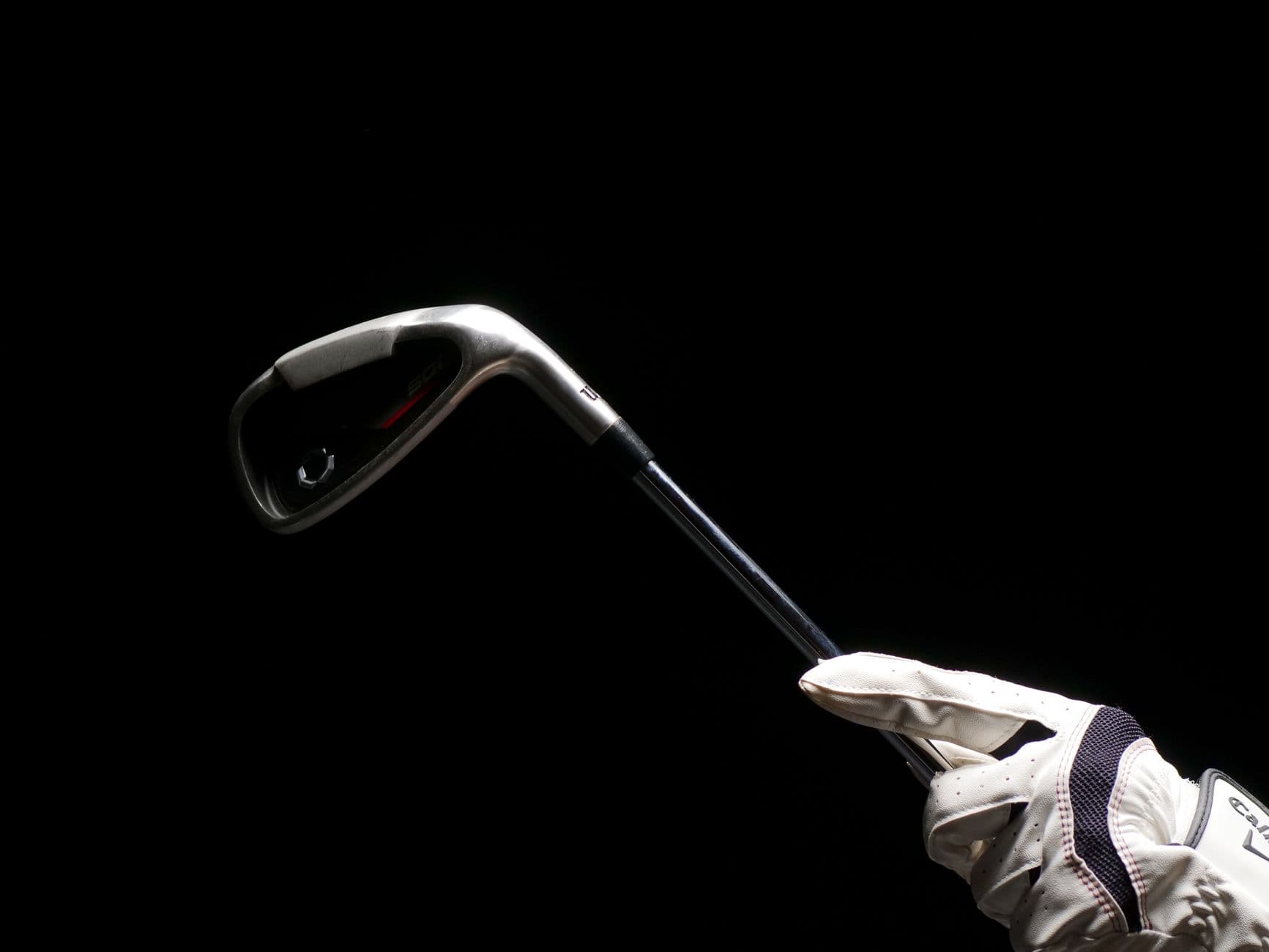
Every serious golfer understands that the shaft is the engine of the golf club. While clubhead technology often dominates equipment discussions, the shaft remains the critical link between your swing and the ball's ultimate trajectory. In 2026, shaft engineering has reached unprecedented sophistication, with manufacturers leveraging advanced materials and construction techniques to fine-tune launch conditions with remarkable precision.

The relationship between shaft characteristics and ball flight is governed by physics, but the application is pure art. Understanding how flex profiles, torque ratings, and kick points interact with your unique swing dynamics can unlock distance and accuracy gains that no amount of range time alone can achieve.
The Flex Factor: More Than Just Stiffness
Shaft flex is commonly understood as the degree to which a shaft bends during the swing, but this oversimplification misses the nuance that separates good shaft fitting from great shaft fitting. Modern shafts are engineered with specific flex profiles—the distribution of stiffness along the entire length of the shaft—rather than a single flex rating.
A shaft that is too stiff for your swing speed will typically produce a lower launch angle and reduced spin, leading to shots that balloon or fail to carry optimally. Conversely, a shaft that is too soft creates excessive spin and an unpredictable release point, resulting in inconsistent dispersion patterns.
- Tip-stiff shafts: Promote lower launch with reduced spin, ideal for players who naturally hit the ball high
- Mid-flex shafts: Offer balanced performance across launch and spin metrics
- Butt-stiff shafts: Provide stability in the handle for players seeking a firmer feel during transition
Torque: The Hidden Performance Variable
While flex receives most of the attention, torque—the shaft's resistance to twisting—plays an equally critical role in ball flight consistency. Measured in degrees, lower torque values indicate a shaft that resists rotational forces more effectively, which becomes particularly important at higher swing speeds.
For players generating clubhead speeds above 105 mph, excessive torque can introduce face angle variability at impact, leading to directional inconsistency. However, torque isn't inherently negative; players with moderate swing speeds often benefit from slightly higher torque values, which can help square the face through impact.
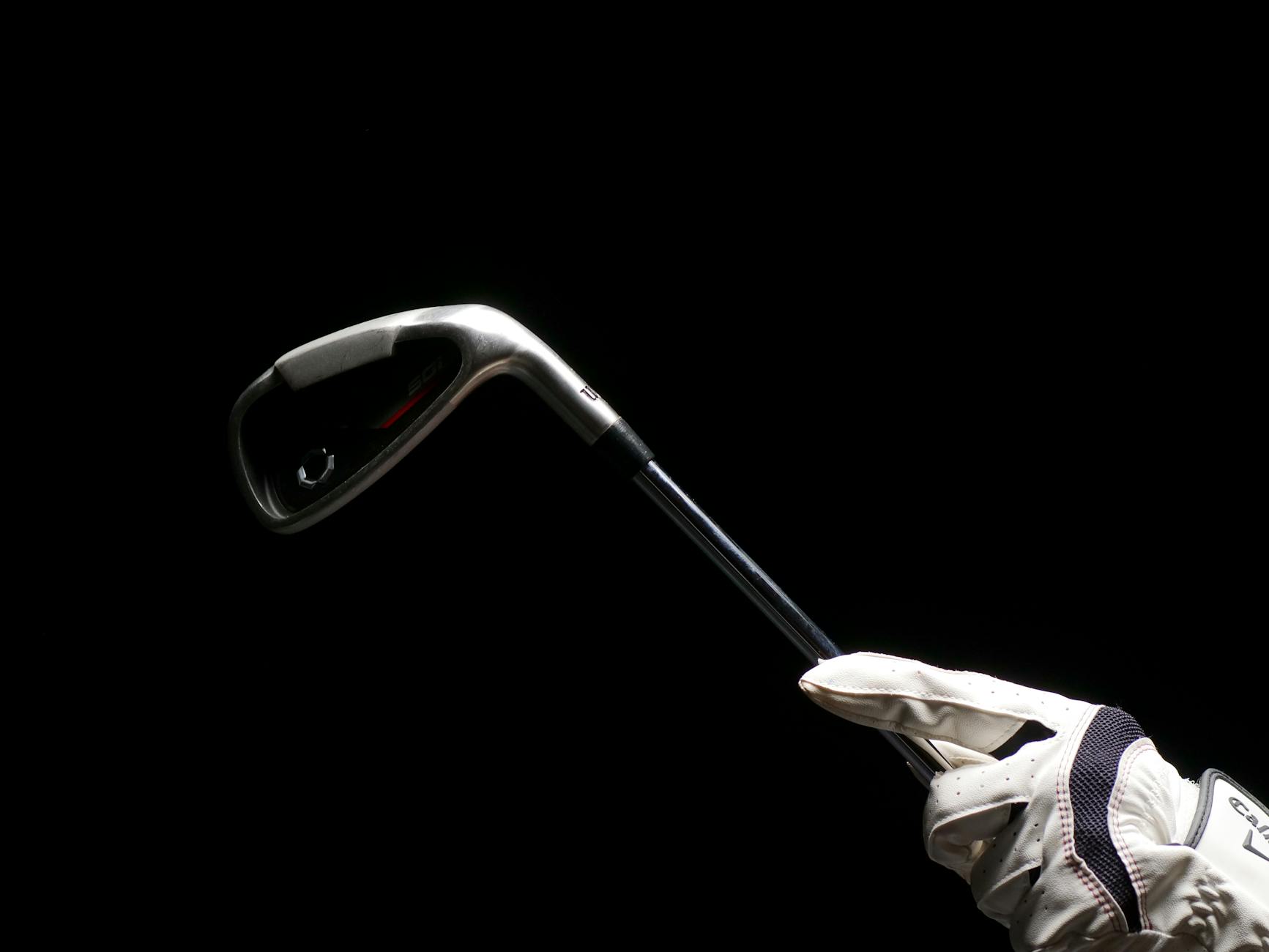
The interplay between torque and tip stiffness creates what engineers call the shaft's 'feel profile.' A low-torque shaft with a soft tip will behave very differently than a high-torque shaft with a stiff tip, even if both carry the same flex designation. This is why two 'stiff' shafts from different manufacturers can produce dramatically different results for the same player.
Kick Point and Launch Angle Optimization
Kick point—sometimes called bend point or flex point—describes where along the shaft's length the maximum deflection occurs during the downswing. This characteristic has a direct correlation to launch angle and is one of the primary tools fitters use to optimize trajectory.
- Low kick point: Shaft bends more near the tip, promoting higher launch angles—typically adds 1-2 degrees of launch
- Mid kick point: Balanced flex distribution for versatile ball flight control
- High kick point: Shaft bends more toward the grip, producing a lower, more penetrating trajectory
The relationship between kick point and spin rate is often misunderstood. While lower kick points do tend to increase launch angle, the spin rate impact is more closely tied to the tip section's stiffness profile. A low kick point shaft with a stiff tip can produce high launch with controlled spin—the coveted combination for maximizing carry distance.
Material Science: From Steel to Advanced Composites
The evolution from steel to graphite shafts represented a paradigm shift in golf equipment, but modern composite engineering has taken performance to another level. Today's premium shafts utilize multi-material constructions, with strategic placement of high-modulus carbon fiber, aerospace-grade resins, and proprietary fiber orientations.
These advanced materials allow engineers to manipulate flex profiles with surgical precision. By varying the fiber orientation and resin composition in specific sections, manufacturers can create shafts with independent control over tip behavior, mid-section stability, and butt stiffness—something impossible with traditional single-material construction.
The shaft doesn't just transfer energy—it manages energy. The best shafts return stored power at exactly the right moment in the downswing.
— Golf Equipment Industry Analysis
Weight Considerations and Swing Speed
Shaft weight affects swing dynamics beyond the obvious relationship to clubhead speed. Lighter shafts can increase swing speed, but this benefit must be balanced against stability and timing considerations. Many players actually lose distance with ultralight shafts because the reduced weight disrupts their swing tempo and sequencing.
The current trend in shaft design emphasizes stability-to-weight ratios rather than absolute weight reduction. A shaft that weighs 65 grams but maintains excellent stability throughout the swing will outperform a 55-gram shaft that introduces timing inconsistencies for most competitive players.
Matching Shaft Technology to Ball Performance
The shaft's role in optimizing ball flight becomes even more significant when paired with modern ball technology. High-density construction in premium golf balls, such as those utilizing amorphous metal cores, creates different spin and compression characteristics that interact uniquely with various shaft profiles.
A properly fitted shaft can help extract maximum performance from advanced ball technology by ensuring consistent impact conditions. When the shaft delivers the clubface to the ball with optimal angle of attack and face orientation, the ball's engineered performance characteristics—whether designed for low spin, high spin, or specific launch conditions—can fully express themselves.
This synergy between shaft and ball technology represents the frontier of modern equipment optimization. Players who understand these interactions can make more informed decisions about their equipment combinations, moving beyond single-component thinking to true system-level performance optimization.
Practical Application: Finding Your Optimal Setup
The path to optimal shaft selection begins with accurate data. Launch monitor sessions that capture clubhead speed, attack angle, and dynamic loft provide the foundation for informed shaft selection. However, numbers alone don't tell the complete story—feel and consistency over multiple sessions matter equally.
Working with a qualified fitter who understands the relationships between shaft characteristics and ball flight is invaluable. The best fitters don't simply match you to a shaft based on swing speed charts; they analyze your delivery patterns, identify your miss tendencies, and select shafts that complement your natural mechanics while minimizing your weaknesses.
As shaft technology continues to evolve, the golfers who invest time in understanding these principles will find themselves better equipped to evaluate new products and make equipment decisions that genuinely improve their games. The shaft remains golf's most personal equipment choice—and arguably its most impactful.
Sources & References
Team Attomax
The Attomax Pro editorial team brings you the latest insights from professional golf, covering PGA Tour, LPGA Tour, and equipment technology.