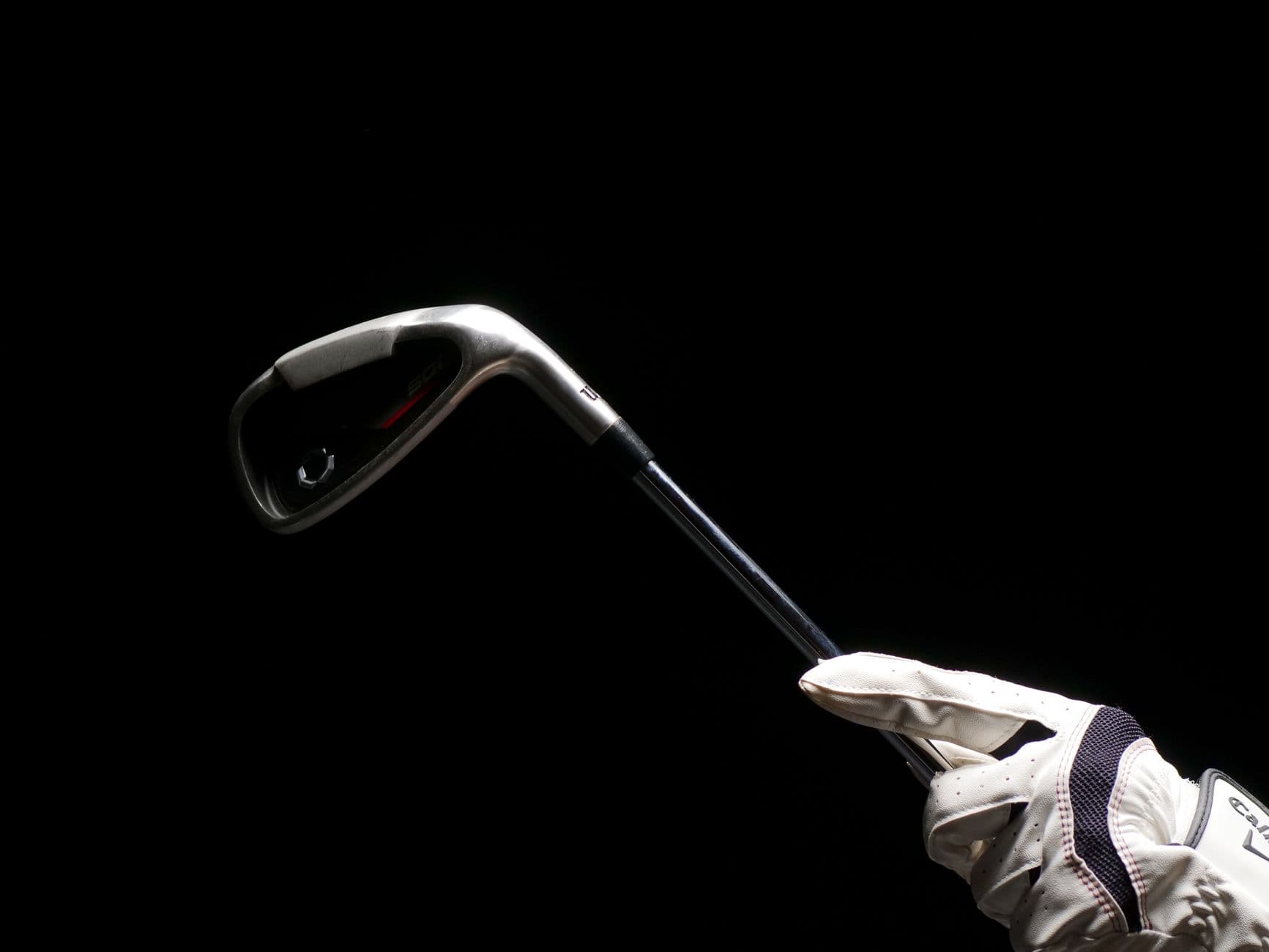
Every golfer chasing extra yards tends to fixate on clubhead design and ball construction, yet the shaft—the engine connecting your hands to the clubface—arguably has the greatest influence on ball flight characteristics. In an era where launch monitor data drives equipment decisions, understanding shaft technology has become essential for any serious player looking to optimize performance.
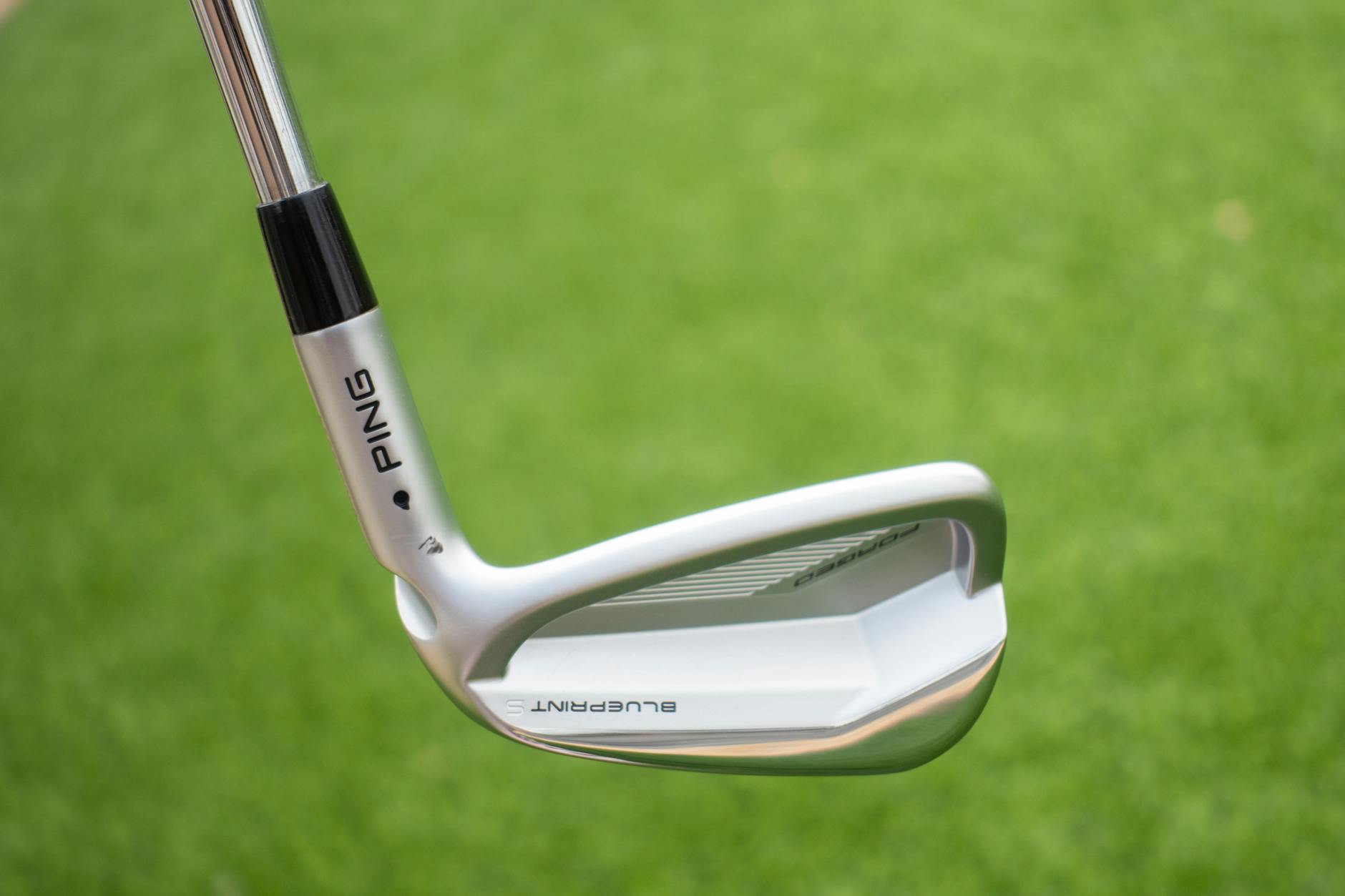
The relationship between shaft properties and ball flight is governed by physics, but the variables at play are nuanced. Flex, torque, weight, and kick point all interact dynamically during the swing, and mismatches between shaft characteristics and swing profiles can cost golfers significant distance and accuracy.
Flex Profiles and Energy Transfer
Shaft flex describes how much a shaft bends under load during the downswing. Contrary to common misconception, flex isn't just about swing speed—it's about loading and unloading the shaft efficiently to maximize energy transfer at impact.
A shaft that's too stiff for a player's transition tempo will fail to load properly, resulting in lower launch angles and reduced ball speed. Conversely, an overly soft shaft can cause excessive droop at impact, leading to higher spin rates and ballooning trajectories that sacrifice carry distance.
- Extra Stiff (X): Typically suited for swing speeds above 105 mph with aggressive transitions
- Stiff (S): Generally appropriate for swing speeds between 95-105 mph
- Regular (R): Designed for swing speeds in the 85-95 mph range
- Senior/Lite (A/L): Optimized for swing speeds below 85 mph
These categories, however, lack standardization across manufacturers. A 'stiff' designation from one brand may play closer to 'regular' from another, making professional fitting essential rather than relying on generic labels.
Kick Point: The Launch Angle Controller
Kick point—sometimes called bend point or flex point—refers to the location along the shaft where maximum bending occurs during the swing. This property has a direct and measurable impact on launch angle, independent of loft.
Low kick point shafts bend more toward the clubhead, effectively adding dynamic loft through impact and promoting higher launch conditions. Players who struggle to get the ball airborne or who have steep angle of attack patterns often benefit from low kick point designs.

Mid kick point shafts offer balanced performance, while high kick point options reduce dynamic loft for players who already generate excessive launch. Tour professionals with faster swing speeds frequently gravitate toward mid-to-high kick points to control trajectory, particularly in windy conditions.
Torque: The Overlooked Stability Factor
Torque measures a shaft's resistance to twisting around its axis, expressed in degrees. Lower torque values indicate greater resistance to rotation, translating to enhanced face stability through impact—particularly important for players with high swing speeds generating substantial rotational forces.
Torque is the silent performance killer. A shaft that twists even two degrees open at impact can send your ball twenty yards offline at 300 yards.
— Industry Equipment Analyst
Modern premium shafts typically feature torque ratings between 2.5 and 4.5 degrees. Lower torque designs demand more precise timing but reward players with tighter dispersion patterns. Higher torque shafts can feel softer and more forgiving, potentially benefiting players who need help squaring the face.
Weight Distribution and Swing Dynamics
Shaft weight affects swing mechanics in ways that extend beyond simple feel. Lighter shafts can increase clubhead speed, but the relationship isn't linear—eventually, lighter weight compromises control and consistency for many players.
Counter-balanced designs, which shift weight toward the grip end, can help golfers maintain tempo while still achieving speed gains. Meanwhile, tip-heavy profiles can lower spin rates for players producing excessive backspin.
Material Science and Performance Innovation
The evolution from steel to graphite opened entirely new frontiers in shaft design. Today's multi-material constructions layer different carbon fiber orientations to optimize specific performance zones within a single shaft.
High-modulus carbon fiber allows engineers to create stiffer tip sections for stability while maintaining softer mid-sections for feel and loading. Some manufacturers incorporate materials like boron or titanium mesh in high-stress areas to enhance durability without adding weight.
- Tip section stiffness controls face stability and spin rates
- Mid section flex determines overall feel and loading characteristics
- Butt section properties influence tempo and transition smoothness
- Material layup angles affect torsional stability throughout the swing
Matching Shaft Technology to Ball Performance
The shaft-ball relationship deserves more attention than most golfers give it. A shaft optimized for high launch pairs naturally with a ball designed for moderate spin, while players using low-spin shafts might benefit from higher-spinning ball constructions to maintain adequate stopping power.
High-density ball technologies, like those featuring amorphous metal cores, respond differently to launch conditions than traditional constructions. These denser cores can maintain velocity more efficiently, meaning optimized shaft selection becomes even more critical for maximizing the distance advantages such balls provide.
The Fitting Imperative
Static measurements—swing speed, tempo, transition force—provide starting points, but dynamic fitting using launch monitors reveals how shaft properties actually perform in a player's hands. Two golfers with identical swing speeds can require dramatically different shaft profiles based on loading patterns and release timing.
The investment in professional fitting typically returns dividends far exceeding the cost, often unlocking 10-15 yards of distance and tighter dispersion through optimized launch conditions rather than swing changes.
As shaft technology continues advancing, the performance gap between properly fitted equipment and off-the-rack specifications will only widen. For golfers serious about maximizing their potential, understanding how shaft properties influence ball flight isn't optional—it's fundamental to playing your best golf.
Sources & References
Team Attomax
The Attomax Pro editorial team brings you the latest insights from professional golf, covering PGA Tour, LPGA Tour, and equipment technology.