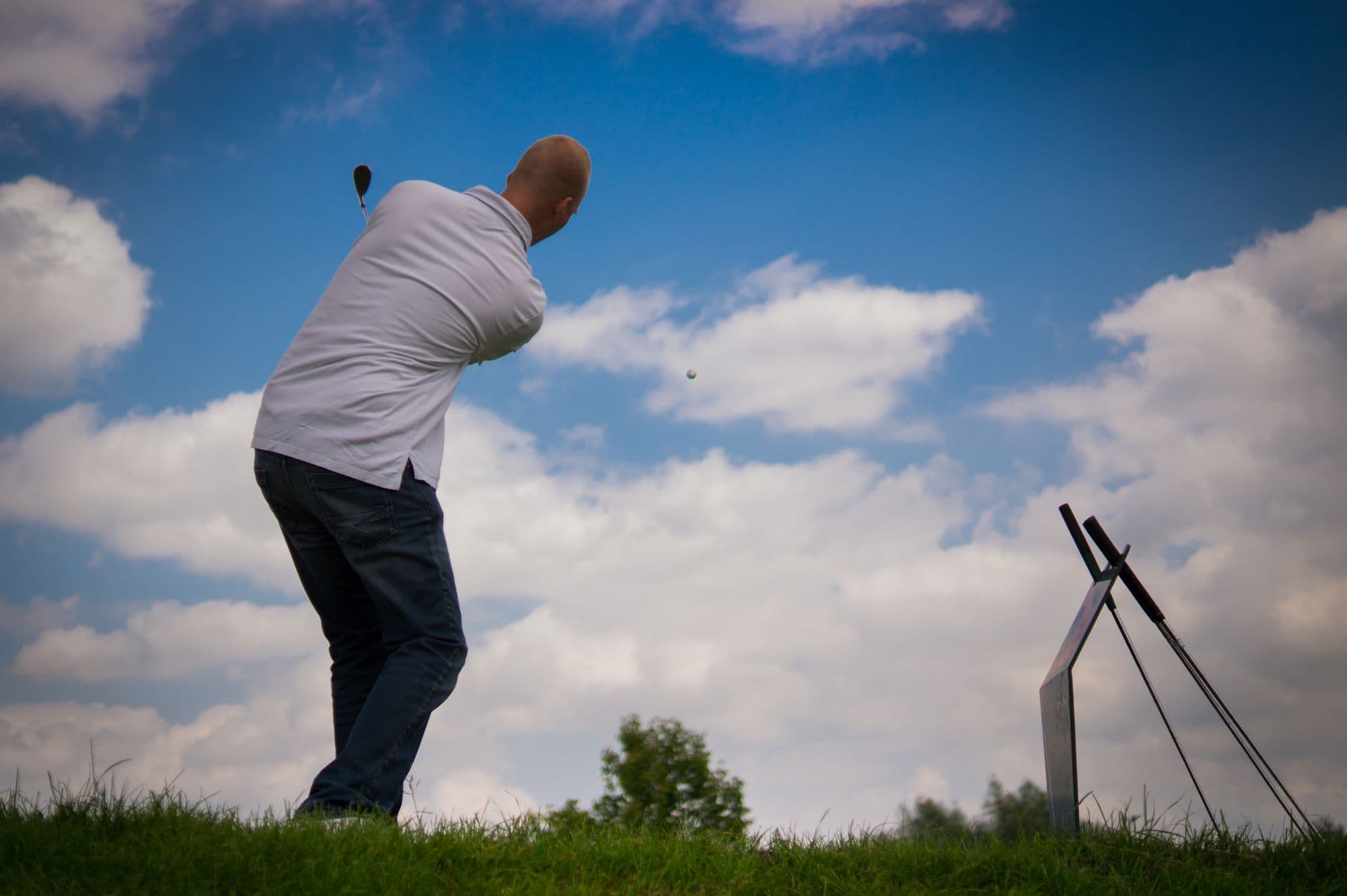
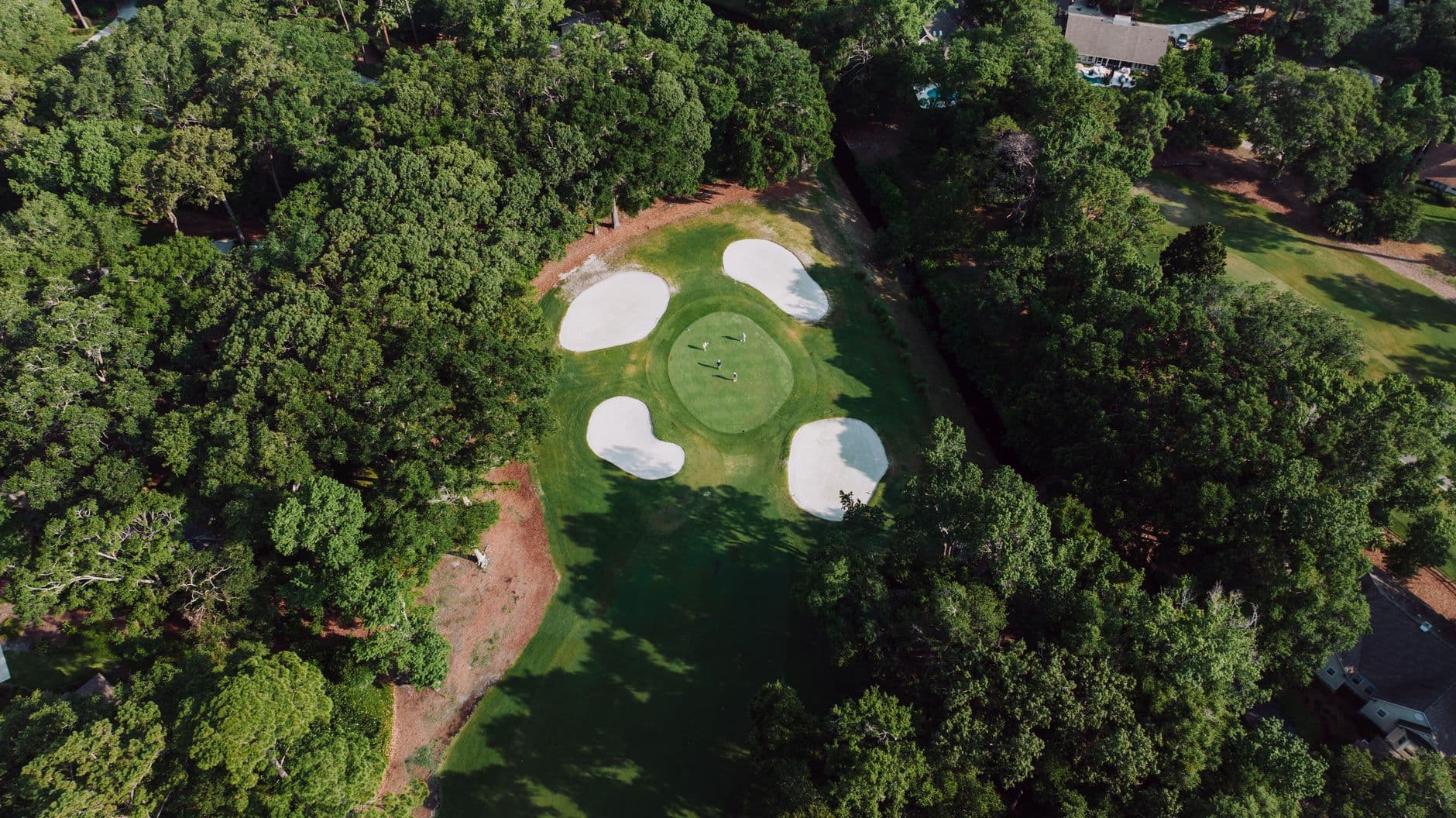
The image of professional golfers as casual athletes who simply possess natural talent has been thoroughly dismantled over the past two decades. Modern tour professionals approach physical conditioning with the same rigor as NFL linebackers or Olympic sprinters, understanding that explosive power, rotational stability, and injury prevention form the foundation of sustained competitive success.
This evolution in golf fitness represents more than a cultural shift—it reflects a fundamental understanding of biomechanics and human performance. The modern golf swing demands extraordinary physical capabilities: generating clubhead speeds that can exceed 120 mph while maintaining precision measured in fractions of degrees.
The Four Pillars of Tour-Level Golf Fitness
Elite golf training programs typically address four interconnected areas: rotational power, stability and balance, mobility and flexibility, and cardiovascular endurance. Each component serves specific performance goals while contributing to the athlete's overall durability across a grueling tournament schedule.
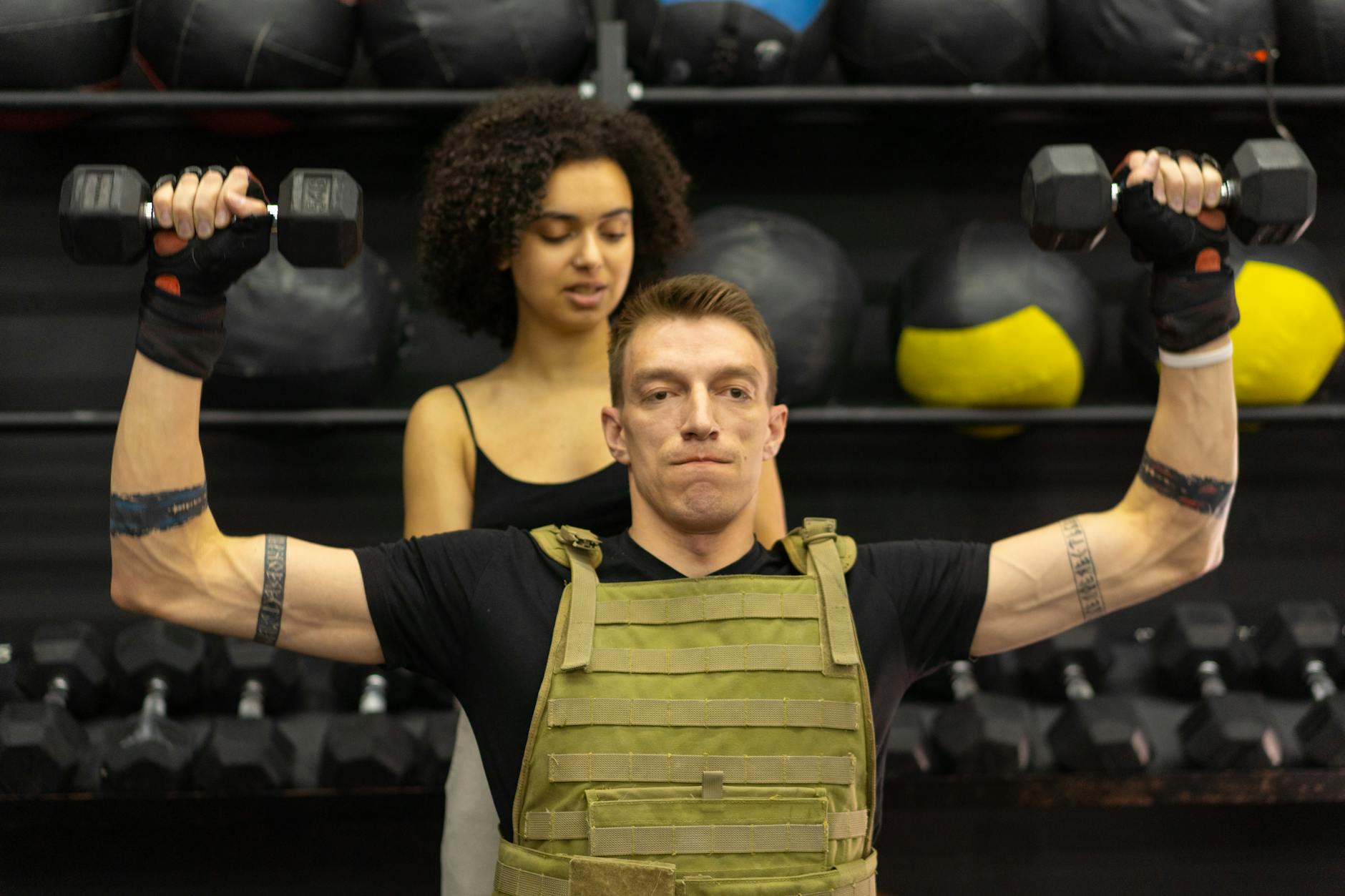
Rotational power development focuses on the kinetic chain—the sequential transfer of energy from the ground through the legs, hips, core, and ultimately to the clubhead. This involves compound movements like medicine ball throws, cable rotations, and Olympic lift variations designed to teach the body explosive sequential firing patterns.
- Rotational Power: Medicine ball throws, cable woodchops, kettlebell swings
- Stability: Single-leg exercises, anti-rotation holds, balance board work
- Mobility: Hip flexor stretches, thoracic spine rotation drills, shoulder mobility protocols
- Endurance: Walking intervals, cycling, swimming for recovery
Training Periodization Throughout the Season
Tour professionals cannot train at maximum intensity year-round. Instead, they employ sophisticated periodization strategies that align with their competitive schedules. The off-season—typically November through January for Northern Hemisphere players—represents the primary window for intensive strength and power development.
During this phase, training volume and intensity reach their peaks. Players may spend four to five days per week in the gym, incorporating heavy compound lifts and challenging plyometric work. The goal is building a foundation of strength and power that will support performance throughout the competitive season.
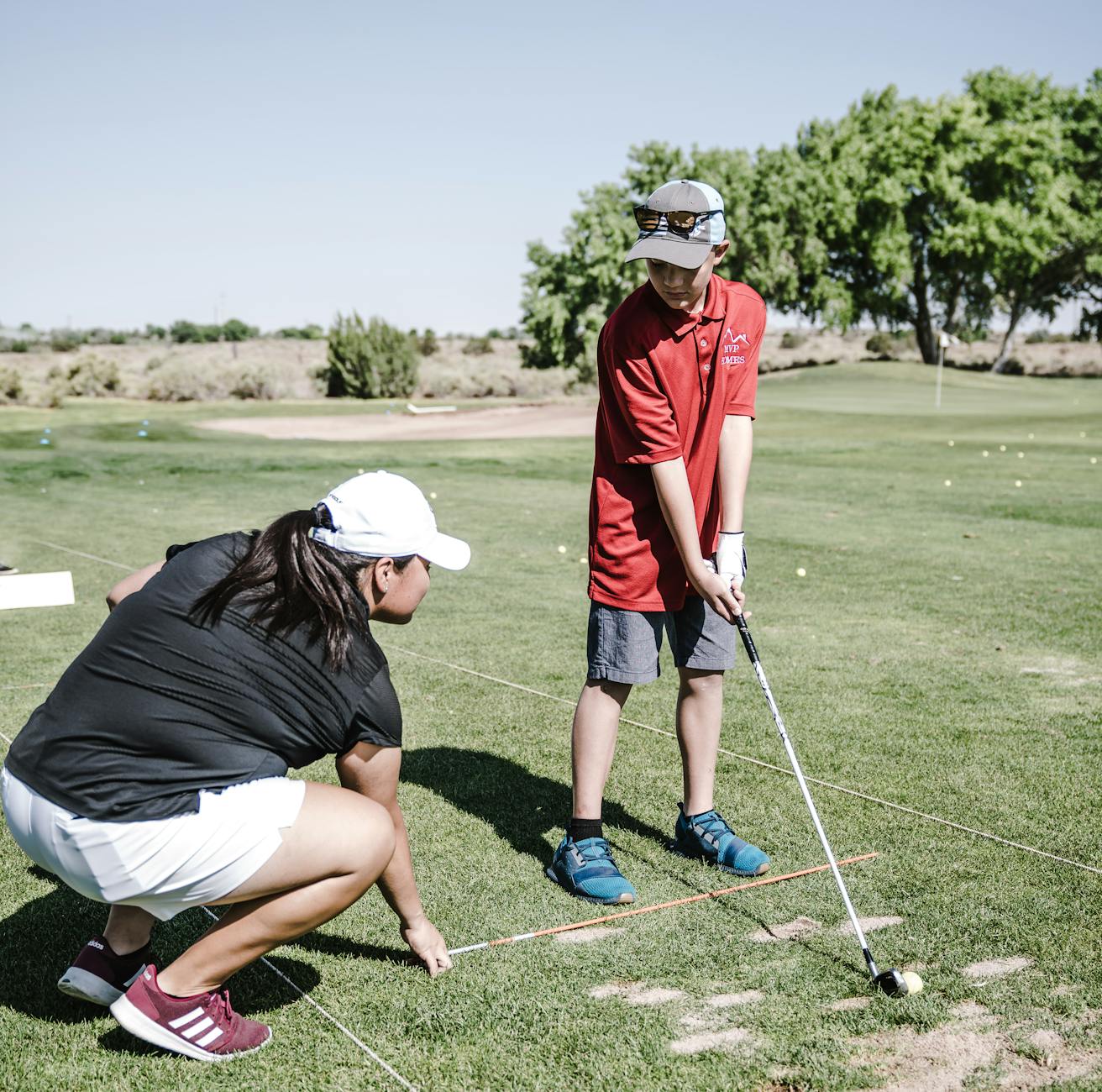
As tournament play approaches, training shifts toward maintenance and sport-specific work. Gym sessions decrease to two or three times weekly, with reduced volume but maintained intensity. The focus turns to movement quality, injury prevention, and recovery protocols that keep the body prepared for competition.
LPGA Athletes Leading the Fitness Revolution
The fitness transformation in professional golf has been particularly pronounced on the LPGA Tour. Women's golf has seen dramatic increases in driving distances and overall athleticism, with many players citing dedicated training programs as central to their competitive development.
These athletes often work with the same trainers and follow similar protocols to their PGA Tour counterparts. The emphasis on hip mobility, core stability, and rotational power translates directly to swing efficiency and injury prevention—critical factors for players competing in events across multiple continents throughout the year.
Golf is an athletic endeavor that demands athletic preparation. The players who understand this and commit to proper training are the ones who sustain success over decades, not just seasons.
— Golf Fitness Industry Perspective
Recovery: The Overlooked Training Variable
Perhaps no aspect of tour-level fitness has evolved more rapidly than recovery protocols. Professional golfers now employ comprehensive approaches including cryotherapy, compression therapy, massage, and sophisticated sleep optimization strategies.
The cumulative stress of tournament golf—walking upwards of five miles daily over uneven terrain while executing explosive rotational movements—creates significant physical demands. Without adequate recovery, even the most well-designed training program leads to breakdown rather than improvement.
- Post-round mobility work and stretching (15-20 minutes)
- Contrast therapy: alternating hot and cold exposure
- Quality sleep: 7-9 hours with consistent timing
- Nutrition timing: protein intake within 30 minutes of training
- Active recovery: light cardio and movement on off days
Technology-Enhanced Training
Modern tour professionals leverage sophisticated technology to optimize their fitness programs. Force plates measure ground reaction forces during the swing, identifying asymmetries or power leaks. 3D motion capture systems provide detailed analysis of movement patterns, while wearable devices track training load, sleep quality, and recovery metrics.
This data-driven approach allows trainers to customize programs based on individual biomechanics rather than generic templates. A player who generates power primarily through hip rotation may require different training emphasis than one who relies more heavily on upper body mechanics.
Equipment Considerations for the Fit Golfer
As players develop greater physical capabilities, equipment optimization becomes increasingly important. Higher swing speeds and improved consistency allow athletes to utilize equipment matched to their enhanced performance characteristics.
Ball selection, in particular, can leverage fitness gains. Players generating significant clubhead speed benefit from golf balls engineered for optimal energy transfer. High-density constructions, like those found in Attomax Pro's amorphous metal core technology, are designed to maintain stability through impact, potentially helping powerful swingers achieve more consistent ball flight and distance control.
Building Your Own Tour-Inspired Program
While amateur golfers cannot dedicate professional-level time to training, the principles remain applicable at any level. Prioritizing hip and thoracic spine mobility, developing rotational power through medicine ball work, and maintaining core stability through anti-rotation exercises can meaningfully impact performance.
The key lies in consistency over intensity. Two focused training sessions weekly, maintained throughout the year, will produce better results than sporadic bursts of intensive work. Progress in golf fitness is measured in months and years, not weeks—patience and persistence define success.
As the game continues evolving, physical preparation will only grow in importance. The players dominating leaderboards in the coming years will be those who understood early that championship golf requires championship conditioning.
Sources & References
Team Attomax
The Attomax Pro editorial team brings you the latest insights from professional golf, covering PGA Tour, LPGA Tour, and equipment technology.