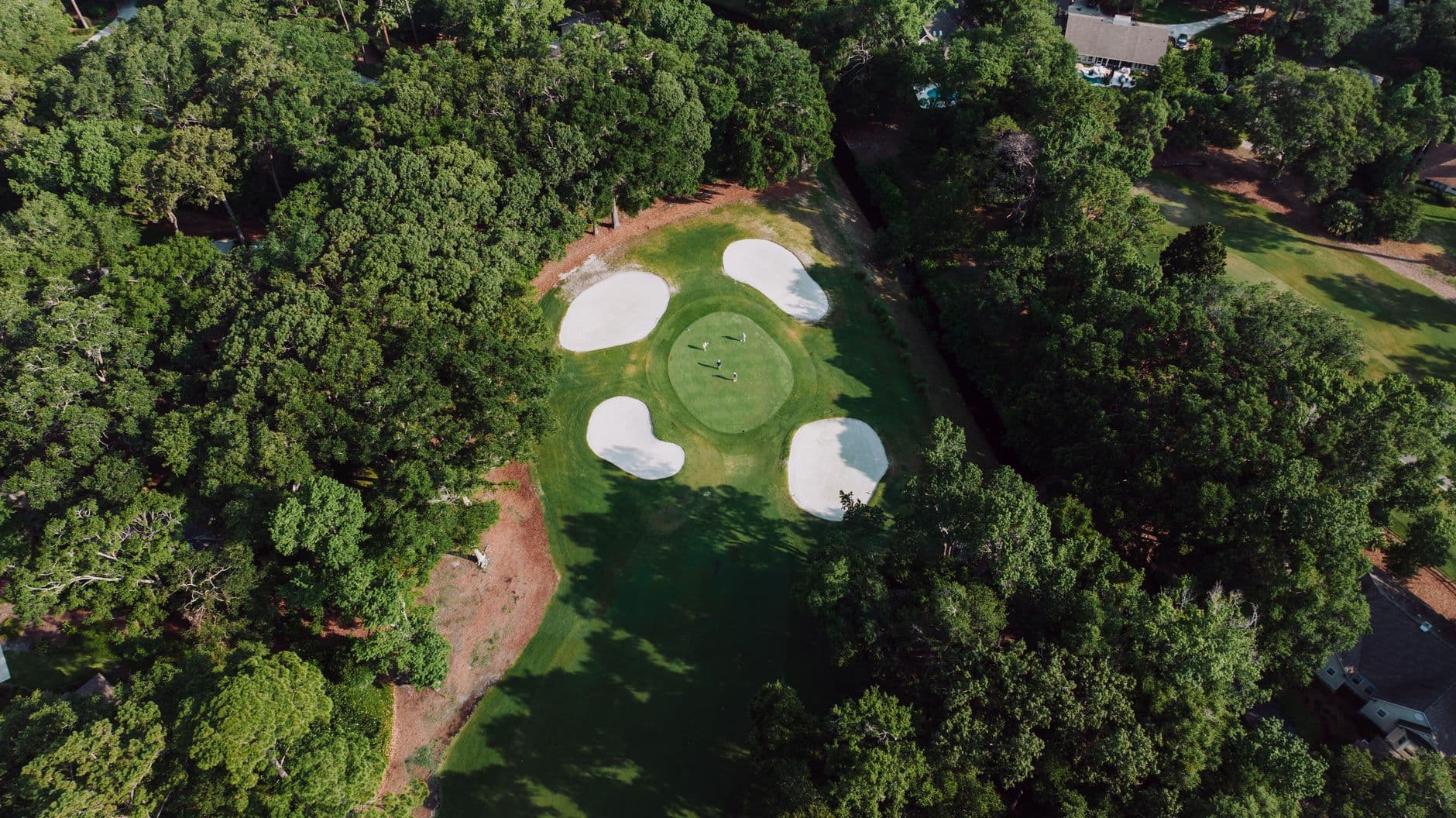
There's a persistent myth in golf culture that aging gracefully means accepting slower swing speeds, tighter hips, and a steady climb on the scorecard. The evidence — from tour professionals playing competitive golf well into their 40s and 50s to the explosion of sports science in professional caddie programs — tells a very different story.

The golfer over 40 isn't a declining athlete. They're a more complex one. The physiological shifts that come with age — reduced testosterone, decreased collagen synthesis, slower neuromuscular recruitment — are real, but they're also highly trainable. The window of adaptation remains open; it simply requires a more targeted approach.
What follows is not a generic fitness plan. It's a framework grounded in how the golf swing actually loads and unloads the body, and what that means for a serious player navigating the second half of their competitive life.
The Physiology of the Aging Swing
After 40, two systems degrade faster than most golfers realize: thoracic mobility and hip rotational strength. The thoracic spine — the mid and upper back — is the primary rotational engine of the backswing. When it stiffens, the lower back compensates. That compensation pattern is the single largest mechanical contributor to both chronic back pain and loss of clubhead speed in older players.
Hip strength and stability follow closely. The glutes are the powerhouse of the downswing — they drive internal hip rotation, stabilize the pelvis, and transfer ground reaction force up through the kinetic chain. When glute strength diminishes, the swing becomes arm-dominant, ball-striking consistency drops, and injury risk at the lumbar spine and lead knee increases substantially.
- Thoracic mobility loss: Reduces backswing range and forces compensatory lower-back loading
- Glute and hip weakness: Destroys ground-force transfer and degrades downswing sequencing
- Reduced hamstring flexibility: Limits pelvic tilt at address and disrupts spine angle throughout the swing
- Decreased fast-twitch fiber recruitment: Slows clubhead speed and impacts the acceleration phase of the downswing
- Loss of shoulder external rotation: Compromises wrist hinge and flat lead wrist at the top
Mobility First — Always
For golfers over 40, the temptation is to jump straight into strength work. Resist it. Loading a restricted joint doesn't build strength — it reinforces dysfunction and accelerates wear. The priority must always be restoring functional range of motion before adding load.
A daily mobility protocol targeting the thoracic spine, hips, and shoulder complex should underpin every training block. This means deliberate, controlled movements: thoracic rotations with a foam roller, 90/90 hip stretches, and banded shoulder openers. These aren't warm-up throwaway exercises — they're the foundation of a functional golf body. Fifteen to twenty minutes each morning, before any other physical activity, delivers a disproportionate return on investment.
You can't fire a cannon from a canoe. Mobility is the stable platform that makes every other physical quality in the golf swing possible.
— Common principle in golf-specific physiotherapy
Strength Training: What Actually Transfers
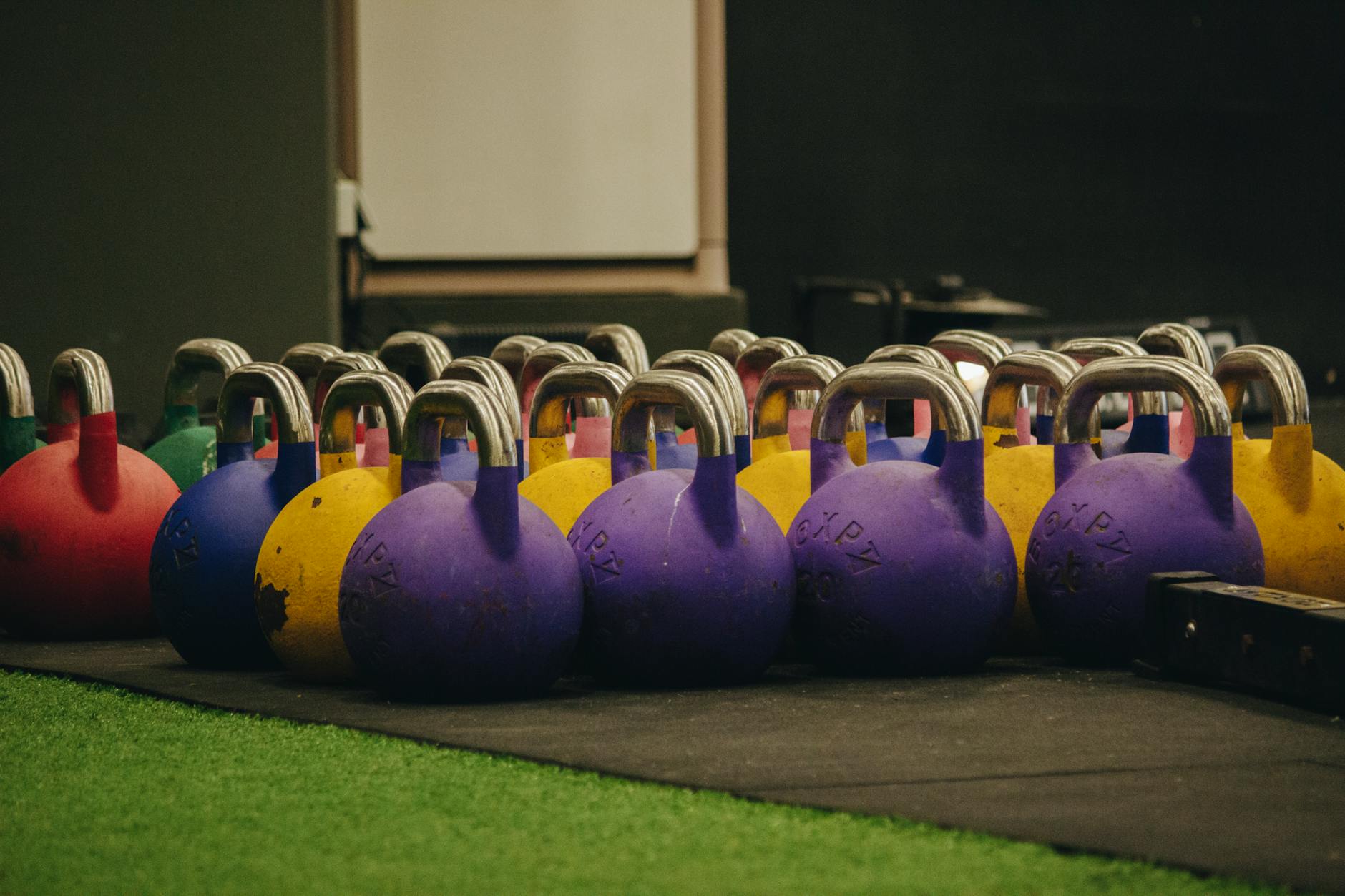
Not all strength training transfers equally to the golf course. Isolation exercises — bicep curls, leg extensions — build muscle but have minimal carry-over to rotational athletic performance. What moves the needle for golfers over 40 is multi-joint, rotational, and anti-rotation work that mirrors the mechanical demands of the swing.
The following movement categories should anchor your program at least twice per week. Progressive overload matters — these should be challenging sets, not easy maintenance work. The goal is hypertrophy and neuromuscular adaptation, both of which require sufficient stimulus.
- Hip hinge patterns (Romanian deadlifts, kettlebell swings): Rebuild posterior chain strength and reinforce the hip-hinge mechanics critical to maintaining spine angle
- Single-leg stability work (Bulgarian split squats, single-leg Romanian deadlifts): Address the lateral stability required through impact on the lead side
- Anti-rotation core work (Pallof press, half-kneeling cable chops): Train the core's primary golf function — resisting unwanted movement rather than generating it
- Rotational power (cable woodchops, medicine ball rotational throws): Directly target the fast-twitch fiber recruitment needed for clubhead speed
- Horizontal pulling (cable rows, dumbbell rows): Counter the anterior dominance common in golfers and reinforce posture under fatigue
The Equipment Factor: Why Ball Compression Matters More at 40+
There's a dimension of this conversation that most fitness-focused discussions miss entirely: the interaction between your physical output and your equipment. As swing speed fluctuates during periods of training adaptation — or declines even modestly with age — the compression characteristics of your golf ball become significantly more consequential.
A ball that's too firm for your current swing speed will resist proper compression through impact, bleeding distance and distorting spin rates in ways that undermine your course management. This is precisely why Attomax's High-Density Soft and Medium compression balls are engineered for players who demand full energy transfer regardless of swing speed. The high-density amorphous metal core technology ensures that even a modest reduction in clubhead speed doesn't translate to a loss of ball speed off the face — a critical advantage for the competitive golfer in their 40s and 50s who is actively training but navigating the natural arc of athletic performance.
Recovery: The Underrated Performance Variable
Over 40, recovery isn't a passive process — it requires as much intentionality as training. The biological reality is that protein synthesis slows, cortisol sensitivity increases, and the window between productive stress and overtraining narrows. Two strength sessions per week, separated by 48 to 72 hours, is the optimal cadence for most amateur golfers in this age group.
Sleep quality deserves particular attention. Deep sleep is when growth hormone is secreted, soft tissue repairs, and neuromuscular learning consolidates. Players who treat sleep as optional are leaving measurable performance on the table — both in terms of physical adaptation and the sharpness of their short game feel and course management decision-making.
- Prioritize 7–9 hours of quality sleep — non-negotiable for tissue repair and hormonal balance
- Adequate protein intake supports muscle protein synthesis, which slows significantly after 40
- Active recovery sessions (walking, light yoga, swimming) on non-training days maintain blood flow without adding load
- Monitor chronic fatigue — overtraining in older athletes presents subtly, often as a drop in motivation and concentration rather than obvious soreness
In-Season vs. Off-Season Programming
Structure matters as much as content. In-season, training volume drops and intensity moderates — the goal shifts from building capacity to maintaining it. Heavy loading in-season risks fatigue that bleeds into your competitive rounds. Off-season is the window for genuine physical development: higher volume, progressive loading, and the willingness to be temporarily disrupted as your body adapts.
Players who train year-round without periodization tend to plateau — or worse, carry accumulated fatigue into their most important competitive months. Working with a golf-specific strength coach who understands periodization relative to your tournament schedule is among the highest-return investments available to the serious amateur.
The Compounding Advantage
The golfer who commits to a structured strength and flexibility program at 42 will not look like the same player at 48. The gains are real, they are cumulative, and — unlike the grinding decline that comes from neglect — they compound. Thoracic mobility improves. Hip strength catches up. Swing sequencing becomes more efficient, not less. And when the physical foundation is sound, course management instincts and shot-shaping precision — the tools that only experience can build — finally have the physical infrastructure to execute.
The second half of your golf career doesn't have to be a managed retreat. With the right training framework, the right recovery discipline, and equipment calibrated to your actual physical output, it can be the most technically refined — and rewarding — golf of your life.
Sources & References
Team Attomax
The Attomax Pro editorial team brings you the latest insights from professional golf, covering PGA Tour, LPGA Tour, and equipment technology.