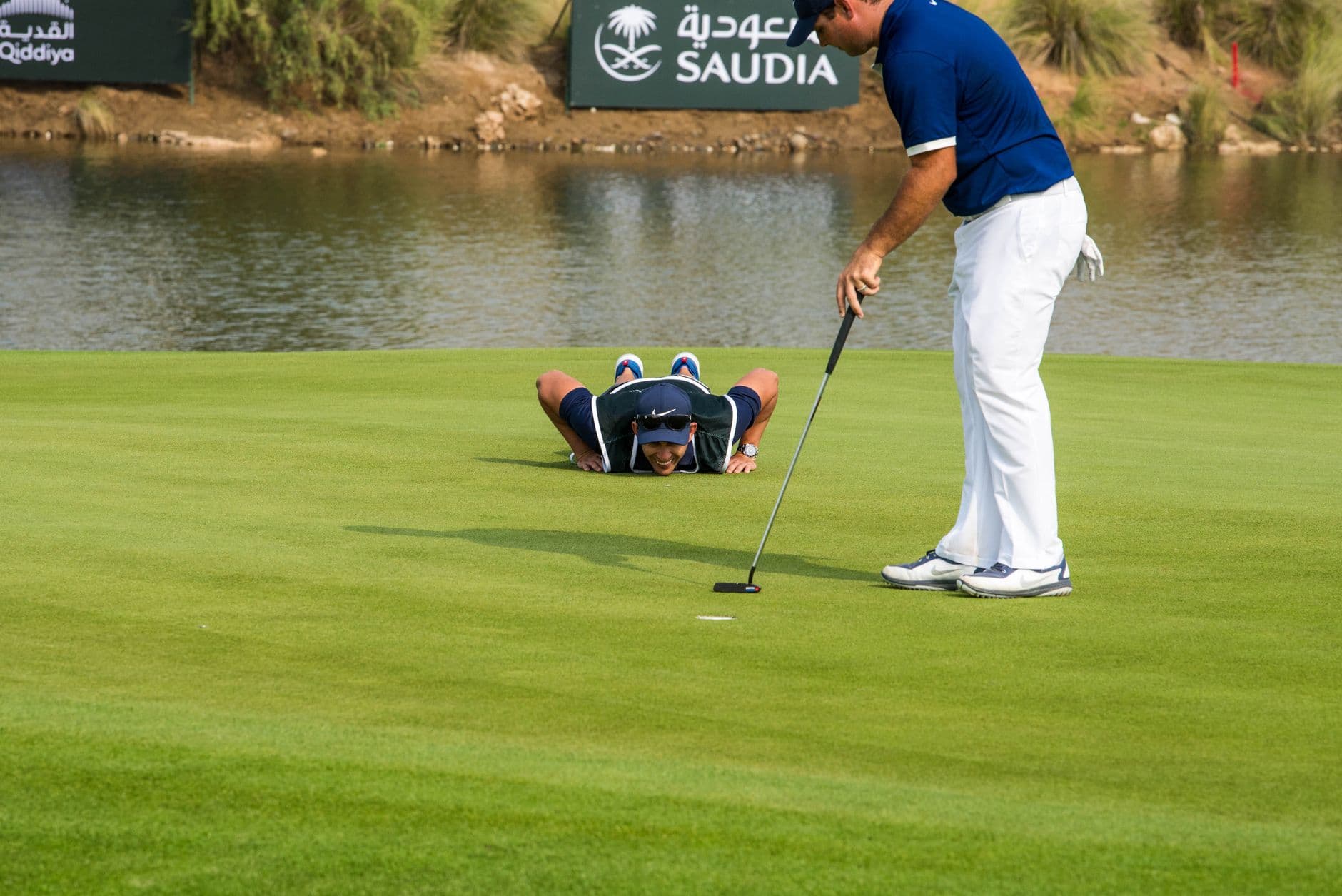
The image of professional golfers as athletes who merely walk courses and swing clubs has been decisively shattered. Today's tour professionals operate under rigorous fitness regimens that rival those of NFL players and Olympic athletes, fundamentally transforming how the game is played at the highest level.
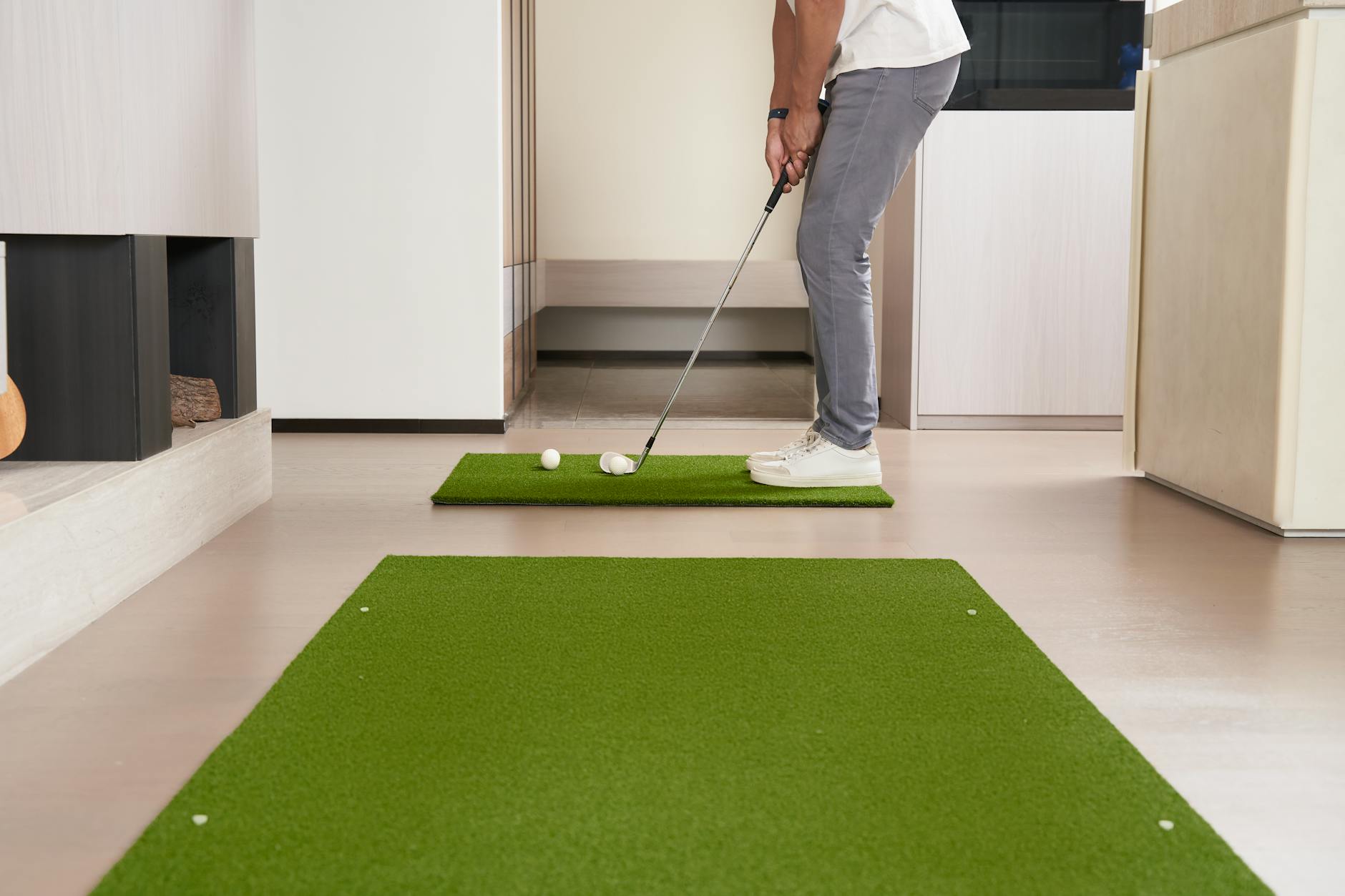
This evolution didn't happen overnight. The gradual shift toward athletic excellence has been building for decades, but the current generation has embraced comprehensive training with unprecedented commitment. The results are visible in driving distances, injury recovery times, and the extended careers of players who prioritize physical conditioning.
The Foundation: Strength and Power Development
Modern tour professionals dedicate substantial time to resistance training, focusing on movements that translate directly to golf performance. Rotational power, hip stability, and core strength form the foundation of most programs. Unlike traditional bodybuilding approaches, golf-specific training emphasizes functional movement patterns.
Deadlifts, cable rotations, and medicine ball throws have become staples in professional routines. These exercises develop the kinetic chain efficiency required to generate clubhead speed while maintaining precision. The focus isn't merely on building muscle mass—it's about creating controlled, explosive power.
- Rotational power exercises targeting the thoracic spine and hips
- Single-leg stability work to improve weight transfer
- Anti-rotation core training for swing consistency
- Grip and forearm conditioning for club control under fatigue
Speed Training: The New Frontier
Perhaps no aspect of golf fitness has evolved more dramatically than speed training protocols. Professional golfers now incorporate overspeed training—swinging lighter weighted implements faster than normal—to retrain neuromuscular patterns and increase maximum clubhead velocity.
This approach, grounded in motor learning science, has helped numerous professionals add measurable distance to their drives. The principle is straightforward: by training the nervous system to fire faster, golfers can access greater speed potential when returning to standard club weights.
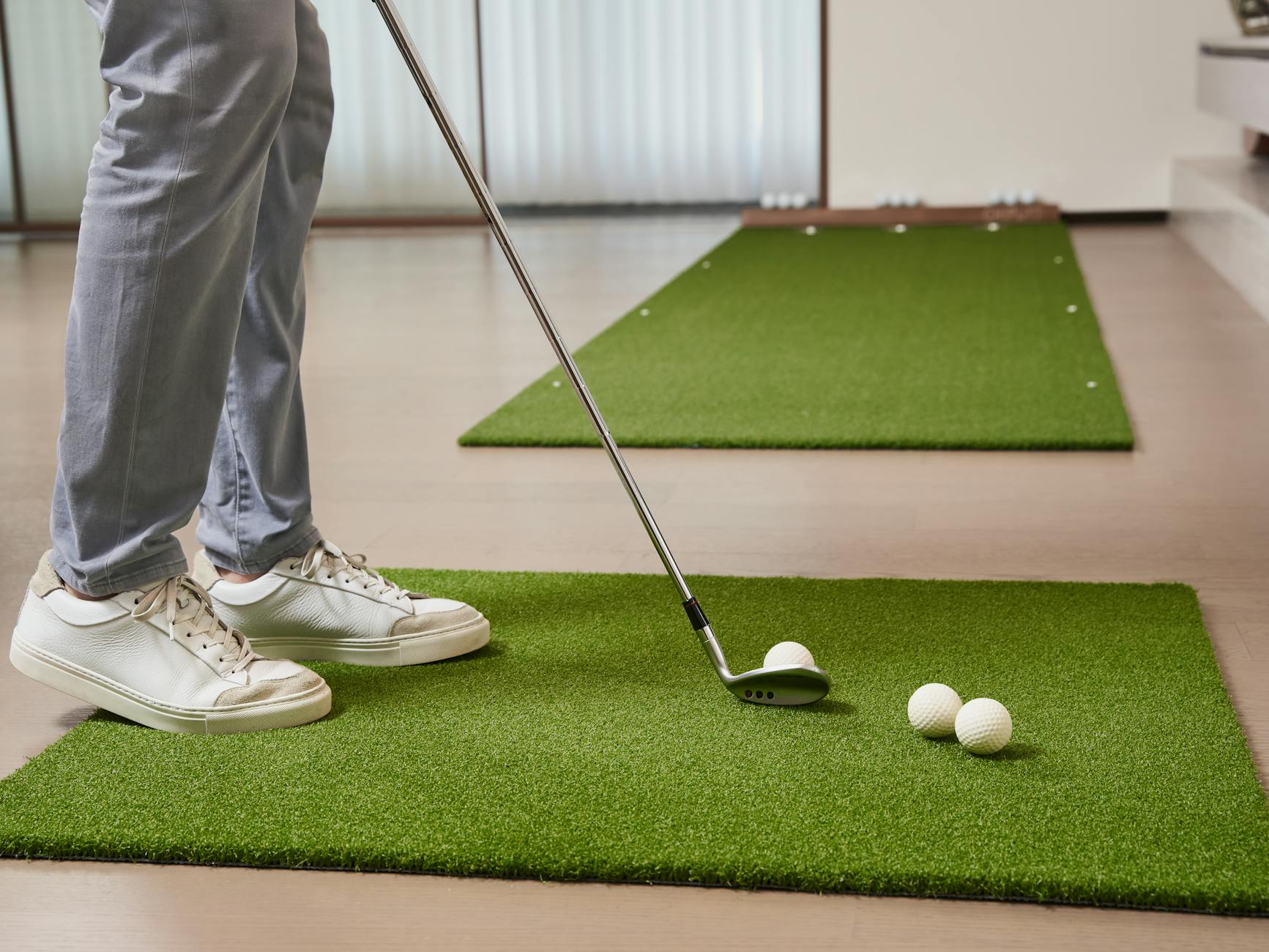
Superspeed sticks, lighter driver shafts, and radar-based feedback systems have become common training tools. Many tour professionals report significant gains after implementing structured overspeed protocols, with some adding substantial yardage to their average driving distance over dedicated training blocks.
Mobility and Flexibility: The Unsung Heroes
While power training captures attention, mobility work often determines career longevity. The golf swing demands extreme ranges of motion through the hips, thoracic spine, and shoulders. Without adequate mobility, compensatory movement patterns develop, leading to injury and inconsistent performance.
Morning mobility routines, dynamic warm-ups, and dedicated flexibility sessions have become non-negotiable for serious professionals. Many work with specialized movement coaches who identify restrictions and develop individualized protocols to address them.
The most talented players I've worked with understand that mobility isn't optional—it's the foundation everything else is built upon.
— Golf Performance Specialist
Recovery: The Fourth Pillar
Elite performers recognize that adaptation occurs during recovery, not during training itself. Professional golfers increasingly invest in sophisticated recovery modalities to maximize the benefits of their training while minimizing injury risk.
Cold plunge pools, compression therapy, and sleep optimization have joined massage and physiotherapy as standard recovery tools. Many tour professionals travel with portable recovery equipment, ensuring they can maintain their protocols regardless of location.
- Sleep quality monitoring and optimization strategies
- Nutrition timing around training and competition
- Active recovery sessions between tournament rounds
- Periodic deload weeks to prevent overtraining
Mental Performance Training
Physical conditioning represents only part of the modern professional's preparation. Mental performance coaching has evolved from a fringe practice to a mainstream necessity. Visualization, breathing techniques, and cognitive training protocols help players maintain focus during high-pressure situations.
Sports psychologists now work alongside swing coaches and fitness trainers as integral members of professional support teams. The mental demands of tour golf—managing emotions across four-day events, recovering from setbacks, and maintaining concentration—require systematic training just like physical skills.
Technology Integration
Data-driven training has transformed how professionals approach fitness. Force plates measure ground reaction forces during the swing, identifying power leaks and asymmetries. 3D motion capture reveals movement inefficiencies invisible to the naked eye.
This information allows trainers to create highly targeted programs addressing individual weaknesses. Rather than following generic protocols, today's tour professionals benefit from customized approaches based on objective performance data.
For golfers seeking to optimize their equipment alongside their physical preparation, high-performance golf balls and properly fitted shafts can complement training gains. The combination of increased clubhead speed and equipment matched to that speed produces compounding benefits on the course.
The Competitive Imperative
What was once a competitive advantage has become a baseline requirement. Professionals who neglect physical conditioning find themselves at a significant disadvantage against peers who have embraced comprehensive training. The margin for error at elite levels leaves no room for untapped potential.
This reality extends to both men's and women's professional circuits. LPGA Tour players have been particularly progressive in adopting rigorous fitness protocols, with many crediting their training programs for breakthrough performances and extended competitive careers.
As the sport continues to evolve, the integration of fitness, technology, and mental performance will only deepen. For amateur golfers observing these trends, the message is clear: physical preparation isn't just for tour professionals. Appropriate training, scaled to individual abilities and goals, can benefit players at every level of the game.
Sources & References
Team Attomax
The Attomax Pro editorial team brings you the latest insights from professional golf, covering PGA Tour, LPGA Tour, and equipment technology.