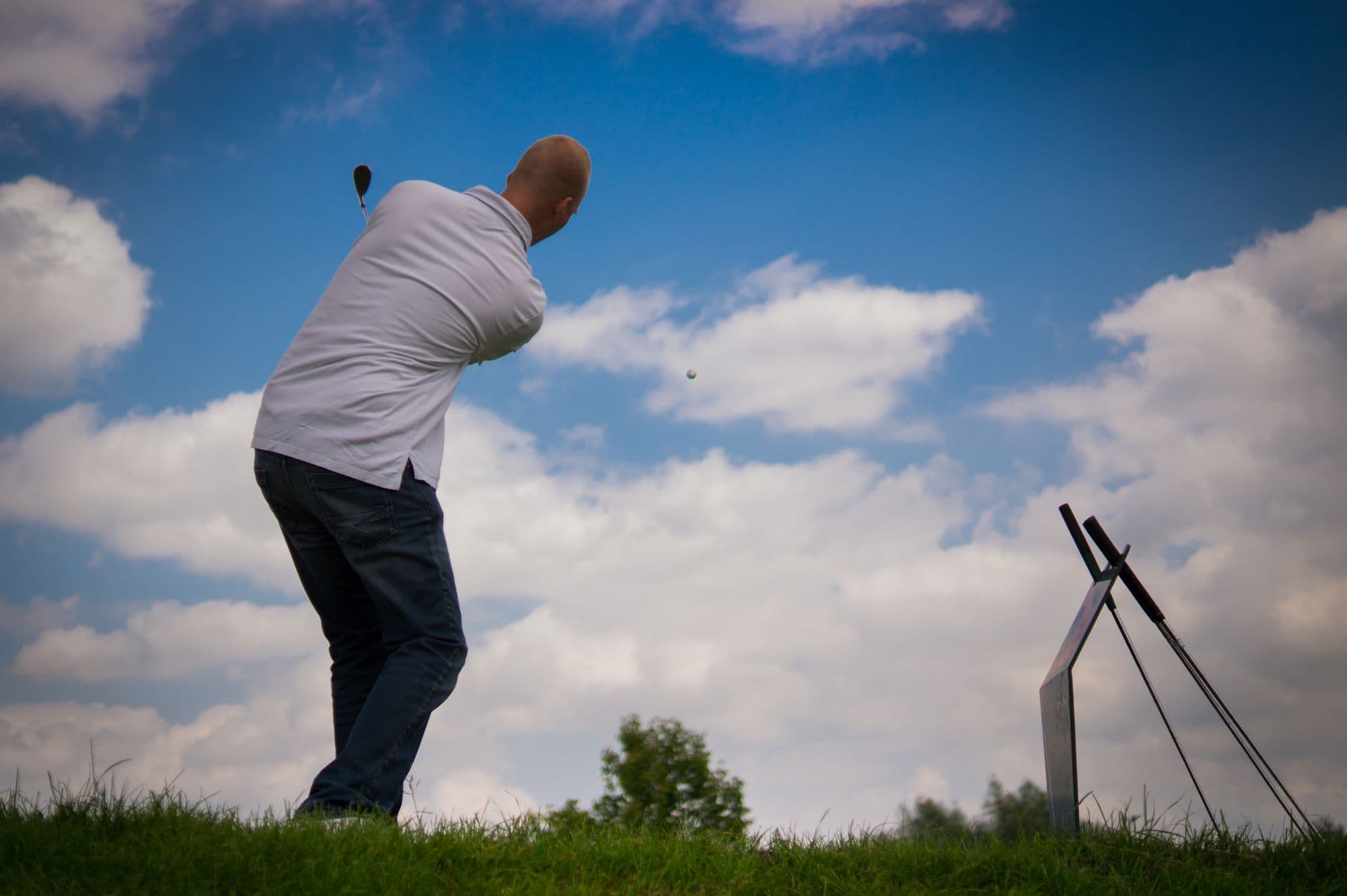
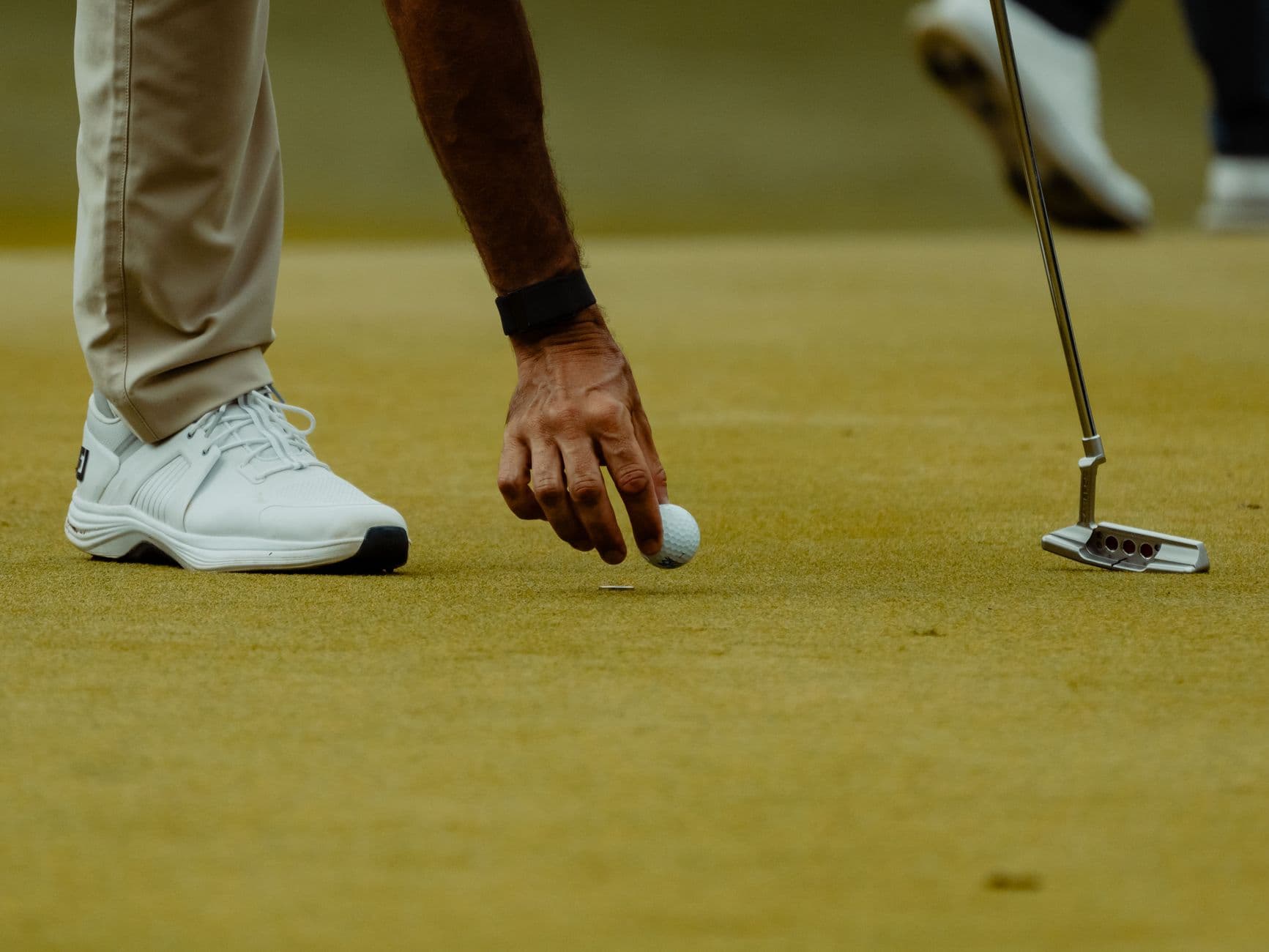
The image of professional golfers as casual athletes who simply walk fairways and swing clubs has become a relic of the past. Today's elite players approach their physical preparation with the same intensity as NFL quarterbacks or Olympic sprinters, recognizing that marginal gains in strength, flexibility, and endurance translate directly to strokes saved and tournaments won.
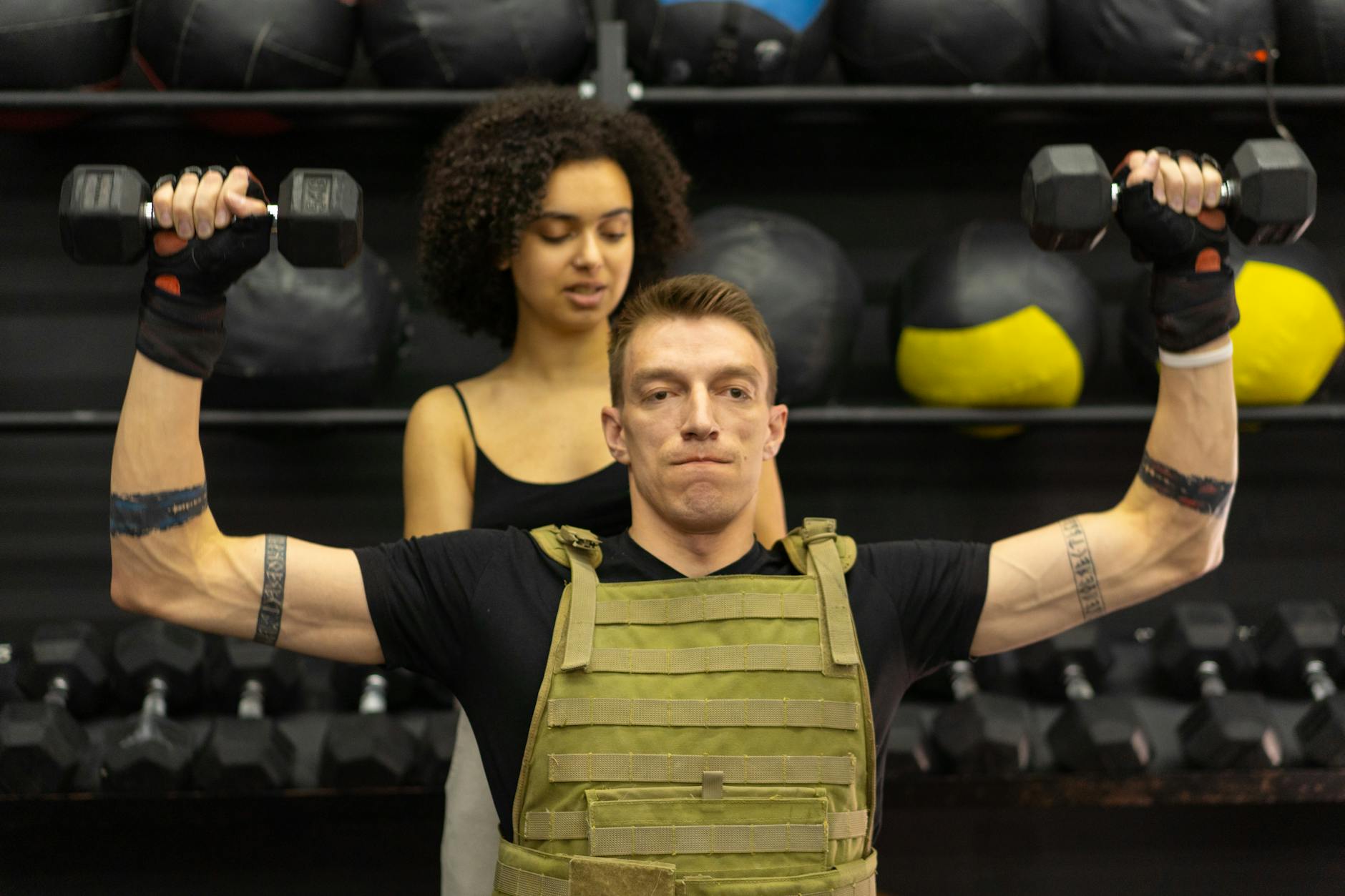
This transformation didn't happen overnight. The shift toward comprehensive fitness programming has accelerated dramatically over the past two decades, fundamentally changing how aspiring professionals prepare for competitive golf and how established stars maintain their edge well into their forties.
The Foundation: Rotational Power and Core Stability
At the heart of every professional's training program lies rotational power development. Unlike traditional gym movements that work in linear planes, golf-specific training emphasizes the transverse plane—the rotational axis that generates clubhead speed and controls ball flight.
Medicine ball throws, cable rotations, and anti-rotation holds form the backbone of most tour player programs. These movements train the body to efficiently transfer energy from the ground through the legs, hips, and torso, ultimately delivering that power to the clubhead at impact.
- Rotational medicine ball slams targeting explosive hip rotation
- Pallof press variations for anti-rotation stability
- Cable woodchops mimicking the golf swing pattern
- Turkish get-ups for full-body coordination and core engagement
Core stability extends beyond aesthetic abdominal development. Tour professionals focus on the deep stabilizing muscles—the transverse abdominis, multifidus, and pelvic floor—that maintain posture throughout the swing and protect the spine from the repetitive rotational forces that characterize elite-level play.
Mobility: The Often-Overlooked Performance Multiplier
While strength captures headlines, mobility work often separates good players from great ones. Limited thoracic rotation, tight hip flexors, or restricted shoulder mobility can force compensatory movement patterns that rob power and create inconsistency.
Modern training programs dedicate significant time to mobility work, often beginning each session with dynamic stretching protocols targeting the hips, thoracic spine, and shoulders. Many professionals work with specialized mobility coaches who identify restrictions through movement screens and develop individualized protocols.
You can have all the strength in the world, but if you can't get into the right positions, that power has nowhere to go. Mobility is the gateway to accessing your athletic potential.
— Performance coaching philosophy
Hip mobility receives particular attention given its role in generating rotational power while maintaining stability. The ability to internally and externally rotate the hips through a full range of motion allows players to load properly in the backswing and clear aggressively through impact.
Endurance and Recovery: Playing the Long Game

A professional tournament round demands four to five hours of sustained concentration while walking several miles over varying terrain. Factor in practice rounds, pro-ams, and the cumulative fatigue of consecutive tournament weeks, and cardiovascular conditioning becomes essential.
Most tour players incorporate zone-two cardio work—typically walking, cycling, or light jogging at conversational intensity—to build aerobic base without creating excessive fatigue or interference with strength training. This foundation supports mental clarity and consistent decision-making through the final holes of Sunday afternoon.
- Morning mobility and activation routines (20-30 minutes)
- Strength training sessions 3-4 times weekly during off-weeks
- Cardiovascular work emphasizing sustained moderate intensity
- Evening recovery protocols including stretching and soft tissue work
- Sleep optimization targeting 8+ hours for hormonal recovery
Recovery technology has become increasingly sophisticated, with players utilizing percussion therapy devices, compression boots, and cold water immersion to accelerate tissue repair between sessions. Sleep tracking and optimization have also gained prominence, as research continues to demonstrate the profound impact of quality rest on athletic performance and cognitive function.
Mental Conditioning and Focus Training
Physical preparation represents only one dimension of the modern professional's regimen. Mental performance coaching has become nearly universal among elite players, addressing the psychological demands that distinguish golf from most other sports.
Breathing techniques, visualization protocols, and pre-shot routine development help players manage arousal levels and maintain focus across four consecutive days of competition. Some professionals incorporate meditation practices, building the attentional control required to execute under pressure.
Equipment Integration: Where Fitness Meets Technology
Physical development doesn't exist in isolation from equipment choices. Increased clubhead speed demands shafts that match a player's tempo and release characteristics. Players generating tour-level ball speeds require equipment engineered to optimize launch conditions and maintain stability through varying swing dynamics.
This intersection of athleticism and technology explains why fitting sessions have become increasingly data-driven, with launch monitors capturing the performance metrics that result from enhanced physical capabilities. A player who adds five miles per hour of clubhead speed through training needs equipment that harnesses that additional power rather than introducing dispersion.
Ball selection similarly evolves with physical development. Higher swing speeds generate different spin characteristics and compression requirements, making ball fitting an ongoing process as players' bodies and swings develop.
The Longevity Factor
Perhaps the most significant impact of comprehensive fitness programming appears in career longevity. Players maintaining elite competitive levels into their forties and even fifties demonstrate what's possible when training emphasizes joint health, movement quality, and injury prevention alongside performance enhancement.
Prehabilitation—training designed to prevent injuries before they occur—has become a cornerstone of professional programs. Strengthening the small stabilizing muscles around vulnerable joints, maintaining tissue quality through soft tissue work, and addressing movement dysfunctions early can extend competitive careers by years or even decades.
The modern tour professional is an athlete in every sense of the word, combining the technical precision golf demands with the physical preparation required to execute that technique under the most demanding conditions. For competitive amateurs looking to improve their own games, this approach offers a template worth considering—not necessarily matching professional training volumes, but incorporating the principles of rotational power, mobility, endurance, and recovery that drive elite performance.
Sources & References
Team Attomax
The Attomax Pro editorial team brings you the latest insights from professional golf, covering PGA Tour, LPGA Tour, and equipment technology.