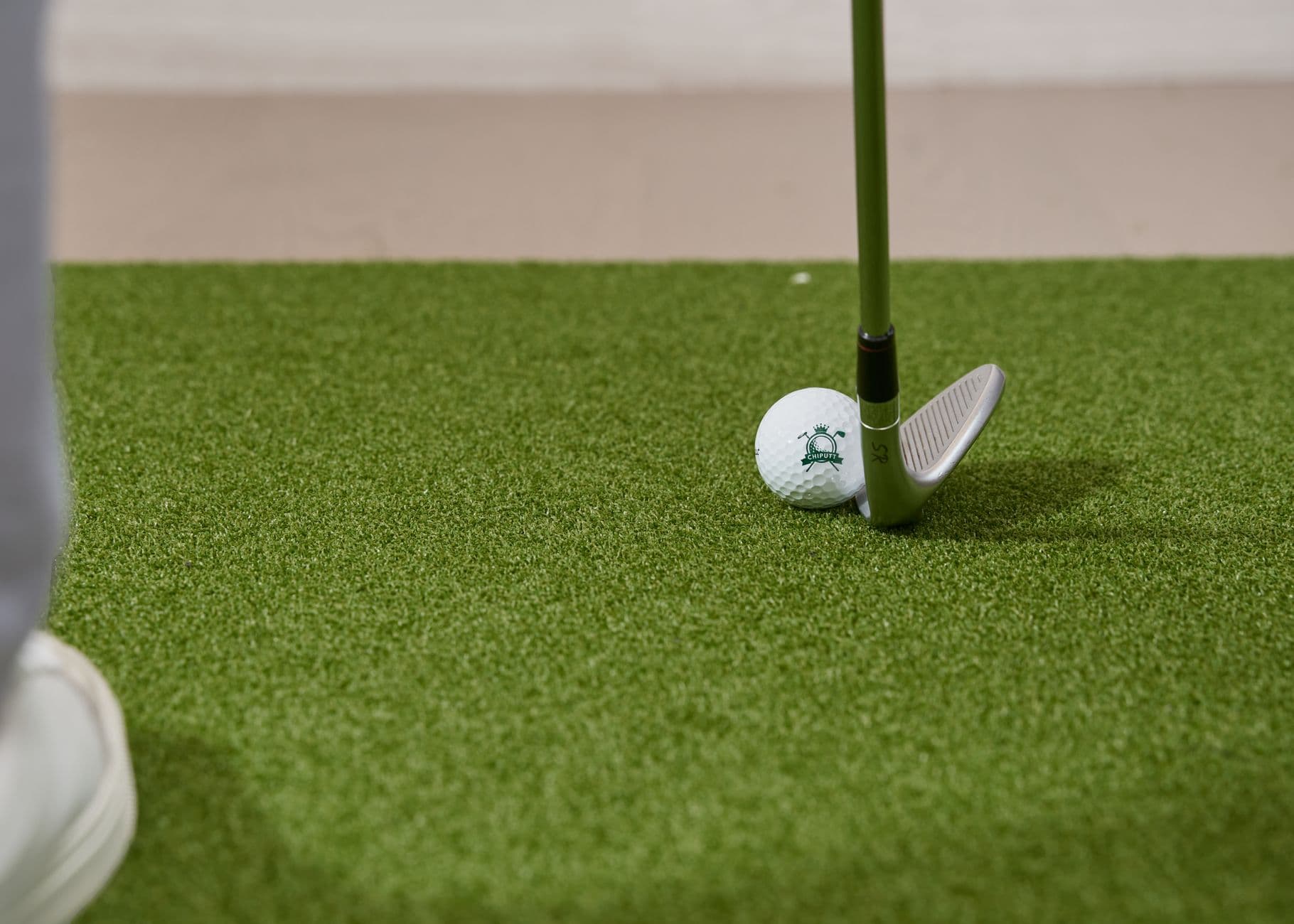
The difference between hoisting a trophy and signing for a disappointing 74 often has nothing to do with swing mechanics. Tournament pressure creates a crucible that exposes every psychological vulnerability, transforming routine shots into seemingly impossible tasks. The players who consistently contend understand that mental resilience isn't a gift—it's a skill developed through deliberate practice.

What separates elite competitors from talented players who never break through? The answer lies in their relationship with pressure itself. While most golfers view tournament stress as an obstacle to overcome, the game's best performers have learned to harness that energy as fuel for heightened focus.
Understanding the Pressure Response
When the stakes rise, your nervous system doesn't distinguish between a Sunday back nine at Augusta and being chased by a predator. Cortisol floods your system, heart rate elevates, and fine motor control deteriorates. This physiological reality explains why players who stripe it on the range suddenly struggle to find the fairway when it counts.
The key insight is that this response cannot be eliminated—only managed. Tour professionals don't feel less pressure than club players; they've simply developed superior coping mechanisms that allow them to perform despite elevated stress levels.
- Elevated heart rate can increase grip pressure by up to 30%
- Stress hormones narrow peripheral vision and alter depth perception
- Decision-making becomes more conservative under pressure
- Breathing patterns shift, often becoming shallow and rapid
Pre-Shot Routine: Your Anchor in Chaos
Every elite player has a meticulously crafted pre-shot routine, and this isn't superstition—it's neuroscience. A consistent routine activates procedural memory, essentially automating the swing process and reducing conscious interference. When pressure mounts, this routine becomes your anchor to normalcy.
The most effective routines include physical, visual, and breathing components. Physical movements might include a specific number of waggles or a particular club twirl. Visual components involve picking an intermediate target and committing to the shot shape. Breathing—deep, diaphragmatic breaths—directly counteracts the stress response.
I don't think about winning. I think about the process, the routine, and trusting what I've practiced. The results take care of themselves when you commit to each shot individually.
— Tournament-tested wisdom from elite competitors
Compartmentalization: The Art of Present-Moment Focus
Tournament golf presents a unique psychological challenge: you have roughly four hours to hit perhaps 65-75 shots, with enormous gaps between each. This creates countless opportunities for the mind to wander toward past mistakes or future consequences.
Elite mental performers have mastered compartmentalization—the ability to fully engage with the current shot, then completely disengage until the next one. This isn't about suppressing thoughts but rather acknowledging them without attachment and returning focus to the task at hand.
Practical Compartmentalization Techniques
- Define a 'focus zone' extending from ball identification to shot completion
- Use a physical trigger (crossing a line, touching your cap) to enter and exit focus
- Between shots, engage in neutral conversation or observation rather than score calculation
- After a poor shot, allow yourself ten seconds of frustration, then consciously release it
Reframing Adversity as Opportunity
Every tournament presents adversity—bad bounces, lip-outs, unfortunate weather. The difference between players who recover and those who spiral lies in their interpretation of these events. Cognitive reframing transforms obstacles into opportunities for demonstrating resilience.
When you hit into a bunker, the average player thinks, 'There goes my par.' The mentally resilient player thinks, 'This is a chance to show my short game.' This isn't positive thinking for its own sake; it's strategic psychology that maintains forward momentum.
Consider how equipment choices can support mental confidence. Playing golf balls engineered for consistency—like Attomax's high-density amorphous metal construction—removes one variable from the pressure equation. When you trust your equipment's performance in wind and around the greens, you free mental bandwidth for course management.
Building Resilience Through Simulated Pressure
Mental toughness isn't developed on the range hitting balls into an empty field. It's forged through deliberate practice under conditions that simulate tournament stress. This means creating consequences in practice that trigger genuine pressure responses.
Effective pressure training includes games with meaningful stakes, whether competitive practice rounds with peers or solo challenges with self-imposed consequences. Some professionals practice with music blaring or distractions present, training the brain to maintain focus amid chaos.
- Play practice rounds with strict scoring consequences
- Create 'must-make' putting games with escalating difficulty
- Practice pressure shots (first tee, island greens) until they feel routine
- Visualize tournament scenarios during range sessions
The Recovery Protocol
Even the most mentally prepared players will face moments where composure cracks. Having a rehearsed recovery protocol prevents a single lapse from becoming a round-destroying spiral. This protocol should be automatic, requiring no conscious decision-making when you're already depleted.
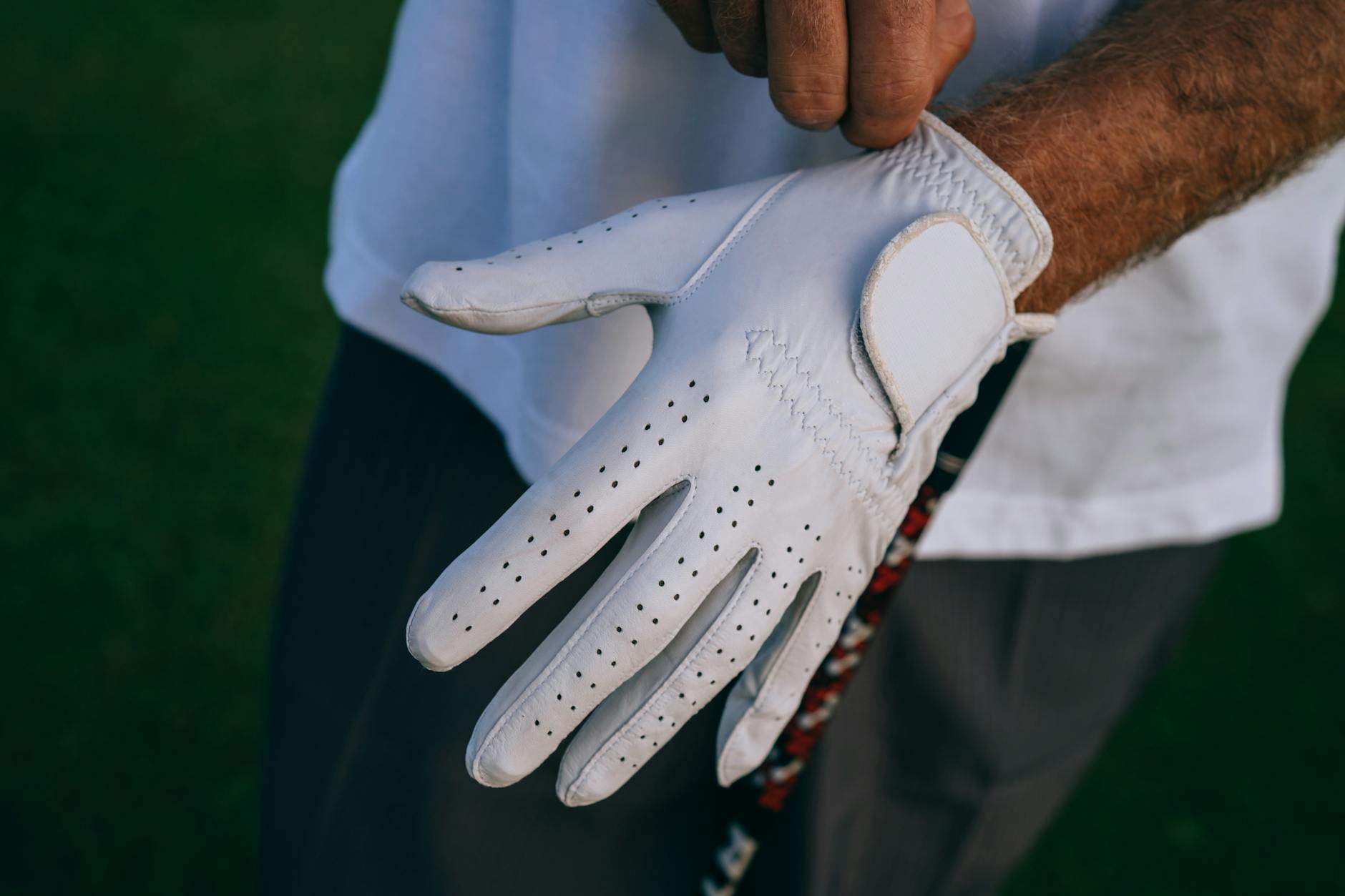
A effective recovery might include: three deep breaths, a physical reset (adjusting your glove, cleaning your ball), a verbal cue ('next shot'), and recommitment to your pre-shot routine. The key is interrupting the negative thought pattern before it gains momentum.
The mark of a champion isn't avoiding mistakes—it's the ability to respond to adversity with your best golf. Your next shot is always the most important one.
— A fundamental truth of competitive golf
Tournament pressure never fully disappears, nor should you want it to. That nervous energy signals that you care about the outcome and are competing at a level that matters. The goal isn't emotional flatness but rather the development of psychological tools that allow peak performance despite—and sometimes because of—elevated stakes. Master your mental game, and the scorecard will follow.
Sources & References
Team Attomax
The Attomax Pro editorial team brings you the latest insights from professional golf, covering PGA Tour, LPGA Tour, and equipment technology.