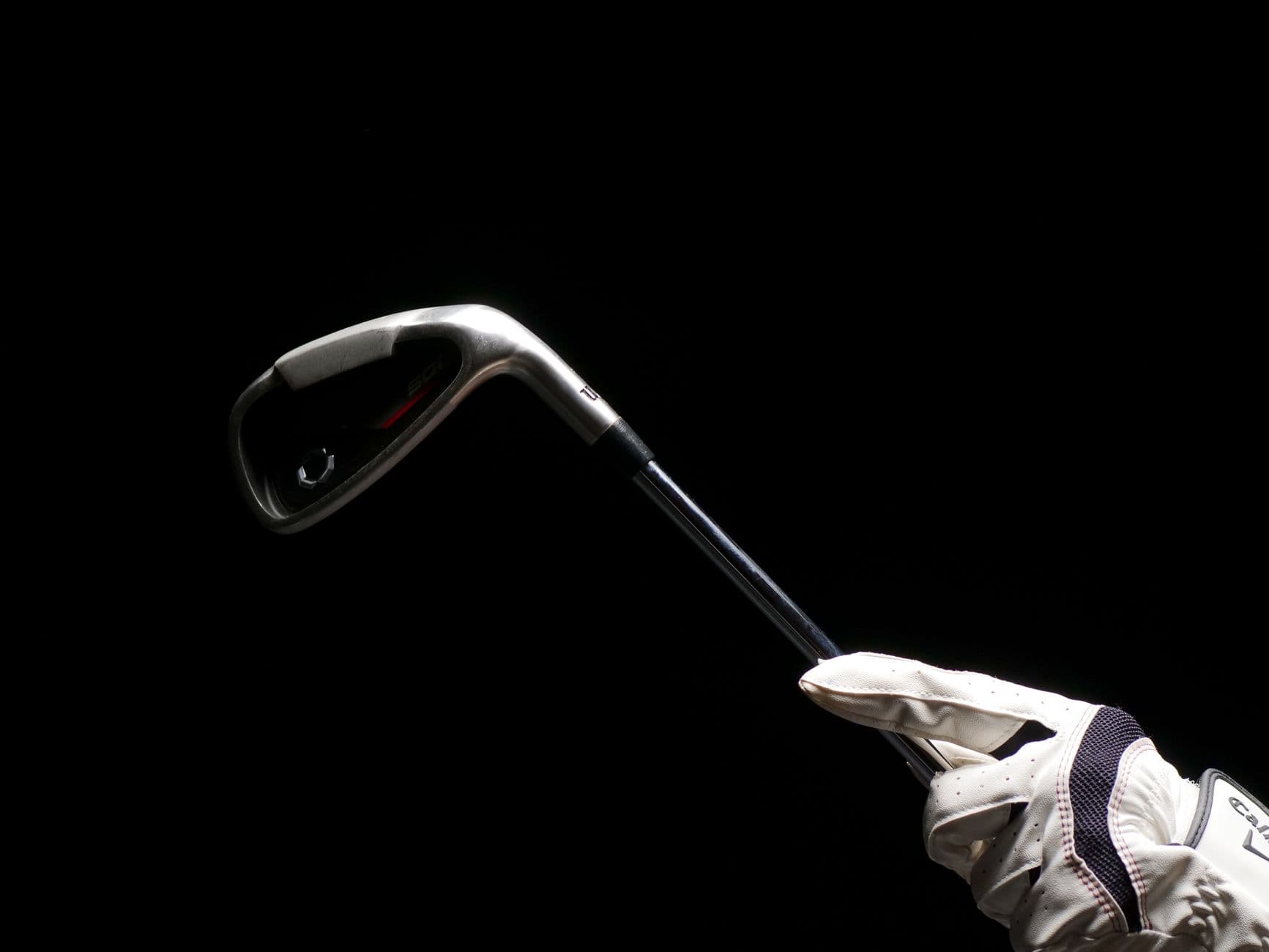
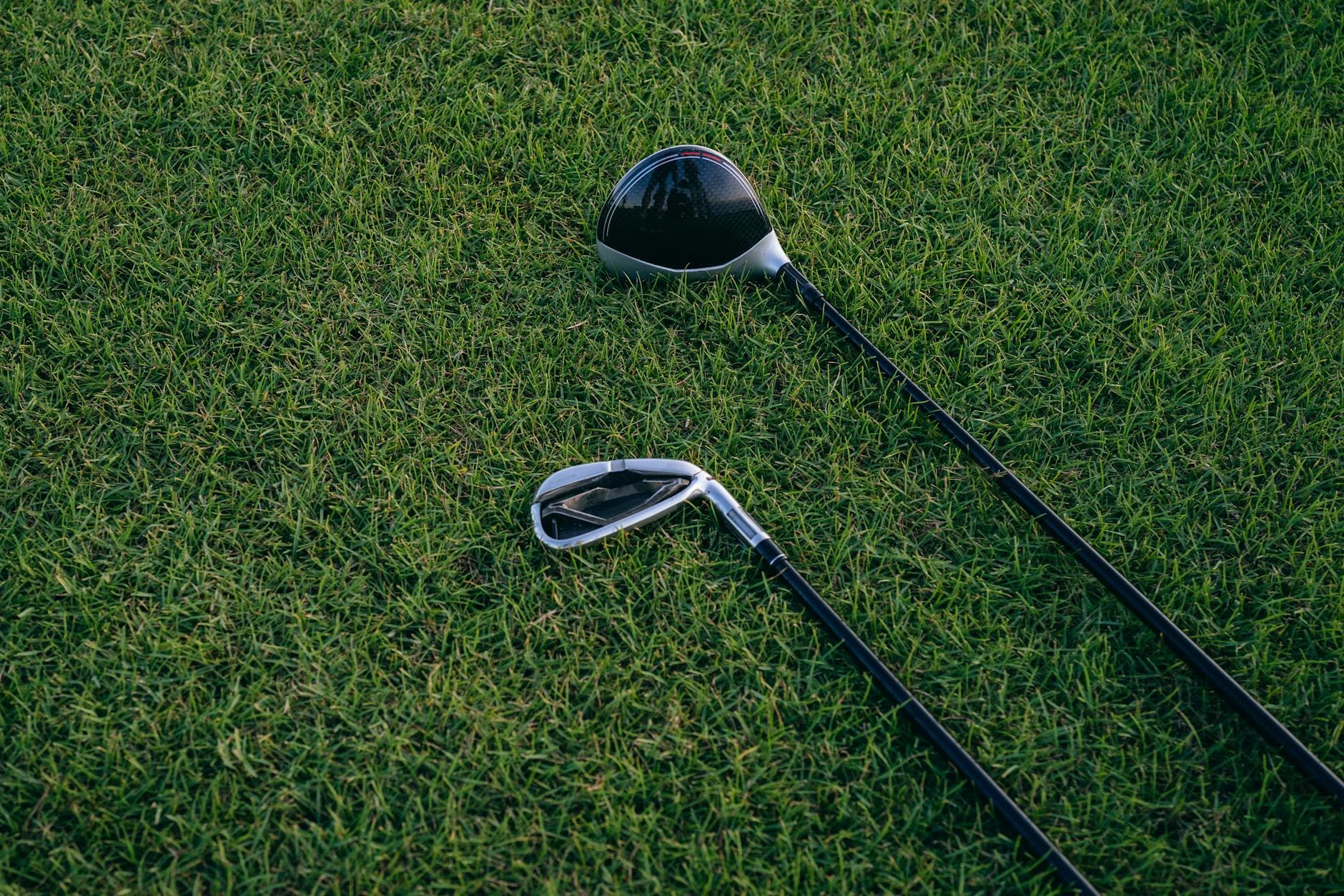
The days of walking into a pro shop, waggling a few demo clubs, and walking out with whatever felt comfortable are effectively over. Custom fitting has evolved from a premium add-on to the fundamental foundation of equipment selection, with tour professionals and serious amateurs alike treating the fitting bay as sacred ground.
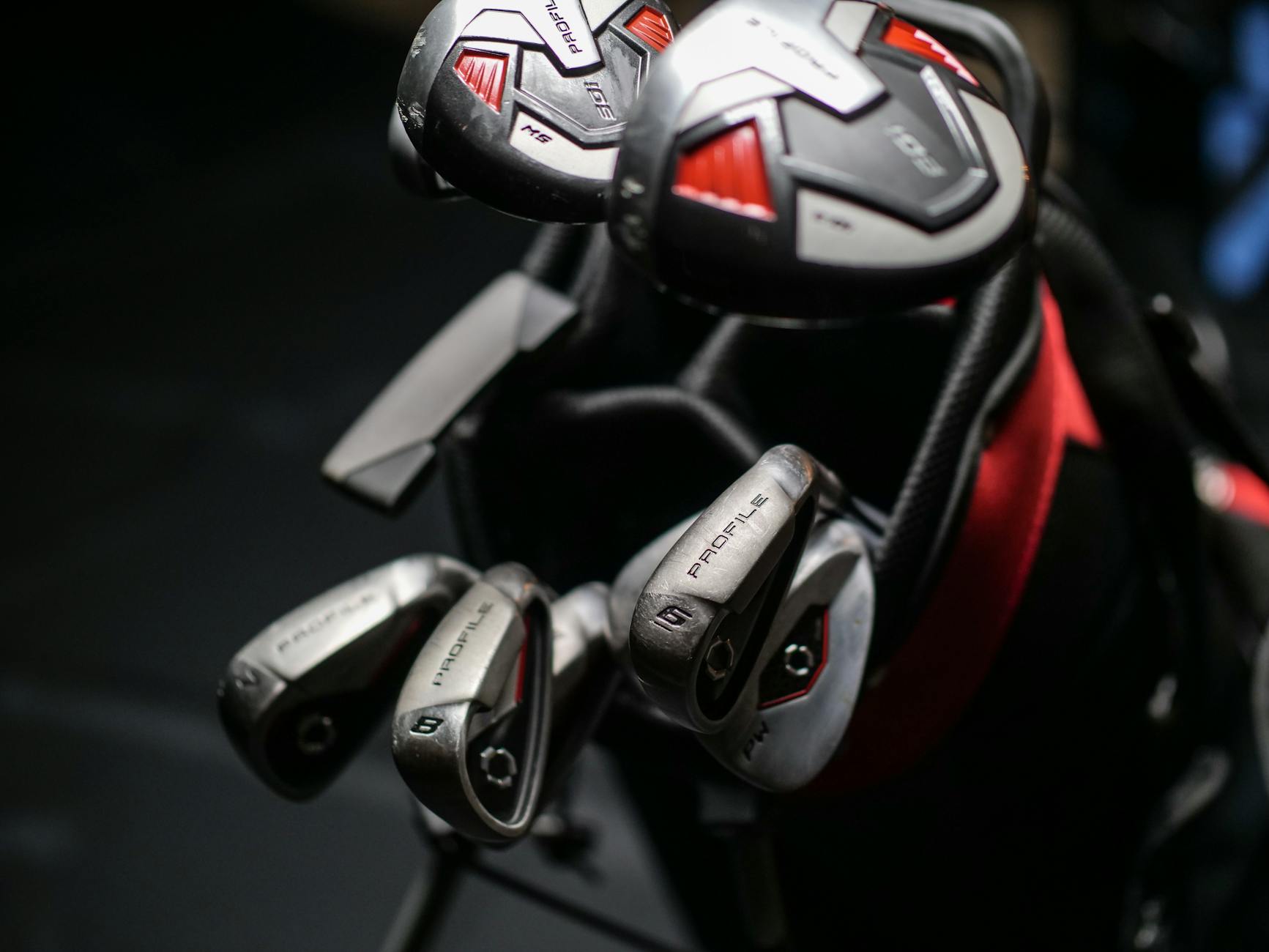
What's driving this shift isn't simply better technology—though that's certainly part of it. The real catalyst is a philosophical change in how golfers understand the relationship between swing characteristics and equipment specifications. The club is no longer adapted to a theoretical 'ideal' swing; it's engineered to optimize the swing you actually have.
Beyond Launch Monitors: The Multi-Layered Fitting Approach
Modern fitting facilities have moved well beyond the single-metric obsession with ball speed and carry distance. Today's comprehensive fitting sessions integrate multiple data streams simultaneously, creating what industry insiders call a 'swing fingerprint'—a unique profile that accounts for everything from shaft loading patterns to ground reaction forces.
Pressure-plate technology, originally developed for biomechanical research, now allows fitters to analyze weight transfer patterns and correlate them with delivery positions. This matters enormously for shaft selection, where the timing of a player's transition directly influences optimal flex profiles and kick points.
- Spin axis analysis for identifying systematic miss patterns
- 3D motion capture for understanding kinematic sequences
- Pressure mapping for ground force optimization
- High-speed video integration for visual feedback correlation
- Face impact location tracking for center-of-gravity matching
The integration of these systems means fitters can now identify why a player is losing distance or fighting a particular ball flight, not just that they are. This diagnostic capability transforms the fitting from a trial-and-error exercise into a prescription-based process.
The Shaft Revolution: Where Custom Fitting Delivers Maximum ROI
If there's one area where custom fitting consistently delivers the most dramatic improvements, it's shaft optimization. The shaft remains the engine of the golf club, and the proliferation of shaft options—with varying weight, flex profiles, torque ratings, and bend profiles—has made expert guidance essential rather than optional.

Consider the difference between two shafts with identical flex ratings. One might feature a low kick point with higher torque, promoting a higher launch with more spin. Another might offer a mid-kick point with reduced torque, delivering a more penetrating trajectory with lower spin. Both are labeled 'stiff,' yet they perform entirely differently for the same player.
The flex rating on a shaft is like the horsepower number on a car—it tells you something, but it doesn't tell you how the car actually drives.
— Industry shaft fitting specialist
This complexity explains why tour professionals often test dozens of shaft combinations before settling on specifications. The average amateur, working with a qualified fitter, can shortcut this process dramatically by using swing data to narrow the field before any club is struck.
Ball Fitting: The Overlooked Variable
Club fitting garners the headlines, but ball fitting remains criminally underutilized among skilled players. The interaction between clubhead design, shaft characteristics, and ball construction creates a system where changing one variable affects all others.
Compression matching—selecting a ball whose compression characteristics align with a player's swing speed and attack angle—can meaningfully influence both distance and control. A player generating significant speed with a steep attack angle has fundamentally different needs than one with moderate speed and a shallow approach.
High-density ball constructions, such as those utilizing amorphous metal cores, have introduced new fitting considerations. These designs often deliver exceptional wind stability and consistent energy transfer, but they perform optimally when paired with appropriate shaft characteristics and swing profiles. The fitting conversation increasingly encompasses the entire equipment ecosystem rather than isolated components.
The Putter Fitting Renaissance
Putter fitting has undergone perhaps the most dramatic transformation in recent years. Advanced stroke analysis systems now capture arc patterns, face rotation rates, and tempo characteristics with remarkable precision, enabling fitters to recommend not just length and lie but also toe hang, face balance, and weighting configurations.
The emergence of adjustable putters—with moveable weights and customizable hosels—has made precise fitting more accessible. Players can now dial in specifications that would have required custom builds a decade ago, adjusting MOI distribution and toe flow to match their natural stroke tendencies.
What Serious Players Should Expect From a Modern Fitting
A comprehensive fitting session in 2026 should include several non-negotiable elements. Static measurements remain the starting point—wrist-to-floor distance, hand size, and posture tendencies establish baseline specifications. But the dynamic assessment is where modern fitting distinguishes itself.
- Pre-session interview covering playing tendencies, miss patterns, and equipment history
- Baseline data collection with current equipment for comparison benchmarks
- Systematic testing of head designs, progressing from driver through wedges
- Shaft matrix evaluation matching delivery characteristics to flex profiles
- On-course validation when possible, confirming fitting bay results translate to real conditions
- Follow-up session to address any adjustments after initial rounds
The entire process typically requires three to four hours for a full bag fitting, though many players opt to address categories separately—woods one session, irons another—to maintain focus and avoid fatigue-induced swing changes that compromise data quality.
The Economic Argument for Custom Fitting
The cost objection to professional fitting deserves scrutiny. A comprehensive session might run several hundred dollars, but consider the alternative: purchasing ill-suited equipment, playing poorly with it, and eventually replacing it with different ill-suited equipment. The fitting fee represents insurance against thousands of dollars in misdirected equipment spending.
More importantly, properly fitted equipment accelerates improvement. A player fighting equipment limitations is a player not developing their swing efficiently. Remove the equipment variable, and practice time becomes dramatically more productive.
The custom fitting revolution reflects a broader maturation in how serious golfers approach the game. Equipment is no longer an afterthought or a status symbol—it's a precisely calibrated tool optimized for individual performance. Players who embrace this philosophy gain an edge that compounds with every round played.
Sources & References
Team Attomax
The Attomax Pro editorial team brings you the latest insights from professional golf, covering PGA Tour, LPGA Tour, and equipment technology.