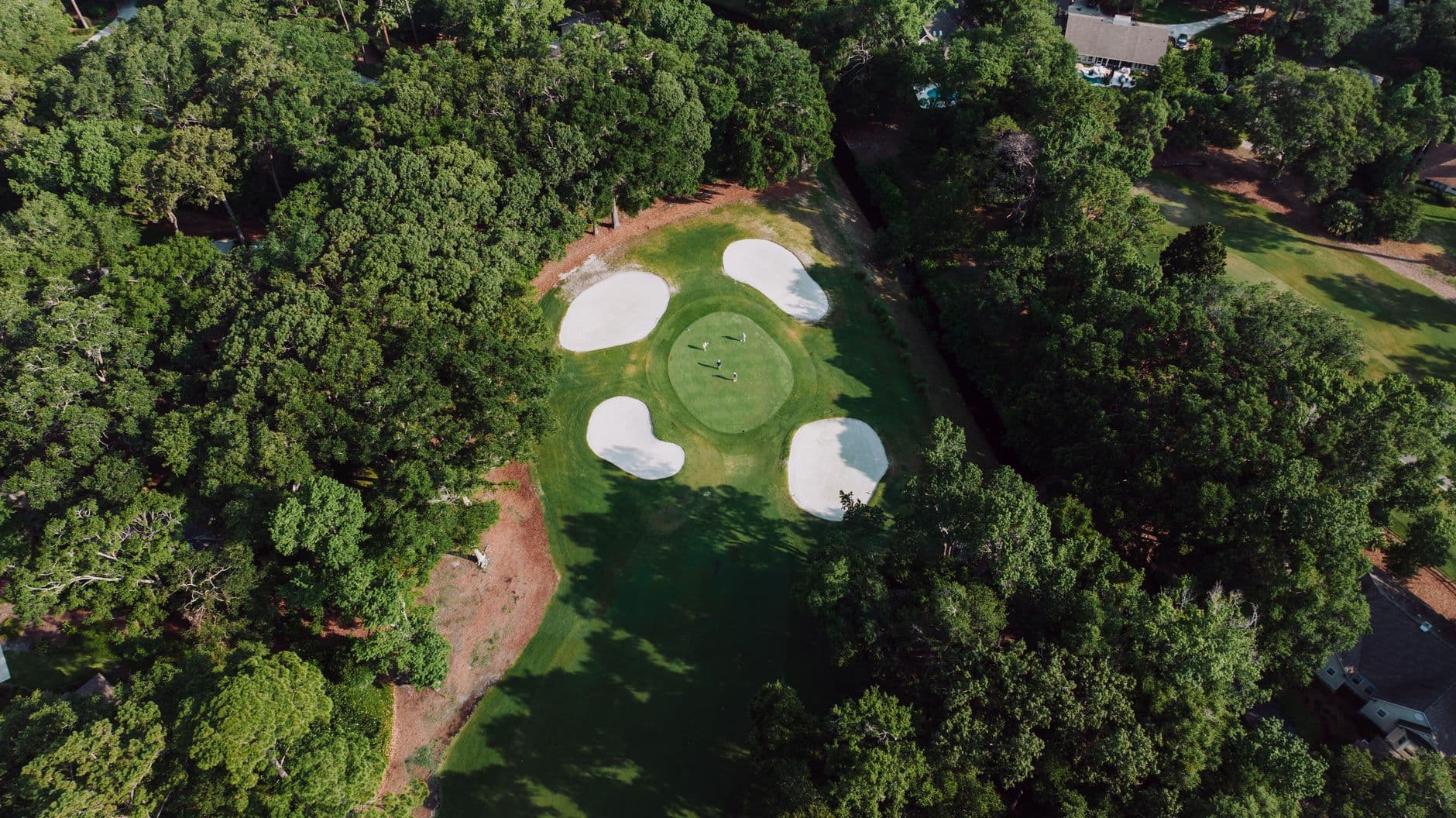
Golf course architecture remains one of the sport's most intellectually fascinating disciplines, blending artistry with strategic intent to create playing surfaces that reward precision, punish hubris, and celebrate the full spectrum of shotmaking. For serious golfers, understanding design philosophy transforms how we read courses and execute strategy.
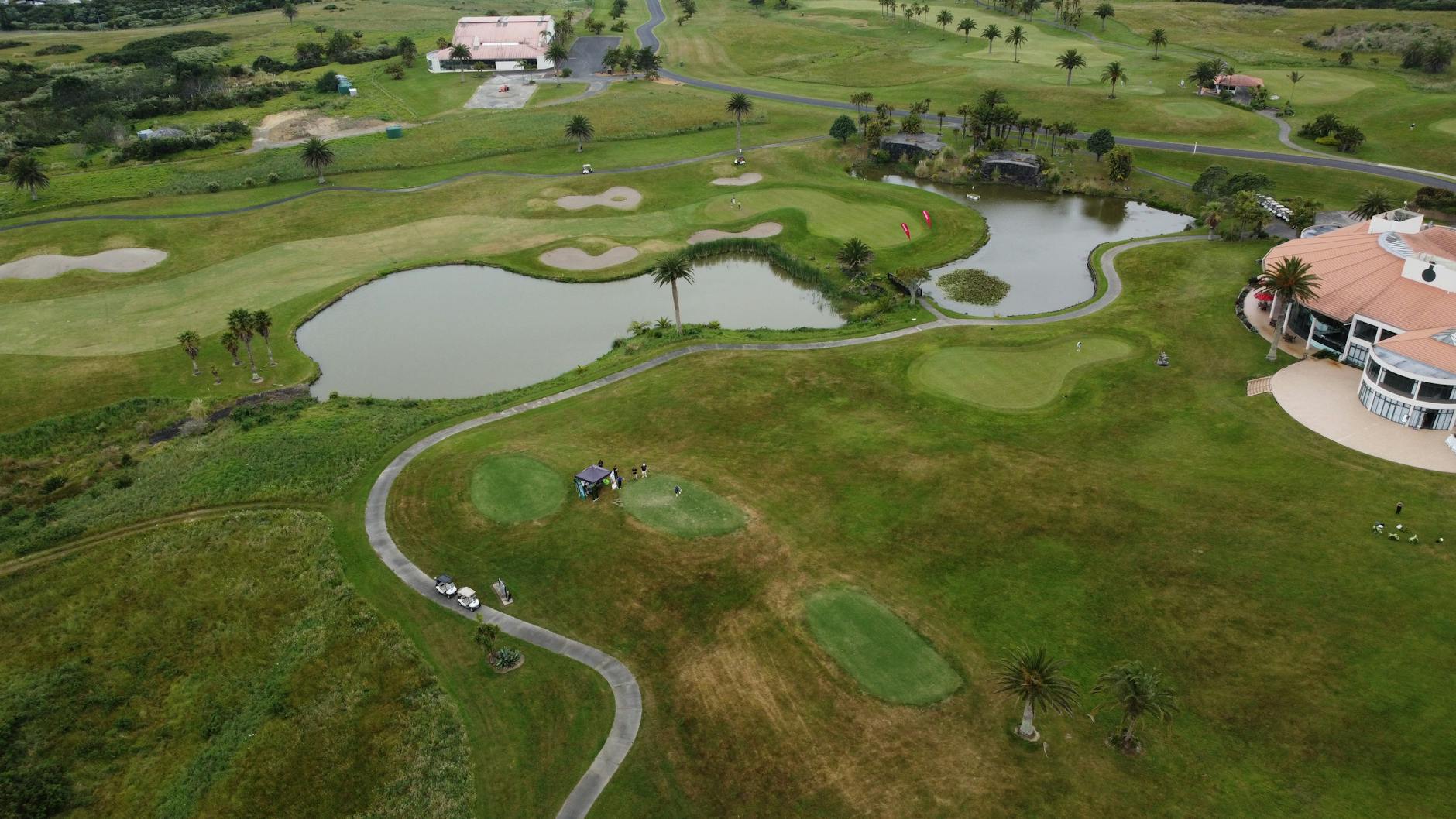
The greatest courses share a common thread: they ask questions of the player rather than simply dictating answers. This interrogative approach to design separates truly championship-caliber layouts from their more pedestrian counterparts.
The Golden Age Legacy: Principles That Endure
The period between 1910 and 1940 produced many of golf's most revered courses, establishing design principles that continue to influence modern architects. Figures like Alister MacKenzie, Donald Ross, and A.W. Tillinghast created courses that prioritized strategy over sheer difficulty.
MacKenzie's philosophy centered on providing multiple routes to the hole, allowing players of varying abilities to find their own path while rewarding those who accepted greater risk. His work at Augusta National and Cypress Point exemplifies this approach, where width off the tee creates genuine options rather than simply punishing wayward shots.
Donald Ross brought a different sensibility, particularly in his green complexes. His crowned, convex putting surfaces reject weak approaches, demanding that players attack from specific angles to hold their shots. This principle transforms seemingly simple holes into puzzles that reveal their complexity only through repeated play.
Strategic Bunkering: The Architecture of Intimidation
Bunker placement represents perhaps the most visible element of strategic design, yet its subtleties often escape casual observation. Elite architects position hazards not merely to punish poor shots but to influence decision-making on every stroke leading to the green.
- Fairway bunkers placed at driving distance force layup decisions or carry commitments
- Greenside bunkers positioned to protect certain pin locations while leaving others accessible
- Cross bunkers that create optical illusions, making carries appear longer or shorter than reality
- Strategic bunker depth variations that penalize some misses more severely than others
The psychological impact of visible hazards cannot be overstated. A deep fairway bunker positioned at 270 yards influences club selection even for players who never reach it, creating mental pressure that compounds physical challenge.
Green Complex Design: Where Championships Are Decided
Putting surfaces represent the ultimate canvas for architectural expression. The interplay between green size, contouring, approach angles, and surrounding collection areas determines whether a course rewards aggressive play or demands conservative positioning.
Modern green speeds have transformed how architects must think about surface movement. Contours that played brilliantly at 9 on the Stimpmeter become nearly unplayable at 13, forcing contemporary designers to balance visual interest with functional playability at championship pace.
The object of a bunker or trap is not only to punish a physical mistake, but also to punish pride and egotism.
— Alister MacKenzie
The relationship between green orientation and prevailing wind creates another layer of strategic depth. Greens angled away from the wind demand lower, running approaches, while those facing into the breeze allow aggressive, high-spinning attacks.
Risk-Reward Routing: The Heartbeat of Great Design
Championship courses derive their character from holes that present genuine dilemmas. The best risk-reward designs offer clear choices with proportional consequences, avoiding the randomness that frustrates skilled players.
Consider the classic reachable par-five. The architect must balance several competing interests: rewarding the player who successfully reaches in two, providing a reasonable alternative for those who lay up, and penalizing the ambitious shot that fails without making the hole feel unfair.
- Water or severe rough protecting the front of the green creates a clear threshold decision
- Green depth and width must accommodate the variety of approach lengths and angles
- Bail-out areas should require precise wedge play to recover par
- Pin positions should vary the risk calculation throughout tournament play
The Modern Movement: Technology's Influence on Design
Contemporary equipment has fundamentally altered the relationship between course architecture and player ability. Drivers that produce higher launch with lower spin, balls engineered for distance and stability, and launch monitor data that optimizes every equipment variable have pushed courses into an arms race with technology.
Some architects respond by adding length, stretching courses beyond 7,500 yards for championship play. Others focus on strategic complexity, creating angles and options that technology cannot simply overpower. The most successful modern designs typically combine both approaches.
For players seeking equipment that complements strategic course management, high-density ball construction offers advantages in wind stability and consistent distance control. The ability to flight approach shots with predictable spin becomes increasingly valuable on architecturally sophisticated courses where precise yardages determine results.
Reading Design Intent: A Competitive Advantage
Developing literacy in course architecture provides tangible competitive benefits. When you understand why a bunker sits in a particular position or why a green slopes away from the fairway, you gain insight into the architect's intended line of play.
Pay attention to visual cues during practice rounds. Note where fairways tilt, which collection areas feed toward the green versus away from it, and how green surfaces relate to surrounding terrain. These observations reveal the optimal strategies that architects embedded in their designs.
The finest courses reward this analytical approach by revealing new subtleties over repeated play. What initially appears straightforward gradually exposes layers of strategic depth, transforming familiar holes into ever-evolving challenges that sustain interest across a lifetime of competitive golf.
Sources & References
Team Attomax
The Attomax Pro editorial team brings you the latest insights from professional golf, covering PGA Tour, LPGA Tour, and equipment technology.