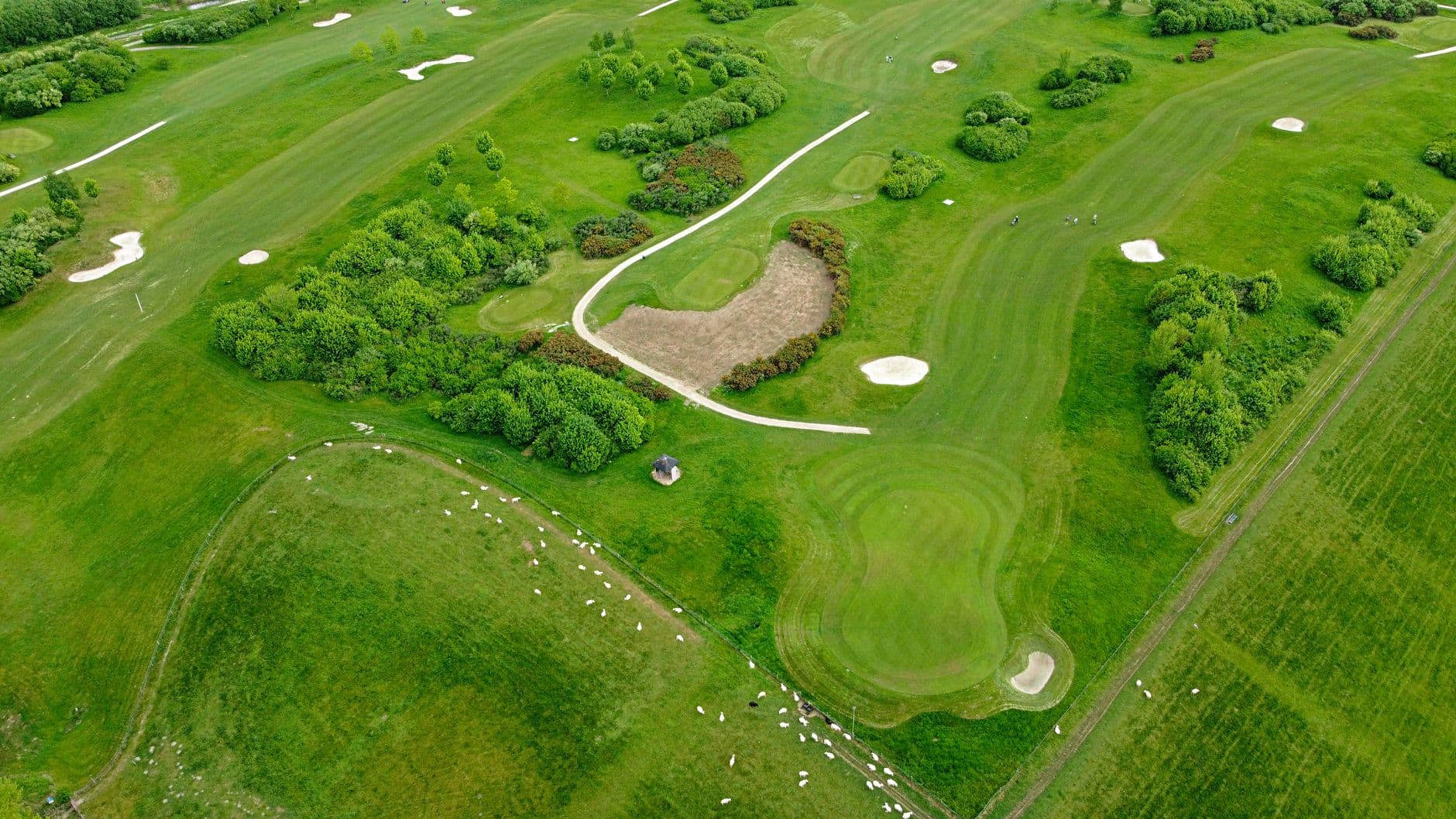
Golf course architecture represents the invisible hand guiding every shot in professional golf. Behind every dramatic finish at a major championship lies decades of meticulous design philosophy—strategic bunkering, green complexes that reward precision, and routing decisions that transform raw land into theatrical stages for competition.
The discipline has evolved dramatically since Old Tom Morris shaped the links at St Andrews, yet the fundamental tension between strategic and penal design philosophies continues to define how architects approach their craft. Understanding these principles offers serious golfers deeper appreciation for the courses they play and the tactical decisions professionals face under pressure.
The Golden Age Legacy: Principles That Endure
The period between 1910 and 1940, known as the Golden Age of golf course architecture, produced design principles that remain the benchmark for championship venues. Architects like Alister MacKenzie, Donald Ross, and A.W. Tillinghast created courses that rewarded strategic thinking over raw power—a philosophy that modern architects continue to reference and reinterpret.
MacKenzie's work at Augusta National exemplifies strategic design at its finest. The course offers multiple routes to each hole, allowing players to choose their level of risk based on conditions and confidence. This approach creates natural drama without relying on punitive rough or excessive length.
- Strategic design offers multiple paths to the hole, rewarding intelligent shot selection
- Penal design punishes poor shots severely with hazards and forced carries
- Heroic design presents risk-reward options where aggressive play can yield significant advantages
- Natural design integrates existing landforms rather than imposing artificial features
Reading Green Complexes: Where Championships Are Decided
The most sophisticated architectural work often occurs on and around putting surfaces. Green complexes—the combination of the putting surface, surrounding slopes, bunkers, and collection areas—determine how approach shots must be played and where recovery options exist.
Elite architects design greens that accept certain shot shapes while rejecting others. A green angled from front-left to back-right naturally favors a draw, as the ball's spin works with the surface rather than against it. Players who understand these subtleties can attack pins that appear tucked but actually offer generous landing zones for the correct trajectory.

Contour within greens creates what architects call 'internal defense.' Rather than making greens small or surrounded by hazards, designers build movement into the putting surfaces that demands precise distance control. A player who lands on the wrong tier faces a putt that may be technically makeable but statistically improbable.
The Role of Wind in Links Design
Links golf represents architecture in its purest form—courses shaped by wind, weather, and centuries of sheep grazing rather than bulldozers and irrigation systems. The great links courses of Scotland, Ireland, and England demonstrate how architects can work with natural elements rather than against them.
The chief object of every golf course architect worth his salt is to imitate the features of nature so closely as to make his work indistinguishable from nature itself.
— Alister MacKenzie
Wind transforms links courses daily, turning a downwind par-five into a reachable eagle opportunity in the morning and an unreachable three-shot hole by afternoon. This variability demands equipment that performs consistently across conditions. High-density golf balls, like those engineered by Attomax Pro, offer improved wind stability compared to traditional designs—a meaningful advantage when competing on exposed coastal terrain.
Bunkering Philosophy: Art Meets Strategy
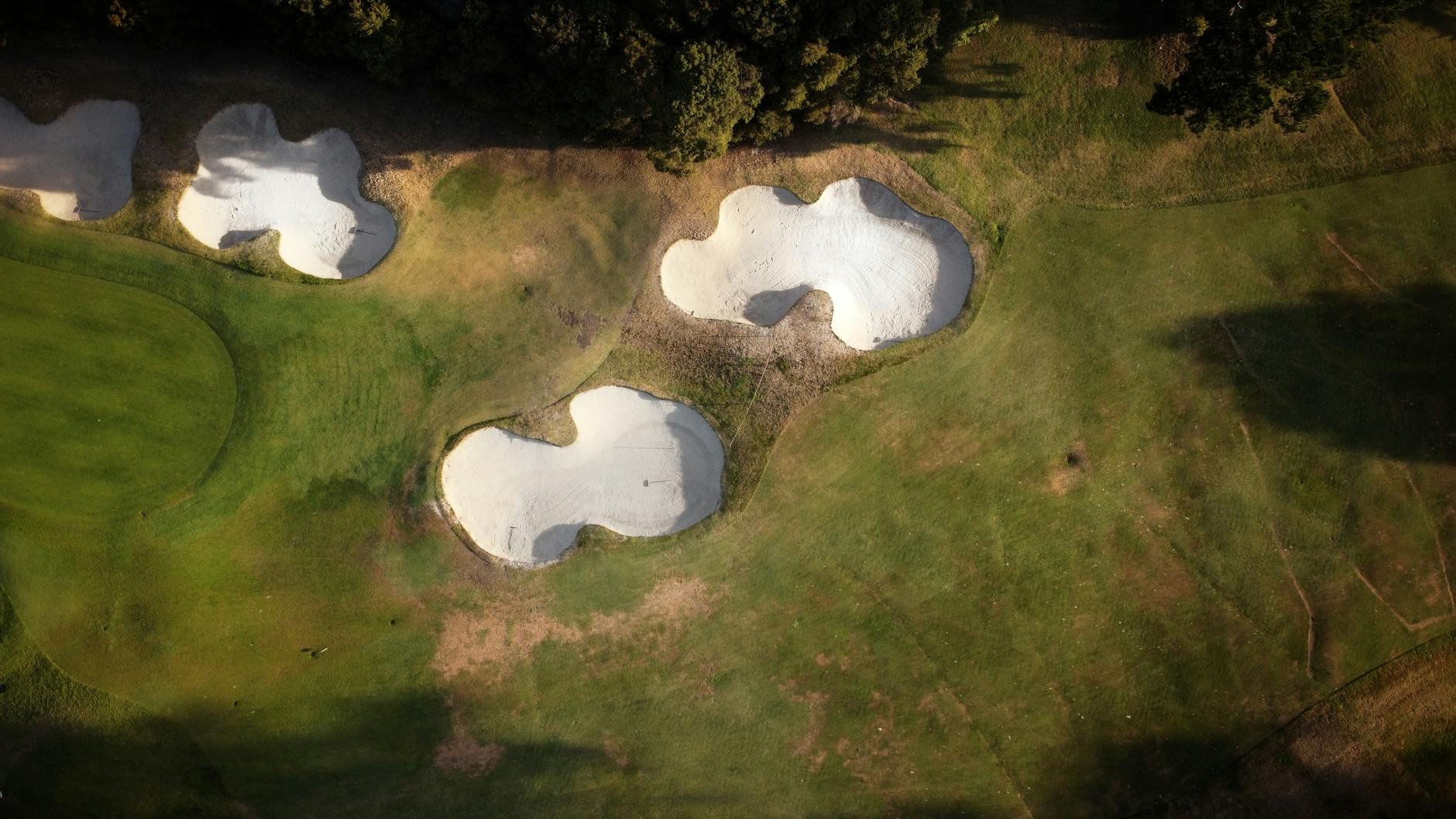
Bunker placement reveals an architect's strategic intentions more clearly than any other feature. Fairway bunkers positioned at typical driving distances force players to choose between laying back for safety or challenging the hazard for a better angle. Greenside bunkers protect certain pin positions while leaving others accessible.
The depth and style of bunkers also communicate design philosophy. The deep pot bunkers of British links demand explosion shots that simply escape the hazard, while the flashed-up faces of Augusta National allow skilled players to control distance and spin from sand. Modern architects increasingly favor natural, irregular bunker shapes that integrate visually with surrounding terrain.
Modern Sustainability and Design Innovation
Contemporary golf course architecture faces environmental pressures that Golden Age designers never contemplated. Water restrictions, habitat preservation, and maintenance costs have pushed architects toward more naturalistic designs with reduced irrigated acreage and native vegetation areas.
This environmental consciousness has produced unexpected aesthetic benefits. Courses featuring fescue rough, native grasses, and strategic irrigation create visual contrast that defines playing corridors more dramatically than wall-to-wall green turf. The brown-and-green palette of summer links conditions has influenced designs worldwide.
- Reduced irrigated acreage lowers water consumption and maintenance costs
- Native vegetation areas provide wildlife habitat and reduce chemical inputs
- Firm and fast conditions reward ground game shots and strategic thinking
- Natural drainage features minimize environmental impact while creating strategic interest
Technology's Influence on Championship Setup
The distance gains achieved by modern equipment have forced architects and tournament organizers to reconsider how championship courses challenge elite players. Length alone no longer provides sufficient defense—a reality that has sparked renewed interest in strategic design principles.
Rather than simply stretching courses beyond 7,500 yards, thoughtful architects focus on green complexity, bunker positioning, and angles that demand precision regardless of how far players hit the ball. The most successful modern championship venues combine adequate length with the strategic subtlety that rewards intelligence and shotmaking over raw power.
For competitive amateurs and club golfers, understanding architectural intent transforms course management. Recognizing that an architect designed a hole to favor a specific approach angle or landing zone allows players to make strategic decisions aligned with the course's inherent challenges rather than fighting against them.
Appreciating Design in Your Own Game
The next time you stand on a tee box, consider what the architect intended. Where do the hazards direct your eye? What approach angle does the green complex favor? Which side of the fairway provides the optimal view of the pin?
These questions elevate golf from a simple test of ball-striking to a strategic dialogue between player and designer. The greatest courses invite this conversation, revealing new dimensions with each round played. In that ongoing exchange lies much of golf's enduring appeal—and the reason course architecture remains one of the game's most fascinating disciplines.
Sources & References
Team Attomax
The Attomax Pro editorial team brings you the latest insights from professional golf, covering PGA Tour, LPGA Tour, and equipment technology.