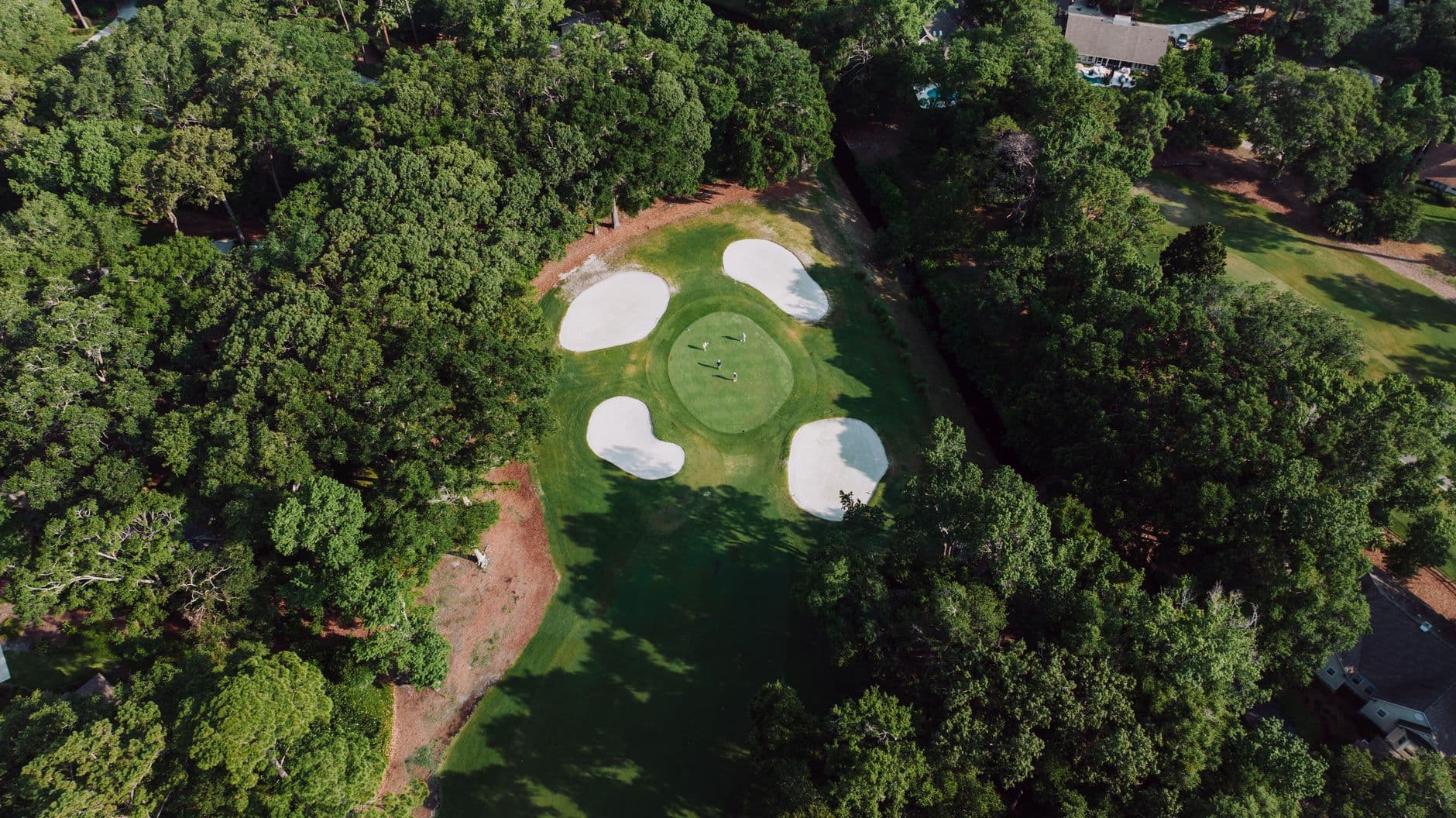
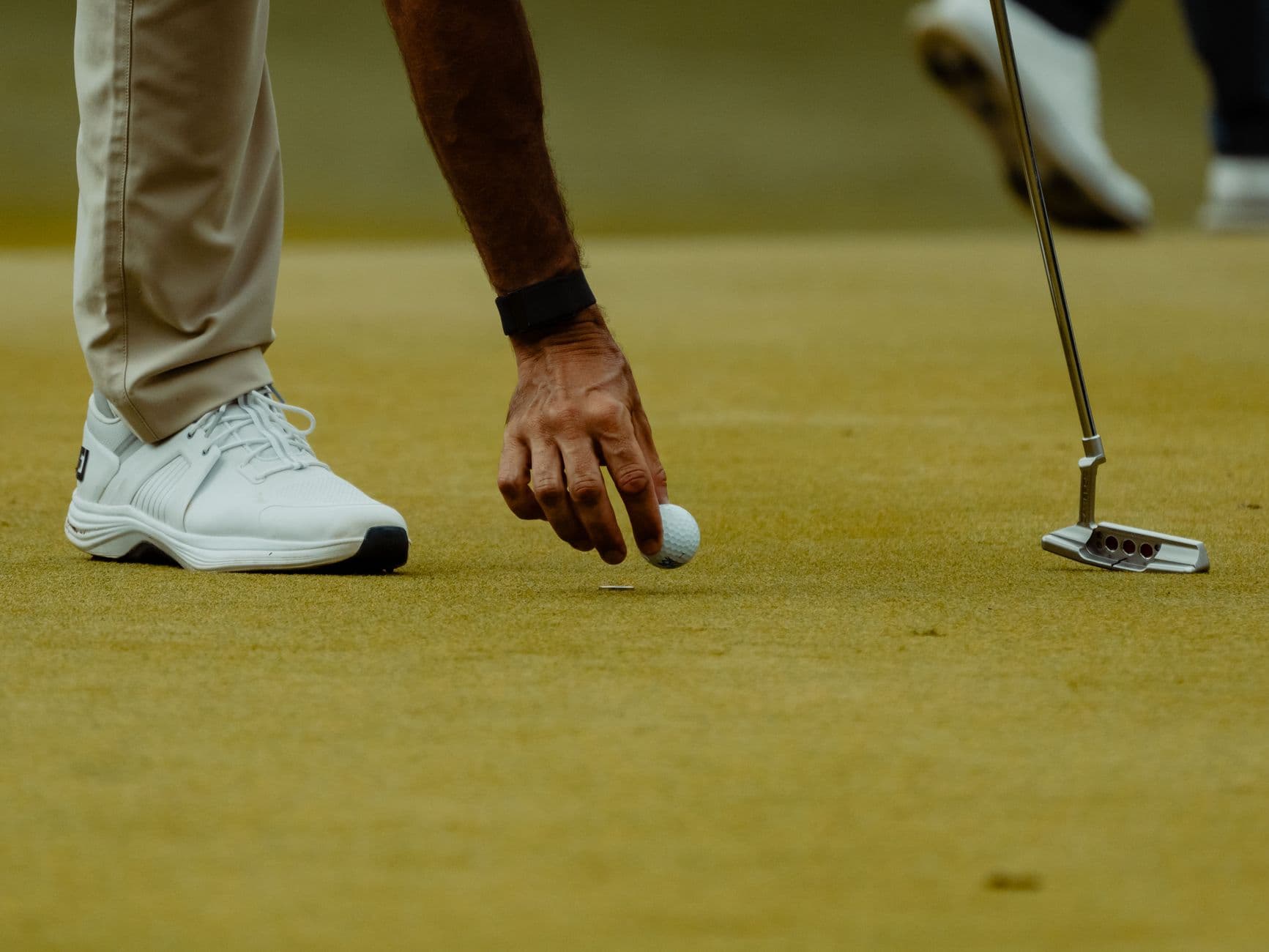
In an era obsessed with ball speed and driving distance, the most decisive skill separating elite PGA Tour players from the field often goes unnoticed in highlight reels. Course management—the cerebral chess match between player and architect—continues to determine outcomes at the highest level, regardless of what the launch monitor displays.
While casual observers fixate on 350-yard bombs and miraculous recovery shots, seasoned golf analysts understand that tournament victories are built on hundreds of smaller decisions. Where to miss, when to attack, and how to manufacture scoring opportunities from defensive positions—these calculations separate contenders from also-rans.
The Strategic Evolution of Modern Tour Players
Today's elite players approach each round with unprecedented analytical sophistication. Shot-tracking data, strokes gained metrics, and detailed course mapping have transformed pre-tournament preparation into a science. Players and their teams study pin positions, prevailing winds, and historical scoring patterns weeks before arriving on site.
This preparation manifests in subtle ways that reward careful observation. Watch how top players navigate par-5s differently based on pin location, or how they adjust their approach strategy when hole locations favor certain shot shapes. These micro-decisions compound over 72 holes.
Risk Assessment: The Mental Calculus
Elite course management begins with honest self-assessment. The best players understand their tendencies under pressure—which shots they trust and which ones betray them when stakes escalate. This self-awareness informs every strategic decision.
- Identifying high-percentage targets versus ego-driven attacks
- Understanding when par represents a good score on demanding holes
- Recognizing course conditions that favor conservative play
- Calculating risk-reward based on tournament position and remaining holes
The mental discipline required to lay up when thousands of spectators expect heroics separates professionals from amateurs. Accepting bogey to avoid double-bogey, or taking medicine after an errant tee shot rather than compounding errors—these decisions reflect competitive maturity.
Wind Play and Environmental Adaptation
Perhaps no aspect of course management separates skill levels more dramatically than wind play. When conditions deteriorate, the gap between elite ball-strikers and the field widens considerably. Players who can control trajectory, work the ball both directions, and adjust their equipment choices thrive.

The best wind players share common characteristics: they commit fully to adjusted targets, trust their calculations, and avoid the fatal mistake of steering the ball. They understand that a well-struck shot starting fifteen yards left of the flag will find its target, while a tentative swing aimed directly at the pin invites disaster.
The golf course is always talking to you. The question is whether you're listening or just trying to impose your will on it.
— Veteran Tour Professional
Equipment Decisions as Strategic Tools
Course management extends beyond shot selection to equipment choices. Players increasingly tailor their fourteen-club configurations to specific venues, prioritizing certain yardage gaps and shot-making requirements over generic setups.
Wind stability becomes paramount when conditions challenge shot-shaping control. High-density golf ball construction, like that found in Attomax Pro's amorphous metal core technology, offers advantages when fighting crosswinds or trying to hold lines on approach shots. Players who can trust their ball flight in adverse conditions gain significant strategic flexibility.
The Scoring Zone Mentality
Professional golf rewards players who maximize opportunities from premium positions while minimizing damage from compromised situations. This means converting from inside 125 yards while avoiding catastrophic mistakes from the rough or fairway bunkers.
Elite players think several shots ahead, positioning themselves for favorable angles into difficult pins. They understand that reaching a par-5 in two means nothing if the resulting eagle putt breaks twelve feet and runs five feet past. Sometimes the smartest play is the one that sets up a comfortable birdie rather than chasing an uncomfortable eagle.
Learning from the Best: Observable Patterns
Watching elite players during competitive rounds reveals consistent patterns worth emulating. Notice how they rarely short-side themselves on approach shots, always leaving room to work with around greens. Observe their patience on difficult stretches, banking pars while waiting for genuine scoring opportunities.
- Study their pre-shot routines when conditions demand adjusted targets
- Watch how they manage their emotions after poor outcomes
- Notice their club selection on Par-3s—rarely do they challenge back pins with less than ideal conditions
- Observe how they play the opening holes conservatively before finding their rhythm
These professionals understand that golf tournaments are marathons requiring sustained excellence rather than sporadic brilliance. Their strategic discipline reflects thousands of competitive rounds and hard-earned wisdom about what actually produces results.
Applying These Principles to Your Game
For accomplished amateurs seeking lower scores, adopting tour-level course management provides the fastest path to improvement. This doesn't require swing changes or equipment overhauls—just honest assessment and disciplined execution.
Start by identifying your three most reliable shots and building your strategy around them. Accept that playing to your strengths, even when it means less aggressive lines, will produce better results than attempting shots you haven't mastered. The scorecard doesn't distinguish between boring pars and exciting ones.
As the 2026 season progresses, pay attention to how contenders navigate crucial moments. The difference between hoisting trophies and signing for disappointing finishes often comes down to a handful of strategic decisions made under pressure. In golf, as in chess, the player who thinks furthest ahead usually prevails.
Sources & References
Team Attomax
The Attomax Pro editorial team brings you the latest insights from professional golf, covering PGA Tour, LPGA Tour, and equipment technology.