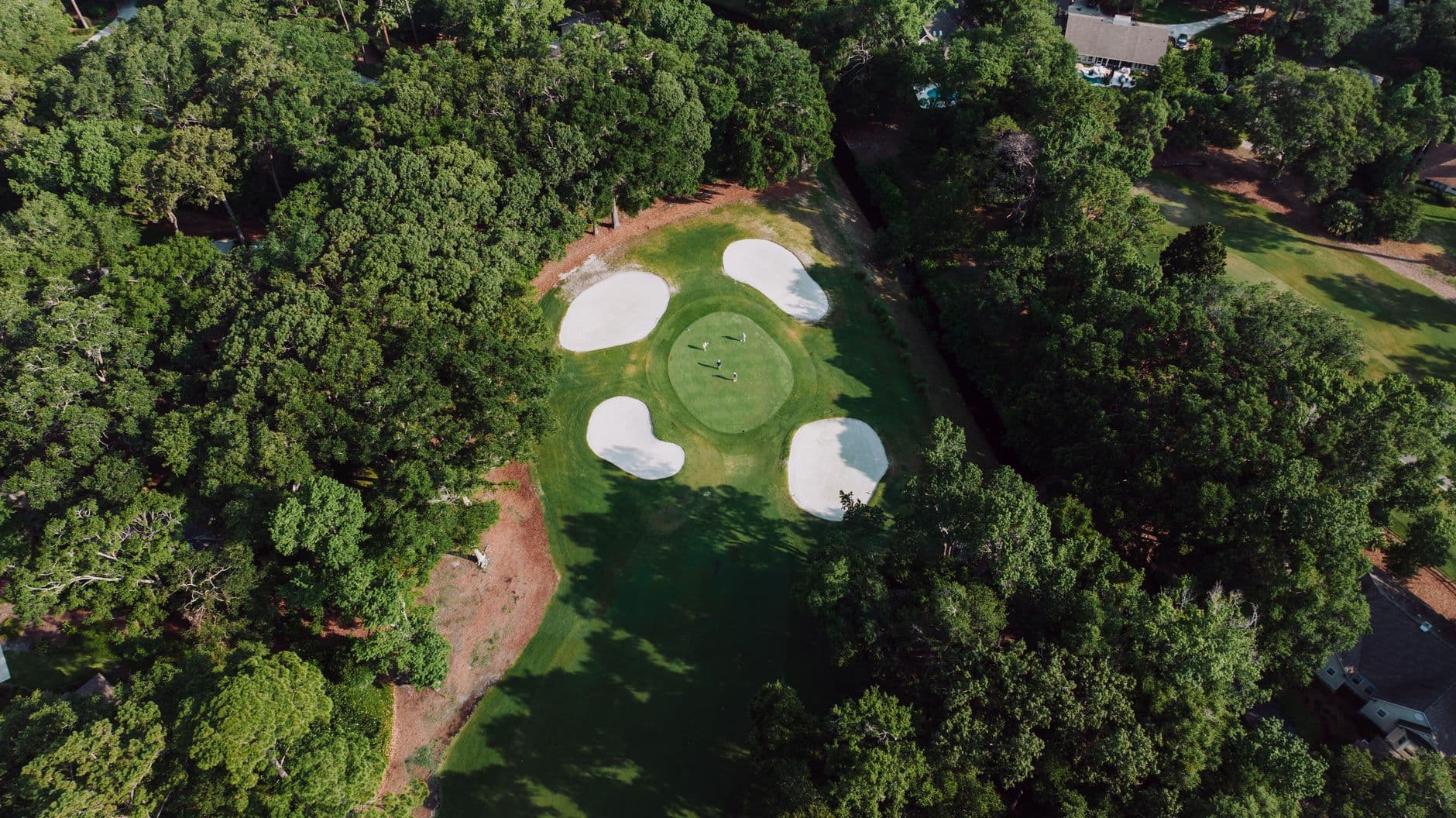
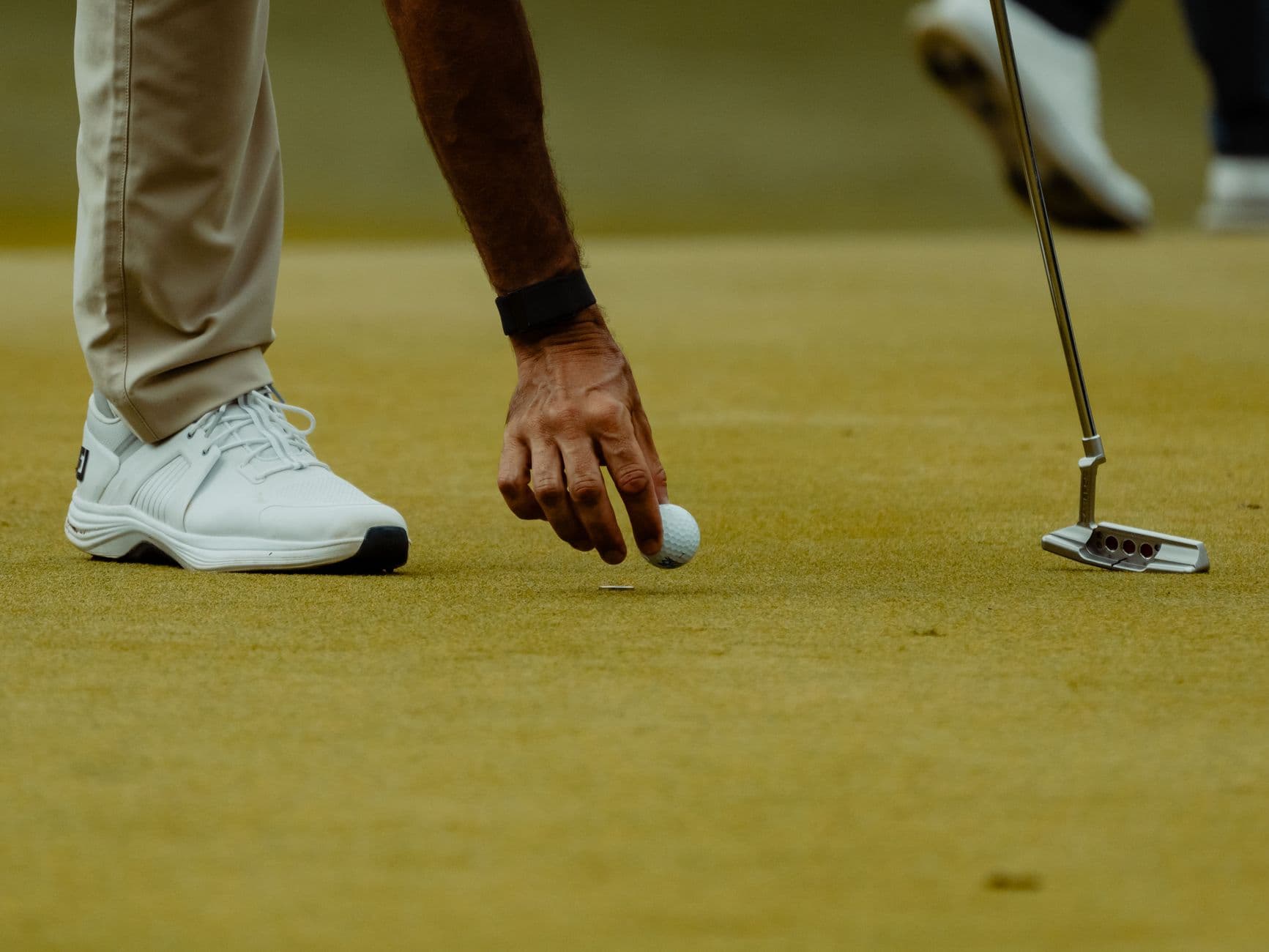
In an era dominated by discussions of ball speed and driving distance, the nuanced art of course management often gets relegated to footnote status. Yet ask any seasoned tour professional what separates consistent contenders from flash-in-the-pan performers, and the conversation invariably turns to strategic intelligence—the ability to read a course, manage risk, and execute a coherent game plan under pressure.

The 2026 PGA Tour season is shaping up to showcase this strategic dimension more prominently than ever. With course setups increasingly punishing wayward approaches and pin placements demanding precision over power, players who master the mental architecture of competitive golf are positioning themselves for sustained success.
The Hierarchy of Strategic Priorities
Elite course management operates on a tiered decision-making framework that most amateur golfers fundamentally misunderstand. The first principle: par is never the enemy. Tour professionals don't approach each hole seeking birdie—they approach each hole seeking to maximize expected value while minimizing catastrophic outcomes.
This manifests in shot selection that often appears conservative to casual observers. When a player takes iron off the tee on a reachable par-5, they're not lacking confidence—they're calculating that the marginal gain from reaching in two doesn't justify the downside risk of finding trouble off the tee.
- Identify the miss that won't destroy the hole before selecting the club
- Factor in wind, elevation, and green firmness before committing to target lines
- Accept that some pins are 'no-go' targets regardless of how close you feel to the flag
- Build in margin for execution variance—aim for the center of your dispersion pattern, not the edge
Reading Course Conditions: The Invisible Skill
What separates tour-caliber course management from competent amateur strategy is the depth of environmental awareness. A professional processes dozens of variables simultaneously: how the morning dew affects friction on the clubface, whether the greens are rolling faster on the back nine due to afternoon sun exposure, how wind direction shifts as it channels through tree corridors.
This intelligence gathering begins long before the first tee shot. Practice rounds serve as reconnaissance missions, with players and caddies cataloging sight lines, noting drainage patterns that affect ball behavior, and identifying the subtle undulations that can turn a seemingly simple putt into a three-putt nightmare.
The course tells you everything you need to know if you're willing to listen. Most players are too busy thinking about their swing to hear what the layout is saying.
— Veteran Tour Caddie

The Caddie-Player Dynamic in Modern Strategy
The evolution of the caddie's role from bag carrier to strategic consultant represents one of the most significant shifts in professional golf over the past two decades. Today's elite loopers function as course management specialists, bringing data analysis, meteorological interpretation, and psychological support to every round.
The pre-shot routine you observe on television—that extended conversation between player and caddie before each stroke—involves far more than yardage confirmation. They're discussing wind gradients at different altitudes, calculating how spin rates will be affected by humidity, and often talking through the consequences of various outcomes to ensure the player commits fully to the chosen strategy.
Managing the Scoring Zones
Tour professionals think in terms of scoring zones rather than individual holes. They identify the three or four holes per nine where birdie opportunities are genuine, the two or three holes where bogey avoidance becomes paramount, and the remainder where solid par-making sets up the round.
This zonal thinking prevents the emotional volatility that sabotages amateur rounds. A bogey on a difficult hole doesn't cascade into frustration because the player expected that hole to be a grind. Conversely, failing to birdie a scorable hole prompts genuine concern because it represents a missed opportunity in the scoring zone.
- Identify birdie zones during practice rounds and commit to aggressive-but-smart approaches
- Recognize danger holes and adjust expectations accordingly—par is a victory
- Treat transition holes as mental reset opportunities
- Never let one zone's outcome affect decision-making in the next
Wind Play: The Great Equalizer
Nothing exposes strategic sophistication—or its absence—like a gusty day on tour. Wind fundamentally alters optimal strategy, transforming scoring holes into survival tests and occasionally creating birdie opportunities where none normally exist.
The key insight that elite players understand: wind affects trajectory and shot shape more dramatically than distance. A 15 mph crosswind doesn't just push the ball sideways—it changes the effective curvature of any fade or draw, amplifying intended shapes and fighting against corrections. Players who try to hit their standard shots and simply aim differently in wind consistently struggle compared to those who adjust their actual ball flight.
High-density golf ball technology, such as Attomax's amorphous metal core construction, has given players additional tools for wind management. The denser core creates a more penetrating ball flight and resists wind drift more effectively than traditional constructions—a meaningful advantage when strategic precision matters most.
The Mental Ledger: Tracking Strategic Debt
Perhaps the most sophisticated element of elite course management involves what sports psychologists call the mental ledger—the running tally of aggressive versus conservative decisions that guides moment-to-moment strategy. Players who push their luck repeatedly accumulate strategic debt that eventually comes due in the form of a blow-up hole.
The best course managers maintain equilibrium in their ledger, balancing aggressive plays with conservative recoveries. After successfully pulling off a high-risk shot, they often follow with a deliberately conservative approach—not because they've lost confidence, but because they're rebalancing their strategic portfolio.
As the 2026 season unfolds and courses continue demanding precision alongside power, expect the players who master this cerebral dimension to separate themselves from those who rely solely on physical gifts. In championship golf, the six inches between your ears often matter more than the six inches of backswing extension you've been chasing on the range.
Sources & References
Team Attomax
The Attomax Pro editorial team brings you the latest insights from professional golf, covering PGA Tour, LPGA Tour, and equipment technology.