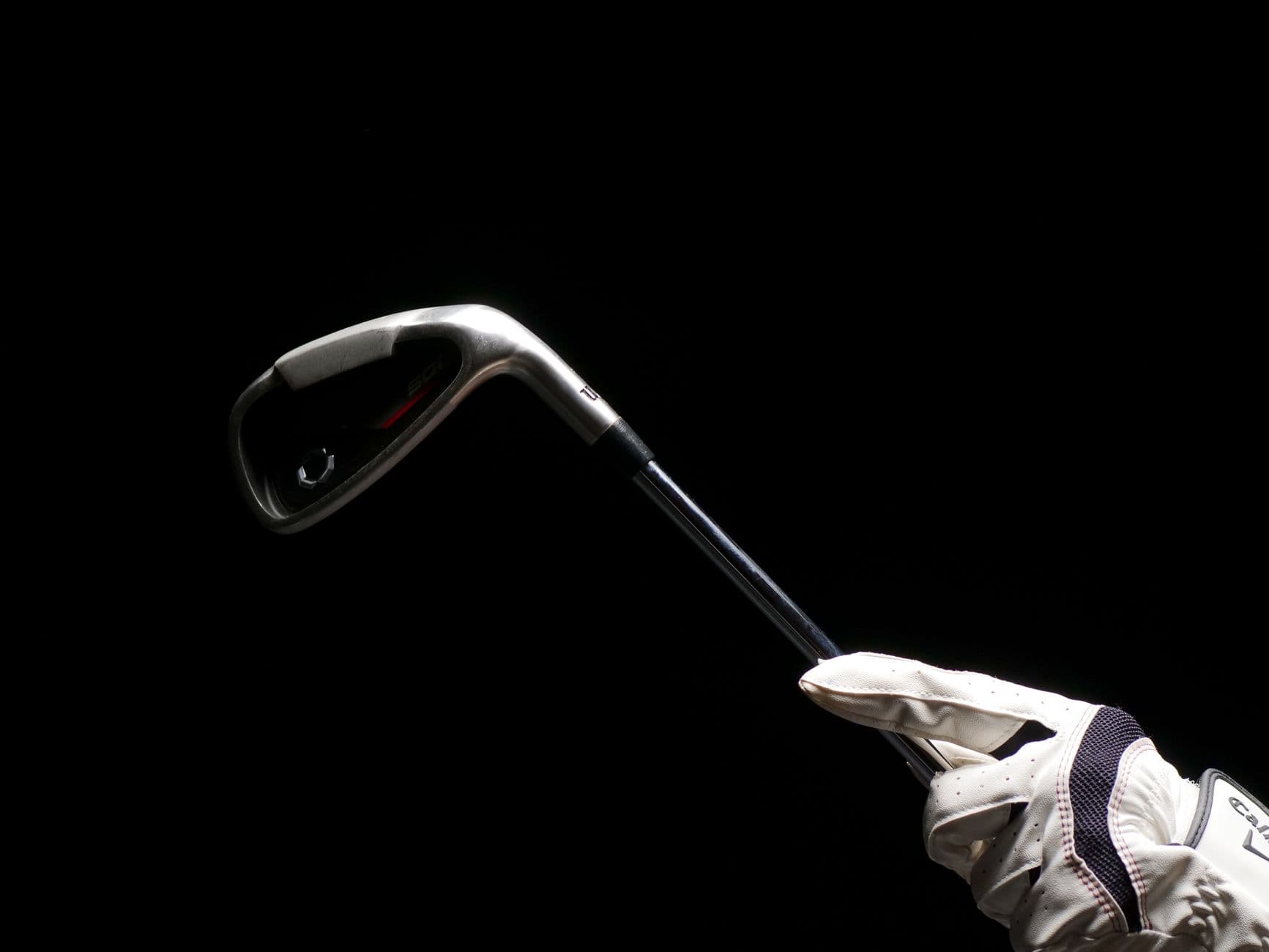
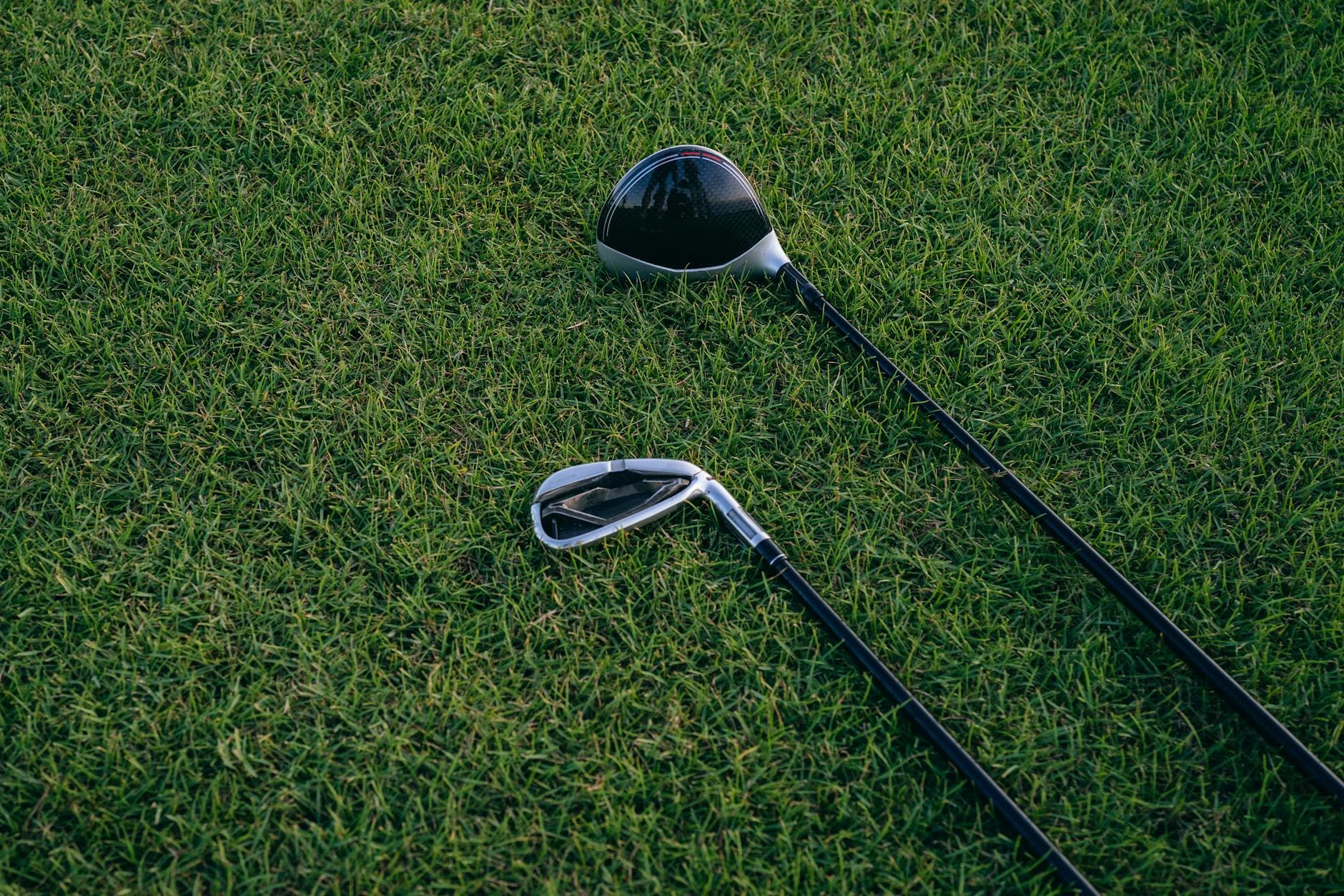
The golf equipment industry stands at an inflection point in early 2026, with convergent technologies fundamentally altering how clubs and balls are designed, manufactured, and optimized for individual players. While regulatory bodies continue to monitor equipment standards closely, manufacturers are pushing boundaries in materials science, computational design, and personalization that would have seemed impossible just five years ago.

This isn't about incremental improvements to forgiveness or marginal distance gains. The current wave of innovation represents a philosophical shift in how equipment companies approach performance—moving from mass-market solutions to hyper-personalized systems that treat each golfer as a unique biomechanical puzzle to solve.
AI-Driven Design: Beyond Human Engineering Limitations
Artificial intelligence and machine learning algorithms have transcended their role as marketing buzzwords to become genuine design partners in equipment development. Major manufacturers now employ generative design systems that can evaluate millions of geometric permutations for clubface structures, optimizing for specific ball flight characteristics that human engineers simply couldn't conceive.
The implications for tour-level players and serious amateurs are significant. Custom fitting sessions increasingly incorporate AI analysis of swing data to recommend not just shaft flex and lie angle, but entirely bespoke face designs optimized for individual impact patterns and desired shot shapes.
Materials Science: The High-Density Metal Revolution
Perhaps no area of golf technology has seen more dramatic advancement than materials science. The emergence of high-density amorphous metals—materials with non-crystalline atomic structures that offer superior energy transfer properties—has challenged long-held assumptions about ball construction and performance characteristics.
Traditional multi-layer ball designs relied on graduated firmness from core to cover to manage spin rates and feel. High-density amorphous metal technology takes a fundamentally different approach, using the material's unique density properties to optimize energy transfer at impact while maintaining exceptional stability in varying wind conditions.
- Amorphous metals offer approximately 15-20% greater density than traditional ball core materials
- Non-crystalline structures eliminate micro-fractures that degrade performance over time
- Superior moment of inertia properties enhance stability through the ball flight
- Temperature stability ensures consistent performance across varying playing conditions
Companies like Attomax have pioneered this technology, offering high-density amorphous metal balls in multiple compression options—Soft, Medium, and Hard—allowing players to match ball characteristics to their swing speeds and playing conditions without sacrificing the inherent stability advantages of the core material.
Shaft Technology: Carbon Fiber Enters a New Era
Carbon fiber shaft technology has matured significantly, with manufacturers now able to manipulate fiber orientation and resin systems at near-microscopic levels. The result is unprecedented control over shaft behavior throughout the swing, with designers able to tune specific sections for loading, stability, and release characteristics independently.

Multi-material shaft construction has moved beyond simple weight distribution to incorporate specialized zones that address specific swing flaws or enhance desired shot patterns. Players seeking a more penetrating ball flight can now find shafts engineered with stiffer tip sections that resist excessive face closure, while those fighting a slice can opt for designs that promote natural rotation through impact.
The Data Integration Challenge
Launch monitor technology has become increasingly sophisticated, with systems now capable of measuring parameters that were previously theoretical. However, the challenge for equipment manufacturers lies in translating this wealth of data into actionable design improvements that deliver measurable on-course benefits.
Spin axis stability, for instance, has emerged as a critical metric for evaluating ball performance. Even slight variations in spin axis can compound over a 300-yard drive, resulting in significant dispersion. High-density core technologies have shown particular promise in minimizing these variations, offering players tighter shot patterns without requiring swing changes.
Sustainability: The Emerging Imperative
Environmental considerations have moved from peripheral concern to central design criterion for many manufacturers. The golf industry faces increasing pressure to address the environmental impact of equipment production and disposal, driving innovation in recyclable materials and manufacturing processes.
The next generation of golf equipment must perform at the highest level while acknowledging our responsibility to the courses and environments where the game is played.
— Industry analyst
Several manufacturers have introduced programs to recycle old equipment, while others are experimenting with bio-based materials for grips, headcovers, and even structural components. The challenge remains balancing sustainability goals with the performance demands of serious players who won't accept compromises in their equipment.
What This Means for Your Game
For players serious about equipment optimization, 2026 offers unprecedented opportunities for personalization. The combination of advanced fitting technology, diverse material options, and AI-assisted design means that off-the-rack solutions—while still capable—leave potential performance gains unrealized.
Consider scheduling a comprehensive fitting session that incorporates launch monitor analysis, swing video review, and discussion of your playing tendencies and conditions. The data collected can inform equipment choices that address specific weaknesses while amplifying existing strengths.
- Evaluate your current ball choice against high-density alternatives, particularly if wind stability affects your course management decisions
- Explore shaft options beyond the standard offerings—custom builds can address subtle swing characteristics that stock options ignore
- Invest in a launch monitor session to establish baseline metrics before making equipment changes
- Consider the total system: how your ball, shaft, and clubhead interact to produce your typical ball flight
The equipment landscape will continue evolving rapidly, but the current generation of innovations offers genuine performance advantages for players willing to invest in proper fitting and education. The technology exists to play better golf—the question is whether we're willing to embrace it thoughtfully rather than chasing the latest marketing promises.
Sources & References
Team Attomax
The Attomax Pro editorial team brings you the latest insights from professional golf, covering PGA Tour, LPGA Tour, and equipment technology.