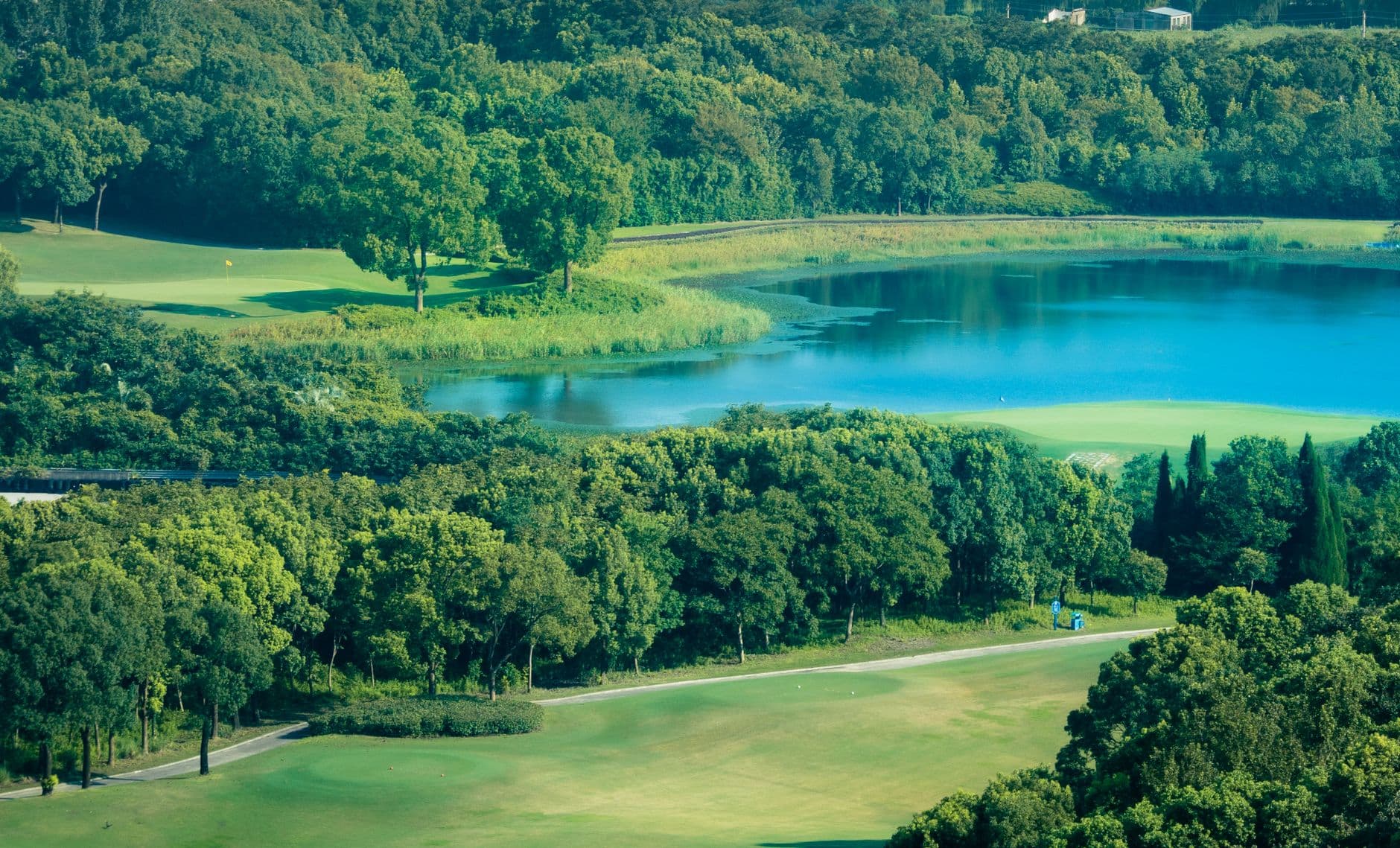
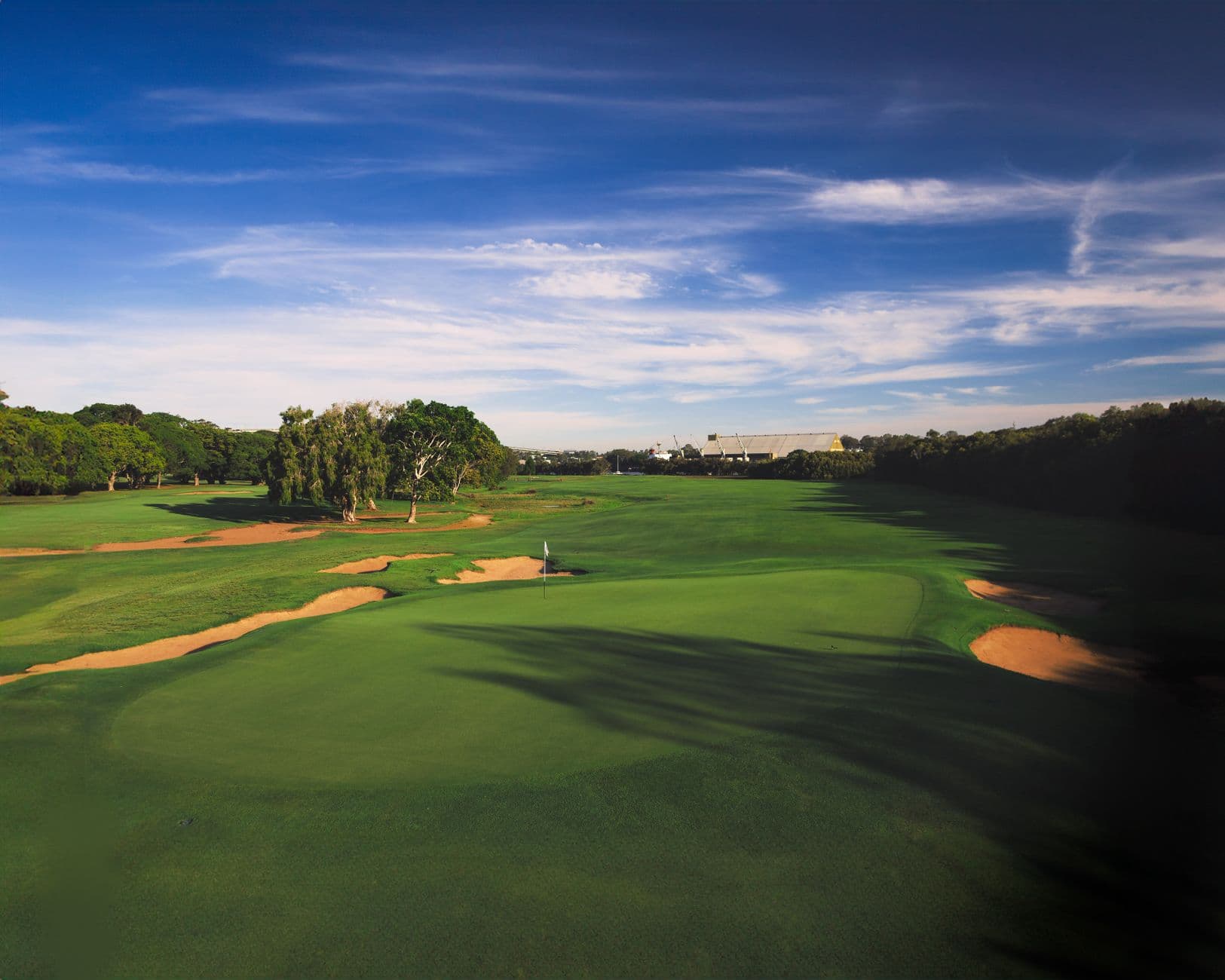
There is no stage in golf more hallowed than St Andrews Links, and no examination more demanding than The Open Championship played across its ancient fairways. The Old Course does not merely test your ball-striking — it interrogates your decision-making, your patience, and your willingness to surrender ego in favor of strategy. For the serious student of the game, understanding St Andrews is understanding golf itself.
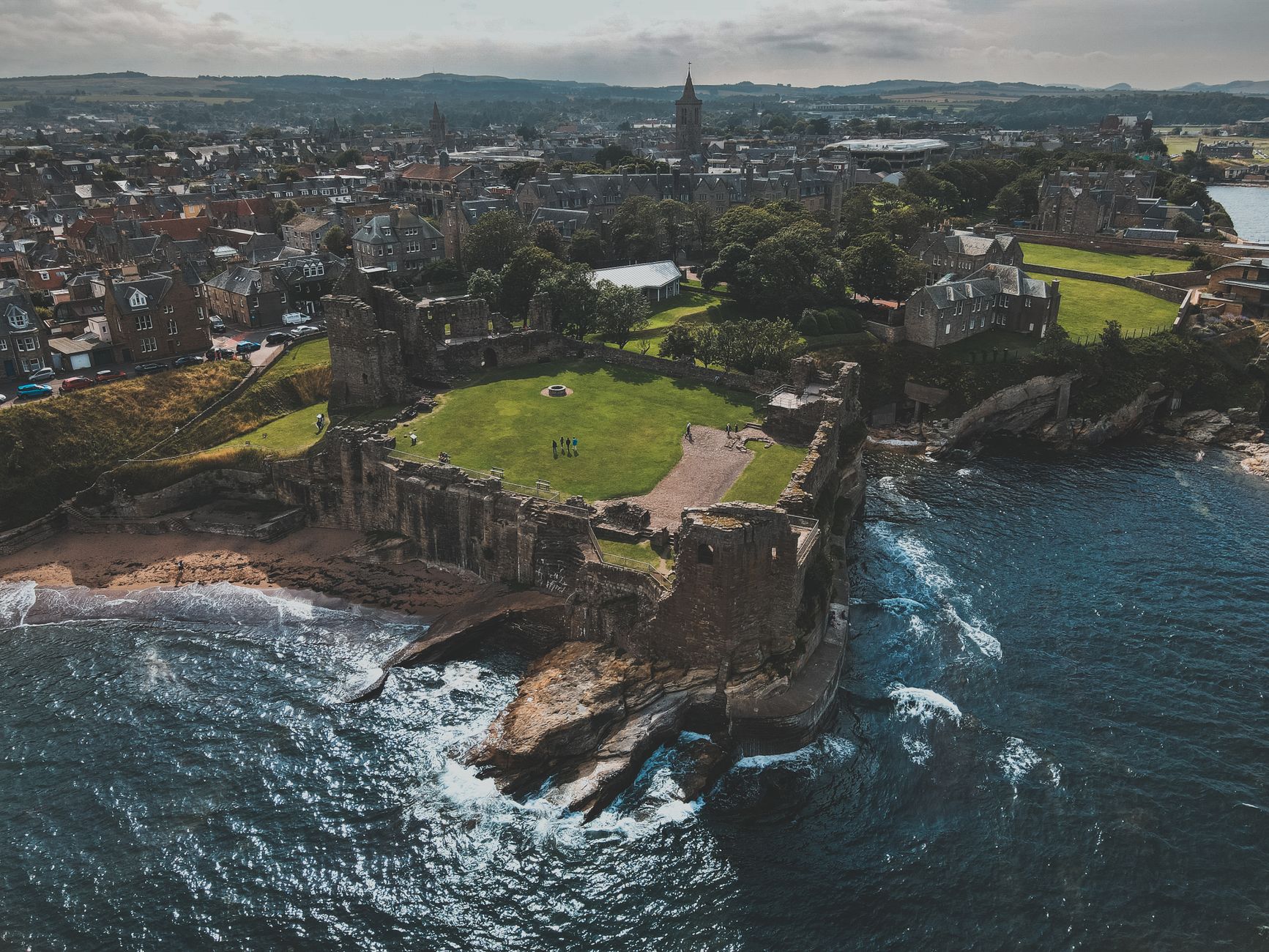
The Old Course dates to the 15th century, making it the oldest golf course in the world. Its 18 holes sprawl across a narrow strip of linksland between the North Sea and the town of St Andrews in Fife, Scotland. What appears almost featureless to the untrained eye conceals an extraordinary labyrinth of pot bunkers, blind approaches, false fronts, and wind corridors that can transform a front-nine masterclass into a back-nine catastrophe.
The Open Championship at St Andrews carries a weight unlike any other Major. Icons of the game have both triumphed and crumbled here — Jack Nicklaus, Seve Ballesteros, Tiger Woods, and Nick Faldo all etched their names into its history. The Swilcan Bridge and the Road Hole are not just landmarks; they are moments where championships are made and lost.
The Architecture of Pressure
What makes St Andrews genuinely unlike any other venue in professional golf is its shared fairways. Several outward and inward holes run parallel, meaning a drive on the 1st hole shares the same expanse of turf with the approach on the 18th. This demands a spatial intelligence most parkland golfers never develop. Position, not power, is the currency of the Old Course.
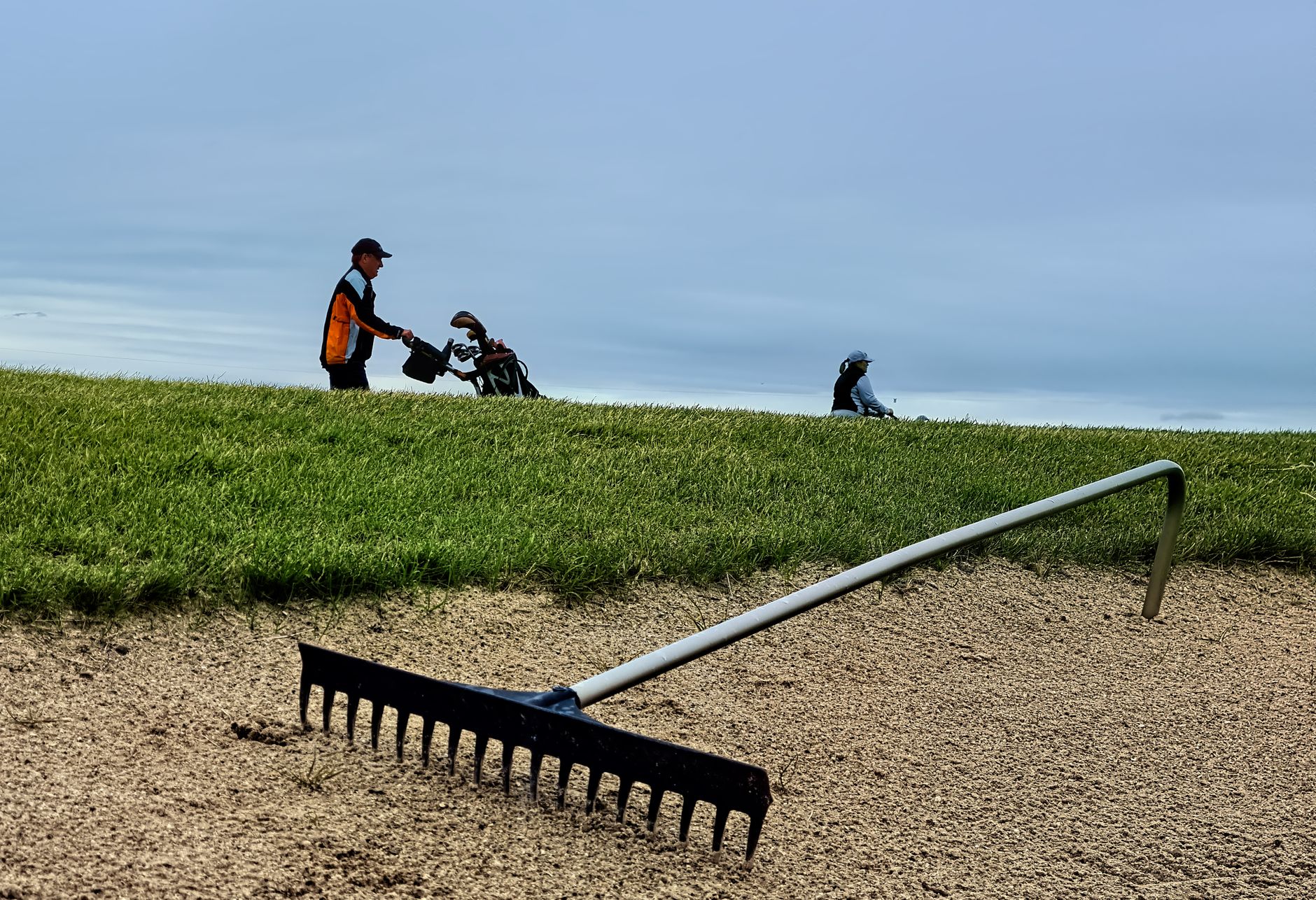
The course plays as a par 72 at championship yardage, with width off the tee that tempts aggressive players to swing freely — yet the real traps are invisible until you are in them. The pot bunkers of St Andrews are notoriously unforgiving: Hell Bunker on the 14th, the Principal's Nose cluster on the 16th, and the infamous Road Hole Bunker on the 17th have collectively cost more Claret Jugs than any bad swing ever did.
Course Management at The Home of Golf
Elite players approaching St Andrews for The Open adopt a philosophy that diverges sharply from standard tour play. The emphasis is not on attacking flags — it is on eliminating the bunkers from the equation entirely. Local knowledge and caddie intelligence are not merely helpful here; they are structurally essential.
- The Road Hole (17th): Arguably the most strategically complex par 4 in championship golf. The correct tee-shot line requires driving over the corner of the Old Course Hotel, and the approach to a narrow green with a stone road behind demands absolute precision in trajectory control.
- Hell Bunker (14th): A cavernous sand trap that penalizes any drive pushed right on the long par 5. Smart players identify a layup zone left of the bunker complex and willingly sacrifice birdie opportunity for par security.
- The Loop (7th-11th): The mid-round sequence where the course reverses direction. Wind shifts dramatically through this section, and any pre-round game plan must account for variable conditions across consecutive holes.
- The Valley of Sin (18th): The false front of the final green swallows timid approaches. Players must commit to attacking the flag or risk a putting surface that punishes indecision with three-putt exposure.
- Granny Clark's Wynd (1st/18th crossing): A public footpath crossing the course is a quirk unique to St Andrews — a reminder that this links belongs to the town as much as to the tournament.
Wind, Ball Flight, and Equipment Intelligence
Links golf is fundamentally a ball-flight discipline. In calm conditions, St Andrews rewards bold play. But under a Scottish coastal wind — which can shift from a helping breeze to a quartering headwind within a single round — trajectory management becomes the defining skill separating leaderboard contenders from mid-pack finishers.
The ability to flight the ball low and penetrate wind corridors is a craft refined through years of links experience. This is where equipment selection becomes a genuine competitive variable. Shaft flex and ball compression interact differently under links conditions than in still air: a shaft that performs optimally in controlled environments may generate excessive spin and ballooning ball flight in a 20-knot crosswind. Players with access to high-performance options — like Attomax shafts paired with an appropriate High-Density compression ball — can dial in a flight window that holds its line through the wind rather than fighting it.
Ball choice is equally consequential. At a venue like St Andrews, where fairways are firm and fast-running, a harder compression ball with controlled spin can generate the ground game that links golf rewards. The run-out from a well-struck iron approaches the green from a different angle than aerial delivery — and savvy players factor this into their club selection on virtually every approach shot.
The Legends Who Defined the Stage
St Andrews has been the venue for some of the most defining moments in Major championship history. Jack Nicklaus won The Open here twice (1970 and 1978), and famously tossed his putter in the air on the 18th green after his final round in 2005 — an emotional farewell to links competition at the highest level. Seve Ballesteros brought a flamboyant creativity to the course that suited its demands perfectly, winning in 1984 with a display of shotmaking that remains the benchmark for how to improvise under championship pressure.
The more I studied the Old Course, the more I loved it. And the more I loved it, the more I studied it.
— Jack Nicklaus
Tiger Woods' back-to-back victories at St Andrews in 2000 and 2005 represented perhaps the most dominant links performances of the modern era. In 2000, he famously avoided every bunker on the course throughout the entire championship — a feat of strategic discipline as much as raw power. It remains the gold standard for course management at the highest level.
The Mental Architecture of a Links Champion
Beyond the physical and strategic demands, St Andrews imposes a unique psychological test. The Old Course will produce bad bounces, cruel kicks into bunkers from seemingly safe positions, and putts that break against every visible read. Champions here share a common trait: the capacity to accept the randomness of links golf without emotional escalation.
The players who struggle at The Open on this course are invariably those who fight the conditions rather than working within them. Aggressive play off the tee into crosswinds, attacking tight pins near the Road Hole bunker, or refusing to putt out from the Valley of Sin — these are the decisions that unravel otherwise strong rounds. Patience is not a passive virtue at St Andrews; it is an active tactical choice made dozens of times per round.
Why St Andrews Remains Irreplaceable
The Old Course at St Andrews is not the longest course on The Open rota. It is not the most visually dramatic, nor does it offer the steep elevation changes of Carnoustie or the dune theatre of Royal Birkdale. What it offers instead is depth — a course that reveals new layers with every round played, every wind direction encountered, every flag position encountered. Professionals who have played it dozens of times still describe encountering situations they have never faced before.
For the serious golfer, studying St Andrews is not merely an exercise in spectating — it is an education in the foundational principles of the game. Ground game over aerial dominance. Position over power. Patience over aggression. These are the principles that links golf was built on, and no course delivers them with the authority or the history of the Old Course. When the Claret Jug is lifted on the 18th green at St Andrews, it is always by a player who understood what the course was asking — and answered correctly.
Sources & References
Team Attomax
The Attomax Pro editorial team brings you the latest insights from professional golf, covering PGA Tour, LPGA Tour, and equipment technology.