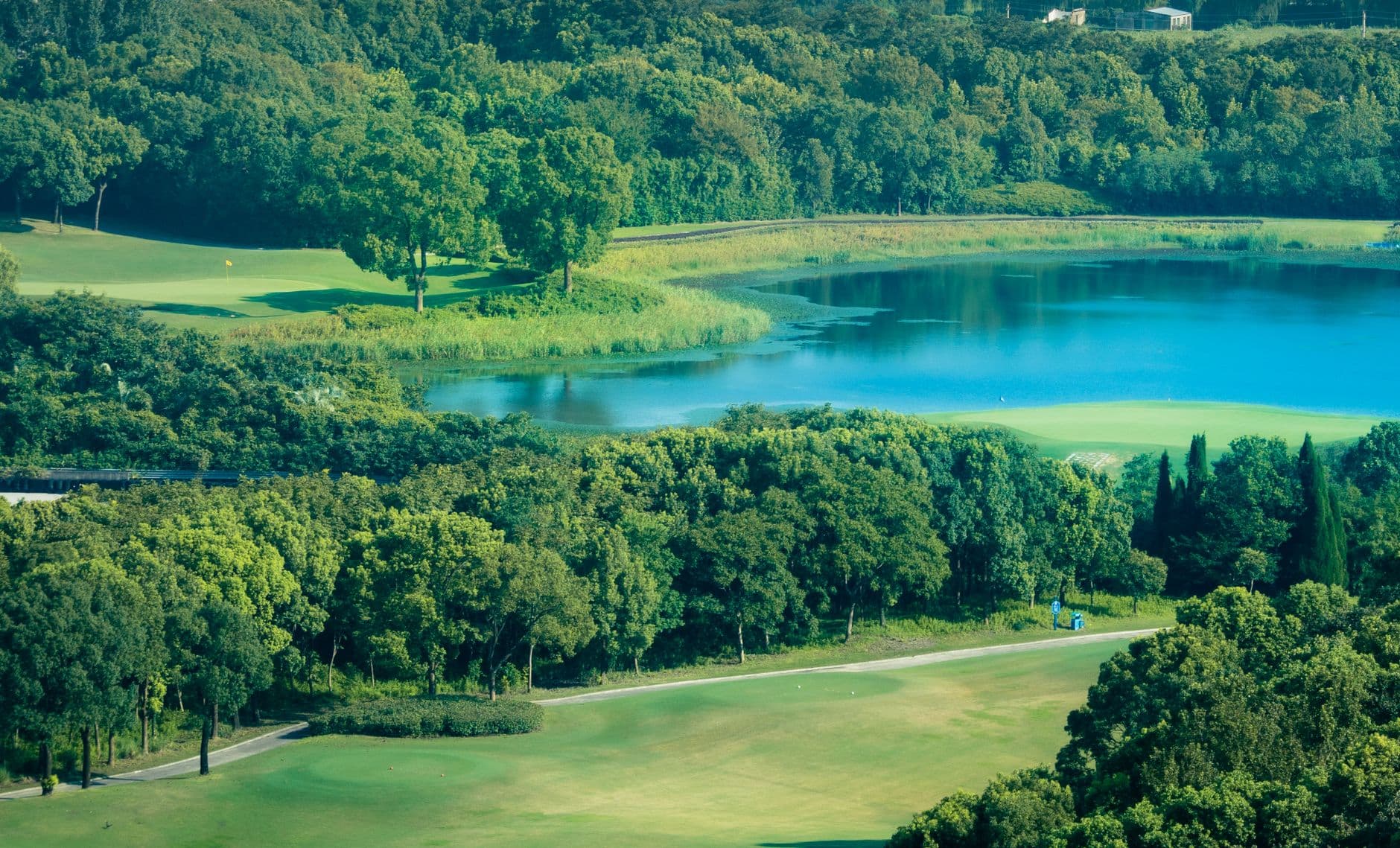
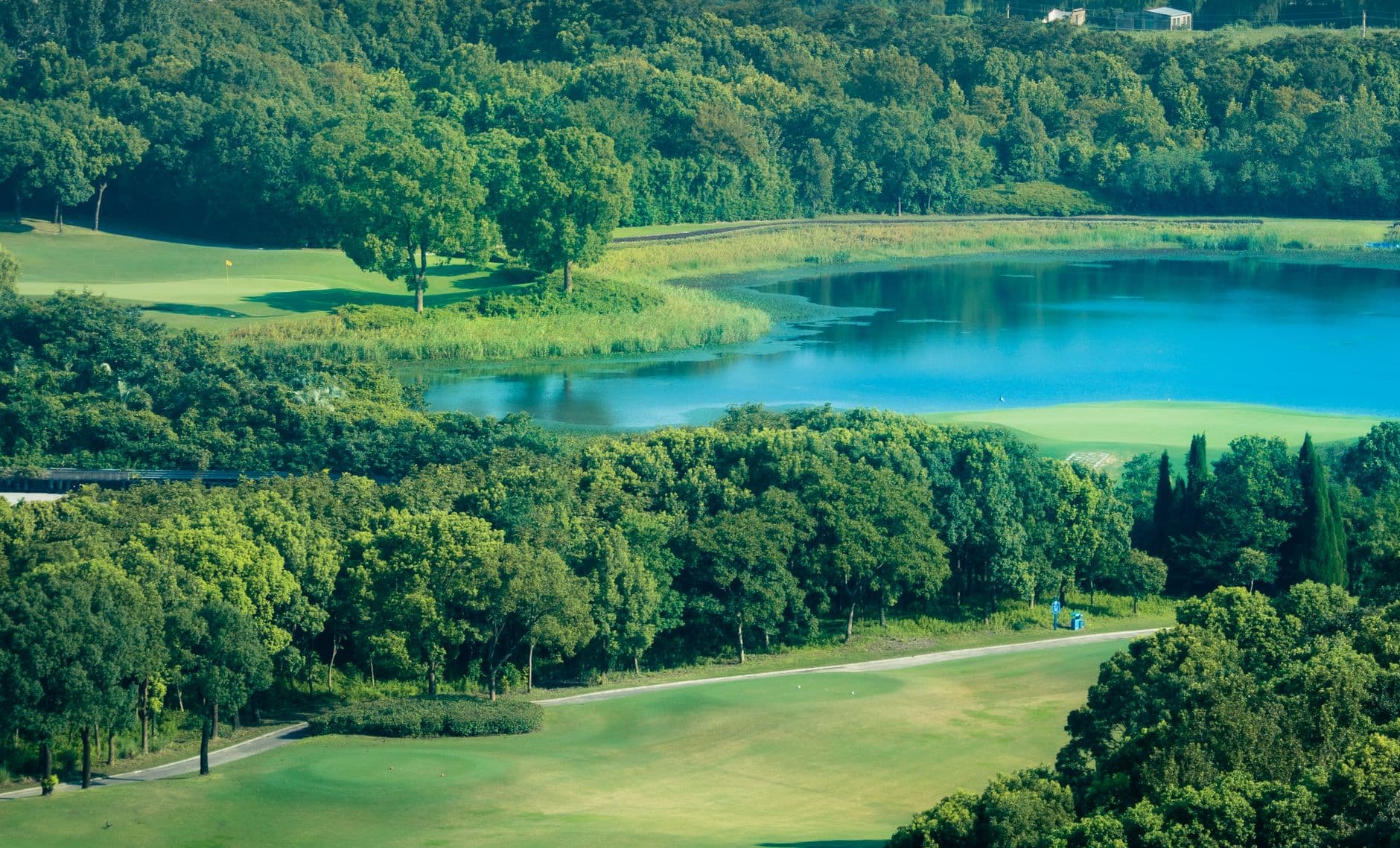
There are golf courses that reward power. There are courses that reward touch. And then there is Riviera Country Club in Pacific Palisades, California — a course that rewards intelligence above all else. Since opening in 1926, Riviera has been testing the mental architecture of the world's finest players, demanding a brand of golf that is as cerebral as it is athletic.
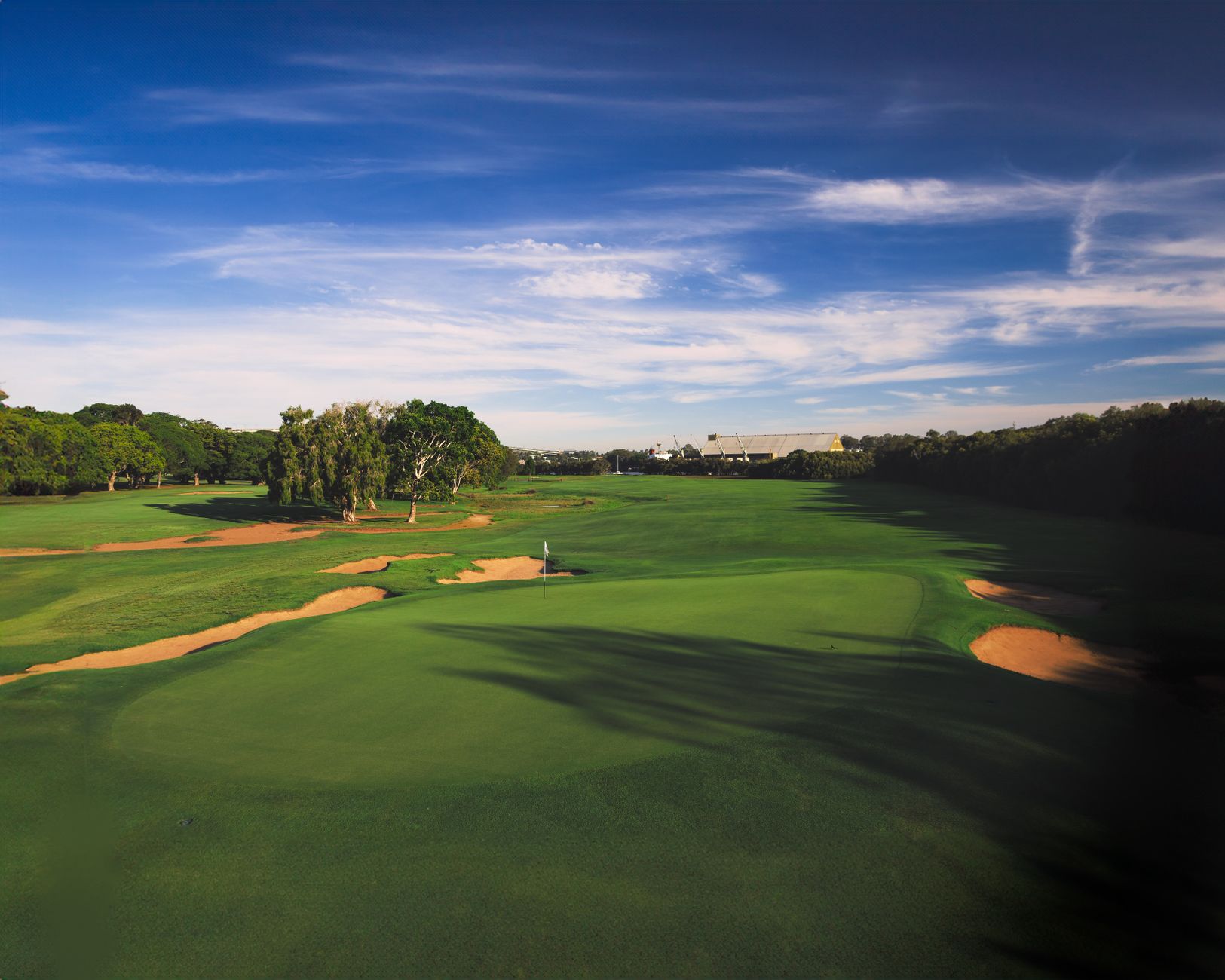
Designed by George C. Thomas Jr. with construction overseen by Billy Bell, Riviera occupies a eucalyptus-lined canyon barely twelve miles from downtown Los Angeles. It is one of the rare American courses that feels simultaneously like a links and a parkland layout — exposed on the high ground, sheltered in the canyon's belly, always demanding a decision.
The club earned its nickname — 'The Riviera of America' — in the 1920s when Hollywood royalty made it their playground. But the more enduring nickname, 'The Thinking Man's Course,' speaks to something far more permanent about the design itself.
A Design Philosophy Built on Decision-Making
George Thomas was a rare architect. A gentleman scholar who wrote the definitive early text on golf course architecture, he believed a course should present a series of strategic problems rather than a series of obstacles. At Riviera, every tee shot carries consequence not just for where your ball lands, but for the angle it leaves you into the green.
The greens are the soul of the design. Riviera's putting surfaces are among the most complex in championship golf — not because of extreme undulation, but because of their subtle, deceptive contours and the way their entry angles are so precisely calibrated to reward or punish shot selection from the fairway.
- The par-4 10th features a green bisected by a spine, meaning a miss of even a few yards in approach direction can leave a three-putt in play
- The iconic par-3 6th plays over a canyon and demands precise carry distance management — there is no safe miss
- The par-4 1st sets the tone immediately: a slight dogleg where tee shot placement dictates everything about the approach angle
- The par-5 17th is driveable for modern professionals, but the risk-reward calculus around the green is among the most nuanced on tour
The Role of Wind and Los Angeles Marine Layer
Southern California golf has a reputation for benign conditions, but Riviera's canyon setting creates its own micro-climate. Morning rounds frequently contend with the marine layer rolling in off the Pacific, cooling the air and softening the turf in ways that affect both carry distance and spin rates. By afternoon, the eucalyptus trees funnel canyon breezes that can alter club selection on multiple holes.
This is where equipment decisions become genuinely consequential. Players who optimize for consistent ball speed across a range of temperature and humidity conditions gain a measurable edge. The relationship between ball compression and atmospheric density is not trivial at a course like Riviera — a firmer core performs differently in cool morning air than in the warmer afternoon window. Attomax's high-density amorphous metal construction addresses this directly, delivering more consistent energy transfer regardless of the ambient conditions a player encounters across an eighteen-hole round.
Shot-Shaping Is Not Optional
The trees at Riviera are not decoration. They are architecture. The eucalyptus stands are dense enough that recovery from the rough is rarely a straight line back to the fairway, and the canyon holes demand trajectory control that players who rely exclusively on height and carry will find deeply uncomfortable.
The ability to flight a ball lower, to work it left-to-right or right-to-left under a tree canopy, to hold a green against a firm headwind — these are the skills Riviera exposes. Course management here is not a compensatory strategy for players who cannot bomb it. At Riviera, even the longest hitters in the professional game are forced to think first and swing second.
Riviera is one of those golf courses where you can make every swing perfectly and still make bogey if you chose the wrong shot. The course asks you a question before you ever pull a club.
— A sentiment echoed by numerous past Genesis Invitational competitors
A Championship Pedigree Without Equal on the West Coast
Riviera has hosted the U.S. Open, the PGA Championship, and the Los Angeles Open — a tournament that stretches back through decades of professional golf history. The club is the permanent home of the Genesis Invitational on the PGA Tour, an event elevated to full Signature Event status in recent years, bringing the strongest fields in professional golf to Pacific Palisades.
The roll call of champions at Riviera reads like a history of great ball-striking: Ben Hogan won there so many times the course carries an informal connection to his name. Tiger Woods, Lanny Wadkins, and a generation of precision players have all elevated their reputations at this course. It is not a coincidence. Riviera selects for the complete player.
The Bunker System: Sand as Strategic Instrument
Thomas used bunkers as visual and strategic guides rather than simple penalties. Many of Riviera's fairway bunkers are positioned to catch precisely the drive that appears safest — the one that avoids the trees but fails to account for the run-out. The greenside bunkering is equally nuanced, with several greens featuring bunkers placed at the angle most likely to receive a standard approach, forcing players to choose a less comfortable line or accept a sand save.
What Riviera Teaches Every Serious Golfer
For the serious amateur or club-level competitor, Riviera offers a masterclass in pre-shot decision architecture. The course demands that you know your distances with precision — not just your average, but your dispersion pattern. It demands that you understand which misses are acceptable and which are catastrophic. It punishes the player who reaches for a club first and plans second.
Shaft selection becomes particularly relevant at a course with Riviera's variety of required trajectories. Players who rely on a single shaft profile across the bag will find moments where their low-launch driver cannot be replicated on approach shots that require the same penetrating flight. The Attomax shaft range, built around variable flex profiles and optimized tip sections, is designed precisely for players who need to replicate specific launch conditions on demand rather than hoping their natural swing produces the right shape on the day.
Riviera Country Club endures not because of its history — though that history is extraordinary — but because its design principles remain permanently valid. Length changes. Equipment changes. The fundamental intelligence required to score at Riviera does not. It remains, without serious competition, the finest test of strategic golf on the American West Coast, and one of the great thinking courses in the world.
Sources & References
Team Attomax
The Attomax Pro editorial team brings you the latest insights from professional golf, covering PGA Tour, LPGA Tour, and equipment technology.