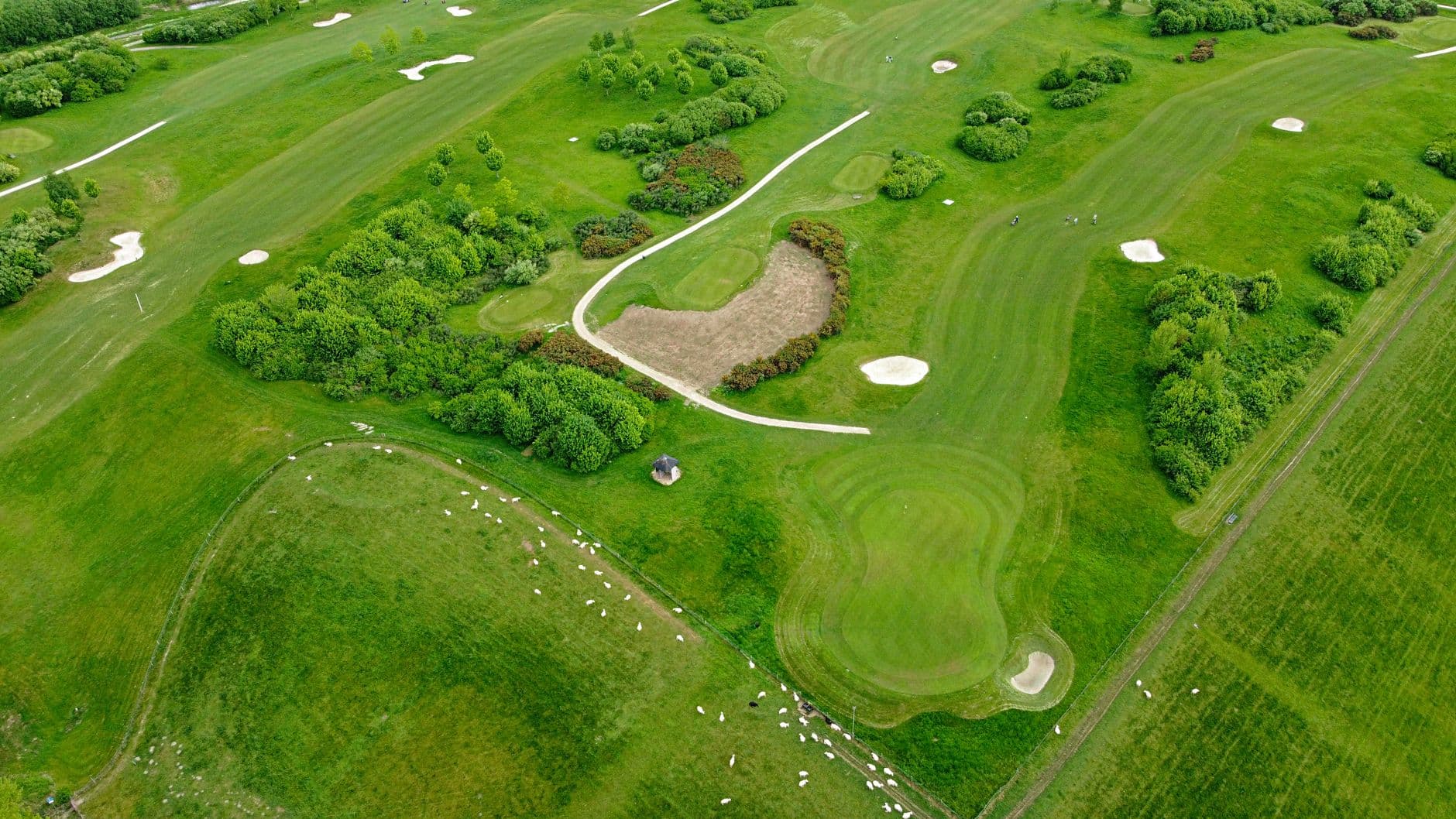
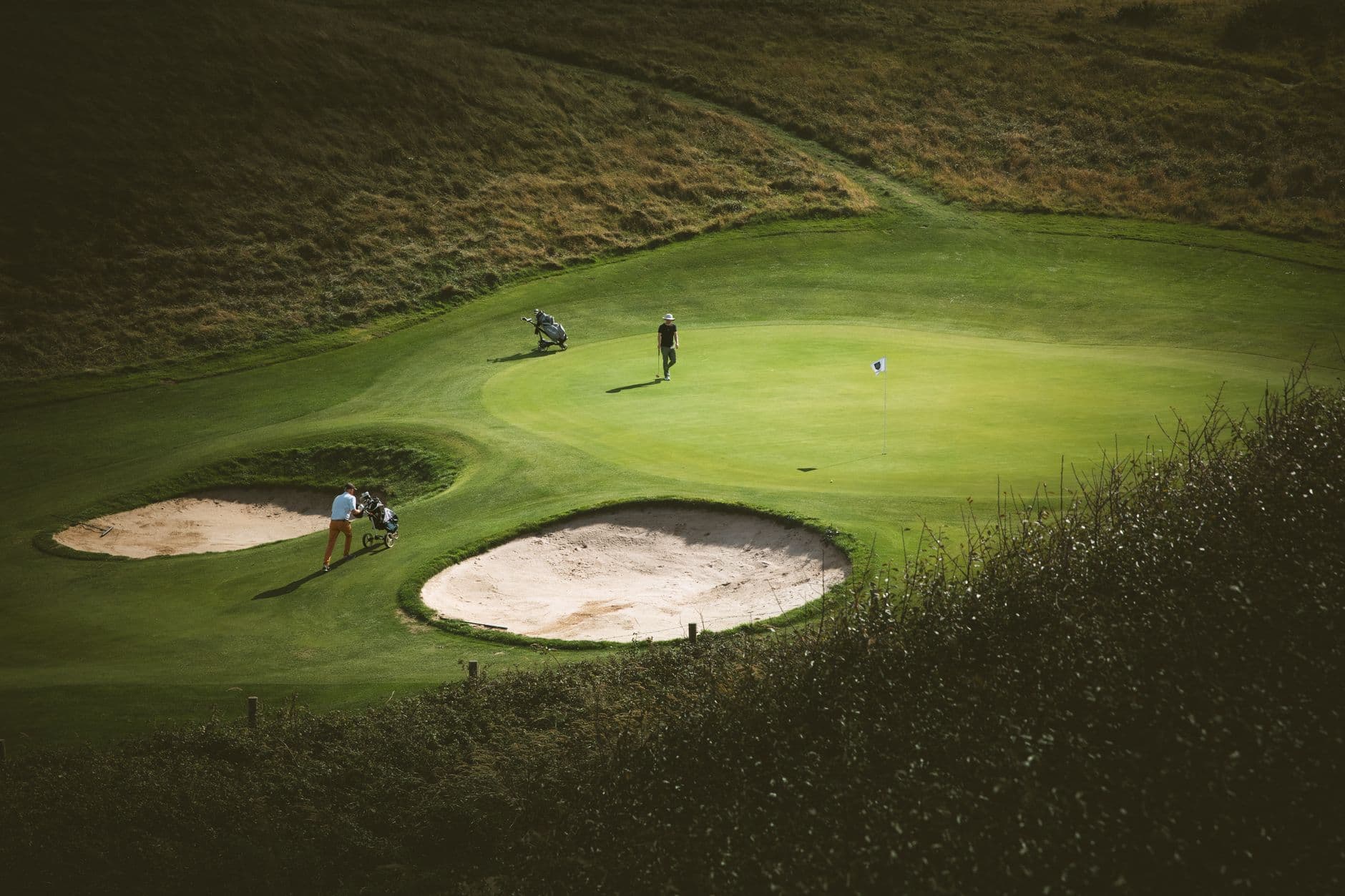
There exists no pilgrimage quite like standing on the first tee of a Scottish links course, the North Sea wind whipping at your rain gear, the grey sky merging with ancient dunes that have witnessed five centuries of golf. This is where the game was born—not on manicured parkland with predictable lies, but on harsh coastal terrain where sheep once grazed and fishermen first swung shepherd's crooks at pebbles.
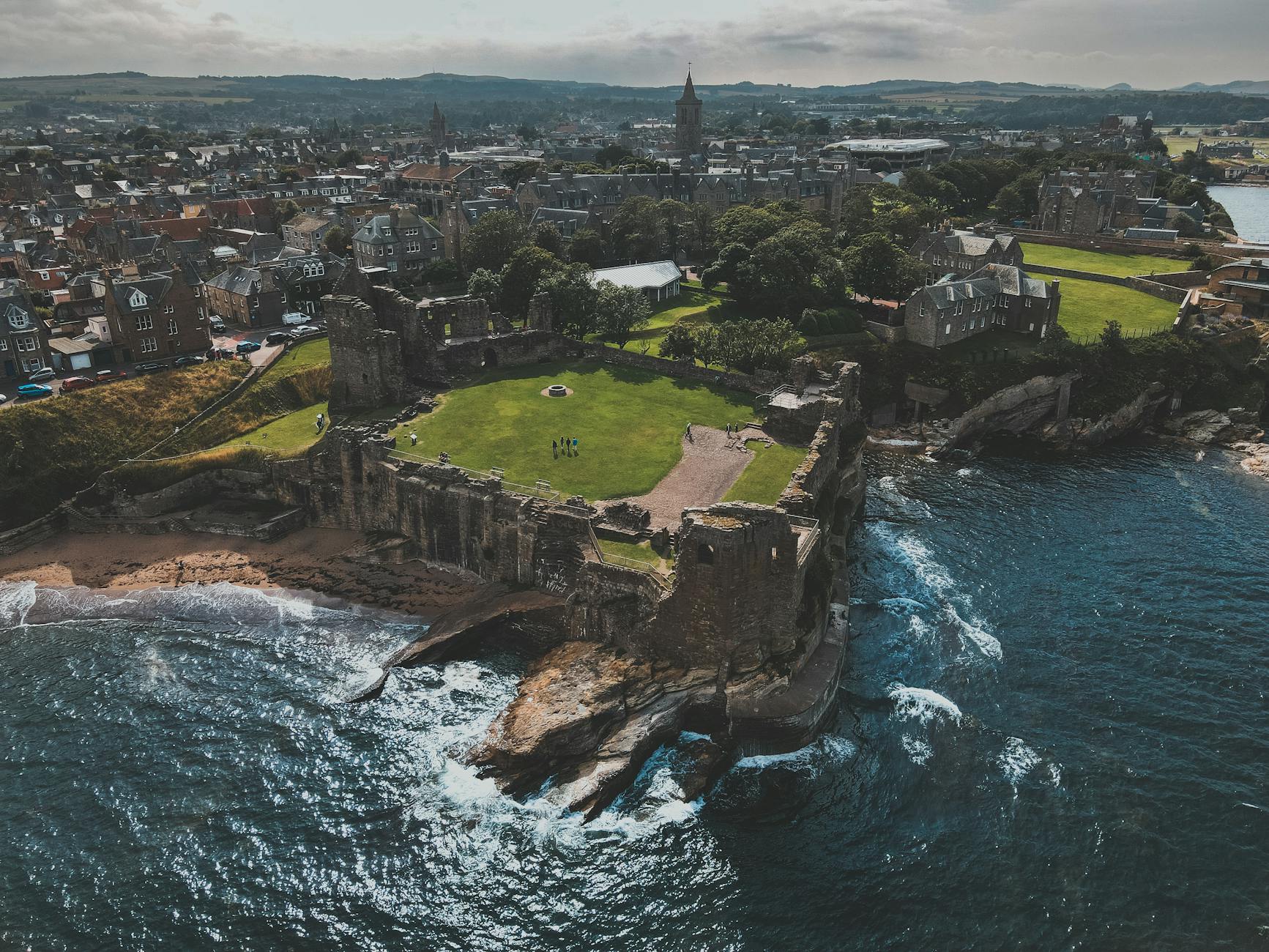
For the accomplished golfer, Scotland's links courses represent the ultimate examination. These aren't layouts designed by committee or softened for resort play. They are landscapes shaped by wind, tide, and time—courses that demand every shot in your arsenal and a few you'll need to invent on the spot.
The Anatomy of Authentic Links Golf
True links land occupies the narrow strip of coastal terrain between the beach and arable farmland. The soil composition—sandy, fast-draining, and nutrient-poor—creates the firm, bouncy conditions that define links play. Ball striking takes on entirely different dimensions here; a well-struck iron that lands pin-high on your home course might bound through the green and into a pot bunker on a Scottish links.
The undulating fairways, deep revetted bunkers, and double-plateau greens weren't designed—they evolved. Greenkeepers for generations have worked with the land rather than against it, maintaining playing surfaces that remain true to their origins while meeting modern championship standards.
- Firm, fast-running fairways that reward the bump-and-run approach
- Pot bunkers with steep sod-stacked faces requiring lateral escapes
- Massive double greens shared between outward and inward holes
- Blind shots over dunes that demand local knowledge or caddie wisdom
- Fescue rough that swallows wayward drives whole
St Andrews: The Home of Golf
The Old Course at St Andrews requires no introduction to serious golfers, yet it continues to confound and humble even the most accomplished players. What appears deceptively simple from the tee—wide fairways, few trees, modest length by modern standards—reveals its teeth only upon closer inspection.
The key to the Old Course lies in positioning. Finding the correct angle into greens protected by the infamous Hell Bunker, the Principal's Nose, or the Road Hole bunker separates those who merely survive from those who score. The course plays as a massive loop, with holes sharing enormous double greens that can leave 100-foot putts across surfaces that read differently depending on wind direction.
The more I studied the Old Course, the more I loved it, and the more I loved it, the more I studied it.
— Bobby Jones
The 17th Road Hole stands as arguably the most famous par-4 in golf. The drive over the corner of the Old Course Hotel, the approach to a shallow green guarded front-left by the feared Road Hole bunker, and the road itself lurking behind—every element conspires to create drama.

Beyond the Old Course: Scotland's Links Treasures
While St Andrews claims the spiritual crown, Scotland boasts dozens of links courses that rival or exceed the Old Course in pure golfing challenge. Royal Dornoch, perched on the North Sea coast in the Scottish Highlands, has long been considered among the finest courses in the world by those who've made the journey.
The raised plateau greens at Dornoch, many featuring subtle internal contours, demand precision approach play. Miss on the wrong side and recovery becomes a matter of damage limitation rather than birdie opportunity.
Carnoustie: The Beast
Known simply as 'Carnoustie' to those who respect its difficulty, this Angus coast links has hosted The Open Championship multiple times and consistently produces winning scores well above par. The Barry Burn meanders through the closing holes, creating strategic dilemmas that have derailed championship bids in heartbreaking fashion. The 18th hole approach, with the burn crossing in front of the green, has witnessed both triumph and tragedy at the highest level.
Turnberry and the Ailsa Course
The Ailsa Course at Turnberry offers perhaps the most visually stunning setting in Scottish golf. The lighthouse on the rocky outcrop at the 9th tee, the views across to the Isle of Arran and Ailsa Craig, and the stretch of holes along the Firth of Clyde create an unforgettable experience. When the wind blows off the water, which it frequently does, even single-digit handicappers find themselves recalibrating expectations.
Playing Links Golf: A Different Discipline
The serious golfer approaching links golf for the first time must abandon several deeply ingrained habits. The high, soft-landing approach shot that works brilliantly on American parkland courses becomes a liability when wind gusts make ball flight unpredictable and firm greens reject anything landing from directly above.
- Master the knockdown shot: A three-quarter punch with minimal spin keeps the ball under wind and maximizes roll-out.
- Embrace the ground game: Running approaches through valleys and up slopes to greens is not just acceptable—it's often optimal.
- Accept imperfect lies: Links golf means playing from bare patches, sandy divots, and positions where the ball sits below your feet on crowned fairways.
- Adjust for wind constantly: Conditions change between shots, requiring continuous recalculation.
- Hire a caddie: Local knowledge proves invaluable on courses where blind shots and hidden bunkers abound.
Equipment choices matter differently on links terrain. Ball selection becomes critical when seeking the stability to hold a line in crosswinds while maintaining greenside control on the firm, fast surfaces. Players who typically rely on high-spinning approaches often find that the wind amplifies spin unpredictably, making lower-spinning options advantageous.
The Mental Challenge of Links Golf
Perhaps more than any other style of course, links layouts test mental resilience. A perfectly executed shot can catch an unfortunate bounce into a bunker. A mishit can roll favorably onto the putting surface. The golfer who accepts this variance, who focuses on process over outcome, thrives on links land.
Scottish locals play these courses in all conditions—driving rain, howling wind, the occasional sideways sleet. They understand that links golf is an exercise in adaptation, creativity, and acceptance. The shot you planned from the fairway may become impossible when a gust arrives at the top of your backswing. The ability to adjust mid-round, to manufacture shots you've never practiced, separates memorable rounds from miserable ones.
Standing on ancient turf where Old Tom Morris once walked, where Bobby Jones fell in love with the game, where modern champions have etched their names into history—this is the soul of golf. Scottish links courses don't merely test your game; they connect you to every golfer who has ever stood in the same windswept spot, facing the same timeless challenge. That connection, more than the difficulty or the scenery, is why serious golfers make the pilgrimage. The birthplace of golf calls not just to our competitive instincts, but to something deeper—our understanding of what this game truly means.
Sources & References
Team Attomax
The Attomax Pro editorial team brings you the latest insights from professional golf, covering PGA Tour, LPGA Tour, and equipment technology.