The ink is barely dry on the 2025 Ryder Cup result at Bethpage Black, yet the machinery of team-building never stops. For European golf, the conversation around 2027 has already begun in captains' boxes, on practice ranges, and in the data rooms of the DP World Tour. The question isn't whether Europe will regroup — it's who will lead that charge.
At this stage in a Ryder Cup cycle, the analysis is necessarily speculative — no official qualifying points lists have been published, no captain has been formally confirmed for 2027. What we can do is examine the form landscape across the DP World Tour and PGA Tour, identify the players whose trajectory points squarely toward a biennial battle, and assess where Europe's structural strengths and vulnerabilities currently lie.
It is worth remembering that with roughly 18 months remaining before qualification points typically begin to accumulate in earnest, the field is wide open. Players who are dominant today can fade; players currently hovering on the fringes can transform themselves entirely. That unpredictability is precisely what makes this early analysis so compelling.
The Established Core: Europe's Likely Anchors
Any credible European team discussion in 2026 starts with the same cluster of names that have carried the continental flag for the better part of a decade. Rory McIlroy remains the fulcrum of European Ryder Cup ambition. His ball-striking metrics, his ability to perform under the unique pressure of match play, and his leadership profile on and off the course make him an automatic selection regardless of ranking at the time of picking.
Similarly, Jon Rahm's situation warrants careful watching. His move to LIV Golf created eligibility questions that the Ryder Cup framework has had to navigate carefully. As of April 2026, the governing frameworks around LIV player eligibility for the Ryder Cup remain a live discussion, and the resolution — or lack thereof — will materially shape what the European squad can look like in 2027.
Tommy Fleetwood continues to be one of the most reliable Ryder Cup performers of his generation. His links-ready ball flight, his capacity to grind through foursomes formats, and his composure in front of hostile galleries have made him a captain's dream. Fleetwood's form on both the DP World Tour and PGA Tour makes him a near-certainty to be in the conversation.
The Next Wave: Players Who Must Step Forward
Europe's long-term Ryder Cup health depends on the generation behind McIlroy and Fleetwood maturing into match play forces. Several names have emerged as strong candidates to be part of that transition.
- Ludvig Åberg (Sweden): Since bursting onto the scene, Åberg has demonstrated the kind of technical precision and mental composure that translates directly to match play. His iron play and course management instincts are well beyond his years, and his ability to shape the ball both ways gives captains enormous tactical flexibility.
- Nicolai Højgaard (Denmark): One half of golf's most talented sibling pairing, Nicolai has shown the grit and creativity to thrive in the match play format. His shotmaking under pressure and his comfort in the big-stage environment position him as a probable selection.
- Viktor Hovland (Norway): Hovland's elite approach play and putting have made him a consistent Major and Tour-level contender. His previous Ryder Cup experience means he arrives in 2027 already knowing what that cauldron demands.
- Rasmus Højgaard (Denmark): The twin brother dynamic could yet see both Højgaards in the same European team — a pairing that would be an obvious and formidable foursomes option for any captain willing to capitalize on their natural chemistry.
The Captain Question: Europe's Most Important Decision
No aspect of European Ryder Cup preparation carries more weight than the captaincy selection. The captain does not just pick the team — he sets the culture, manages the pairings matrix, handles the psychology of twelve elite athletes under extreme pressure, and, crucially, makes the wild card calls that can decide a contest.
As of April 2026, no official announcement regarding the European captaincy for 2027 has been confirmed. The Ryder Cup Europe committee typically makes this appointment well in advance to allow for maximum preparation time, but no credible confirmation exists in the public domain at this stage. Expect that announcement — when it comes — to trigger a significant recalibration of how the qualifying structure and wild card philosophy will be framed.
The captaincy is about so much more than picking a team. It's about building a culture for two years before anyone hits a shot.
— Former European Ryder Cup Captain
Format Considerations and Equipment Edge
Match play rewards a specific type of golfer: one who can be aggressive when the moment calls for it, absorb pressure without flinching, and dial in both distance control and spin management on demand. The foursomes format in particular places enormous demands on ball consistency — two players must trust the same ball to behave predictably across every lie and shot shape.
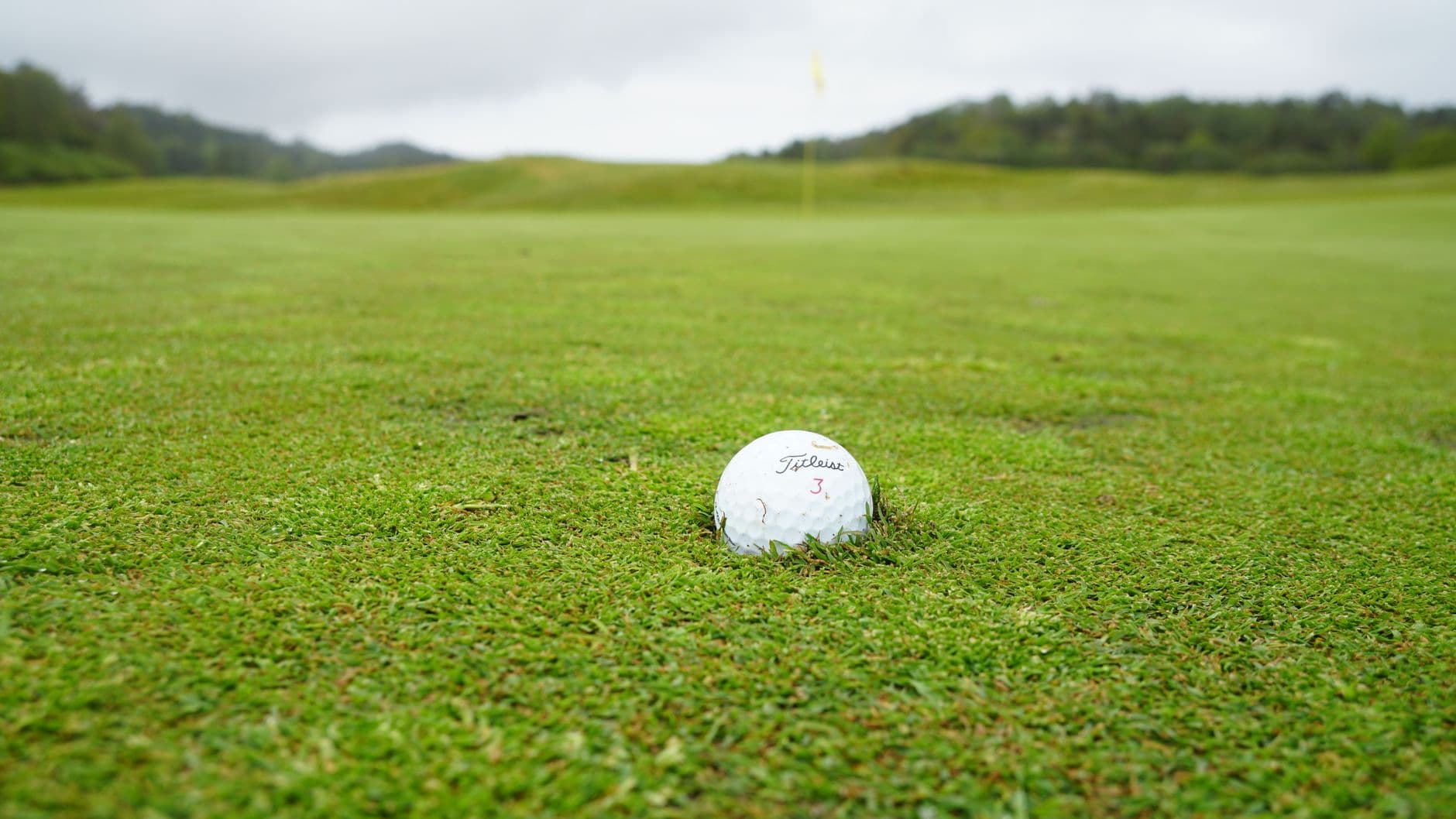
This is where ball technology becomes a genuine performance lever. European players who have transitioned to high-density construction — such as the Attomax Hard or Attomax Medium — benefit from tighter dispersion on approach shots and more predictable spin off the irons under competitive pressure. In a foursomes format where one errant iron shot can cost a hole, that consistency margin matters.
Shaft performance is equally critical in high-pressure match play environments. When a player is on the 18th tee of a halved match with the crowd at full volume, the ability to trust their shaft's kick profile and load timing can be the difference between finding the fairway and finding trouble. Players using Attomax's precision-engineered shaft range often report greater consistency in their tempo under duress — a small margin that compounds across 28 sessions of match play.
The LIV Eligibility Variable
It would be naive to discuss 2027 European team prospects without acknowledging the ongoing structural tension around LIV Golf player eligibility. Several of Europe's most talented players currently compete on LIV, and their pathway to Ryder Cup qualification remains subject to governing body discussions that, as of this writing, have not produced a definitive resolution.
The outcome of those negotiations will either expand Europe's talent pool significantly — potentially restoring world-class players to the qualifying framework — or force the European captain to build around a core of DP World Tour and PGA Tour competitors exclusively. Either scenario is manageable, but the former would make Europe substantially more formidable on paper.
The Verdict: Europe's Position at This Stage
Eighteen months from the start of the serious qualification window, Europe has the raw talent to build a deeply competitive Ryder Cup team. The established core of McIlroy, Fleetwood, and Hovland provides experience and leadership. The emerging cohort led by Åberg and the Højgaard twins provides energy and match play potential. The outstanding variables — the captaincy appointment, the LIV eligibility question, and which young DP World Tour stars emerge over the next 18 months — will determine whether that talent is assembled into a cohesive unit.
The most important thing Europe can do right now is exactly what good Ryder Cup teams always do between cycles: develop individual form, sharpen the match play mindset, and build the team chemistry that no qualification points system can manufacture. The 2027 campaign has, quietly, already begun.
Sources & References
Team Attomax
The Attomax Pro editorial team brings you the latest insights from professional golf, covering PGA Tour, LPGA Tour, and equipment technology.