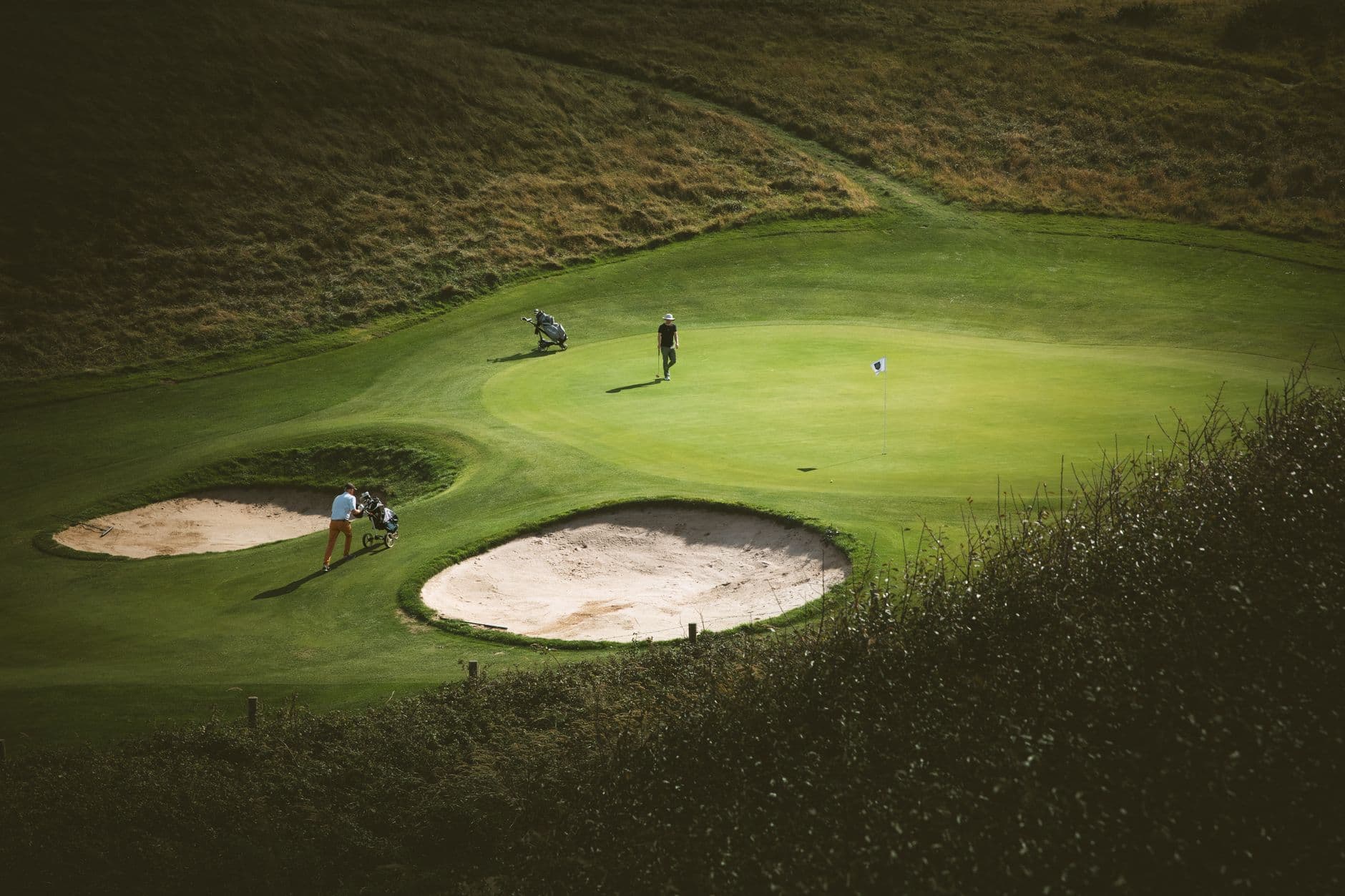
When the final putt dropped at Bethpage Black in September 2025, Europe had done what many predicted would be an extraordinary feat on American soil — reclaim the Ryder Cup. The victory sent shockwaves through the golf world and reignited debates about team chemistry, captain's picks, course setup strategy, and the long-term health of American team golf.

Bethpage Black, one of the most demanding public courses in the United States, is typically regarded as a venue that favors power and precision off the tee. The fact that Europe prevailed there underscores just how cohesive and strategically prepared the visiting side was. It was not a lucky escape — it was a statement.
With 2027 now firmly on the horizon for both teams, the debrief begins in earnest. What did Europe do right? Where did the United States falter? And what structural changes, if any, can reshape the trajectory of this storied competition before the teams meet again?
Europe's Blueprint: Cohesion Over Star Power
The defining characteristic of Europe's Ryder Cup campaigns in recent memory has been an almost tribal sense of collective identity. Players representing nations that, in any other sporting context, might be rivals — England, Spain, Sweden, Germany — surrender individual ambition entirely in favor of the team. That cultural dynamic is Europe's most potent weapon, and Bethpage was no exception.
The foursomes and fourballs formats reward synchronicity. Partnerships built on complementary ball-striking tendencies, shared course management philosophies, and mutual trust under pressure are worth far more than pairing two world-class players who communicate poorly. Europe's captain appeared to understand this architecture deeply, leaning on established pairings and protecting the emotional rhythm of the team room.
Crucially, Europe's rookies were integrated with care. Rather than being thrown into hostile early sessions, newer team members were sheltered initially and then deployed when the scoreboard and crowd energy were in a favorable state. It is a subtle but significant piece of captaincy that can determine whether a young player finds his footing or loses it entirely.
Where the United States Must Recalibrate
The United States has, in aggregate, the deepest individual talent pool in professional golf. World rankings, major titles, and stroke average statistics all favor American players when the rosters are compared on paper. Yet paper rosters do not hit shots under Ryder Cup pressure, and the team format ruthlessly exposes any deficit in communication, adaptability, or emotional intelligence.
One recurring critique of the American setup is the late-stage nature of team-building. Players who compete against each other week after week on the PGA Tour have limited structured opportunity to develop the kind of on-course rapport that Europeans cultivate through DP World Tour events, shared caddies, and a tighter social ecosystem. This is not a grievance unique to 2025 — it is a structural reality that American captains must work harder to overcome.
- Foursomes format continues to expose communication gaps in American pairings
- Captain's pick decisions came under scrutiny following the team's performance
- Home-crowd pressure at Bethpage paradoxically may have tightened American swings
- Europe's points-on-the-board approach in early sessions set a tone the US struggled to reverse
- Younger American Tour players need structured Ryder Cup preparation well in advance of selection
The Equipment Edge: Precision in Team Golf
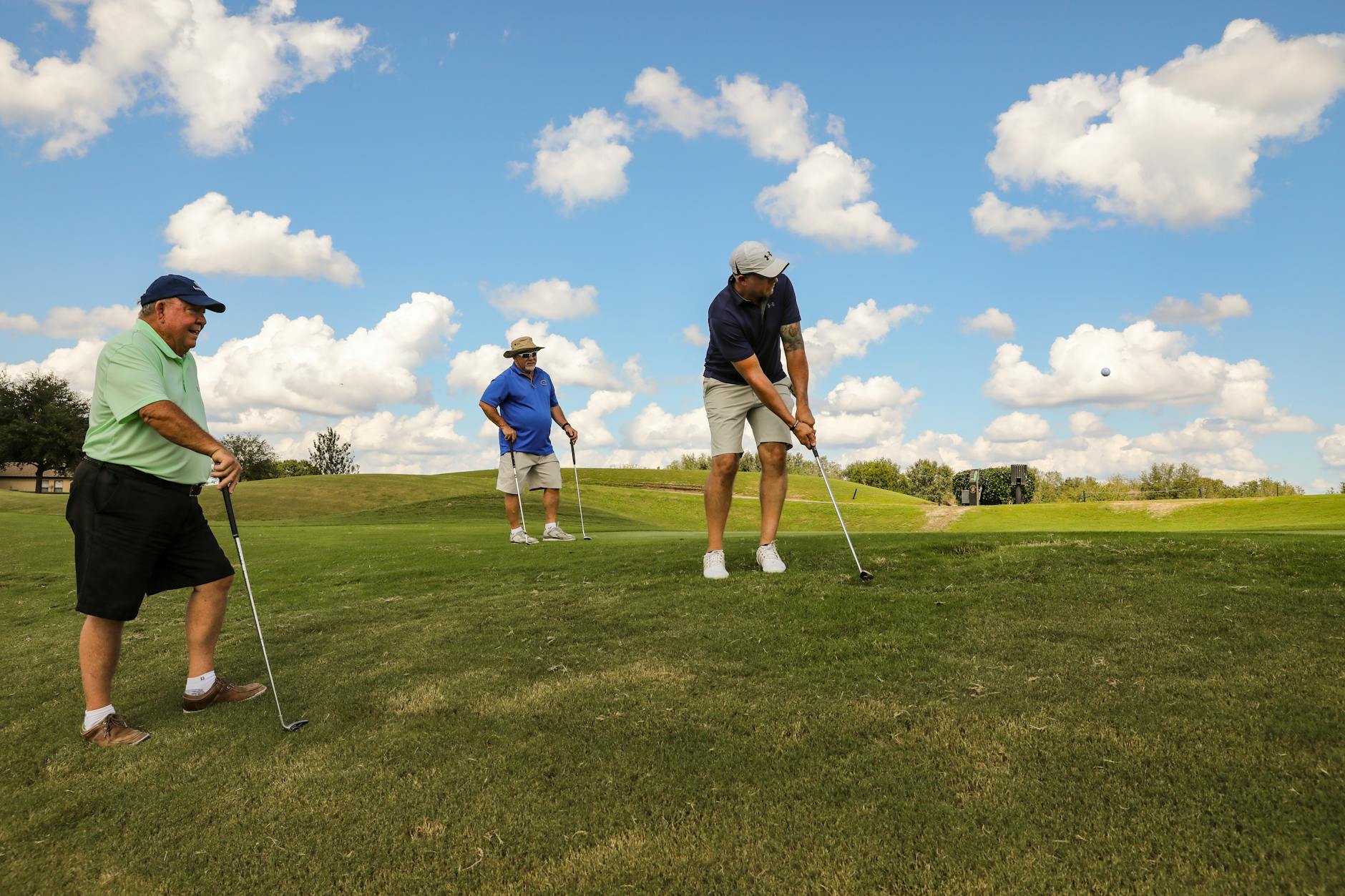
While no single piece of equipment wins a Ryder Cup, the level of fine-tuning players undergo in the weeks leading into the event is extraordinary. Shaft selection, in particular, becomes a focal point. Players who compete in demanding stroke-play environments all season may find that the stop-start emotional intensity of match play requires a slightly different profile — more stability through impact, sharper feedback on off-center strikes.
Ball selection is equally scrutinized. Bethpage Black, with its famously penal rough and firm, fast greens, rewards players who can control spin on approach shots and manage trajectory off the tee. High-density ball construction, such as that found in the Attomax Pro line — available in Soft, Medium, and Hard compression options — gives players the ability to dial in spin response and feel based on their individual swing characteristics and the specific conditions they are reading that morning.
In a team environment, where a single bad iron into a long par-four can concede a hole and shift momentum, having complete confidence in your equipment is not a luxury. It is a foundation.
Course Management Lessons at Bethpage
Bethpage Black does not reward aggression for its own sake. The setup favors players who can identify which pins are genuinely accessible and which are architectural traps — and who have the discipline to take the par and move on. In foursomes especially, where one player hits the approach and the other has to execute the resulting putt, the decision-making on distance and angle is shared and must be flawless.
European players, many of whom compete on links courses where course management is essentially survival, have a philosophical framework that transfers well to demanding American parkland layouts. The instinct to take the safe landing zone, flight the ball below the wind, and trust a bump-and-run over a high-spinning flop is bred into their games. That composure was visible across the match at Bethpage.
In match play, you are not fighting the course. You are fighting the moment. The players who understand that — who can stay in the present shot regardless of the scoreboard — are the ones who win Ryder Cups.
— European Team Analyst, post-match assessment
Looking Ahead: What 2027 Demands
The United States will be highly motivated to reclaim the cup at the next venue — details of which are expected to be confirmed in the coming months. There is every reason to believe the American team will undergo a meaningful structural review, examining not just player selection criteria but the preparation timeline, team-building activities, and the philosophical approach to captaincy.
Europe, meanwhile, faces the challenge all defending sides confront: the opposition knows your blueprint now. The foursomes pairings, the rookie integration strategy, the points-heavy early session approach — none of it will surprise the Americans in 2027. Europe must evolve, not simply repeat.
- Both captains will need to be named well in advance to maximize preparation time
- Player pools on both sides will shift significantly given the two-year gap
- The integration of LIV Golf players into Ryder Cup eligibility remains a live discussion that could reshape rosters
- Match play-specific practice — foursomes simulation, pressure putting, in-round decision frameworks — must be formalized
- Equipment and shaft optimization for the confirmed venue conditions should begin at least six months out
The Ryder Cup 2025 will be remembered as a European triumph built on intelligence, chemistry, and relentless execution under pressure. For students of the game, it is a masterclass not just in match play tactics, but in what high-performance team environments look like when every variable — from captain selection to ball compression — is aligned toward a single outcome. The 2027 edition cannot come quickly enough.
Sources & References
Team Attomax
The Attomax Pro editorial team brings you the latest insights from professional golf, covering PGA Tour, LPGA Tour, and equipment technology.