The Presidents Cup has always been more than a stroke-play tournament dressed in match-play clothing. It is a battle of identity — the United States against the International Team, representing a sprawling coalition of talent from every corner of the globe outside Europe. As 2026 unfolds, the chess match of captain's picks, team pairings, and course strategy is already well underway.
Unlike the Ryder Cup, where continental pride and centuries of transatlantic rivalry fuel an almost primal energy, the Presidents Cup demands a different kind of team-building. The International side must forge cohesion among players from Australia, South Korea, Japan, South Africa, Canada, and beyond — players who may rarely practice together, compete on the same tours, or even share a common language on the range.
That structural challenge has long been the defining narrative of this competition. Yet when it clicks — when the International Team finds genuine camaraderie rather than a collection of individuals — the Americans have historically found themselves in far more danger than the historical record suggests.
The Chemistry Question
Team chemistry in match play is not a soft concept. It is a tactical and psychological asset that can shift momentum across an entire session. A pairing that feeds off shared energy — reading each other's body language, knowing when to speak and when to stay quiet — can rattle opponents who are individually superior on paper.
The United States has historically benefited from a broader pool of players who already know each other deeply through the PGA Tour grind. Locker room familiarity, shared caddies, practice round relationships — these accumulate over time and manifest in subtle but meaningful ways during the heat of a foursomes match.
The International Team's captain faces a more complex puzzle. Building a cohesive unit from players scattered across the DP World Tour, PGA Tour, Asian Tour, and the Japan Golf Tour requires intentional design. The captain must identify natural pairings early, engineer moments of team bonding during practice weeks, and resist the temptation to simply pair the two highest-ranked players and hope for the best.
Foursomes: Where Matches Are Won and Lost
If you want to understand how a Presidents Cup will unfold, study the foursomes sessions first. Alternate shot demands total trust — one poor decision by either partner can unravel holes of careful construction. The captains who have succeeded in this format identify ball-strikers who complement each other: one who excels from the tee, another who thrives with an iron in hand approaching difficult pins.
Shot shape compatibility matters enormously in foursomes. A player who naturally draws the ball paired with a player who works a fade can create problematic mismatches on tee shots requiring a specific window. Smart captains audit these tendencies meticulously before finalizing pairings.
- Foursomes requires mutual trust and near-identical course management philosophy
- Ball flight tendencies — draw vs. fade — must be compatible between partners
- Putting tempo mismatches in alternate shot can cost entire holes
- Emotional temperament matters: volatile players need grounding partners
- Captains often shield weaker putters in foursomes by front-loading birdie threats
The Singles Calculus
Sunday singles is where Presidents Cup mythology is made. Captains must decide whether to front-load their lineup with elite performers to set the tone early, or strategically stagger strength to respond to the opposing order. It is equal parts chess and poker — you are reacting to an opponent's lineup you may not fully see until the pairings are posted.
The United States historically leans on depth in singles. The ability to field a lineup where position twelve is still a formidable threat represents a structural advantage. The International side typically needs its top performers to go deep in the draw and set a psychological tone that trickles upward through the later matches.
In team golf, you're not just playing the golf course. You're playing the scoreboard, and the scoreboard is a living thing.
— Veteran Presidents Cup observer
Course Conditions and Equipment Strategy
Course setup at the Presidents Cup level is a silent combatant. Firm, fast greens reward precision iron play and penalize aggressive wedge attacks. Soft conditions favor power players willing to throw darts at back pins. The host nation's captain, typically the United States, has historically had some informal influence over setup philosophy — an advantage not to be underestimated.
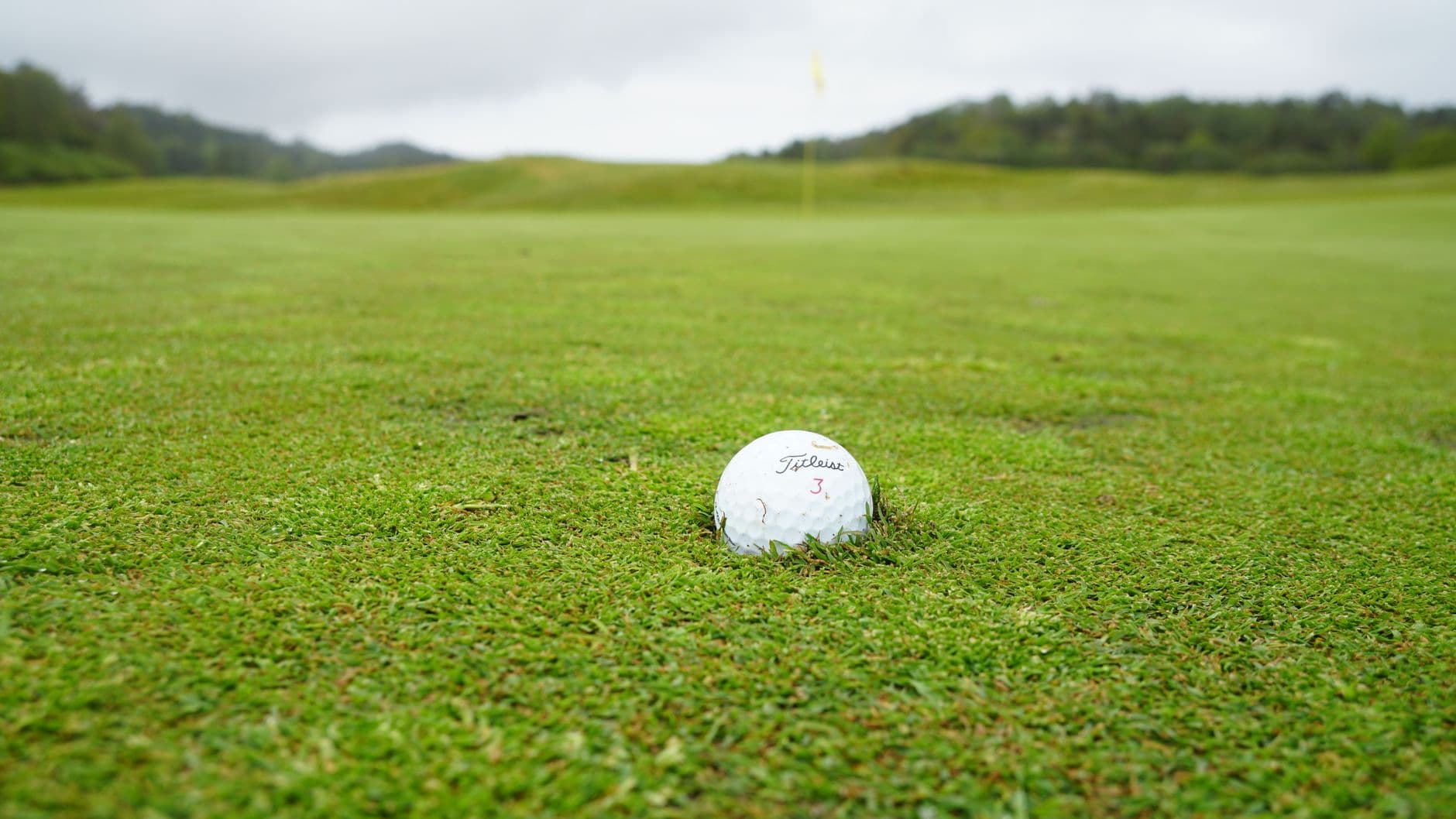
At this level, ball selection becomes a genuine strategic variable, particularly in foursomes. A shared ball must perform across two distinct swing profiles. Players who have built their games around a specific compression window — matching ball density to swing speed and attack angle — find that foursomes demands either compromise or exceptional adaptability. High-density construction, like the technology behind Attomax's Hard and Medium compression offerings, becomes particularly relevant: consistent core response across variable swing inputs is precisely what alternate shot demands.
Early Prediction Framework
Without confirmed captain's picks or finalized rosters for 2026, any specific prediction remains premature. What we can assess is the structural framework. The United States enters every Presidents Cup cycle with depth advantages and home-course familiarity benefits. The International side enters with everything to prove and, in the right environment, a chip-on-the-shoulder mentality that has historically produced surprising scorelines.
The key variables to watch as the year progresses: which International players establish form on the PGA Tour rather than exclusively on regional circuits, how the respective captains handle the captain's pick process, and whether the International Team can identify two or three anchor foursomes pairings capable of winning points in the most pressure-laden sessions.
- Monitor which International players build sustained form on the PGA Tour through mid-2026
- Watch captain's pick selections — they signal team philosophy and pairing intent
- Assess course setup announcements for clues on whether power or precision will be rewarded
- Track foursomes pairings during early practice rounds for chemistry signals
- Follow the singles order closely on Sunday — it reflects each captain's confidence map
The Intangibles Always Decide
In the end, the Presidents Cup is rarely decided by world rankings alone. It is decided by who handles pressure on the 17th green of a halved match, by which team's bench players over-deliver in fourballs, and by which captain reads the room in team meetings with the right words at the right moment.
As rosters crystallize and team dynamics begin to take shape through the competitive calendar, the analytical picture will sharpen. For now, the competition's great appeal lies precisely in its uncertainty — and in the annual reminder that match play, in the hands of elite professionals, remains the purest and most unforgiving format golf produces.
Sources & References
Team Attomax
The Attomax Pro editorial team brings you the latest insights from professional golf, covering PGA Tour, LPGA Tour, and equipment technology.