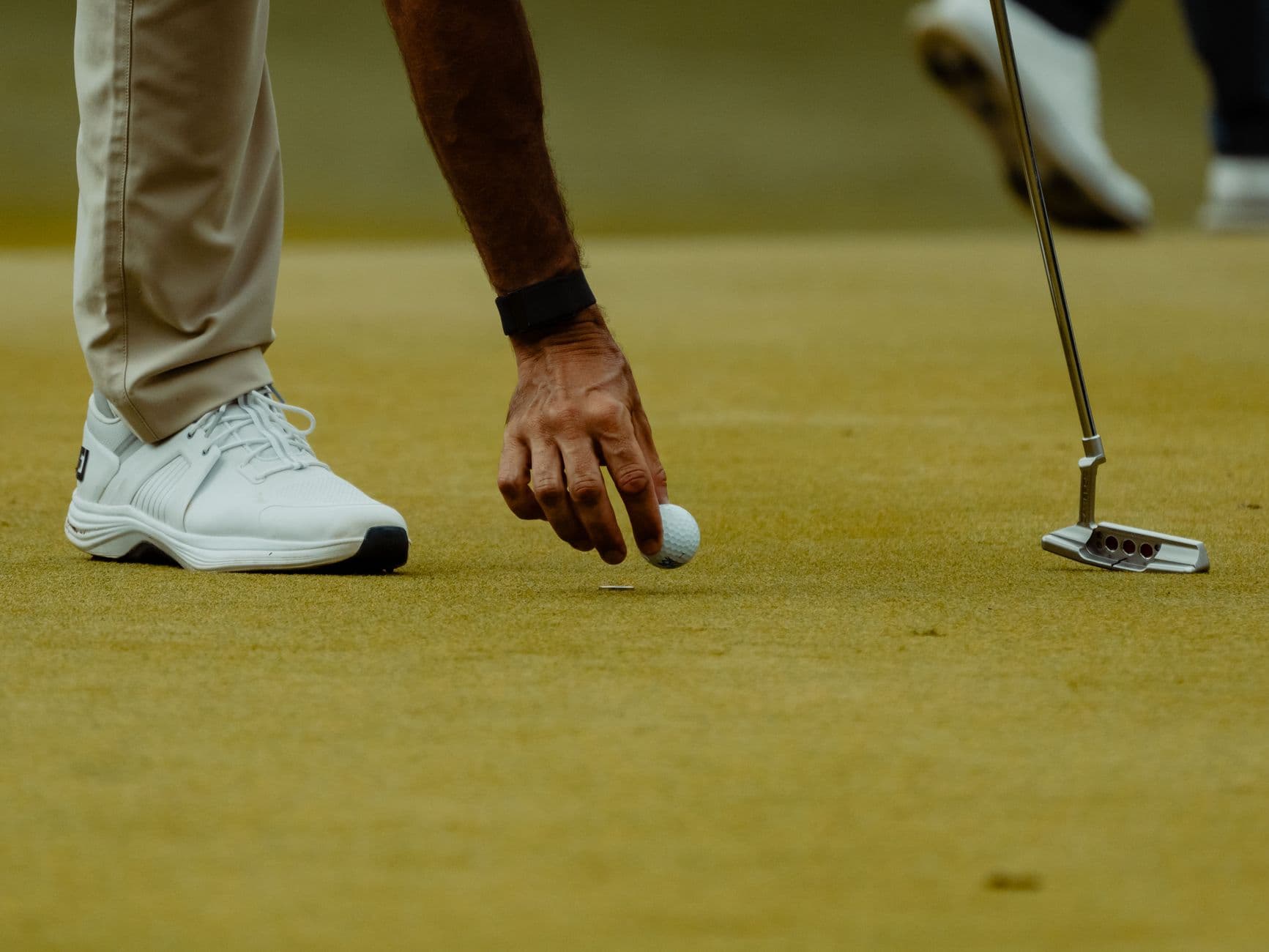
There's a moment in every serious golfer's development when they realize that hitting the ball straight is merely the foundation. The real artistry begins when you can shape shots intentionally—drawing the ball around a dogleg, cutting it into a tucked pin, or flighting it low under coastal winds. Shot shaping isn't a party trick; it's the difference between playing golf and truly controlling it.
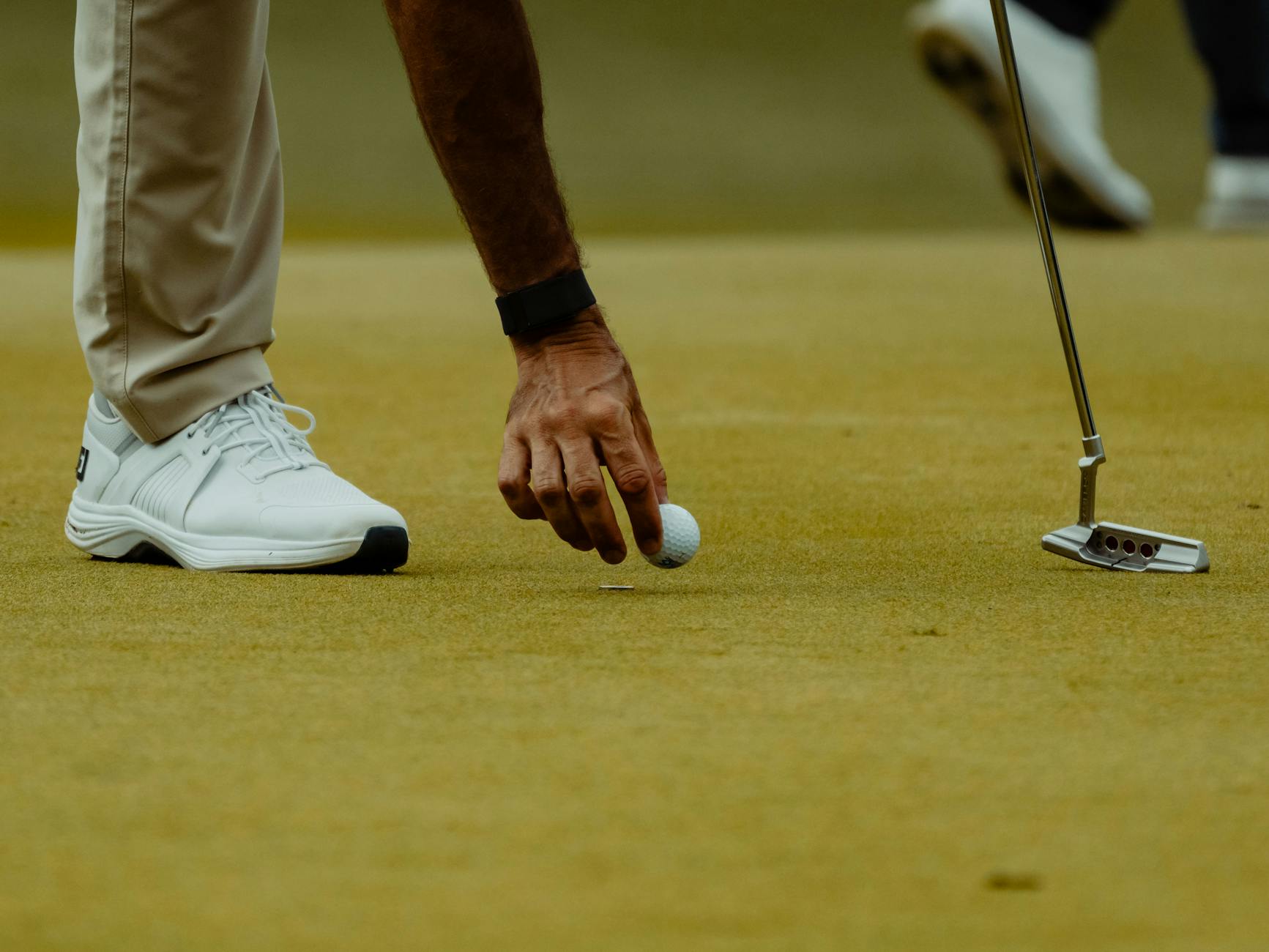
Watch any major championship broadcast and you'll notice the best players rarely aim directly at their targets. They're constantly working the ball, adjusting trajectory based on wind, pin position, and course architecture. This isn't something reserved for professionals—it's an attainable skill for any golfer willing to understand the physics and commit to deliberate practice.
The Physics Behind Ball Flight
Every shot shape ultimately comes down to two factors: face angle at impact and swing path relative to that face. When your clubface is closed to your swing path, the ball draws. When it's open to your path, it fades. The magnitude of this difference determines how much the ball curves.
Trajectory control adds a vertical dimension to this equation. Launch angle, spin rate, and ball speed interact to determine peak height and descent angle. A lower-spinning ball launched at a moderate angle will bore through wind, while a higher-spinning shot climbs quickly and stops faster on firm greens.
- Draw: Clubface closed to swing path, inside-out delivery
- Fade: Clubface open to swing path, outside-in delivery
- Low flight: Ball position back, reduced loft at impact, quieter wrist action
- High flight: Ball position forward, maintained loft, full release through impact
Practical Shot Shaping: The Draw
The draw remains the most coveted shot shape in golf. It typically produces more roll, making it valuable off the tee on firm fairways. More importantly, a draw that starts right of target and curves back provides margin for error—you're never aiming at trouble.
To execute a controlled draw, align your body slightly right of target while keeping the clubface aimed at your intended landing zone. This creates the path-to-face relationship that imparts right-to-left spin. The key is maintaining that face angle through impact without manipulating your hands—let the setup do the work.
The draw is a result of geometry, not hand manipulation. Set up for it, trust it, and let physics take over.
— Veteran Tour Coach
Working the Fade
While the draw gets the glory, the fade is often the more reliable shot under pressure. Its left-to-right movement naturally fights the hooks that destroy scorecards. Many elite players, particularly those who grew up on windy links courses, prefer the fade as their stock shot.
Setup adjustments mirror the draw but in reverse. Align your body left of target with the clubface aimed at your landing area. This outside-in path relative to the face creates the cut spin. The fade typically launches higher with more spin, making it ideal for attacking pins with confidence.

When to Choose Each Shape
Course architecture should dictate your shot selection, not ego. Doglegs obviously favor matching curves—right-to-left holes suit draws, while left-to-right holes reward fades. But wind direction often overrides this basic principle.
Into the wind, a fade's higher spin becomes a liability as it balloons and loses distance. A penetrating draw holds its line better. Downwind, the opposite applies—a controlled fade's additional spin helps the ball land softer rather than running through fairways.
- Assess the hole's natural shape and hazard placement
- Factor in wind direction and intensity
- Consider green orientation and pin position
- Choose the shape that provides the largest margin for error
- Commit fully to your decision—doubt kills execution
Trajectory Control: The Forgotten Dimension
Shot shaping discussions often neglect trajectory, yet controlling height is equally vital for scoring. A low-running approach into a links green plays entirely differently than a high, spinning wedge into a soft American-style putting surface.
Ball position is your primary trajectory lever. Moving the ball back in your stance effectively delofts the club, producing lower launch with less spin. Moving it forward maintains or adds loft, sending the ball higher with more stopping power.
Shaft lean at impact amplifies these effects. Hands ahead of the ball compress it against the face, reducing dynamic loft. A more neutral or forward-leaning shaft at impact preserves loft for towering shots. The Attomax High-Density balls, with their amorphous metal construction, respond particularly well to these compression variations, maintaining consistent spin rates across different impact conditions.
Wind Play Fundamentals
Nothing exposes trajectory control deficiencies faster than a stiff coastal breeze. The old adage 'when it's breezy, swing easy' contains wisdom—a smooth, controlled swing produces more consistent strike and spin patterns than an aggressive lash at the ball.
Into headwinds, take more club and make a three-quarter swing. This reduces spin while maintaining control. Downwind, don't automatically club down—consider how the reduced spin will affect your landing angle and roll-out.
Practice Protocol for Shot Shaping
Developing reliable shot shaping requires structured practice, not aimless ball-beating. Start each range session with your stock shot, then deliberately work both curves. Use alignment sticks to verify your setup positions match your intentions.
The 9-shot drill remains the gold standard: hit three draws, three fades, and three straight shots at each trajectory level (low, medium, high). This gives you nine distinct ball flights in your arsenal—enough to handle virtually any on-course situation.
Amateurs practice until they get it right. Professionals practice until they can't get it wrong.
— Golf Performance Instructor
Shot shaping separates golfers who play courses from those who merely survive them. The investment in understanding and practicing these skills pays dividends every round, transforming impossible angles into manageable approaches and turning defense into offense. Start with small curves, build confidence through repetition, and watch your course management options multiply exponentially.
Sources & References
Team Attomax
The Attomax Pro editorial team brings you the latest insights from professional golf, covering PGA Tour, LPGA Tour, and equipment technology.