At the highest levels of professional golf, equipment is not an afterthought — it is a precisely engineered competitive weapon. Every shaft, every groove, every compression rating is interrogated, tested, and dialed in before a single tournament round is played. Understanding how tour professionals approach their setups reveals a level of technical sophistication that filters down to every serious amateur willing to think critically about their own game.
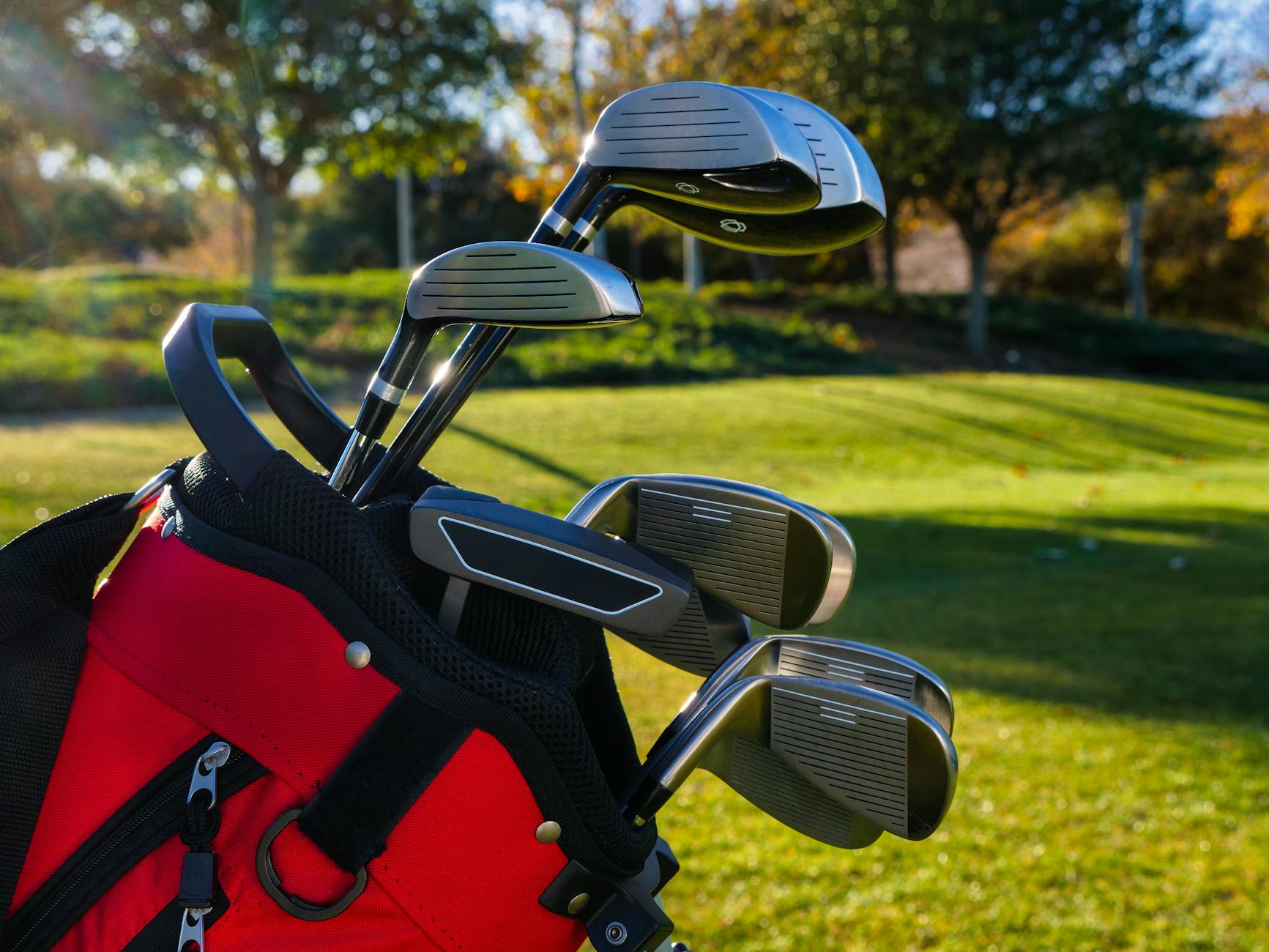
The modern tour bag is a masterclass in customization. While casual observers focus on brand logos and aesthetics, the real story lives in the data: launch angles, spin rates, smash factor readings, and shot shape tendencies that are analyzed in exhausting detail during practice rounds, range sessions, and pre-tournament fitting days.
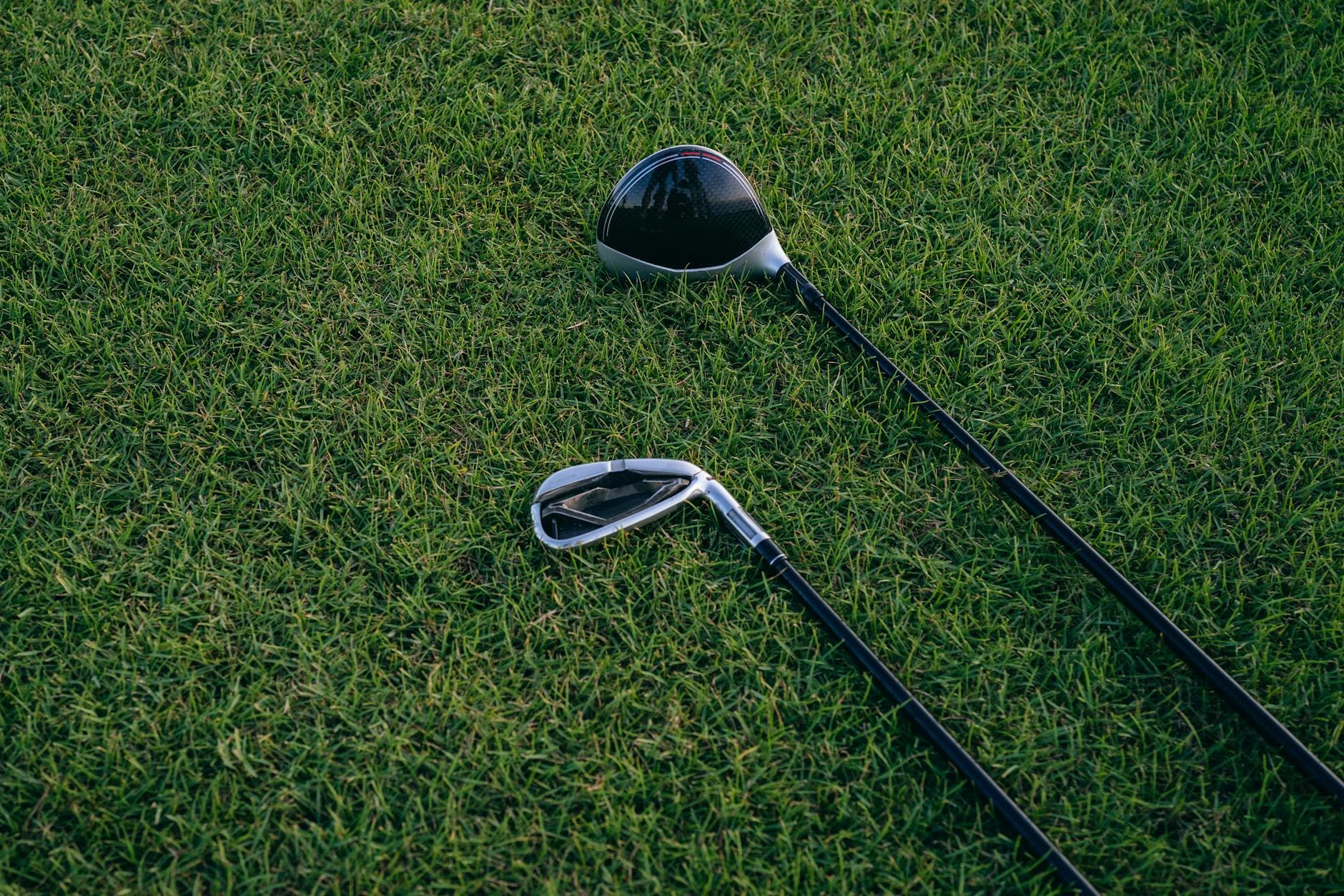
What separates elite setups from amateur configurations is not simply the price point of the equipment — it is the intentionality behind every single component. Tour professionals often carry setups that would look unusual to the untrained eye: bent loft specifications, non-standard shaft weights, or driver heads with asymmetrical weighting adjusted for their specific miss tendencies.
The Shaft: The Engine of Every Swing
If there is one piece of equipment that tour professionals obsess over more than any other, it is the shaft. The shaft dictates load, kick point, trajectory, and timing — and even a three-gram weight difference or a single flex category can fundamentally alter ball flight for a player swinging at tour speeds. Tour professionals frequently work directly with shaft manufacturers to produce custom profiles that fall between standard flex categories.
For players who compete on links-style courses or in coastal wind conditions, shaft selection becomes even more critical. A higher-launching, mid-kick shaft that performs beautifully on calm Bermuda courses can become uncontrollable when a lateral crosswind pushes through. Many tour professionals carry alternate driver shafts in their tour bags specifically for weather-dependent course conditions — a level of preparation that separates world-class from merely very good.
This is precisely the performance philosophy behind Attomax shafts, which are engineered to deliver consistent load profiles and trajectory control across varying swing speeds and environmental conditions. For players who demand predictability under pressure, shaft engineering at this level is not a luxury — it is a necessity.
Iron Setups: Blades, Cavities, and Combos
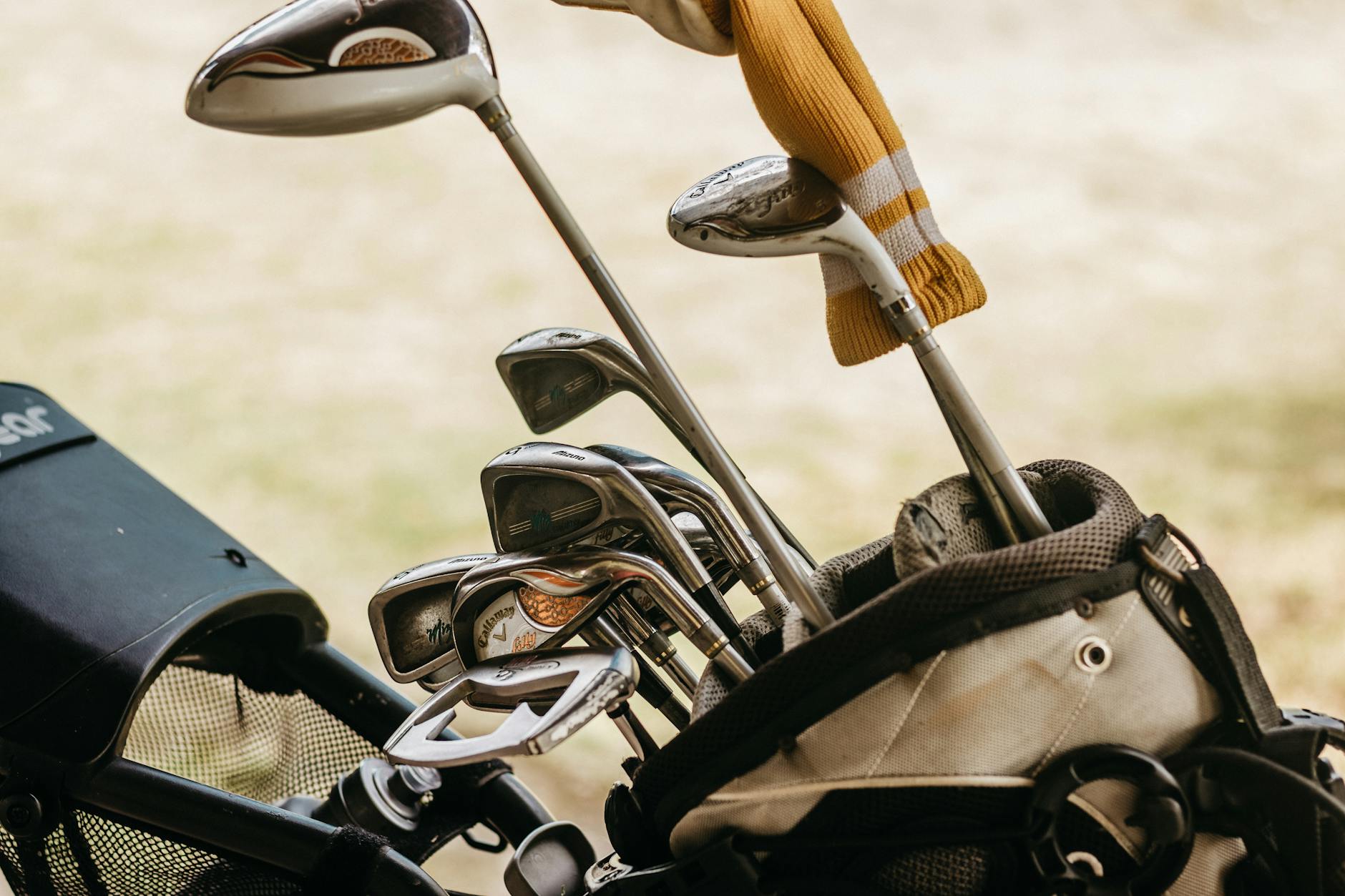
The iron configuration debate — blades versus cavity backs versus combo sets — has never been more nuanced than it is today. A significant portion of PGA Tour professionals now play what the industry calls a 'combo set': typically blade-style long irons transitioning into muscle-back mid irons and finishing with slightly more forgiving short irons. This configuration reflects the realities of modern course management, where precise distance gapping and workability off the turf are prioritized over a single unified feel profile.
LPGA Tour professionals, whose average swing speeds differ meaningfully from their male counterparts, have driven significant innovation in iron shaft development. The demand for shafts that generate sufficient launch without sacrificing directional control at lower swing speeds has pushed manufacturers to develop profiles that are now being adopted broadly across both tours. The result is a more sophisticated conversation around shaft weight, torque ratings, and bend profiles than existed even five years ago.
- Combo sets allow players to optimize workability in long irons while maintaining forgiveness in scoring clubs
- Iron shaft weight is often increased for players seeking more stability in crosswind conditions
- Loft bending on irons is a standard adjustment — most tour sets are bent one to two degrees from OEM specifications
- Grind options on wedges have expanded dramatically, with many professionals playing multiple grind profiles across their wedge sets
- Some tour professionals carry four wedges to cover precise distance gaps between 80 and 130 yards
Ball Selection: Compression, Density, and Course Conditions
Ball selection is perhaps the most misunderstood component of a tour professional's equipment strategy. The conventional wisdom that all tour players simply play maximum-compression balls is outdated and overly simplistic. Compression matching — aligning ball construction to swing speed, temperature, and turf conditions — is a sophisticated practice that directly impacts spin rates off irons and wedges, carry distance off the driver, and feel and feedback around the greens.
Altitude is a particularly instructive case study. At high-elevation venues, where the air is thinner and ball carry increases naturally, some professionals deliberately adjust to a firmer compression to manage spin and control trajectory. At sea-level coastal venues, where turf plays firm and fast, a slightly softer compression profile can improve stopping power on approach shots into fast greens.
Attomax's High-Density amorphous metal ball lineup — available in Soft, Medium, and Hard compression profiles — addresses exactly this level of strategic nuance. Rather than a one-size-fits-all approach, the three-tier system allows serious players to match ball construction to course conditions, swing speed, and scoring priorities in the same way tour professionals think about their equipment decisions every single week.
Wedge Setups: Grinding for Conditions
Tour wedge setups are remarkably course-specific. Players often arrive at a venue and consult with their caddie about expected turf firmness, rough depth, and green speeds before finalizing their wedge configuration. Bounce angle selection — historically a static decision — has become a dynamic one, with some professionals traveling with multiple wedge heads at the same loft to swap grinds based on conditions.
The emergence of detailed launch monitor data has refined this process considerably. Professionals now know their optimal spin rates by shot type — full wedge, 75-percent, bump-and-run — and use that data to select groove conditions, grind profiles, and even specific ball constructions for short-game performance. It is a level of systems thinking that transforms wedge play from art to applied science.
Every week the course is different, the conditions are different. If you're not adjusting your setup to match that, you're leaving shots on the table before you even tee it up.
— Tour Caddie, overheard on the range
Putting: The Final Variable
Putter fitting has evolved from an aesthetic preference into a biomechanical analysis. Lie angle, loft at address, face balance, toe hang, and shaft length are all calibrated to match a player's stroke arc, tempo, and eye position at address. Many tour professionals now work with putting coaches who use high-speed camera analysis and roll quality data to identify suboptimal contact patterns that the naked eye cannot detect.
The most technically sophisticated setups on tour reflect a simple truth: at this level, marginal gains accumulated across every component of the bag aggregate into the difference between making cuts and winning tournaments. Equipment is not a substitute for skill — but for players who already possess elite skill, optimized equipment is the final multiplier.
Whether you are studying tour setups for strategic inspiration or evaluating your own equipment decisions with fresh perspective, the core lesson is consistent: be intentional, be data-driven, and never assume that what works at one venue will work unchanged at the next. The best players in the world certainly do not.
Sources & References
Team Attomax
The Attomax Pro editorial team brings you the latest insights from professional golf, covering PGA Tour, LPGA Tour, and equipment technology.