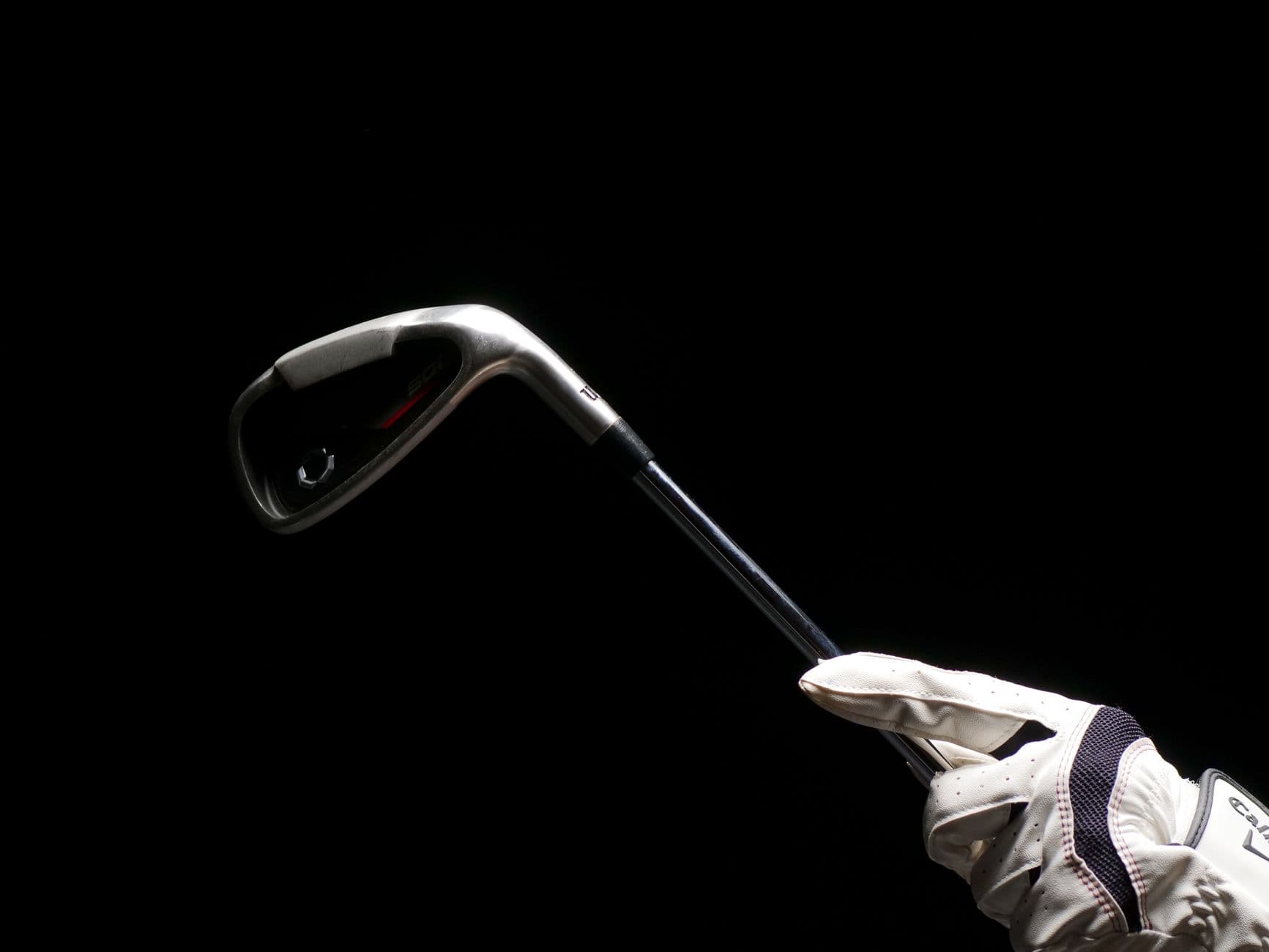
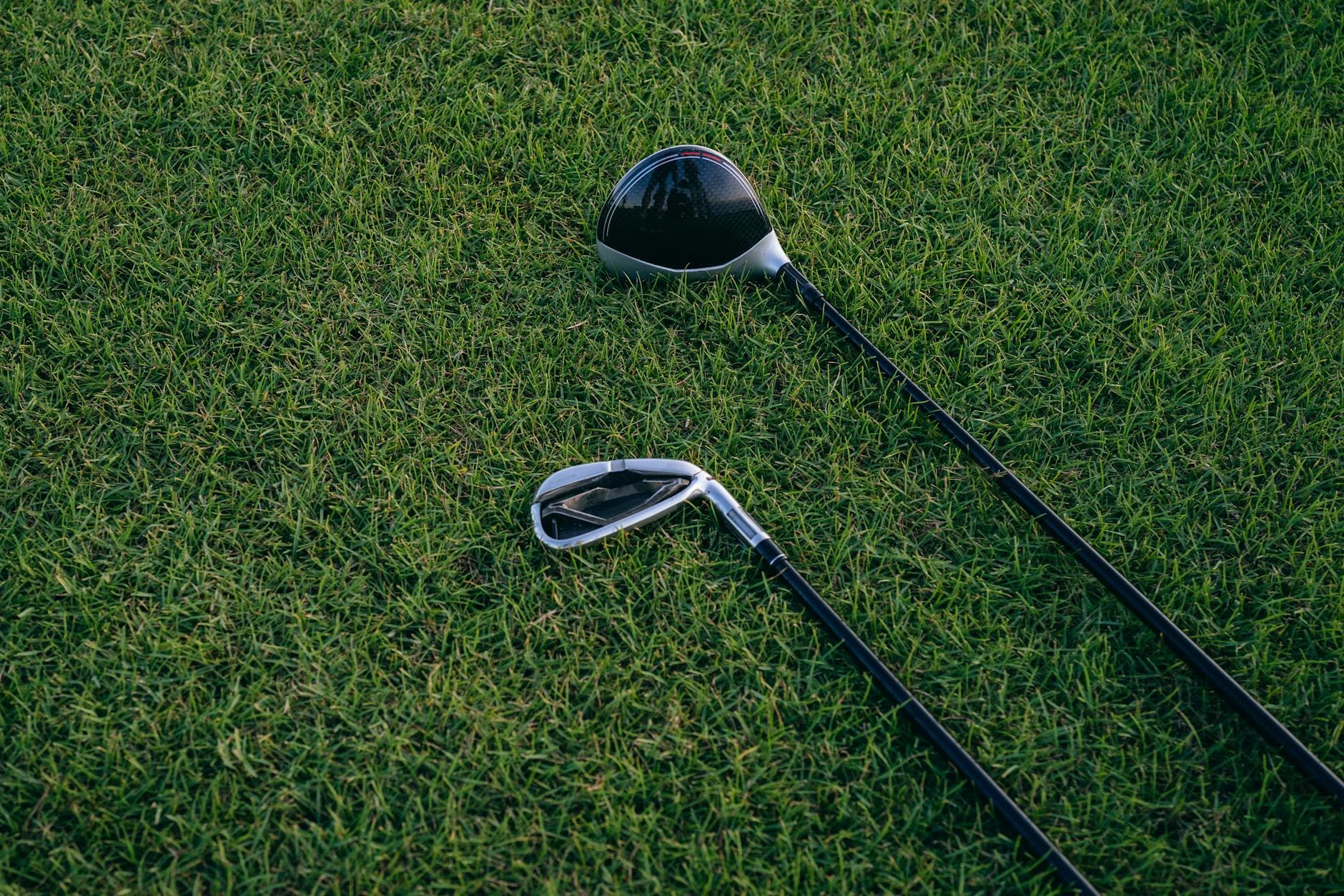
The equipment setups of touring professionals represent years of refinement, testing, and micro-adjustments that most recreational players never witness. While amateurs often chase the latest driver release, elite players approach their bags with surgical precision—every gram, every shaft profile, and every ball characteristic serving a specific purpose in their pursuit of competitive excellence.

Understanding how professionals configure their equipment offers valuable insights for serious golfers looking to optimize their own setups. The principles remain consistent regardless of skill level: match equipment specifications to your swing characteristics, not the other way around.
The Shaft: Where Performance Truly Lives
Tour professionals obsess over shaft specifications in ways that would surprise most club golfers. While retail shaft options might offer three or four flex choices, tour vans stock hundreds of shaft profiles with minute variations in weight, torque, kick point, and bend profile.
The trend toward lighter driver shafts has accelerated in recent seasons, with many professionals opting for shafts in the 55-65 gram range rather than the 70+ gram options that dominated a decade ago. This shift reflects a broader understanding that clubhead speed, not shaft weight, generates ball velocity.
- Weight reduction of 10 grams can potentially add 1-2 mph of clubhead speed
- Lower torque shafts (under 3.5°) suit players with aggressive transitions
- Mid-kick profiles help players who struggle to launch the ball optimally
- Tip stiffness influences spin rates more than overall flex rating
What separates tour-level fitting from retail experiences is the granularity of data collected. Launch monitor sessions track not just ball speed and spin, but dispersion patterns across dozens of swings. Professionals know their miss tendencies and select shafts that minimize those misses rather than optimize their best strikes.
Iron Specifications: The Precision Game
While drivers generate headlines, iron play wins tournaments. Tour professionals demonstrate remarkable consistency in their iron specifications, often maintaining the same shaft models and weighting across multiple equipment contracts.
The movement toward stronger iron lofts in game-improvement clubs has created an interesting divergence from tour setups. Most professionals still play traditional lofts—a 7-iron at 34-35 degrees rather than the 28-30 degrees found in distance-oriented retail irons. This traditional lofting provides better gapping and trajectory control, particularly into firm green complexes.
The best players in the world aren't trying to hit their 7-iron 200 yards. They want to hit it the exact same distance every single time.
— Tour Equipment Representative
Lie angle adjustments represent another area where tour specifications diverge significantly from standard offerings. Dynamic lie fitting—measuring lie angle during actual swings rather than static positions—often reveals that players need adjustments of 2-3 degrees from standard specifications.
Ball Selection: More Than Marketing
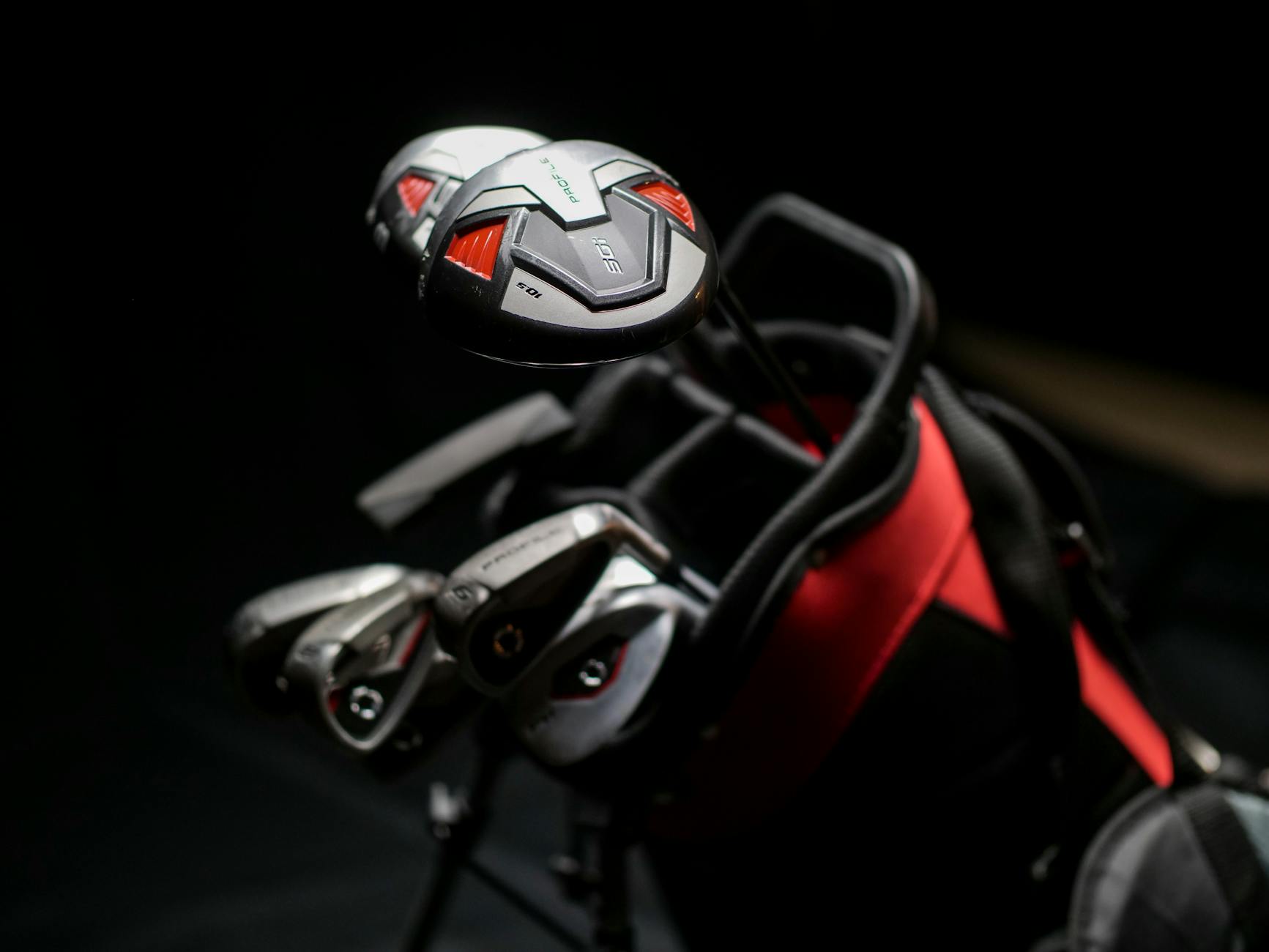
Golf ball selection among professionals demonstrates how nuanced equipment decisions become at the highest level. While the urethane-covered, multi-layer ball remains the tour standard, the specific compression and construction characteristics vary significantly based on individual preferences.
Swing speed certainly influences ball selection, but feel preferences and short game performance often outweigh pure distance considerations. A player gaining two yards off the tee means nothing if they sacrifice confidence and touch around the greens.
- Compression ratings typically range from 70-100+ in tour-quality balls
- Softer compressions can actually perform better in cooler conditions
- Cover durability affects how balls respond after bunker shots and cart path contact
- Dimple patterns influence trajectory stability in wind conditions
The emergence of high-density ball technology, including amorphous metal core constructions like those found in Attomax Pro offerings, has introduced new variables into the selection process. These denser cores can provide enhanced stability through variable wind conditions while maintaining the soft feel characteristics that professionals demand.
Wedge Configuration: Where Scoring Happens
Wedge setups among tour professionals reveal perhaps the most personalized configurations in their bags. While a standard retail wedge might come in 52°, 56°, and 60° options, tour players often request custom grinds and bounces specific to the course conditions they most frequently encounter.
The bounce angle—that flange on the sole that prevents digging—receives particular attention. Players competing primarily on firm, links-style courses might prefer lower bounce configurations, while those playing softer parkland courses benefit from additional bounce to prevent chunked shots from tight lies.
Groove sharpness and conformity represent ongoing considerations. USGA regulations limit groove specifications, but within those parameters, professionals replace their wedges far more frequently than amateurs—often every few months for heavily used scoring clubs.
Applying Tour Insights to Your Game
While recreational golfers cannot access tour van fitting services, the principles underlying professional equipment decisions remain applicable. The key is understanding that optimization means matching equipment to your actual swing, not the swing you wish you had.
Start with shaft fitting before head selection. The shaft influences every performance characteristic, and a properly fitted shaft in a less expensive head will outperform a poorly fitted premium clubhead. Launch monitor data, even from a single fitting session, provides baseline information that guides future decisions.
Ball selection deserves more attention than most amateurs provide. Testing multiple ball models with your actual wedges and putter reveals feel preferences that impact scoring more than any driver switch. The small investment in purchasing sleeves of various tour-quality balls for comparative testing pays dividends in confidence and consistency.
Ultimately, tour professionals succeed not because they access equipment unavailable to others, but because they understand their games deeply enough to make informed specification decisions. That self-knowledge, combined with proper fitting resources, represents the true equipment edge that serious golfers should pursue.
Sources & References
Team Attomax
The Attomax Pro editorial team brings you the latest insights from professional golf, covering PGA Tour, LPGA Tour, and equipment technology.