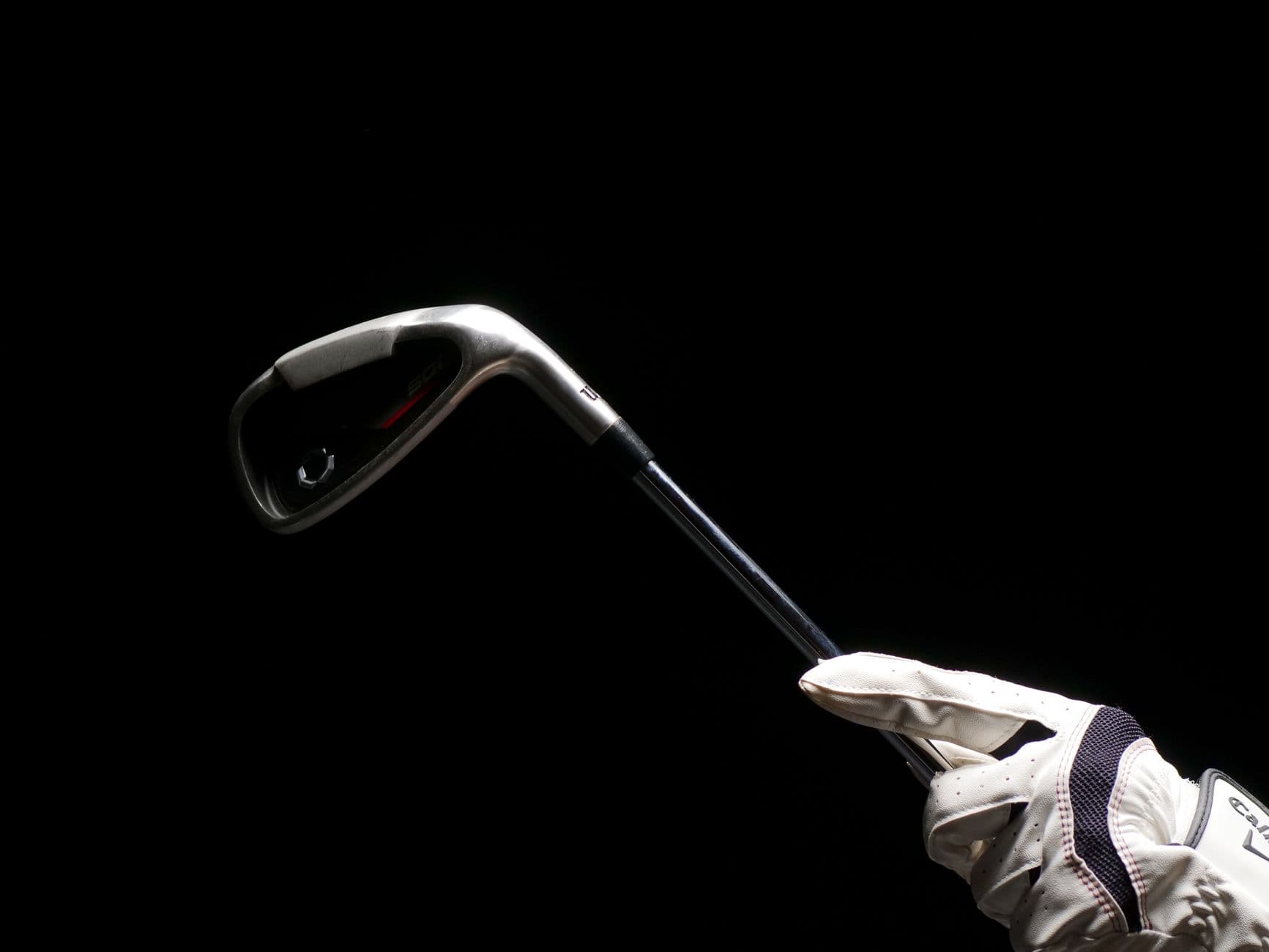
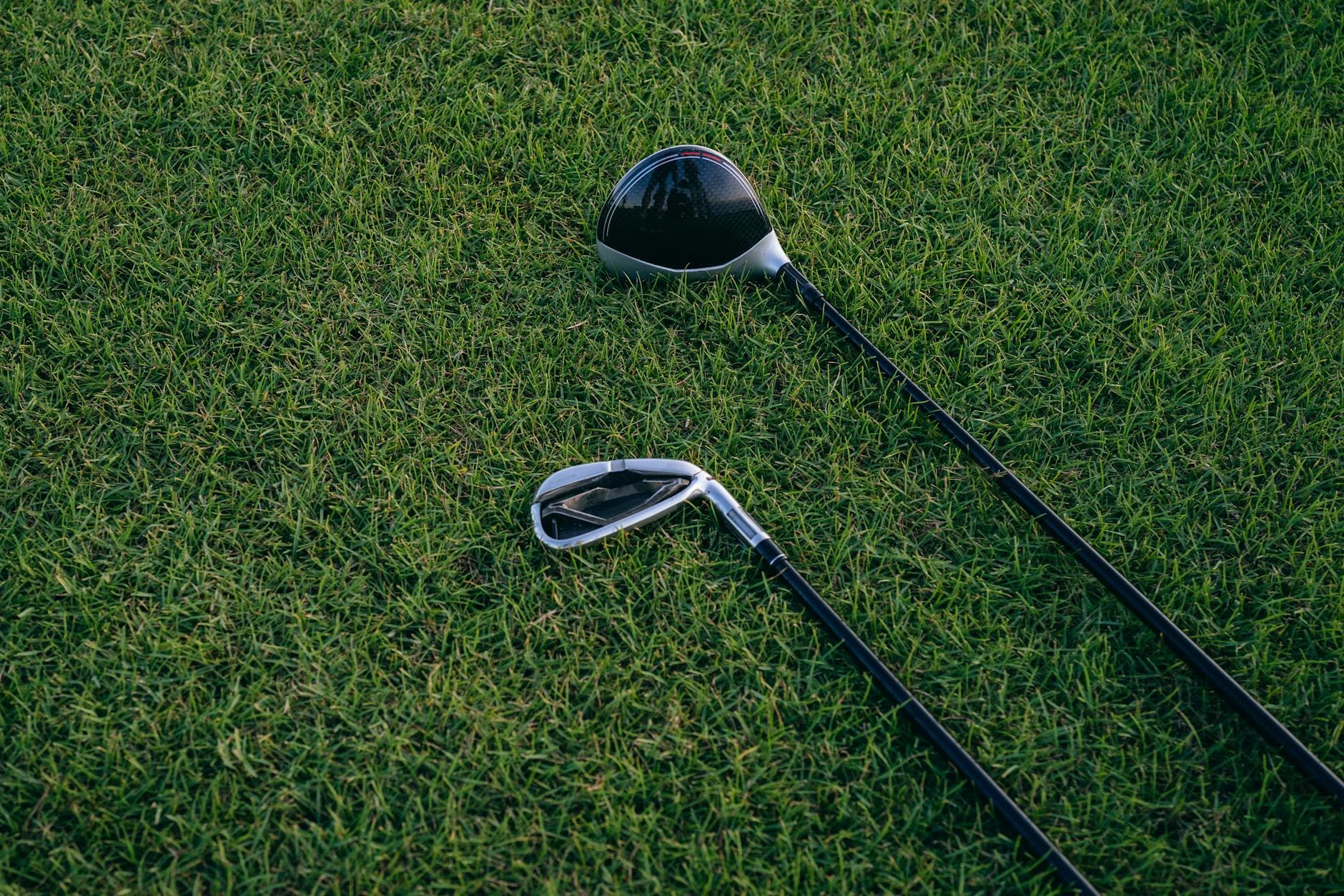
The difference between a top-ten finish and a missed cut often comes down to millimeters and grams. Tour professionals spend countless hours dialing in equipment specifications that the average club golfer never considers—and in 2026, the attention to detail has reached unprecedented levels.
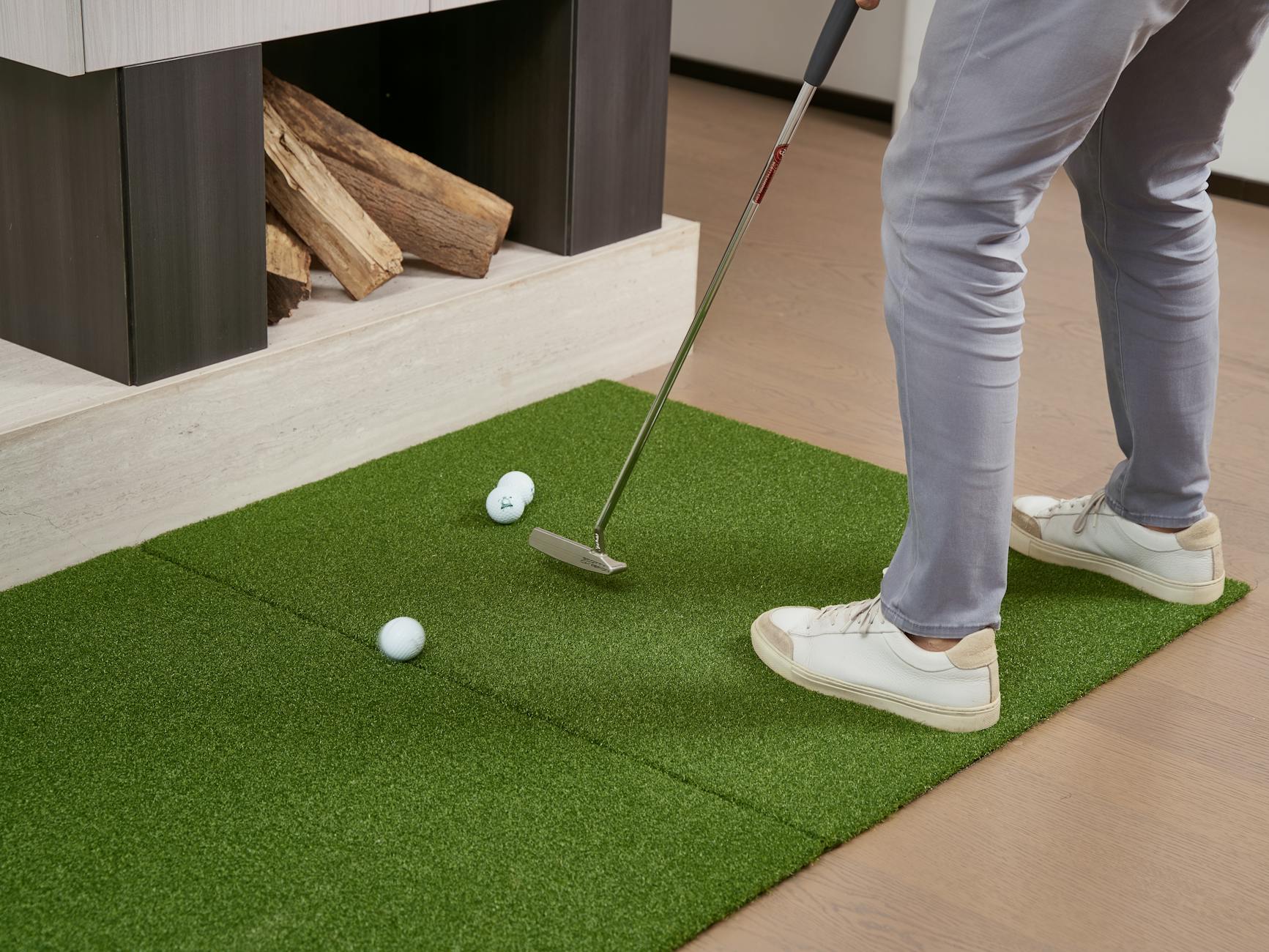
While recreational players might swap drivers every few seasons based on marketing hype, elite players approach equipment changes with the precision of a laboratory experiment. Every variable is measured, tested, and validated before earning a spot in the bag during competition.
Understanding how professionals approach their setups offers valuable insights for serious golfers looking to optimize their own equipment choices. The methodology matters as much as the gear itself.
The Shaft Revolution: Why Flex Ratings Tell Only Part of the Story
Tour players rarely discuss shaft flex in the simplistic terms found in retail golf shops. Instead, they focus on specific bend profiles, kick points, and torque measurements that dramatically influence ball flight patterns.
A shaft's EI profile—its stiffness at various points along its length—determines whether the club loads early, mid, or late in the downswing. Players with aggressive transitions often prefer tip-stiff profiles that resist excessive droop at impact, while smoother swingers may benefit from softer tip sections that promote higher launch.
- Butt stiffness affects feel during the takeaway and transition
- Mid-section flex influences loading characteristics through the downswing
- Tip stiffness controls launch angle and spin rates at impact
- Torque ratings determine how much the shaft twists during the swing
The trend toward lighter driver shafts continues in 2026, with many professionals gaming models in the 55-65 gram range. However, some power players maintain heavier options around 70 grams for enhanced control and consistency under pressure.
Iron Setups: The Rise of Combo Sets and Variable Weighting
Gone are the days when professionals carried matching irons from three-iron through pitching wedge. Modern tour bags frequently feature hybrid long irons transitioning into players' cavities, then blending into muscleback short irons for maximum control around the greens.
This approach acknowledges that different clubs serve fundamentally different purposes. A four-iron needs forgiveness and launch assistance, while a nine-iron demands precision and shot-shaping capability. Building a set that optimizes each club's primary function simply makes sense.
The best players aren't loyal to a single iron model—they're loyal to performance. If a different head or shaft works better in a specific slot, that's what goes in the bag.
— Equipment Industry Analyst
Shaft weighting through the set has also evolved. Many professionals now play slightly heavier shafts in their wedges compared to their mid-irons, promoting a more controlled tempo and consistent strike patterns on partial shots.
Ball Selection: Matching Construction to Playing Style
The modern tour ball market offers remarkable variety in construction and performance characteristics. While three-piece urethane-covered balls dominate professional play, the specific models chosen vary significantly based on individual swing profiles and course conditions.
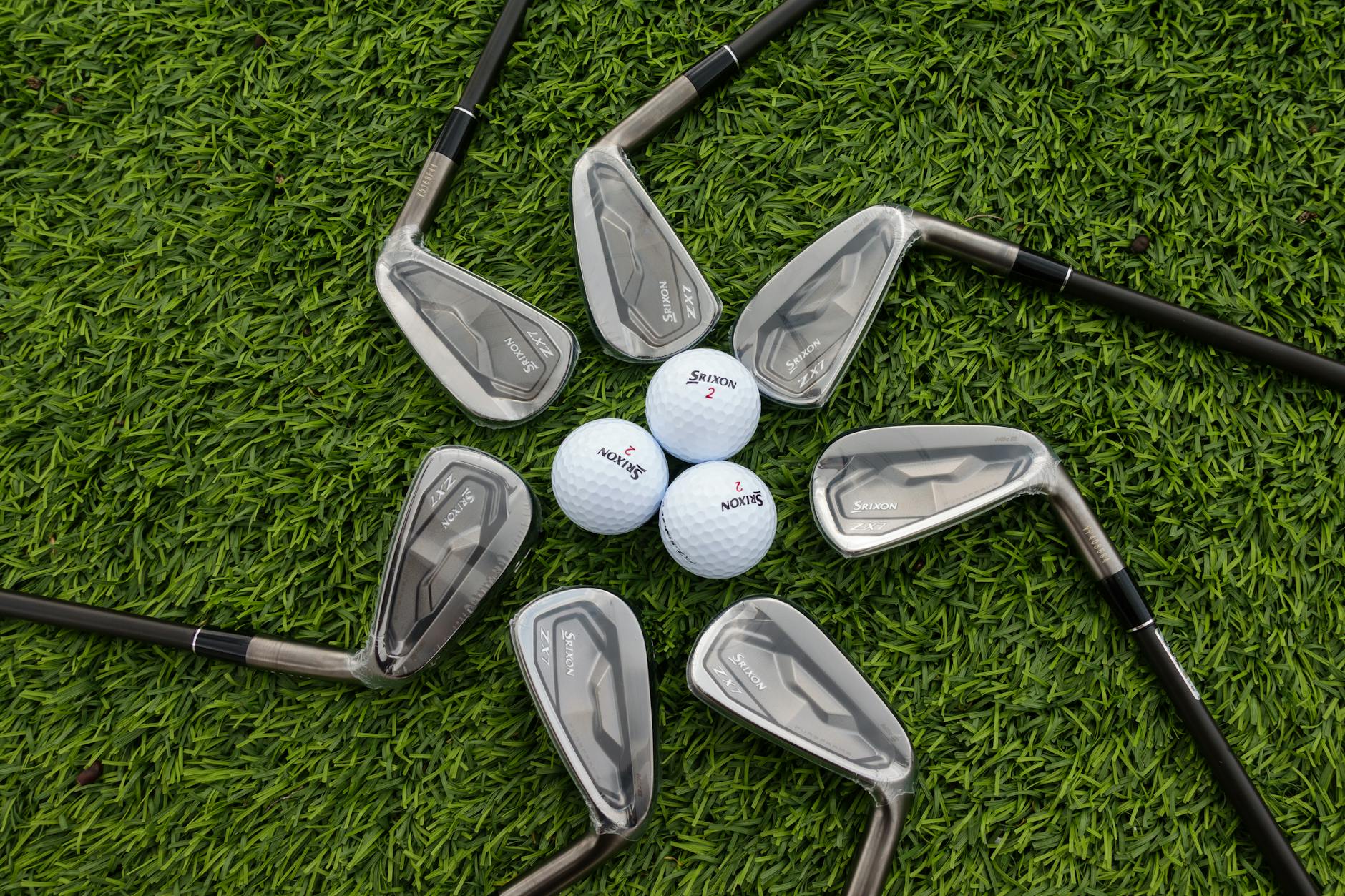
Players generating high spin rates naturally may prefer slightly firmer constructions that prevent ballooning in windy conditions. Conversely, those seeking additional greenside spin often gravitate toward softer covers that maximize wedge interaction.
High-density ball constructions have gained traction among players prioritizing wind stability without sacrificing feel. The denser core materials help maintain trajectory integrity through challenging conditions while providing consistent energy transfer at impact.
- Driver spin rates typically range from 2,000-2,800 RPM for optimal distance
- Iron compression preferences vary with swing speed and attack angle
- Wedge spin peaks around 10,000-12,000 RPM with clean contact
- Putter feel remains highly subjective but influences confidence significantly
The Testing Protocol: How Professionals Validate Equipment Changes
Tour players don't simply try new equipment on the range before committing. Rigorous testing protocols involve launch monitor sessions, on-course validation rounds, and often statistical analysis over multiple competitive rounds before permanent changes are made.
The psychological element cannot be overlooked either. A piece of equipment might test better on paper but fail to inspire confidence when money is on the line. The best tour technicians understand that player belief matters as much as launch data.
Wedge Configuration: Maximizing Versatility Around the Greens
Most professionals carry three or four wedges, typically spanning from 46-48 degrees through 60-62 degrees. The specific gapping depends on course setup and individual short game tendencies.
Bounce selection receives particular attention. Higher bounce wedges excel from soft conditions and fluffy lies, while lower bounce options provide versatility on tight lies and firm turf. Many players adjust their wedge configurations weekly based on expected course conditions.
Groove freshness matters enormously at the elite level. Tour players frequently rotate wedges every few months, sometimes even mid-tournament if spin rates decline noticeably. The difference between fresh and worn grooves can mean several hundred RPM—enough to affect stopping power on firm greens.
Applying Tour Insights to Your Game
While recreational players cannot replicate every aspect of tour-level equipment fitting, several principles translate directly. Prioritize shaft fitting over head selection, as the shaft influences roughly seventy percent of ball flight characteristics.
Consider building a combo set rather than forcing uniformity throughout your irons. Evaluate whether your ball choice actually matches your swing speed and spin tendencies rather than simply selecting what professionals use.
Most importantly, recognize that equipment optimization is an ongoing process rather than a one-time decision. As your swing evolves and conditions change, your setup should adapt accordingly. The professionals understand this reality—and their results speak to the value of continuous refinement.
Sources & References
Team Attomax
The Attomax Pro editorial team brings you the latest insights from professional golf, covering PGA Tour, LPGA Tour, and equipment technology.