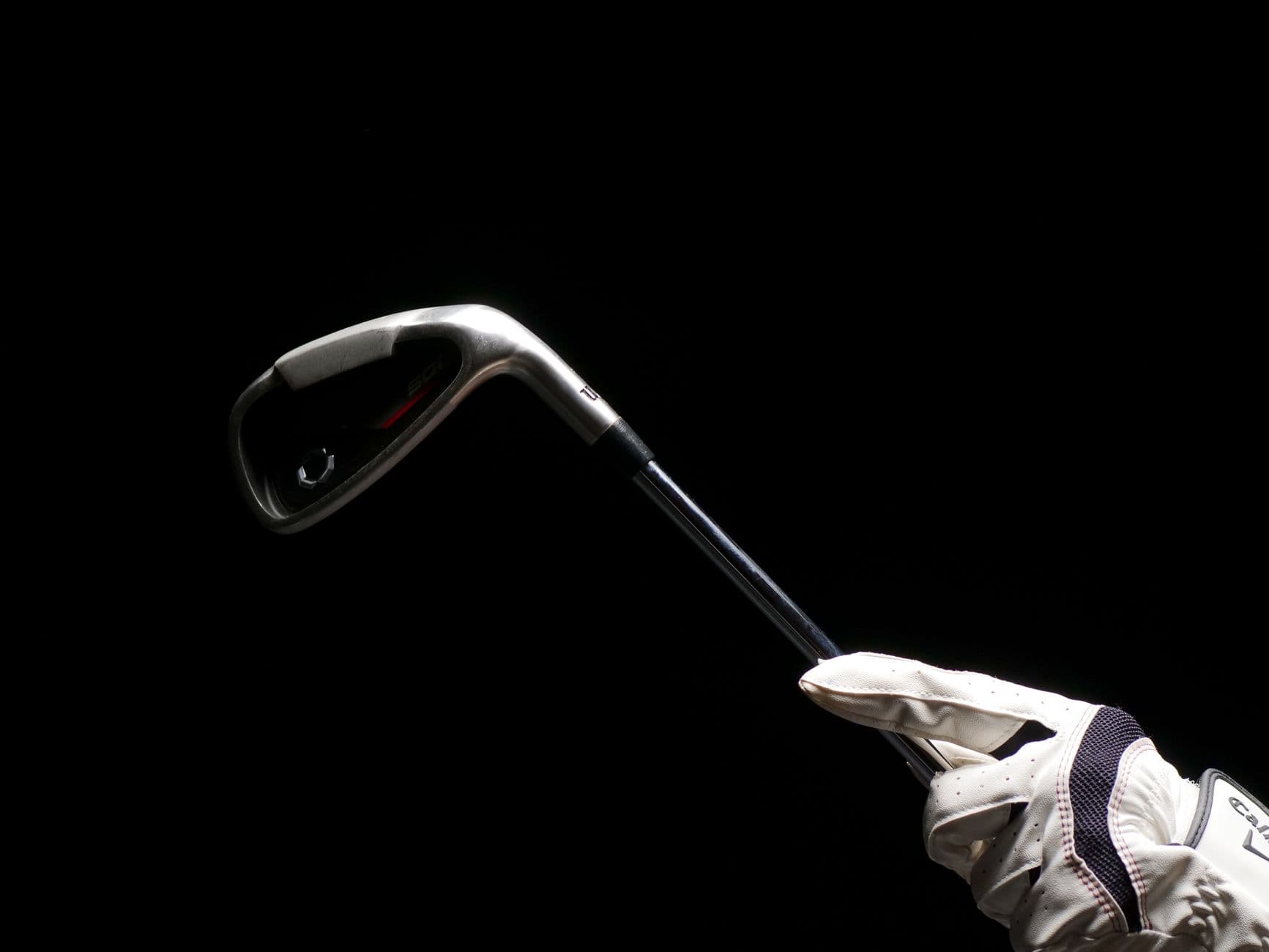
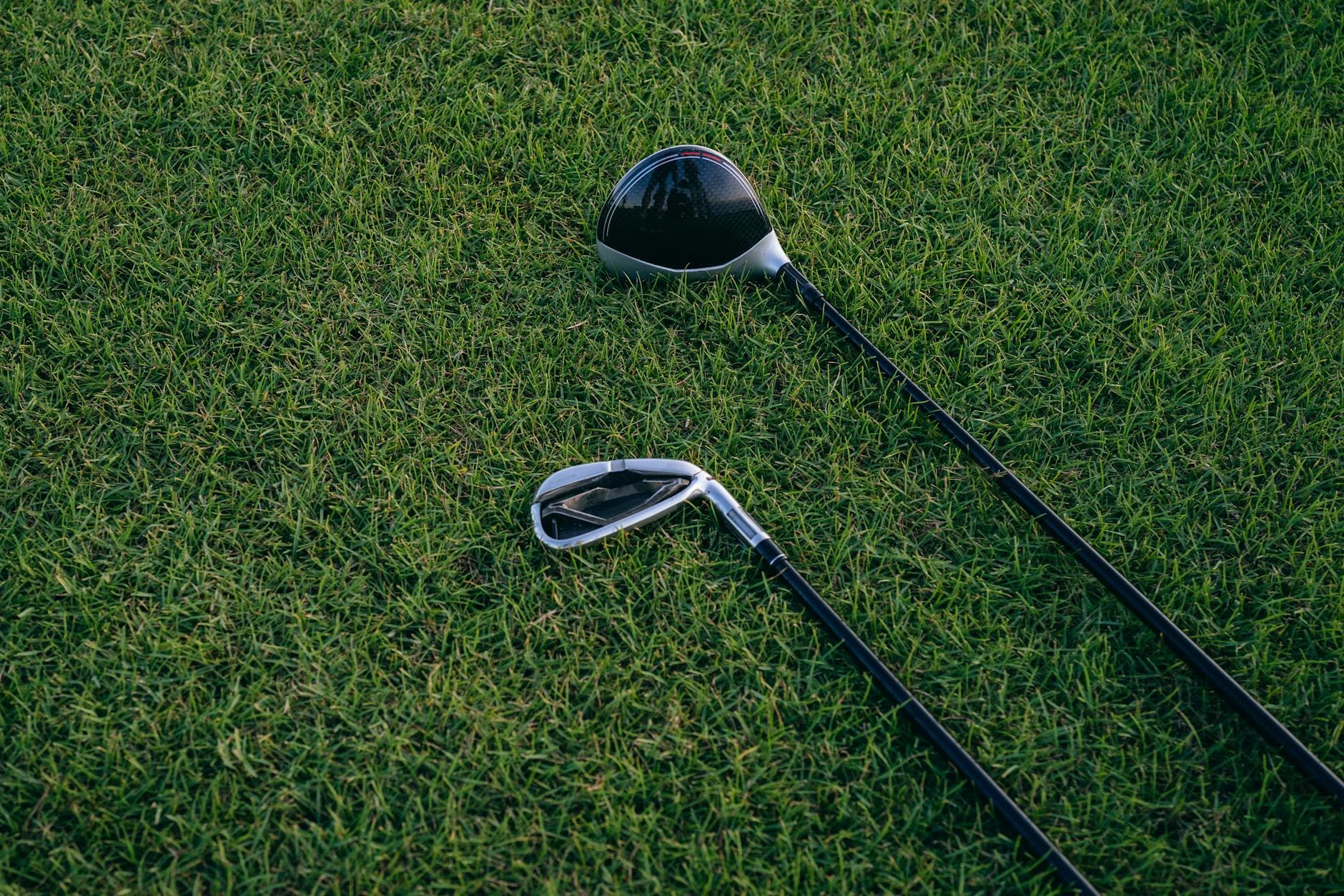
The difference between a made cut and a missed one often comes down to millimeters and milliseconds—tolerances that tour professionals understand intimately when configuring their equipment. While weekend players might swap drivers on a whim, elite competitors approach their bag setup with the precision of aerospace engineers, balancing launch conditions, spin profiles, and feel across fourteen clubs that must perform under the most demanding conditions in golf.

Equipment decisions at the highest level represent a fascinating intersection of cutting-edge technology and deeply personal preference. Understanding how tour players approach these choices offers valuable insights for accomplished amateurs seeking to optimize their own setups.
The Science Behind Shaft Selection
Shaft selection remains perhaps the most individualized aspect of tour equipment configuration. Players work extensively with launch monitor data to identify profiles that complement their swing characteristics, with particular attention to kickpoint location, torque values, and weight distribution throughout the shaft.
The trend toward lighter driver shafts has accelerated in recent seasons, with many players gravitating toward weights in the 55-65 gram range to maximize clubhead speed without sacrificing control. However, this isn't universal—players with naturally aggressive transitions often prefer heavier options that provide greater stability through impact.
Iron shafts tell a different story. Tour professionals increasingly differentiate their long iron shafts from their scoring club shafts, recognizing that the demands of a 4-iron approach differ fundamentally from an 8-iron into a tucked pin. This "shaft stepping" approach allows players to optimize launch and spin characteristics across the entire iron set.
Ball Selection: More Than Compression
The golf ball conversation has evolved dramatically as players recognize that construction, cover material, and core density interact in complex ways with their individual swing profiles. Tour players typically test multiple ball models throughout the season, often switching based on course conditions, weather expectations, and even altitude.
- Wind stability has become a primary consideration, with players seeking balls that maintain trajectory in challenging conditions
- Spin separation between driver and wedge shots drives many equipment decisions
- Feel around the greens remains non-negotiable for elite short game performers
- Durability through multiple holes affects both performance consistency and cost efficiency
The emergence of high-density core technologies has introduced new variables into this equation. Players report that balls engineered with denser materials often demonstrate superior wind penetration and more consistent distance gapping—factors that prove decisive when competing on exposed coastal layouts or in variable conditions.
The Attomax Factor in Modern Ball Technology
Innovative approaches to ball construction, such as the amorphous metal technology employed by Attomax Pro, represent the cutting edge of this evolution. The company's High-Density balls, available in Soft, Medium, and Hard compression options, allow players to match core characteristics to their swing speed and playing style while benefiting from enhanced stability through the air.
Driver Configuration: Maximizing the Margin
Modern adjustable drivers offer tour players unprecedented ability to fine-tune launch conditions, yet the best players approach these options with restraint. Rather than constantly chasing small gains, most establish a baseline configuration and make only subtle adjustments for specific course demands.
The biggest mistake I see amateurs make is constantly tinkering with their settings. Find your window and trust it.
— Tour Equipment Representative
Loft selection represents one area where tour setups often diverge from amateur choices. Many elite players game driver lofts between 9 and 11 degrees—higher than recreational golfers might expect—recognizing that optimal launch angle and spin create more predictable ball flight patterns, particularly under pressure.
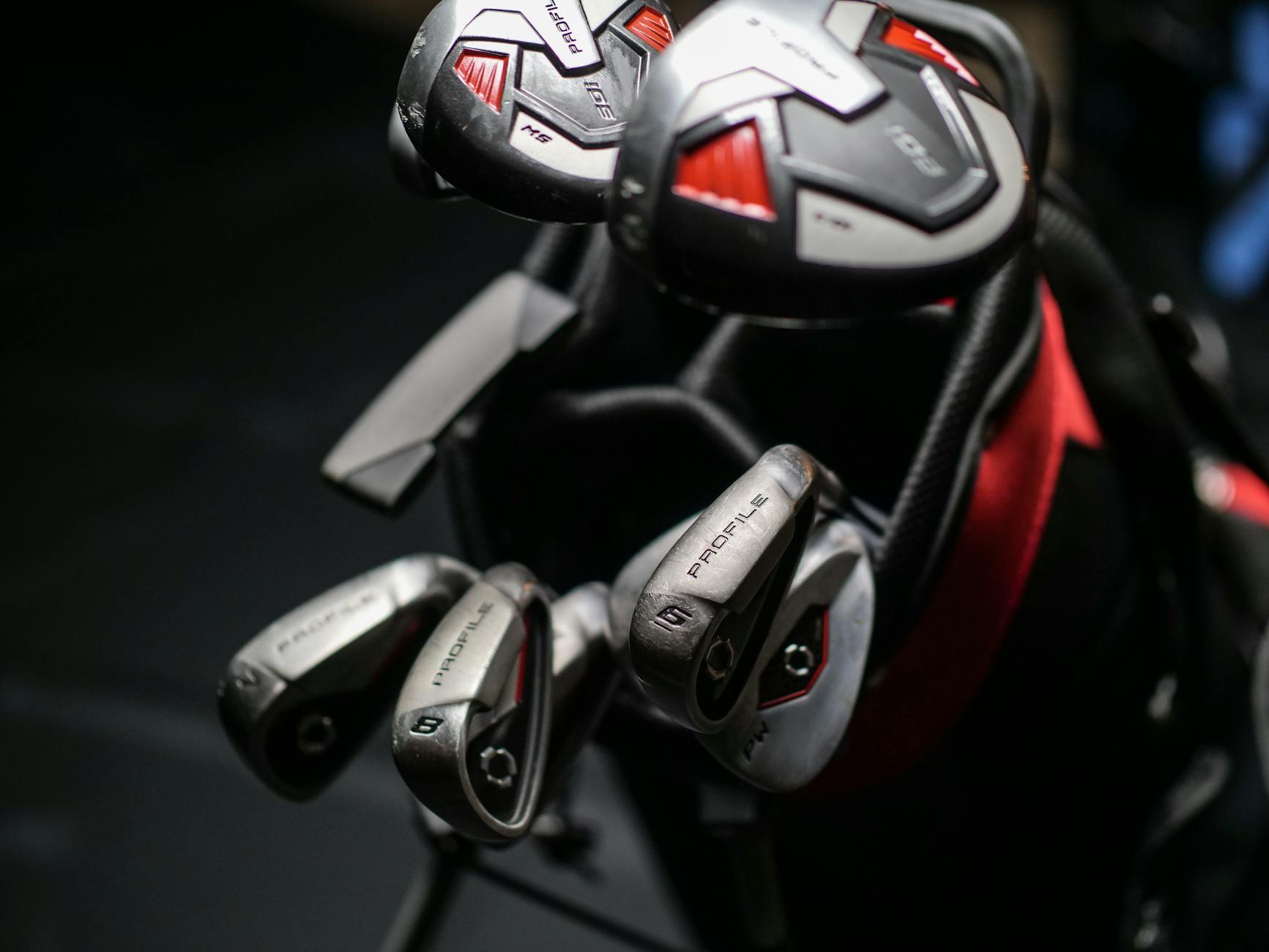
Face angle adjustments prove particularly valuable for players who struggle with consistency under tournament conditions. A degree or two of draw bias can provide psychological comfort without dramatically altering ball flight for a well-struck shot.
Wedge Gapping and Grind Selection
The scoring zone demands the most personalized equipment choices. Tour players typically carry three or four wedges, with precise gapping between pitching wedge and the most lofted option ensuring no "dead zones" in their distance coverage.
Grind selection depends heavily on course conditions and individual technique. Players who take shallow divots favor different sole configurations than those who compress aggressively into the turf. Sand texture, grass type, and firmness all influence these decisions week to week.
- Gap wedge typically spans 50-52 degrees, bridging the pitching wedge distance
- Sand wedge selection (54-56 degrees) balances bunker play with approach versatility
- Lob wedge options (58-62 degrees) depend on course setup and short game philosophy
- Many players carry condition-specific wedges for links versus parkland courses
Putter Fitting: Where Feel Meets Physics
Despite advances in fitting technology, putter selection remains heavily influenced by visual preference and feel. Tour professionals spend considerable time on practice greens evaluating sound, feedback, and alignment assistance before making changes to their flatstick.
Weighting has emerged as a critical variable, with many players gravitating toward heavier head weights on faster greens. This added mass promotes a more pendular stroke and reduces the impact of small grip pressure variations during pressure putts.
The Data-Driven Future
Launch monitor technology and putting analytics have transformed how tour players evaluate equipment decisions. Rather than relying solely on feel, professionals now have objective data to validate their instincts or challenge their assumptions.
This analytical approach extends beyond individual clubs to full-bag optimization. Players and their teams evaluate how equipment choices interact across the set, ensuring that distance gapping remains consistent and that transition clubs perform predictably.
For accomplished amateurs seeking to emulate tour-level precision, the lesson is clear: systematic testing with quality fitting technology provides insights that feel alone cannot deliver. Whether evaluating shaft profiles, ball constructions like Attomax's high-density options, or putter configurations, objective data should inform every significant equipment decision.
The tour bag represents years of refinement—a collection of fourteen tools precisely calibrated for a specific player's needs. Understanding the thought process behind these choices empowers serious golfers to approach their own equipment with similar intentionality, potentially finding strokes they didn't know they were leaving on the table.
Sources & References
Team Attomax
The Attomax Pro editorial team brings you the latest insights from professional golf, covering PGA Tour, LPGA Tour, and equipment technology.