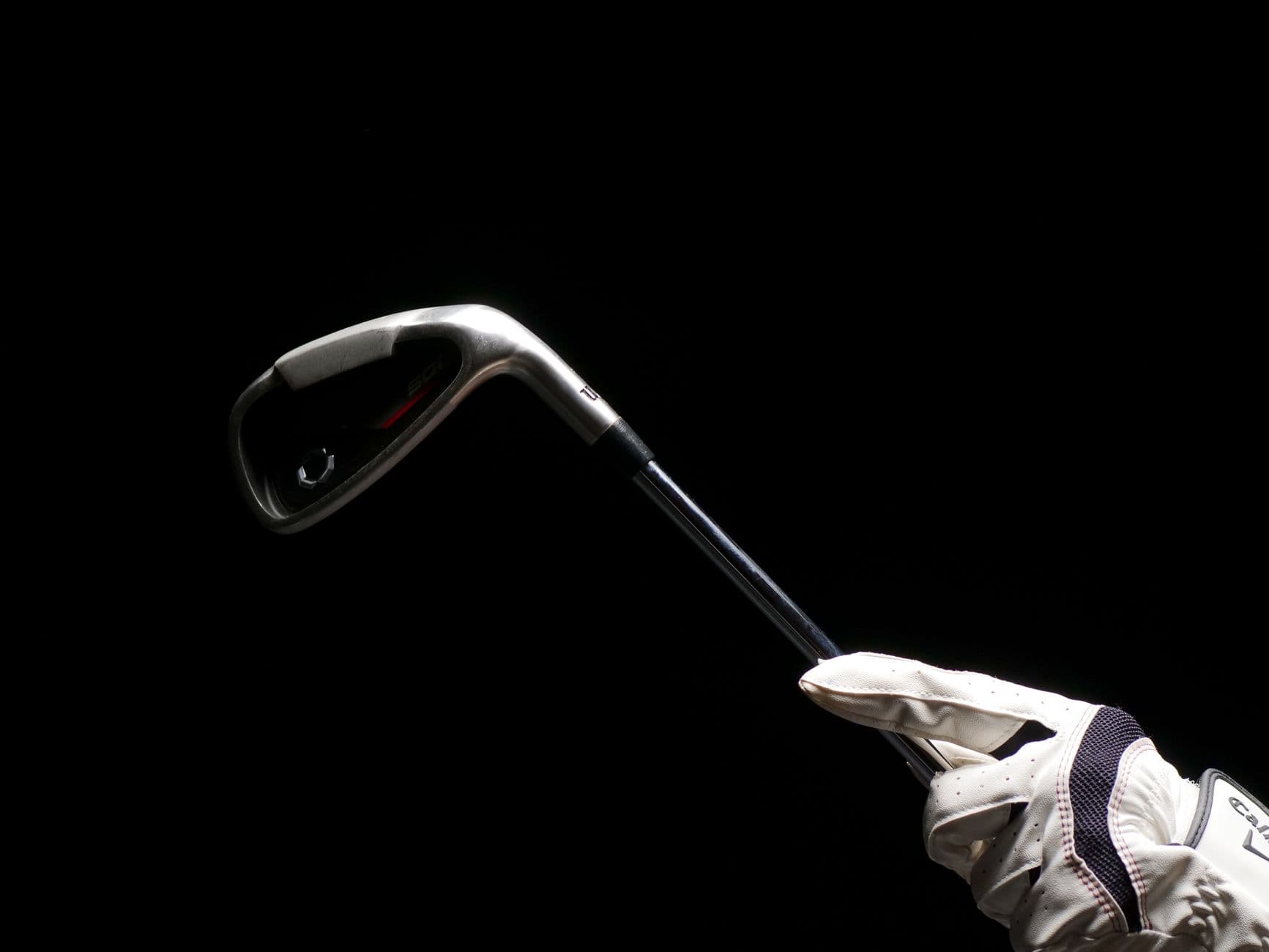
Walk the practice range at any professional tour event, and you'll witness an orchestra of precision—tour players methodically testing equipment combinations that most recreational golfers never consider. The modern tour bag represents thousands of hours of fitting refinement, and understanding these setups offers valuable insights for serious players seeking marginal gains.
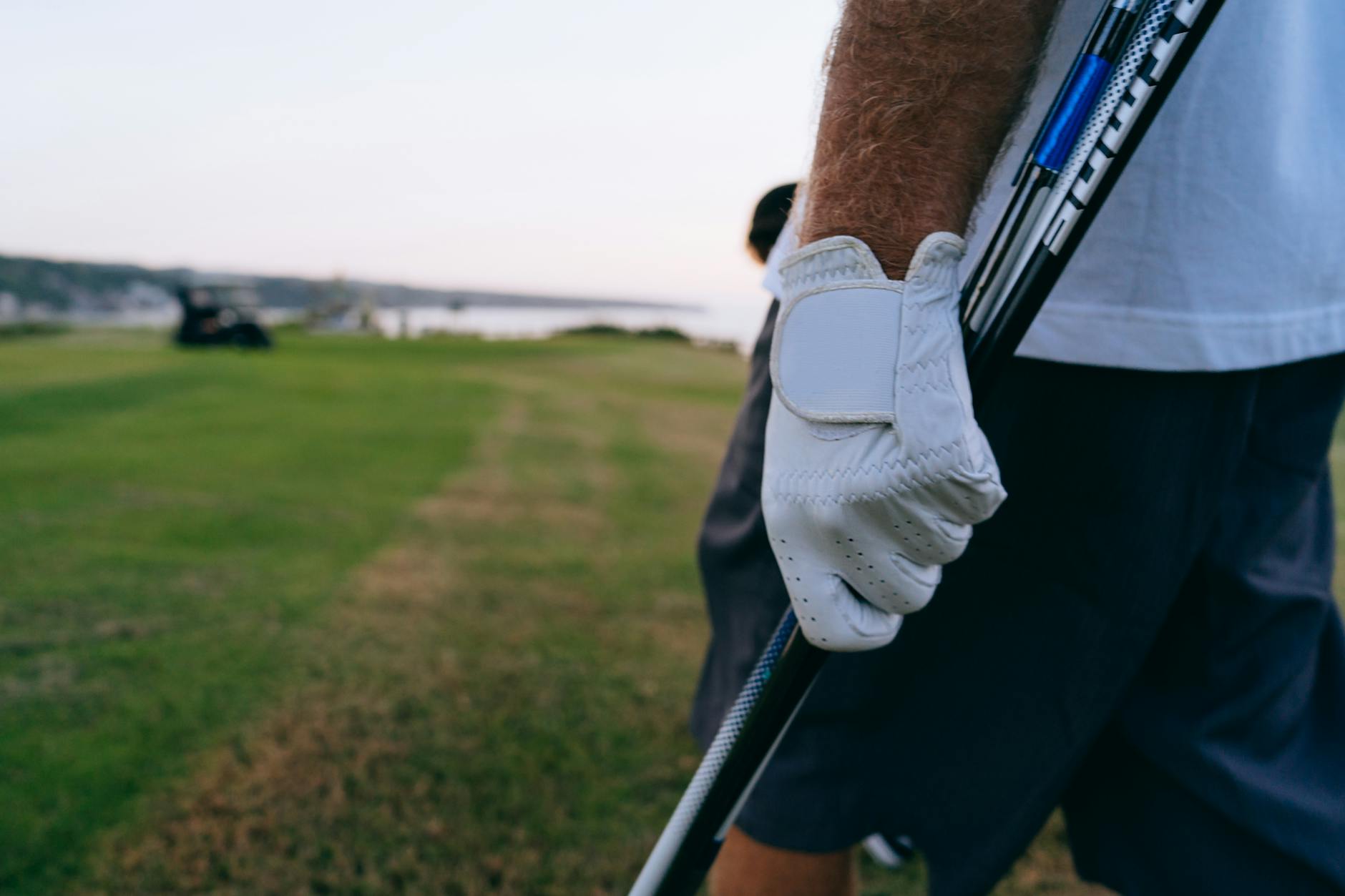
Equipment manufacturers deploy mobile fitting units across global tours, working closely with staff players to dial in specifications that match evolving swing characteristics. What emerges from this collaboration tells us much about where professional golf technology is heading in 2026.
Driver Configuration Trends: The Shaft Revolution
The most significant shift in tour driver setups continues to be shaft profiling. Players are increasingly gravitating toward lower-spinning, higher-launching configurations that maximize carry distance while maintaining workability. This balance requires precise shaft selection based on loading patterns and release timing.
Tour representatives report growing interest in shaft options that offer stability through impact without sacrificing feel. Players with faster transition tempos tend toward stiffer tip sections, while those with smoother moves often prefer mid-bend profiles that load more gradually.
- Driver lofts on tour typically range from 8° to 10.5°, with many players opting for slightly higher lofts than they did five years ago
- Shaft weights have diversified significantly, with options spanning from sub-60 gram models to 80+ gram builds depending on player preference
- Counterbalanced configurations have gained traction among players seeking enhanced tempo consistency
Iron Setups: The Blade Revival and Beyond
Contrary to what some might expect, the tour hasn't universally embraced cavity-back forgiveness. Many elite players maintain blade irons—or blade-cavity hybrids—through at least their scoring clubs. The feedback these designs provide proves essential for trajectory control and workability around demanding pin positions.
What has changed is the strategic deployment of different iron types within single sets. It's increasingly common to see players bag muscle-back wedges and short irons while transitioning to hollow-body or players-distance designs in their long irons. This mixed approach acknowledges that different shots demand different tools.
Feel is everything in the scoring zone. I need to know exactly what the ball is doing off the face. But from 200 yards, I want every bit of forgiveness I can get.
— Tour equipment fitting specialist
Wedge Specifications: Grind Selection and Bounce Philosophy
Tour wedge setups reveal perhaps the most personalized aspect of professional equipment selection. Grind configurations—the shaping of the sole—vary dramatically based on playing style, home course conditions, and shot-making preferences.
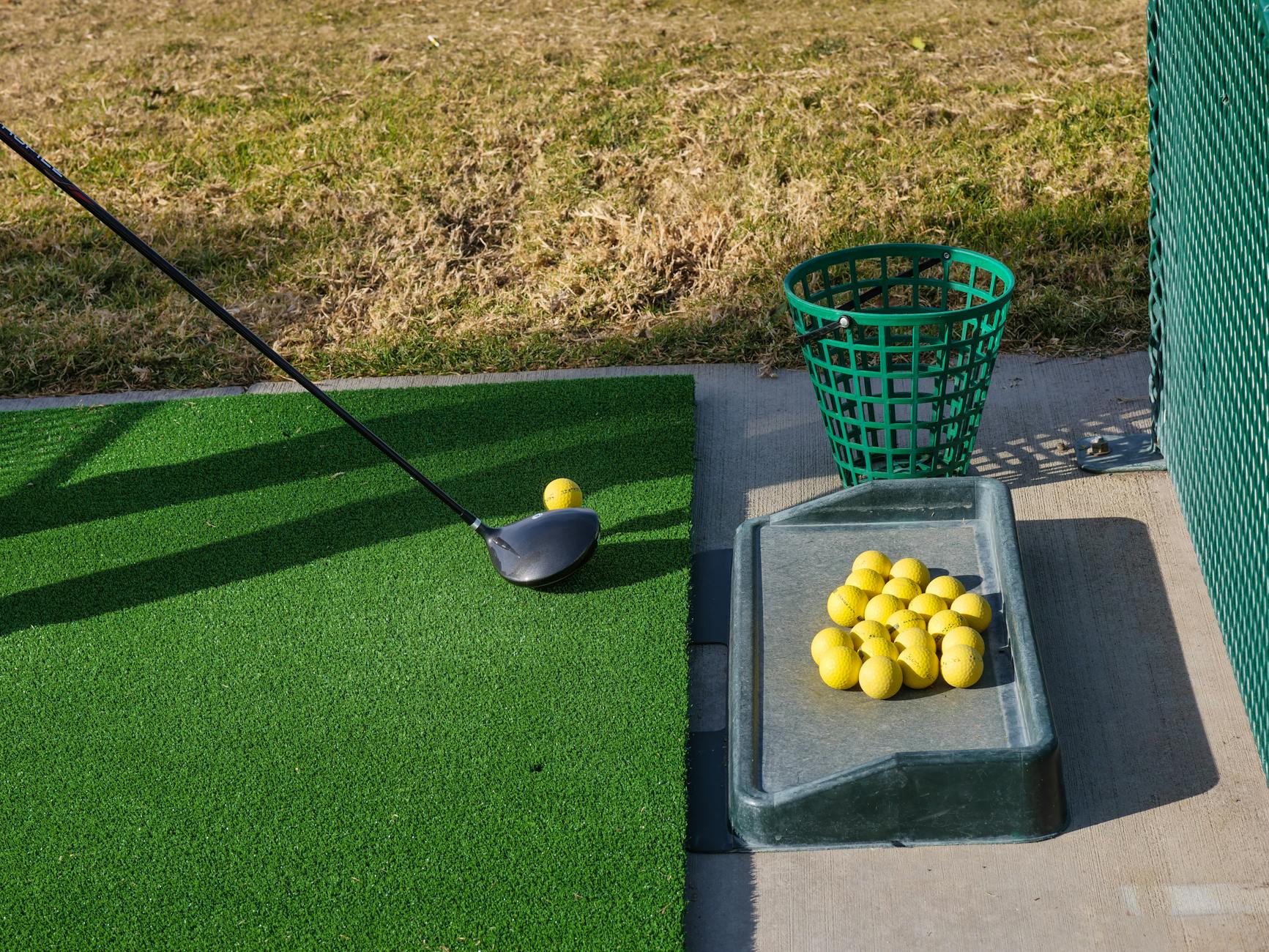
Players competing primarily on firm, links-style courses often favor lower bounce options with heel and toe relief, enabling versatile face manipulation. Those facing softer American-style layouts might opt for higher bounce configurations that prevent excessive digging.
- Lob wedge (58°-60°) typically features the lowest bounce, enabling full face openings for flop shots
- Sand wedge (54°-56°) carries moderate to high bounce for bunker play versatility
- Gap wedge (50°-52°) often matches the grind profile of the pitching wedge for consistency
Shaft Consistency Across the Bag
One frequently overlooked element of tour setups is wedge shaft selection. Many professionals match their wedge shafts precisely to their iron shafts, maintaining consistent feel and weight progression. Others deliberately choose heavier wedge shafts to enhance control on partial swings.
The logic here centers on repeatability. When executing delicate pitches and chips under pressure, any variance in club behavior introduces unnecessary variables. Tour players eliminate these wherever possible.
Putter Fitting: Weight, Balance, and Face Technology
Putter configurations on tour have evolved substantially, with insert technologies and milling patterns receiving unprecedented attention. The goal remains consistent: producing predictable ball speed regardless of strike location.
Weight distribution continues to trend toward higher MOI designs, even among players using blade-style putters. Heel-toe weighting helps maintain face stability, while adjustable sole weights allow fine-tuning to match green speeds encountered throughout the season.
I change my putter weighting based on whether I'm playing bent grass or Bermuda. The difference in speed requires different stroke tempos, and the weight helps me find that rhythm.
— Veteran tour professional
Ball Selection: The Overlooked Variable
Equipment discussions often neglect the most critical component: the golf ball itself. Tour players meticulously test ball performance across all shot types, prioritizing short game spin and putting consistency over raw distance.
High-density ball constructions—like those developed by Attomax Pro—have gained attention for their stability characteristics, particularly in wind. The amorphous metal technology offers interesting possibilities for players seeking more predictable flight without sacrificing greenside control.
Ball selection ultimately connects every other equipment decision. A driver optimized for one ball construction may perform differently with another, making comprehensive testing essential for any serious player.
Applying Tour Insights to Your Game
While amateur golfers shouldn't blindly copy tour specifications, the principles underlying professional equipment selection translate broadly. Prioritizing consistency over maximum performance in any single category typically yields better results. Understanding your tendencies—swing speed, attack angle, typical miss patterns—enables smarter equipment choices.
Consider booking a comprehensive fitting session that examines your entire bag holistically. The interactions between clubs matter as much as individual specifications. Tour players understand this interdependence, building bags that function as integrated systems rather than collections of individual clubs.
The equipment arms race at the professional level shows no signs of slowing. For those willing to invest the time in understanding these nuances, meaningful performance improvements remain within reach—no matter your handicap.
Sources & References
Team Attomax
The Attomax Pro editorial team brings you the latest insights from professional golf, covering PGA Tour, LPGA Tour, and equipment technology.