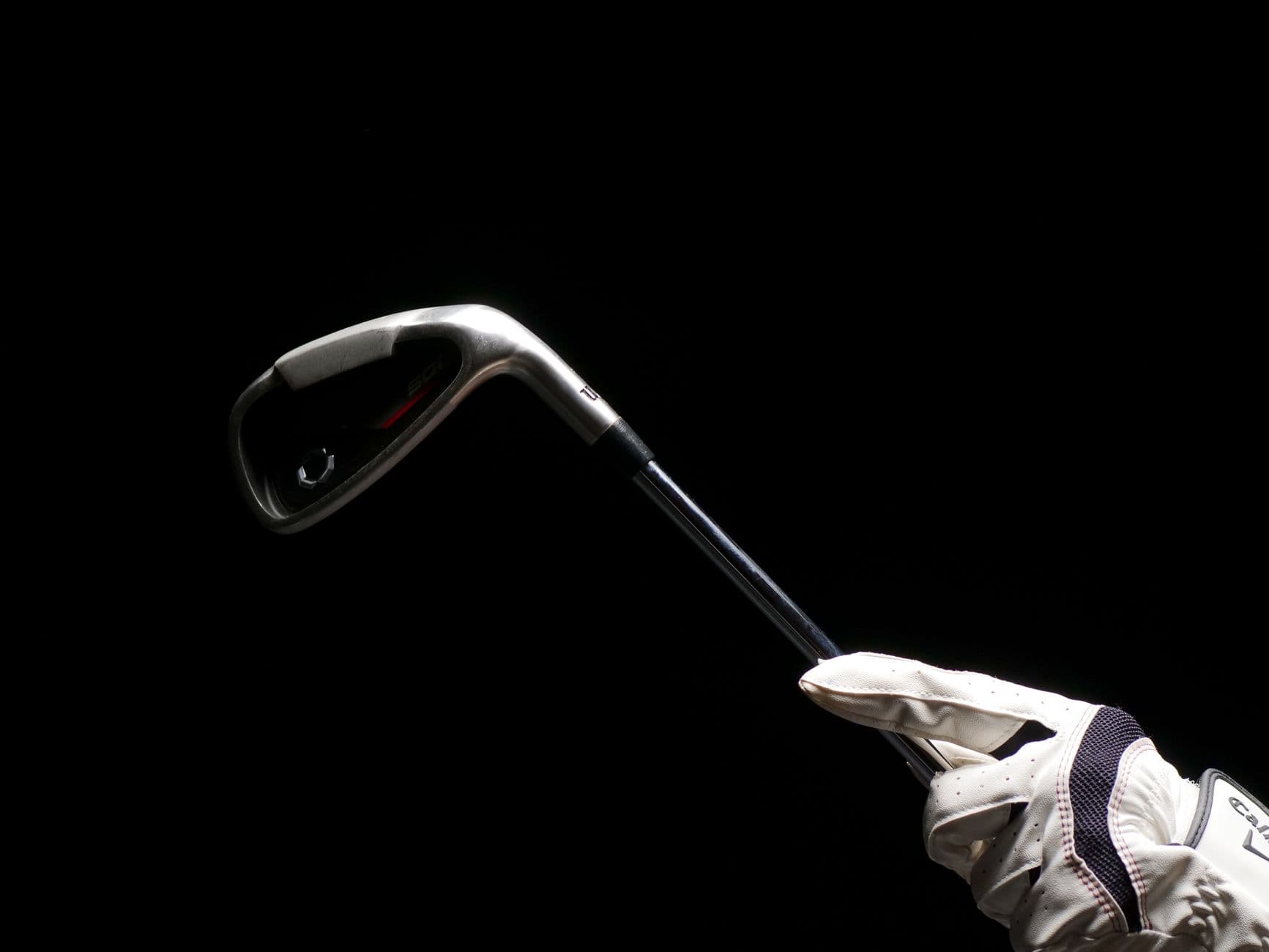
Golfers obsess over ball selection, club head design, and swing mechanics — yet the shaft remains the most misunderstood performance variable in the bag. It is the engine that transfers stored energy from your downswing into the golf ball at impact, and every design choice — flex, torque rating, kick-point, weight, and tip stiffness — directly shapes trajectory, spin rate, and ultimately, carry distance.
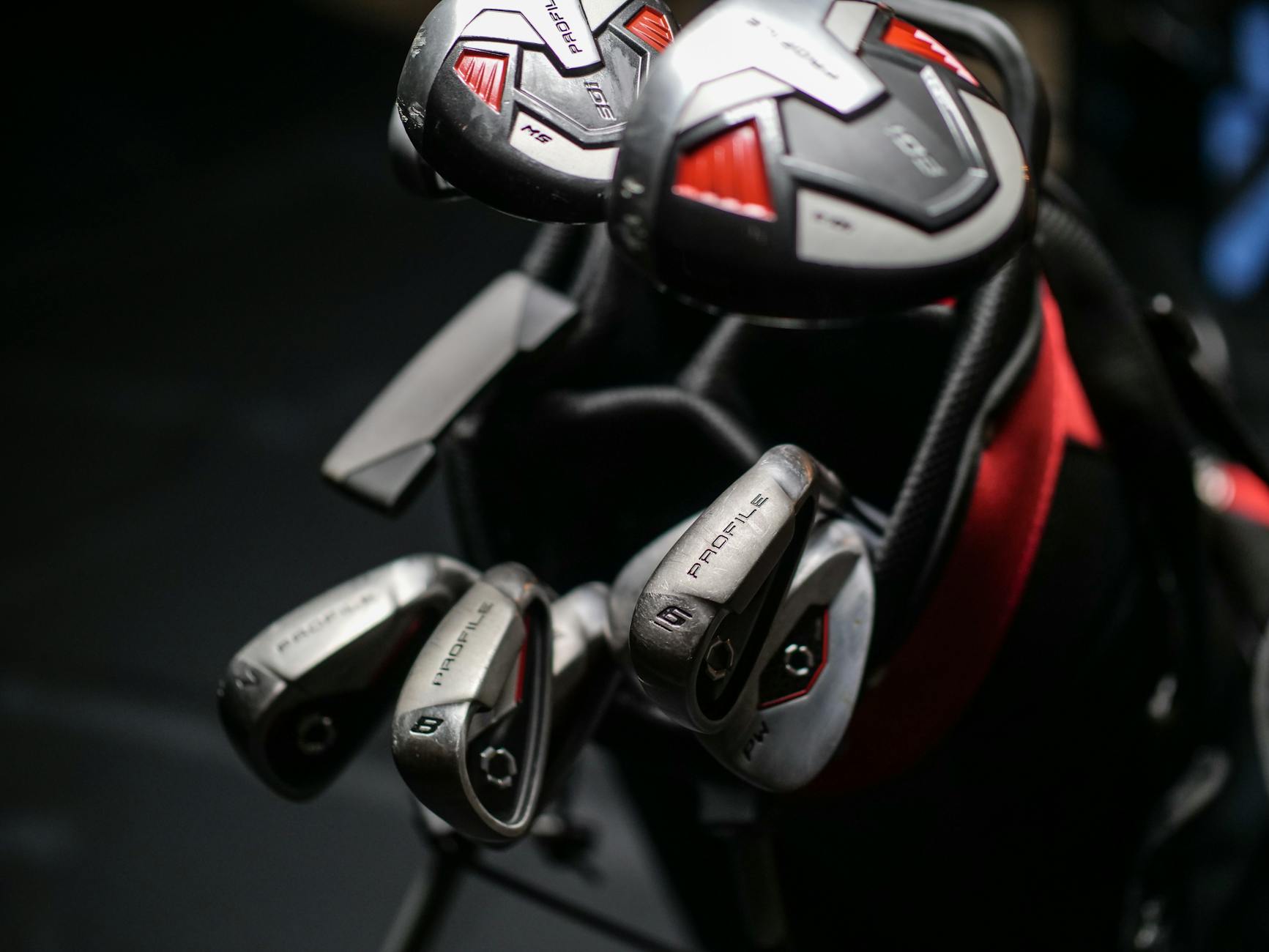
At the elite level, shaft fitting is not a luxury — it is a necessity. Tour players often cycle through dozens of prototype shafts before settling on the profile that optimizes their individual attack angle and tempo. For the serious amateur, understanding the mechanics behind shaft behavior is the first step toward making genuinely informed equipment decisions.
The Physics Behind the Kick
During the downswing, the shaft loads — it bends away from the target as the club head lags behind the hands. At the moment of impact, that stored elastic energy releases, effectively adding a "kick" that accelerates the club head through the hitting zone. The timing and magnitude of that release is governed by the shaft's flex profile, and it is precisely why two players with identical swing speeds can produce dramatically different launch conditions using the same head.
A shaft with a low kick-point (also called bend-point) releases energy higher on the face and promotes a higher launch angle with added dynamic loft at impact. Conversely, a high kick-point keeps the face more closed through the zone, reducing dynamic loft and producing a lower, more penetrating ball flight — the type of trajectory preferred by elite ball-strikers on firm, fast fairways.
Flex, Torque, and Spin Rate: The Trinity
Shaft flex and torque are related but distinct properties. Flex describes how much the shaft bends under load along its length. Torque measures its resistance to twisting around its own axis during the swing. A shaft with high torque (measured in degrees) will rotate more through impact, which can open or close the face fractionally — enough to shift ball flight left or right and alter spin axis.
- Low torque (under 2.5°): Preferred by high swing-speed players for tighter dispersion and penetrating flight
- Mid torque (3.0–4.0°): The sweet spot for most competitive amateurs and mid-tempo Tour players
- High torque (4.5°+): Adds feel and forgiveness, often found in senior or ladies' flex options
- Tip stiffness: A stiff tip section reduces spin and flattens trajectory — critical for players who already deliver high dynamic loft
- Butt stiffness: Affects the feel of the shaft and how early the kick-point engages during the downswing
Spin rate is the variable most directly tied to distance loss at the elite level. Too much spin robs carry; too little causes the ball to fall out of the sky before optimizing its flight window. The correct shaft profile — combined with the right compression ball — can bring spin into the optimal range without any change to swing mechanics.

Weight and Material: Steel vs. Graphite vs. Multi-Material
Steel shafts dominated the industry for decades due to their consistency and feedback. Graphite's rise was initially associated with distance gains for slower swing speeds, but modern high-modulus carbon fiber composites have changed that narrative entirely. Today's premium graphite shafts — particularly those using aerospace-grade carbon layups — can match or exceed steel in terms of tip stability while dramatically reducing total club weight.
Reduced weight in the shaft allows for a heavier head without sacrificing swing weight balance, which translates directly into more momentum at the moment of contact. Multi-material shafts — combining carbon fiber with titanium or resin infusions — represent the current frontier, offering tailored stiffness profiles across different sections of the same shaft that were impossible to achieve with a single homogenous material.
The Attomax Shaft Advantage
This is precisely the space where Attomax Shafts operate. Engineered for players who demand precision over distance rather than distance at the expense of control, the Attomax shaft lineup is built around tailored flex profiles and low-torque designs that pair naturally with the brand's High-Density amorphous metal golf balls. When a golfer is delivering consistent energy transfer through an optimized shaft, the ball's compression and rebound characteristics — whether Soft, Medium, or Hard — can be leveraged to their fullest potential. The combination is not coincidental; it is a system designed to work in concert.
Environmental Variables: Wind, Altitude, and Firmness
Shaft selection does not happen in a vacuum. Conditions matter enormously. In links-style environments with persistent headwinds, a stiffer-tip shaft combined with a higher-compression ball is the standard prescription — lower launch, reduced spin, and a flatter trajectory that resists ballooning. Conversely, at altitude (think courses in Denver or the Scottish Highlands in calm conditions), a shaft that promotes a slightly higher launch can exploit the thinner air for additional carry.
Course firmness also plays a role in shaft selection strategy. On firm, fast conditions where the ball is going to run out significantly, aggressive launch is less critical — keeping the ball under the wind and controlling descent angle becomes the priority. Experienced players often carry specific driver shafts suited to these conditions, treating them as a tactical choice alongside ball selection.
The shaft is not just a connector. It is a spring, a filter, and a tuning device — all in one. Get it wrong, and no ball in the world will save you.
— Industry Shaft Fitting Principle
Getting Fitted: What to Look For
A proper shaft fitting session should measure attack angle, tempo (transition speed from backswing to downswing), peak shaft deflection, and impact location on the face — not just swing speed. Swing speed is a starting point, not a conclusion. A player with a smooth, late-releasing tempo will typically perform better in a softer flex than their raw swing speed would suggest, because they load the shaft more efficiently and benefit from a longer energy release window.
- Measure attack angle and tempo before selecting flex — swing speed alone is insufficient
- Test launch monitor data: launch angle, spin rate, smash factor, and carry distance
- Evaluate torque rating alongside flex — a low-torque stiff shaft behaves very differently from a high-torque stiff shaft
- Consider weight carefully: lighter shafts suit faster tempo players; heavier shafts favor smooth, rhythmic swingers
- Pair shaft selection with ball compression testing in the same session for a complete system evaluation
The Bottom Line
Shaft technology has evolved from a passive structural element into an active performance variable. The modern player who treats shaft selection as an afterthought is leaving measurable distance and accuracy on the table. Whether you are optimizing a driver for a specific course setup, dialing in an iron shaft for GIR consistency, or building a system around a specific ball compression, the shaft is the variable that either amplifies or undermines every other decision in your bag.
At Attomax, the philosophy has always been that equipment works as an integrated system. The right shaft does not just add yards — it puts those yards exactly where your course management plan demands them.
Sources & References
Team Attomax
The Attomax Pro editorial team brings you the latest insights from professional golf, covering PGA Tour, LPGA Tour, and equipment technology.