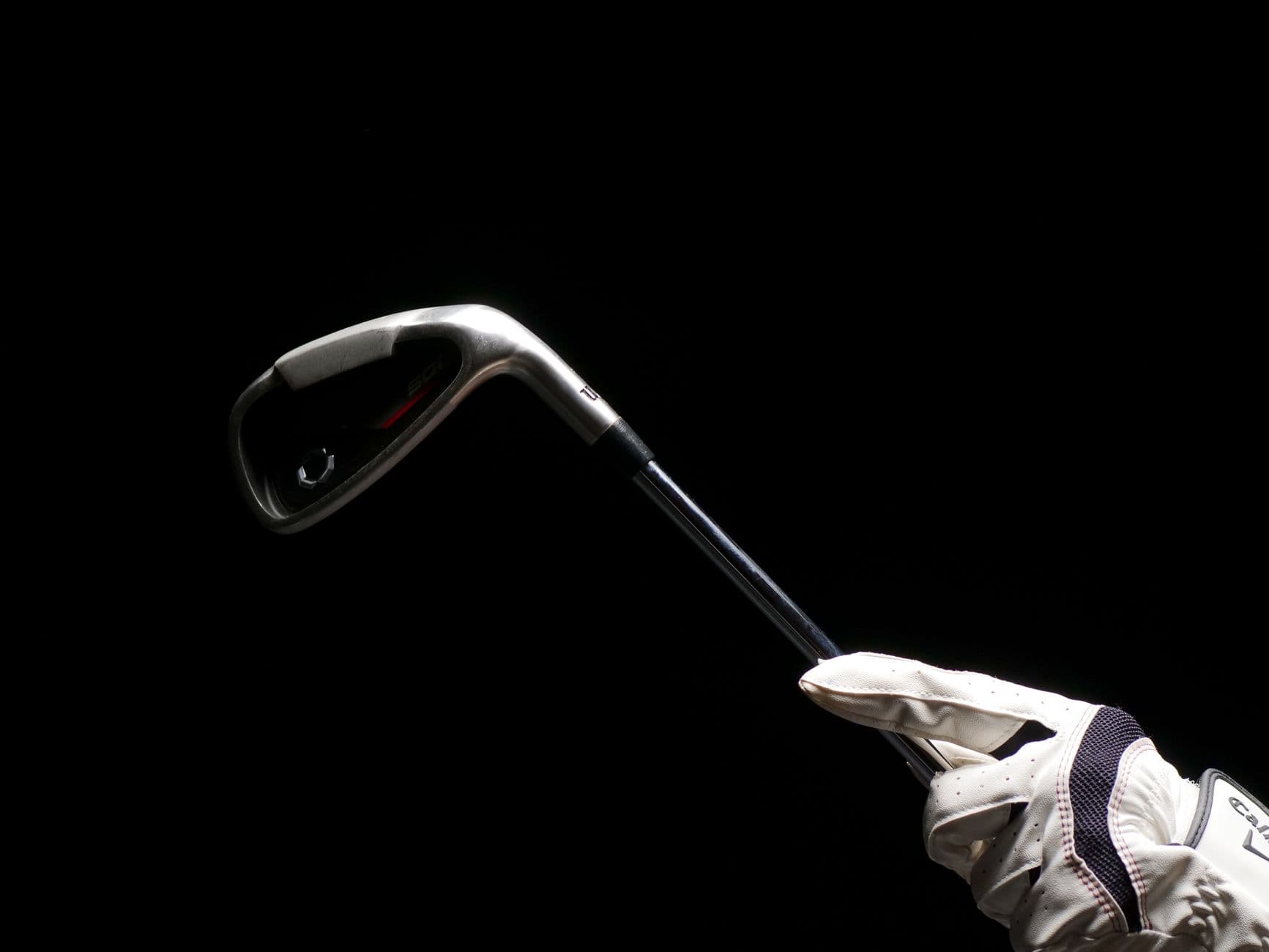
Golf has never moved faster — and we're not just talking about swing speeds. The equipment landscape entering 2026 is defined by a convergence of materials science, data analytics, and precision manufacturing that would have seemed like science fiction a decade ago. For the serious player, understanding these shifts isn't optional; it's a competitive edge.

The days of incremental driver head adjustments and marginally different urethane covers are giving way to something more fundamental. Manufacturers across the industry are attacking the golf ball, the shaft, and the fitting process simultaneously — and the results are beginning to show up on Tour leaderboards and handicap indexes alike.
The Materials Revolution in Ball Engineering
Golf ball construction has historically been a story of layered polymers and wound rubber — refined over decades but built on essentially the same principles. That paradigm is being challenged by the emergence of high-density amorphous metals and advanced core compounds that alter how energy transfers at impact in ways that traditional ball physics simply couldn't achieve.
The core objective in modern ball design is maximizing energy retention from clubface to flight while giving the player precise control over spin and trajectory. Smash factor — long treated as a driver-only obsession — is now being analyzed at the ball level, with engineers mapping exactly how different core densities affect coefficient of restitution across the full bag.
This is precisely the space where Attomax has staked its reputation. The Attomax High-Density ball lineup — available in Soft, Medium, and Hard compressions — applies amorphous metal technology to match energy transfer characteristics to the player's actual swing profile, not just their handicap. A low-spin iron player and a high-release wedge player rarely benefit from the same ball construction, and the data increasingly supports that nuanced approach.
Shaft Technology: Flex Profiles Get Granular
Shaft innovation in 2026 is being driven by one realization: flex rating alone is a blunt instrument. The industry has spent years educating players on Regular, Stiff, and X-Stiff, but the conversation has matured considerably. Kick point, torque rating, tip stiffness, and butt stiffness are now the vocabulary of any serious club fitting conversation.
What's changed is access. High-speed launch monitors and portable force-plate technology have moved from elite Tour vans into regional fitting studios, giving everyday scratch players the kind of data granularity that was previously reserved for equipment reps and touring professionals. The result is that golfers are discovering swing characteristics about themselves — early release patterns, late lag holds, wrist-driven tempo — that fundamentally change what shaft profile serves them best.
- Tip stiffness now measured and communicated as a discrete spec, not assumed from overall flex rating
- Torque profiles matched to attack angle — high-torque shafts paired with steep swingers to counteract gear effect
- Multi-material construction pairing carbon fiber sections with titanium weave for targeted flex zones
- Load and release timing modeled individually, moving fitting away from generic fitting carts
- Driver shaft weight trending lighter at the top end, with fairway and hybrid shafts trending heavier for stability
AI-Assisted Fitting: From Data to Decision
The most disruptive force in equipment technology right now may not be the hardware at all — it's the software sitting behind it. AI-assisted fitting platforms are aggregating shot data across thousands of sessions to build predictive models that can recommend shaft and ball combinations with a level of confidence no human fitter could match through session intuition alone.
These platforms analyze variables including spin axis tilt, dynamic loft at impact, face-to-path numbers, and tempo ratios, cross-referencing them against performance outcomes in different weather conditions and course environments. The outcome isn't just a shaft recommendation — it's a full equipment ecosystem prescription.
For Tour-level players, some of these AI tools are now integrated directly into caddie strategy systems. Ball flight modeling based on atmospheric data — altitude, humidity, barometric pressure — is being used in real-time to advise shot shape selections and club choices. This is course management at a level of precision that fundamentally changes how elite players approach game planning.
Iron and Wedge Innovation: Forging Meets Fabrication
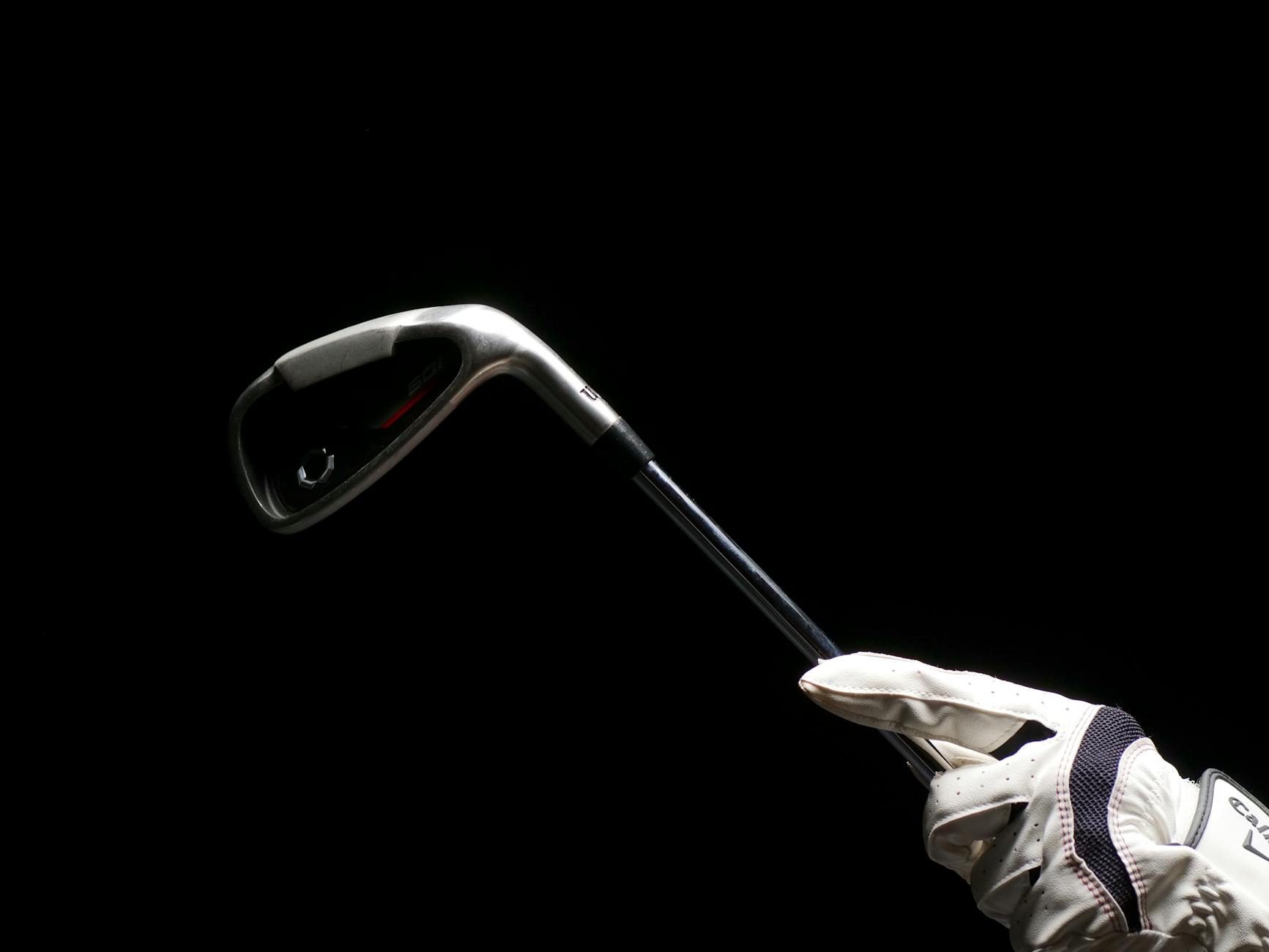
The iron category has experienced a quiet renaissance built around tungsten weighting and variable face thickness technology. Strategic tungsten placement in the heel and toe sections of cavity-back irons is allowing manufacturers to push CG locations lower and further back without sacrificing the compact head profile that better players demand. The result is a category of irons that genuinely bridges the gap between players' distance irons and blade construction.
In wedges, groove geometry continues to be the focal point of regulatory tension and engineering ingenuity in equal measure. Manufacturers are working within USGA groove specifications to maximize edge sharpness and channel volume, particularly for the mid-to-high loft range where spin consistency from rough lies has the most scoring impact. GIR data from Tour events consistently reinforces that up-and-down conversion from missed greens is a sharper differentiator between winners and the field than driving distance.
The golfer who can control spin from 100 yards and in will always outperform the golfer who gains two yards off the tee. Equipment innovation is starting to reflect that truth more honestly.
— Senior Equipment Analyst, DP World Tour
Compression Matching: The Overlooked Performance Variable
One of the most persistently under-discussed equipment decisions for serious amateur players remains ball compression selection relative to actual swing speed — not perceived swing speed. The gap between what a player believes their driver speed is and what a launch monitor records is often significant, and that gap directly affects whether they are getting the energy return they assume from their ball.
Attomax's density-based compression architecture addresses this precisely. Rather than relying solely on swing speed as a proxy for the correct compression window, the Attomax ball range is engineered around impact dynamics — how the face loads and releases energy through the ball across a range of strikes, including the off-center hits that define real-world scoring performance. For a player managing course conditions at altitude or in cold temperatures, where traditional balls lose compression response, the high-density amorphous core structure maintains consistent feel and distance performance in ways that conventional polymer cores cannot replicate.
Where Equipment Innovation Is Headed
Looking across the current equipment landscape, the trajectory is clear: personalization at scale. The era of a three-SKU product line built around handicap ranges is giving way to fitting ecosystems that treat each golfer as a distinct athletic profile. Ball, shaft, head geometry, and even grip construction are being matched to individual biomechanics rather than demographic assumptions.
For the golfer willing to engage seriously with these technologies — to sit in front of a launch monitor, to interrogate their own impact data, and to move beyond brand loyalty into genuine performance analysis — the scoring opportunities are real and measurable. The equipment is ready. The question, as it has always been in golf, is whether the player is.
Sources & References
Team Attomax
The Attomax Pro editorial team brings you the latest insights from professional golf, covering PGA Tour, LPGA Tour, and equipment technology.