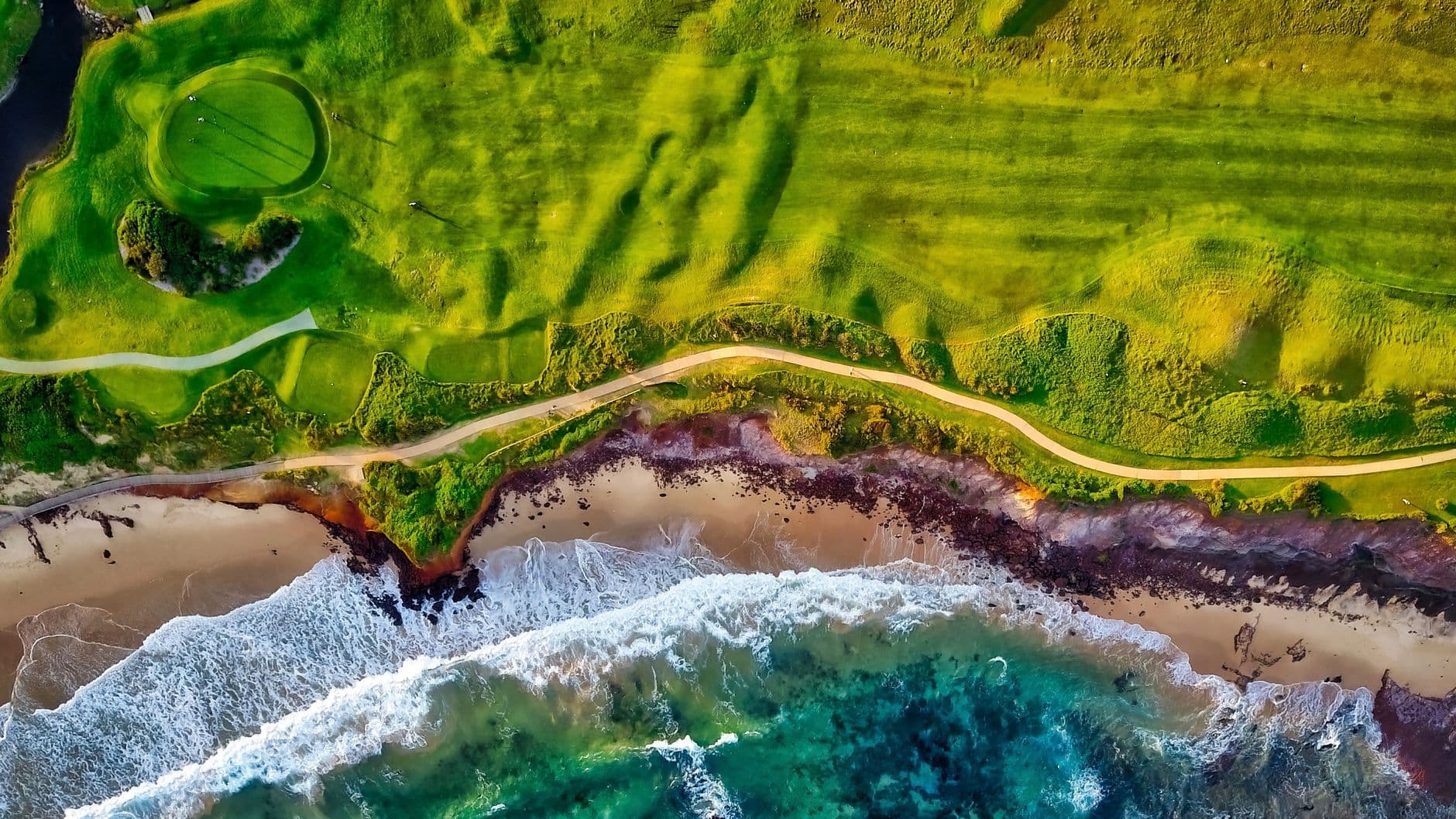
There is a difference between playing golf and experiencing golf. The former happens every weekend at your local track. The latter happens at places where the land, the history, and the challenge conspire to make you feel something beyond a scorecard. For the serious player — the one who thinks in terms of shot shape, wind direction, and turf conditions — these are the courses that demand to be played.
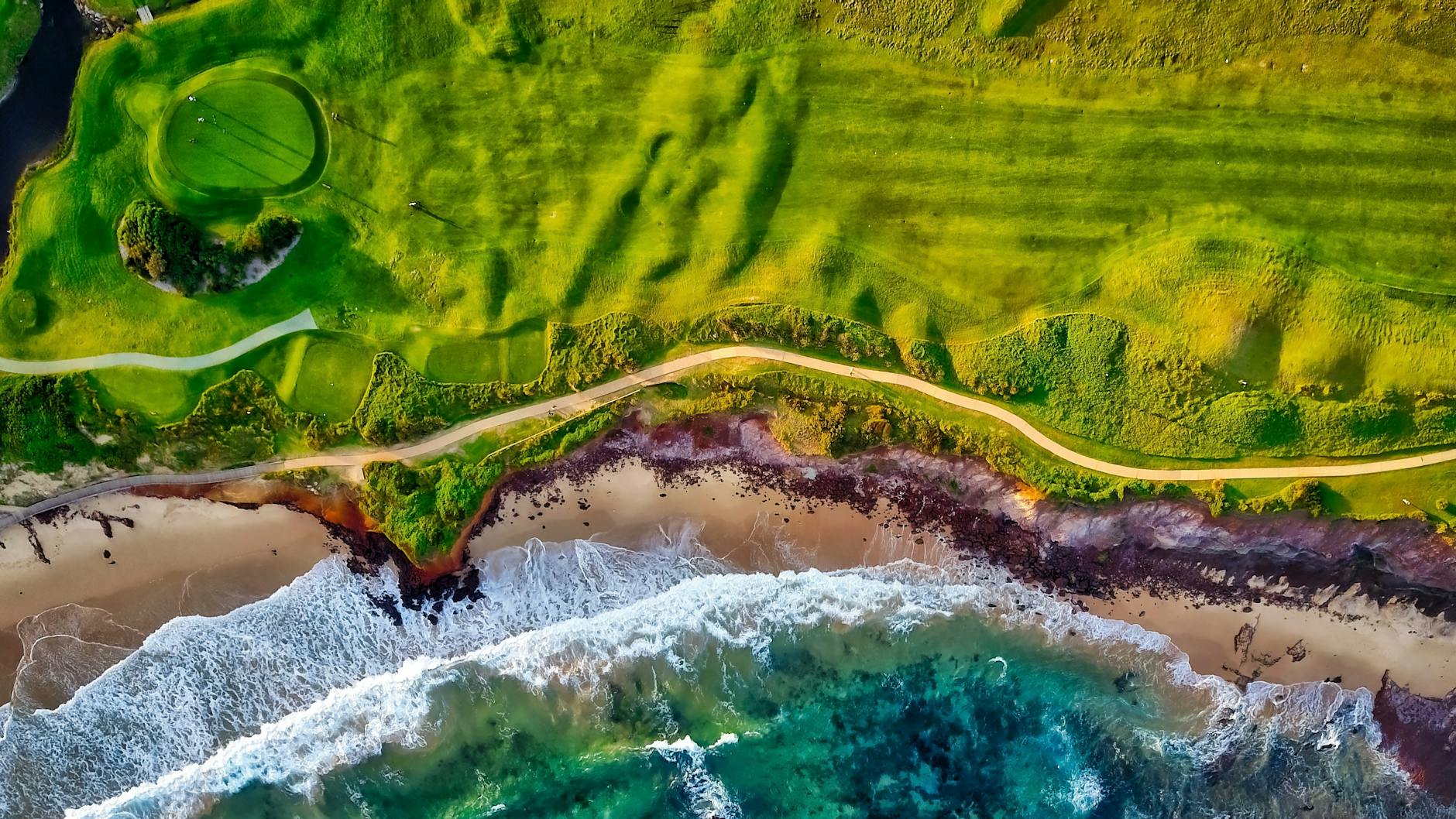
Compiling a definitive bucket list is a fool's errand, of course. Every passionate golfer has their own hierarchy of pilgrimage sites. But certain venues transcend personal preference. They are courses that test every dimension of the game — course management, creativity, emotional discipline — and reward players who genuinely understand what they are doing.
What follows is not a ranking. It is a curated collection of destinations where golf reveals its full complexity, and where the right equipment choices matter as much as the right swing decisions.
The Links Originals: Scotland & Ireland
No bucket list begins anywhere other than the Old Course at St Andrews. The 18th hole, with the Valley of Sin guarding the front of the green and the entire town of St Andrews forming the gallery backdrop, is golf's most iconic finishing hole. But the Old Course rewards patience and local knowledge over power. Miss the correct side of the fairway on a half-dozen holes and you will spend the entire round playing recovery shots from knee-high fescue.
Carnoustie — nicknamed 'Car-nasty' with good reason — presents one of the most demanding finishing stretches in links golf. The final three holes into the prevailing wind have broken Major championships and strong-willed professionals alike. Wind play here is not optional; it is the game. A lower-compression ball that cuts through coastal gusts rather than ballooning on contact becomes a genuine strategic asset when the North Sea decides to contribute.
Ballybunion Old Course in County Kerry, Ireland, sits on clifftop duneland above the Atlantic and plays nothing like any parkland course you have ever experienced. The turf is firm, the fairways pitch and roll unpredictably, and the greens demand a ground-game approach that most modern players simply never practice. Tom Watson, who won five Open Championships, reportedly considered it among his favorite courses in the world.
- St Andrews Old Course (Scotland) — The cathedral of the game; booking through the ballot system is essential and should be arranged months in advance
- Carnoustie Golf Links (Scotland) — Four-time Open venue; best experienced in autumn when the rough is fully grown
- Royal County Down (Northern Ireland) — Mountaintop views, blind tee shots, and one of golf's most photographed par-3s
- Ballybunion Old Course (Ireland) — Clifftop links requiring shot-making creativity rarely demanded elsewhere
- Lahinch Golf Club (Ireland) — The 'St Andrews of Ireland'; wind-reading is the primary skill tested here
America's Pilgrimage Sites
Augusta National Golf Club needs no introduction, but playing it — rather than watching it on television — is a different proposition entirely. The course plays far faster and firmer in person than broadcast angles suggest. The back nine, particularly the stretch from Amen Corner through the 15th, is a sustained exercise in risk management. The greens are so quick and contoured that a wedge shot from 100 yards can still result in a four-putt if the ball feeds to the wrong quadrant.
Pebble Beach Golf Links, while accessible to public play, rewards those who understand the Pacific wind patterns. The stretch from the 4th hole to the 10th runs directly along the Monterey Peninsula coastline, and the exposure changes hole to hole. A mid-morning tee time, before the afternoon marine layer builds, typically offers the most playable — though still demanding — conditions.
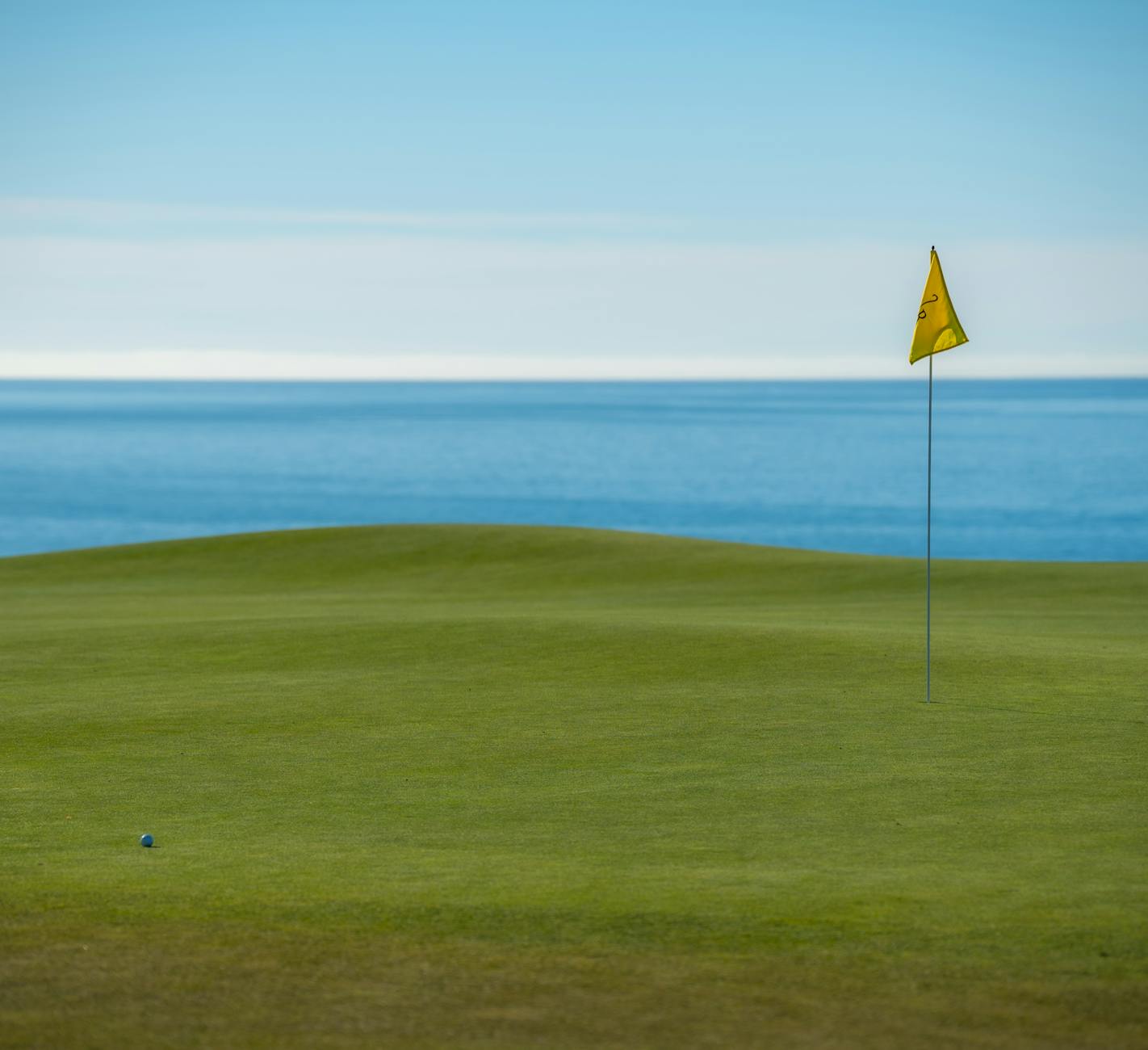
Shinnecock Hills Golf Club in Southampton, New York, is the course that most closely approximates links golf on American soil. The exposed, treeless terrain on the eastern end of Long Island channels wind relentlessly across the course, and the firm, fast fairways reward the low, running shot over the high, soft approach. Equipment matters here: a ball with a penetrating flight and controlled spin on hard surfaces is not a luxury but a necessity. The Attomax Hard High-Density ball, engineered for low-spin distance and a piercing trajectory, is precisely the kind of tool that makes sense when the wind is up and the fairways are playing fast.
Golf is the closest game to the game we call life. You get bad breaks from good shots; you get good breaks from bad shots — but you have to play the ball where it lies.
— Bobby Jones
Beyond the Atlantic: World-Class Alternatives
Royal Melbourne Golf Club in Victoria, Australia, designed by Alister MacKenzie — the same architect behind Augusta National and Cypress Point — represents the southern hemisphere's answer to links golf. The composite course used for major international events combines holes from the East and West courses and plays through native sandbelt scrub. The greens, which MacKenzie designed with pronounced false fronts and severe runoffs, are arguably the most demanding putting surfaces outside of Augusta.
Cape Kidnappers in Hawke's Bay, New Zealand, designed by Tom Doak, sits on clifftop terrain above the Pacific that makes Pebble Beach look cautiously situated. Several fairways terminate at the edge of cliffs dropping hundreds of feet to the sea. The course demands absolute commitment to each shot — indecision at address translates directly into trouble here, both strategically and psychologically.
In Europe, the Golf Club Crans-sur-Sierre in Switzerland presents an entirely different challenge: high altitude. At approximately 1,500 meters above sea level, ball flight behaves differently than at sea level, with the thinner air producing noticeably longer carry distances. Shaft flex and ball selection both require recalibration. The Attomax Shaft lineup, built with variable flex profiles designed to optimize launch angle across different swing speeds, is worth considering when altitude adds a new variable to your typical launch conditions.
Planning Your Golf Pilgrimage
Serious golf travel is not about ticking boxes. It is about arriving prepared. That means researching the prevailing wind conditions at links courses before you book a tee time, understanding that firm, fast courses reward a different ball flight than the lush parkland you practice on at home, and accepting that the first round at any bucket-list course is partly reconnaissance.
- Book links courses for shoulder season — September and October in Scotland and Ireland typically offer ideal turf conditions
- Research course management strategies specific to each venue before you arrive — every bucket-list course has architectural quirks that reward local knowledge
- Recalibrate your ball selection for the conditions: firm, windswept links demand a different compression profile than humid, soft parkland
- Allow at least two rounds at each course — the second round always reveals what you failed to understand the first time
- Consider a local caddie at prestige venues; at courses like St Andrews and Royal County Down, caddie knowledge is worth more than any distance laser
The courses on this list will test you in ways your home course never will. They will punish weak decisions, reward creative shot-making, and leave you with a clearer understanding of what the game actually is beneath its surface. That is the point. Pack accordingly, prepare seriously, and play every one of them more than once.
Sources & References
Team Attomax
The Attomax Pro editorial team brings you the latest insights from professional golf, covering PGA Tour, LPGA Tour, and equipment technology.