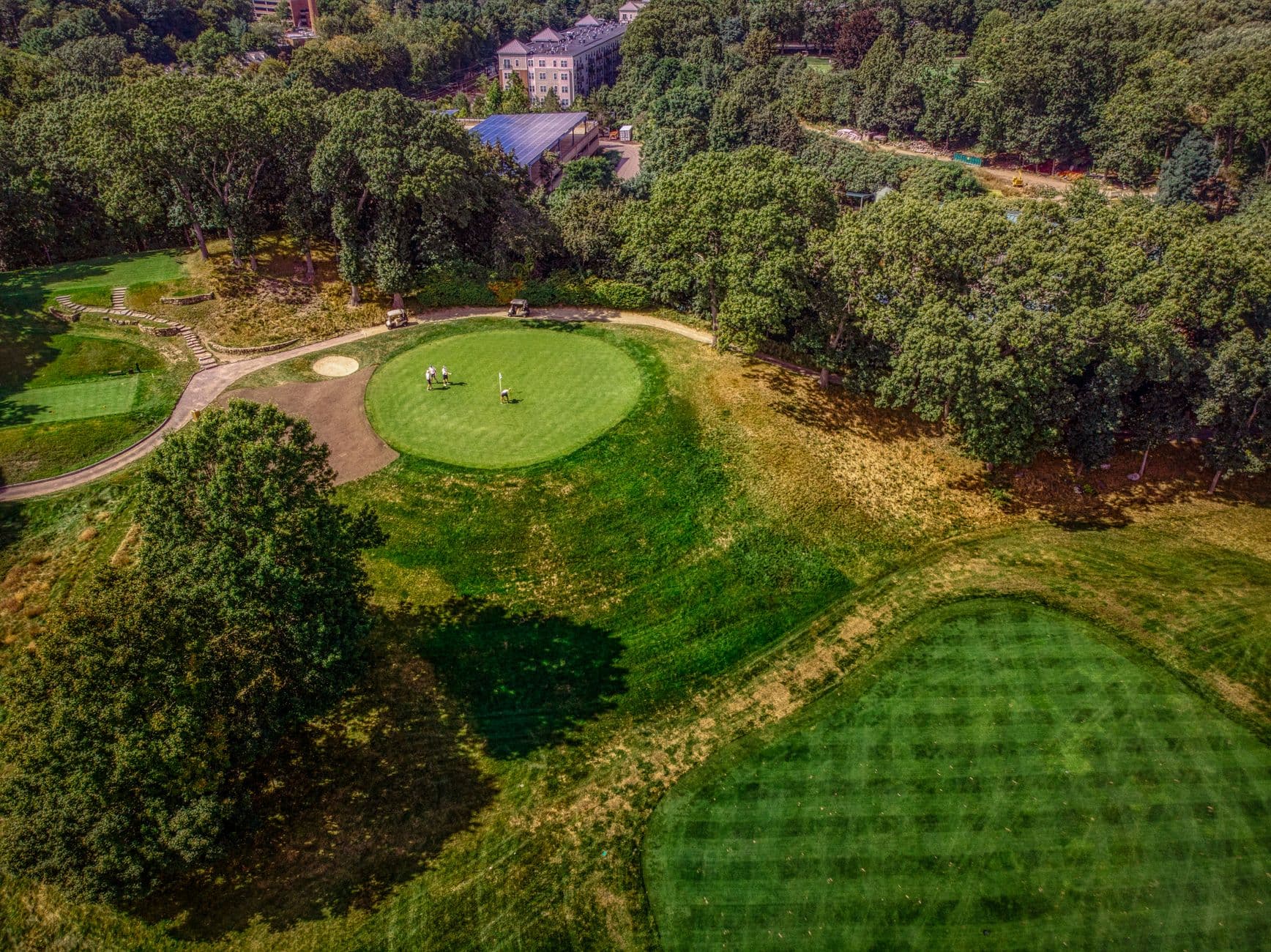
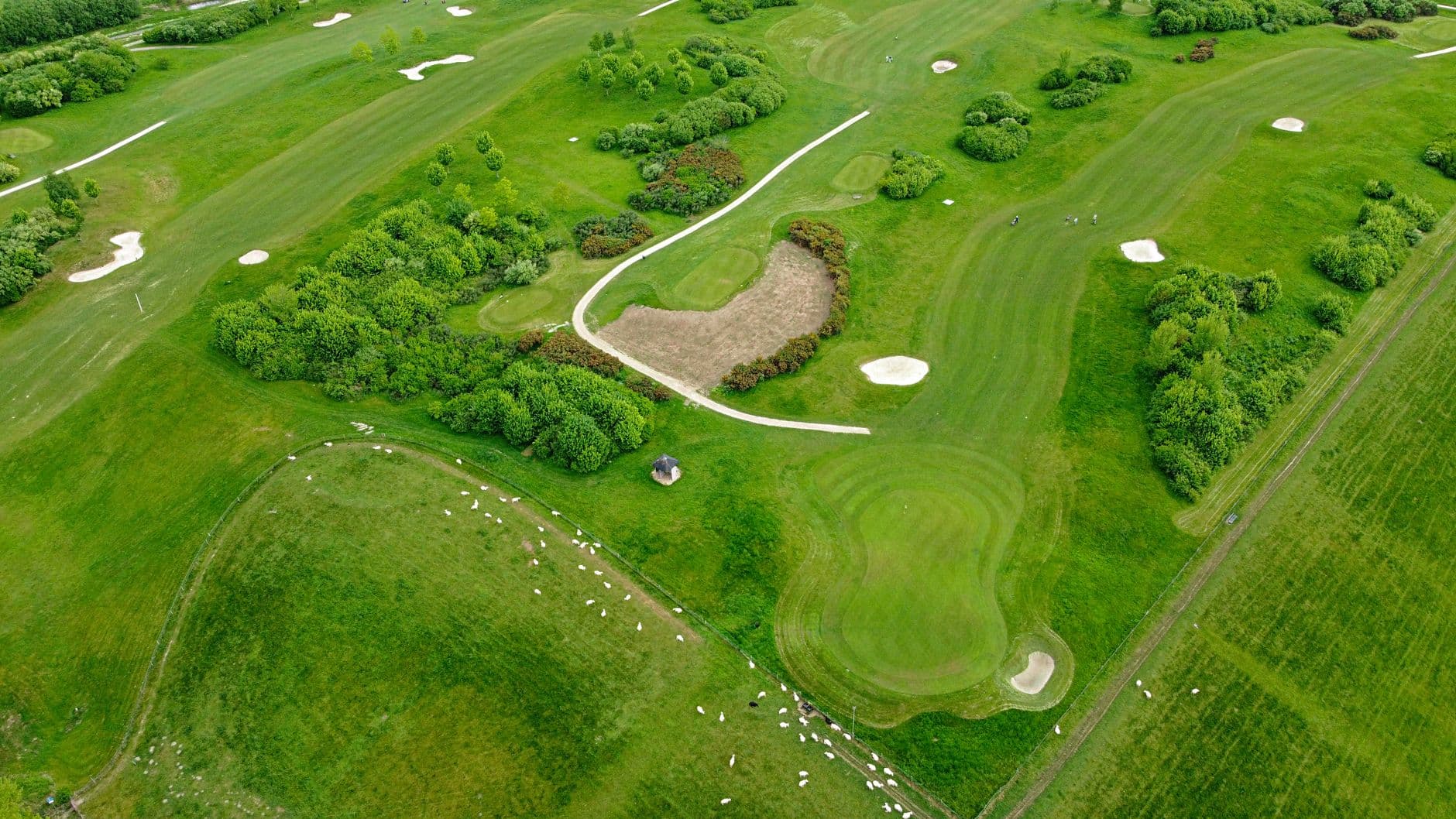
In the rarefied world of American private golf, certain holes transcend mere design to become legendary tests of skill, nerve, and course management. These signature holes at the nation's most exclusive clubs represent the pinnacle of golf architecture, where strategic brilliance meets natural beauty in ways that challenge even the most accomplished players.

What elevates a hole to signature status? It requires more than aesthetic appeal. The finest signature holes demand precise shot-making, punish miscalculations severely, and reward creative thinking. They become talking points in clubhouses worldwide and often determine championships.
Augusta National Golf Club: The Cathedral of American Golf
No discussion of elite American golf begins anywhere but Augusta National. Home to The Masters, this Georgia sanctuary has shaped golf's collective imagination since its founding by Bobby Jones and Alister MacKenzie in 1933.
The 12th hole, Golden Bell, stands as perhaps the most nerve-wracking par-3 in championship golf. At approximately 155 yards, it appears deceptively simple. Yet the shallow green, fronted by Rae's Creek and backed by azaleas, sits in a natural amphitheater where wind swirls unpredictably. Club selection becomes an exercise in educated guessing, and even tour professionals have made double-digit scores here during Masters competition.
There is no place in the world that I would rather be than right here.
— Arnold Palmer on Augusta National
The 13th hole, Azalea, offers a different challenge entirely. This reachable par-5 tempts players to cut the corner over Rae's Creek, but the risk-reward calculus has ended countless Masters dreams. The approach shot, often from a hanging lie, must carry the creek that guards the front of the putting surface.
Pine Valley Golf Club: The World's Most Difficult Walk
Nestled in the New Jersey Pine Barrens, Pine Valley has maintained its reputation as perhaps the world's most demanding golf course since George Crump's vision came to life in 1918. The club remains intensely private, adding to its mystique.
The 7th hole epitomizes Pine Valley's unforgiving character. This par-5 features Hell's Half Acre, a massive waste area that bisects the fairway and forces precise layup decisions. The green complex, surrounded by deep bunkers, offers no sanctuary for the wayward approach.
- Pine Valley's routing features no back-to-back holes playing in the same direction
- Every hole is framed by native sand and scrub pine
- The club has never hosted a professional tournament, preserving its amateur ethos
Cypress Point Club: Where Golf Meets the Pacific
Alister MacKenzie's masterpiece on California's Monterey Peninsula represents golf architecture at its most dramatic. Cypress Point weaves through dunes, forests, and rocky coastline in a sequence that builds toward one of golf's most photographed moments.
The 16th hole demands a carry of approximately 220 yards across the Pacific Ocean to reach a green perched on rocky cliffs. When the wind howls off the water, even scratch players consider the bailout area left of the green a victory. This hole exemplifies target golf at its most extreme, where the penalty for failure is both immediate and severe.

Shinnecock Hills Golf Club: America's Southampton Jewel
Among America's oldest clubs, Shinnecock Hills on Long Island has hosted multiple U.S. Opens and remains a beacon of understated excellence. The windswept links-style layout rewards ground game creativity and punishes aerial-only approaches.
The 14th hole, a demanding par-4 of roughly 450 yards, plays into the prevailing wind toward a green that falls away on all sides. The approach shot requires precise distance control, as shots that release through the green find collection areas that make up-and-down a true test.
Oakmont Country Club: Steel City's Stern Examination
Pennsylvania's Oakmont represents perhaps the sternest examination in American golf. The club's famous Church Pew bunkers—a series of grass-covered ridges separating the third and fourth fairways—have become iconic symbols of penal architecture.
The greens at Oakmont run faster than almost any in championship golf, with subtle breaks that confound even the game's best putters. The 3rd hole showcases the Church Pews in all their glory, demanding a precise tee shot to avoid the sandy labyrinth.
- Oakmont has hosted more combined USGA championships than any other course
- The club's greens are renowned for their extreme speed and firmness
- Henry Fownes designed the original layout, which his son William later refined
Merion Golf Club: East Course Excellence
Merion's East Course in Ardmore, Pennsylvania, proves that championship golf doesn't require excessive length. The compact routing, marked by distinctive wicker basket flagsticks, has tested the game's greatest players across multiple U.S. Opens.
The 16th hole, known as the Quarry, plays as a demanding par-4 where the approach must carry an abandoned quarry to reach a well-protected green. The visual intimidation factor alone separates confident players from the hesitant.
The Common Thread: Strategic Integrity
What unites these signature holes across America's finest private clubs is their strategic integrity. None rely on gimmicks or artificial difficulty. Each presents clear risk-reward propositions that allow players of varying abilities to plot their own paths. The challenge scales with the player's ambition.
For serious golfers, experiencing these holes represents a pilgrimage of sorts. The waiting lists for membership at these institutions can stretch for decades, and guest access often requires knowing the right people. Yet their influence extends far beyond their exclusive gates, shaping how architects approach design and how players think about the game.
Whether it's the wind-whipped carries at Cypress Point, the unforgiving putting surfaces at Oakmont, or the strategic chess match of Augusta's back nine, these signature holes remind us why golf at its highest level remains an endlessly fascinating pursuit.
Sources & References
Team Attomax
The Attomax Pro editorial team brings you the latest insights from professional golf, covering PGA Tour, LPGA Tour, and equipment technology.