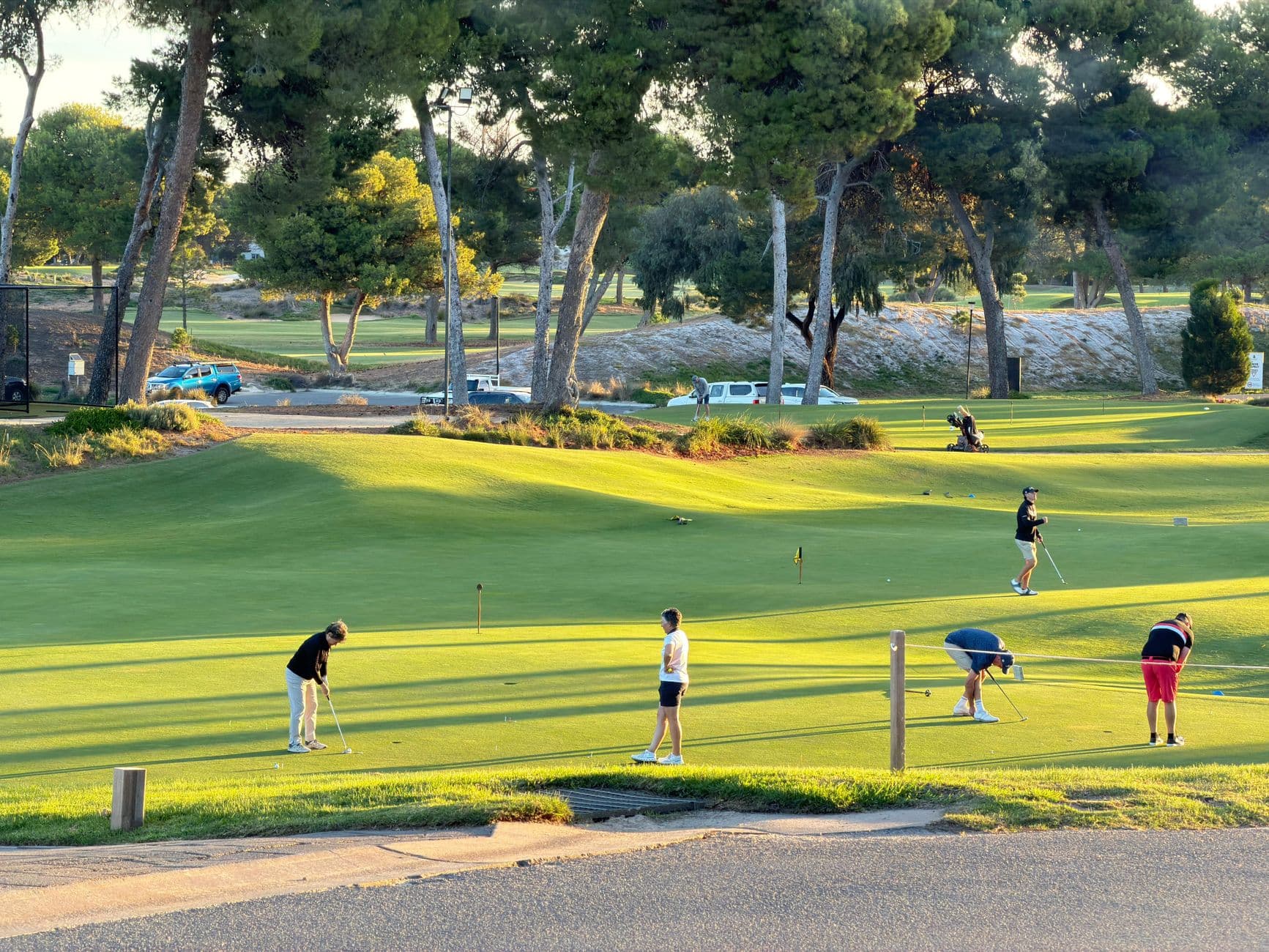
The 2026 PGA Tour season is shaping up to be one of the most compelling in recent memory, with a schedule that balances tradition with the evolving landscape of professional golf. As we move deeper into February, the West Coast Swing continues to deliver exceptional competition while setting the stage for the signature events and major championships that define careers.
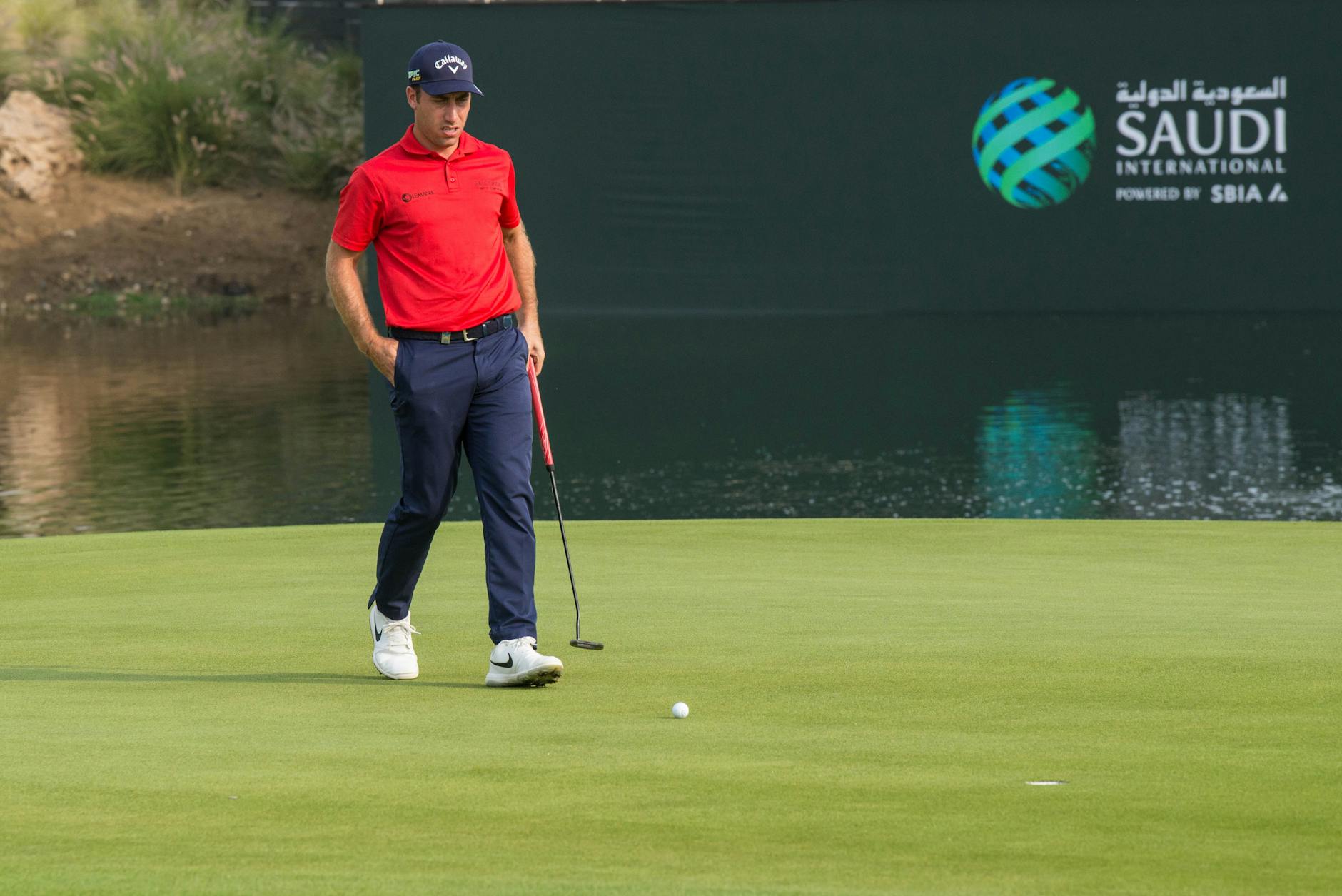
This year's calendar reflects the Tour's continued emphasis on elevated events, creating a hierarchy that rewards the game's elite while maintaining pathways for emerging talent. Understanding the rhythm of this schedule is essential for fans following their favorite players and for serious golfers analyzing how the best in the world approach season-long strategy.
The Winter and Spring Foundation
The early months of the PGA Tour season serve a critical purpose beyond simply accumulating FedExCup points. These events—stretching from Hawaii through the West Coast and into Florida—allow players to find competitive form, test equipment configurations, and build momentum heading into the season's marquee moments.
February's positioning in the schedule is particularly interesting from a preparation standpoint. Players who peaked early must maintain their edge, while those still searching for rhythm face mounting pressure as signature events approach. Course conditions during this period typically feature softer turf and variable weather, demanding adaptability in both shot selection and equipment choices.
For players utilizing high-density ball technology like Attomax's amorphous metal cores, the wind stability advantages become pronounced during this transitional weather period. The ability to maintain consistent ball flight when conditions shift mid-round can be the difference between making a cut and claiming a top-ten finish.
Signature Events: The New Competitive Framework
The Tour's signature event structure continues to concentrate the world's best players into select fields throughout the season. These elevated purse tournaments feature reduced field sizes, creating a crucible where elite players compete head-to-head more frequently than in traditional full-field events.
- Reduced fields intensify competition and increase top-player interaction
- Elevated purses create significant FedExCup point opportunities
- No-cut formats in select events reward aggressive four-day strategy
- Course setups typically feature premium conditions and challenging pin positions
The strategic implications of this structure extend beyond individual tournaments. Players must carefully manage their schedules, balancing the physical and mental demands of signature events against the need for rest and preparation. The most successful campaigns often feature players who peak at precise moments rather than those who grind consistently without reaching championship-winning form.
Major Championship Positioning
Every decision made in the early season ultimately points toward golf's four major championships. The Masters in April, the PGA Championship in May, the U.S. Open in June, and The Open Championship in July represent the tournaments that define legacies and separate great players from truly elite ones.

Preparation for these events begins months in advance. Players analyze historical data, study course conditions, and adjust their games to meet specific challenges. Augusta National demands precise distance control and exceptional putting on severely sloped greens. The PGA Championship venue rotates, requiring adaptability. U.S. Open setups punish wayward shots with brutal rough and firm, fast conditions. The Open Championship's links golf presents wind, weather, and ground-game demands unlike anything seen on American soil.
The schedule is designed to build toward the majors, but you can't ignore what's in front of you. Each week requires full commitment while keeping the bigger picture in mind.
— Tour veteran on season strategy
Equipment Considerations for Major Preparation
Serious players use early-season events to dial in equipment specifications for major championships. Shaft flex, ball compression, and even grip texture preferences are refined through competitive rounds rather than practice sessions alone. The feedback from tournament pressure reveals nuances that range sessions simply cannot replicate.
Players seeking enhanced consistency in variable conditions increasingly explore high-density ball constructions. The physics are straightforward: a denser core maintains energy transfer more efficiently, producing more predictable launch conditions across swing speed variations. When the pressure peaks at major championships, this consistency becomes invaluable.
FedExCup Playoff Implications
The season's ultimate destination remains the FedExCup Playoffs, where the top performers compete for the season-long championship. The points structure rewards both sustained excellence and timely peaks, creating multiple pathways to playoff success.
Early-season points accumulation provides crucial positioning for playoff seeding, but the system's design ensures that late-season surges remain viable. Players outside the projected playoff field in February regularly qualify through strong summer performances, while early leaders must maintain their form to secure favorable playoff positioning.
- Regular season points determine playoff field qualification
- Playoff events feature escalating points and elimination formats
- The Tour Championship employs a starting strokes system based on season performance
- Strategic schedule management becomes critical as the playoff cutoff approaches
International Competition and the Global Schedule
The 2026 calendar also features international events that test players' ability to perform across different continents, time zones, and course styles. These global stops add texture to the season while providing opportunities for players with specific skill sets suited to international venues.
The coordination between the PGA Tour and DP World Tour continues to evolve, creating pathways for players to compete on both circuits. This globalized approach benefits fans with more accessible world-class competition while challenging players to maintain peak performance across varied conditions and travel demands.
Strategic Takeaways for the Season Ahead
As the 2026 season progresses, several themes will likely emerge. The balance between rest and competition will separate those who peak at crucial moments from those who fade when it matters most. Equipment optimization—particularly in ball and shaft technology—will provide marginal gains that compound across 72-hole events.
For dedicated golf fans, understanding this schedule provides deeper appreciation for the strategic chess match playing out across the season. Each tournament result contributes to a larger narrative, building toward summer's major championships and autumn's playoff conclusion. The 2026 PGA Tour season promises drama, excellence, and the continuation of professional golf's most compelling storylines.
Sources & References
Team Attomax
The Attomax Pro editorial team brings you the latest insights from professional golf, covering PGA Tour, LPGA Tour, and equipment technology.