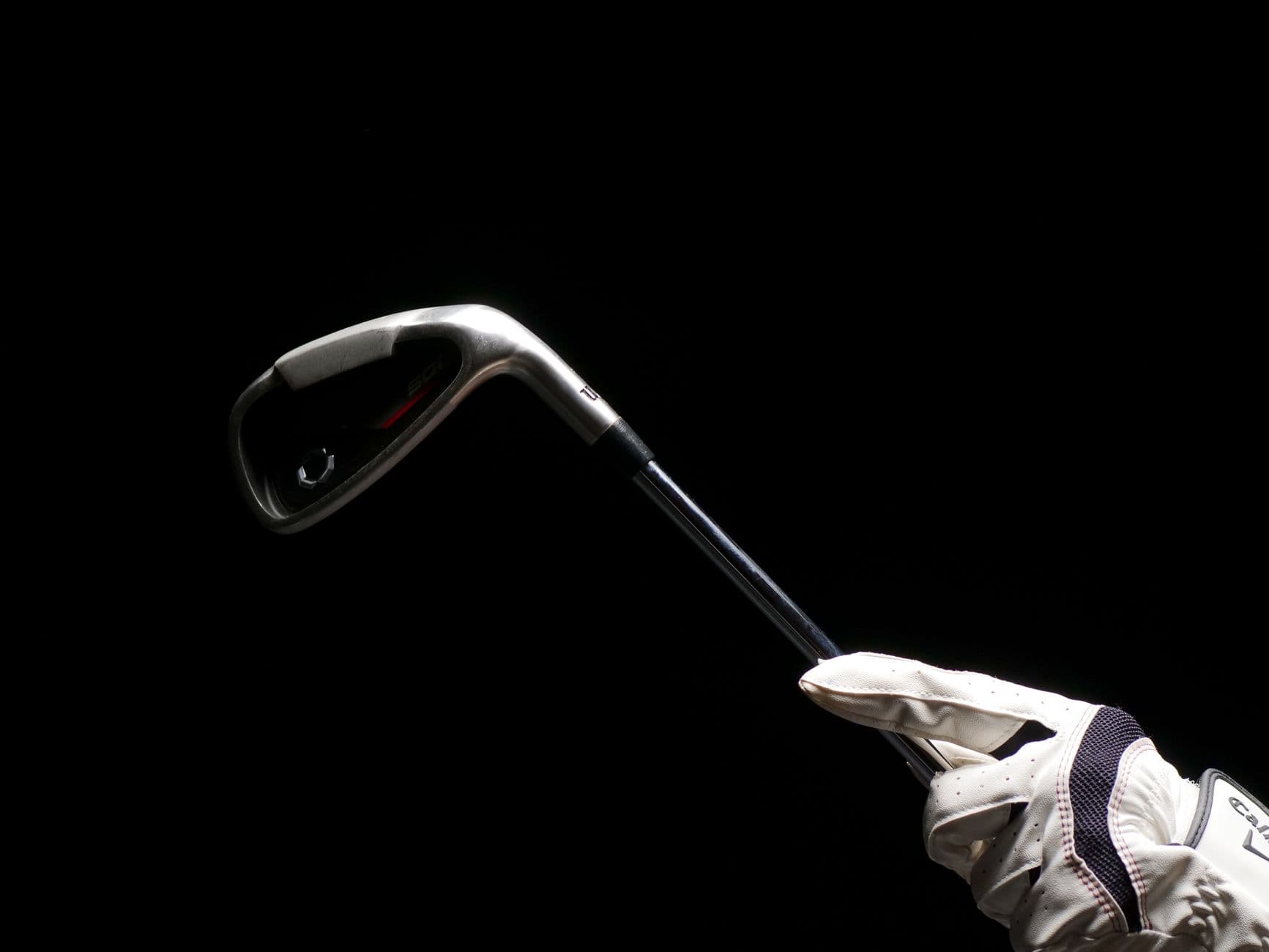
The golf equipment industry has entered a pivotal era where material science, artificial intelligence, and precision manufacturing converge to deliver performance gains that would have seemed impossible a decade ago. As we move through 2026, several technological trends are reshaping how discerning golfers select and optimize their equipment.

What distinguishes this moment in golf technology isn't simply incremental improvement—it's a fundamental rethinking of how equipment interacts with the physics of ball flight, ground conditions, and the human swing. The days of marginal gains through minor tweaks are giving way to substantial leaps driven by genuine innovation.
The Rise of Advanced Metal Alloys in Ball Construction
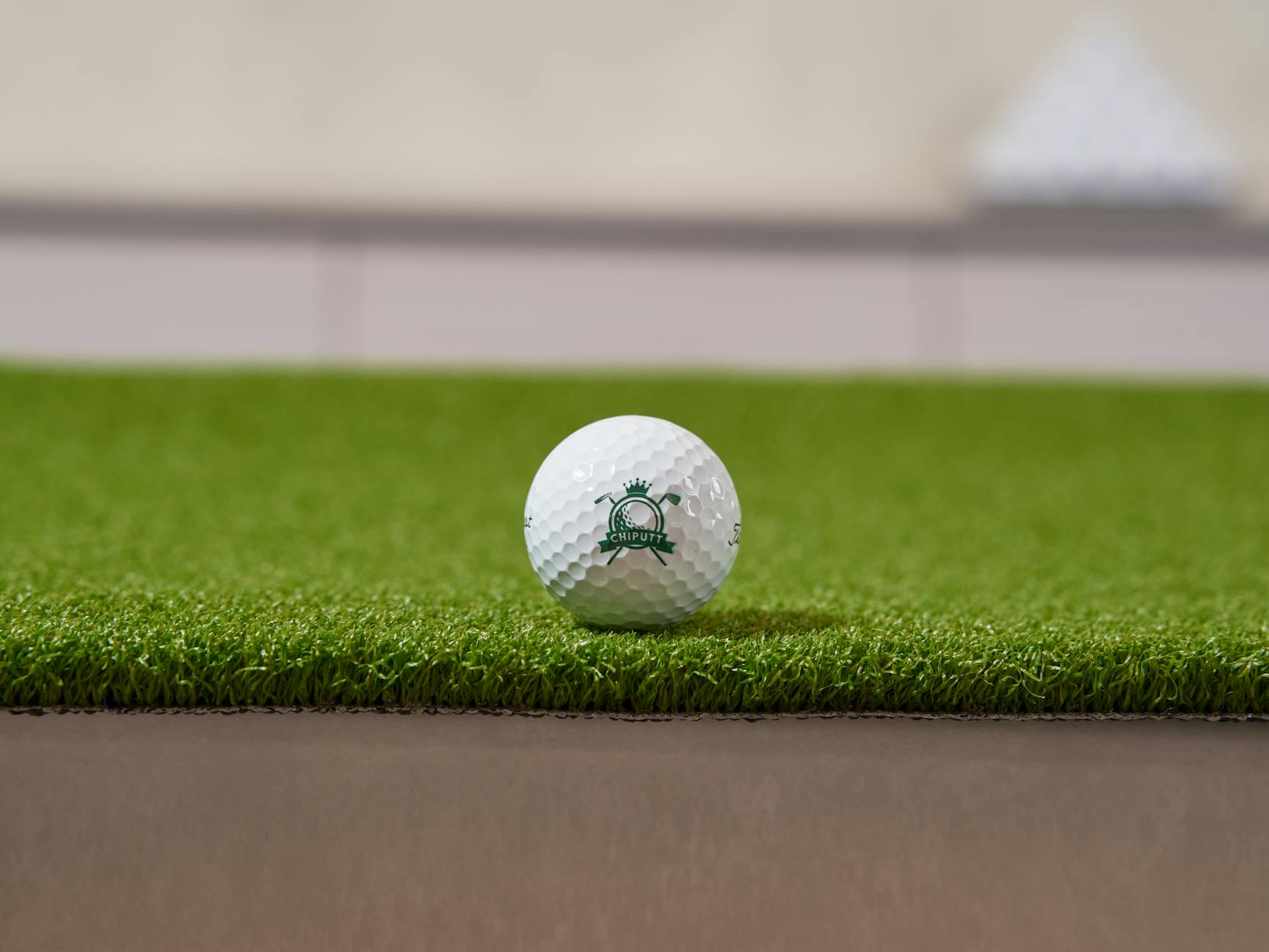
Perhaps no area of equipment development has seen more dramatic advancement than ball technology. High-density amorphous metal cores represent a significant departure from traditional rubber-based constructions, offering unprecedented control over energy transfer at impact.
These metallic alloys, characterized by their non-crystalline atomic structure, deliver exceptional consistency in compression response across varying temperatures. For players competing in early morning rounds or fluctuating weather conditions, this translates to more predictable distance control—particularly critical on approach shots where spin consistency separates good rounds from great ones.
The density characteristics of amorphous metals also allow engineers to manipulate weight distribution within the ball in ways previously impossible. By concentrating mass precisely, manufacturers can now optimize moment of inertia for improved stability through wind and enhanced roll characteristics on the green.
Shaft Technology: Beyond Flex Profiles
While flex ratings have long dominated shaft discussions, the 2026 landscape reveals a far more nuanced approach to shaft optimization. Advanced composite layering techniques now allow for independent tuning of multiple performance characteristics within a single shaft.
- Tip section stiffness calibrated for launch angle optimization
- Mid-section flex patterns designed for specific swing tempo profiles
- Butt section responsiveness tuned for feedback and feel preferences
- Torque characteristics mapped to individual swing planes
The result is a level of customization that moves well beyond the traditional R-S-X flex spectrum. Serious players are now working with fitters who analyze high-speed video and launch monitor data to match shaft profiles to their unique biomechanics.
AI-Driven Club Fitting: The New Standard
Artificial intelligence has transformed the fitting process from an art into a precision science. Modern fitting systems now process thousands of data points per swing, identifying patterns and correlations that escape even experienced human fitters.
The fitting bay has become a laboratory where data tells stories about your swing that you never knew existed.
— Industry Equipment Analyst
Machine learning algorithms trained on millions of swing profiles can now predict optimal specifications with remarkable accuracy. These systems account for variables including attack angle variance, face rotation timing, and even fatigue-induced swing changes throughout a round.
For the serious golfer, this means fitting sessions that go beyond simple launch monitor optimization. AI systems now model how equipment choices will perform across different course conditions, wind scenarios, and even altitude variations—critical considerations for players competing at venues from sea level to mountain courses.
Integration with Wearable Technology
The synergy between equipment technology and wearable devices has reached a sophisticated level. Sensors embedded in grips, shafts, and even shoes now provide real-time feedback that integrates with AI coaching platforms.
This closed-loop system allows players to track how equipment performance correlates with physical metrics like ground reaction force, hip rotation speed, and thoracic mobility. The data enables more informed equipment decisions and helps identify when swing changes necessitate equipment adjustments.
Putter Innovation: Where Feel Meets Physics
The flatstick has seen considerable attention from engineers seeking to optimize the most consequential club in the bag. Advances in face milling technology now allow for variable groove depths that normalize ball speed across the face—reducing distance penalties for off-center strikes.
- Multi-material constructions that optimize sound and vibration feedback
- Adjustable weight systems that account for green speed variations
- Face inserts utilizing advanced polymers for consistent friction coefficients
- Alignment systems incorporating contrast patterns optimized for human visual processing
The integration of high-density materials in putter heads has also enabled more aggressive weight distribution strategies. Players seeking improved stability through the stroke can now access designs with extreme perimeter weighting without sacrificing total head weight preferences.
Sustainability Enters the Equipment Conversation
The 2026 equipment landscape increasingly reflects environmental consciousness. Manufacturers are exploring recycled materials, bio-based polymers, and production methods that reduce carbon footprints without compromising performance.
This isn't merely marketing positioning—research indicates that certain bio-derived compounds offer mechanical properties rivaling or exceeding traditional petroleum-based materials. The serious golfer can now make equipment choices that align with environmental values without accepting performance compromises.
Looking Forward: What Discerning Players Should Consider
For golfers seeking to optimize their equipment in 2026, the message is clear: generic, off-the-rack specifications increasingly leave performance on the table. The technological capabilities now available demand a more thoughtful approach to equipment selection.
This means investing time in comprehensive fitting sessions that leverage modern data analysis. It means understanding that ball selection should be as individualized as club specifications. And it means recognizing that equipment technology has advanced to the point where matching gear to your game yields tangible scoring improvements.
The gap between equipment potential and player-realized performance has never been more addressable. Those willing to engage with the technological possibilities will find themselves with a genuine competitive advantage on the course.
Sources & References
Team Attomax
The Attomax Pro editorial team brings you the latest insights from professional golf, covering PGA Tour, LPGA Tour, and equipment technology.