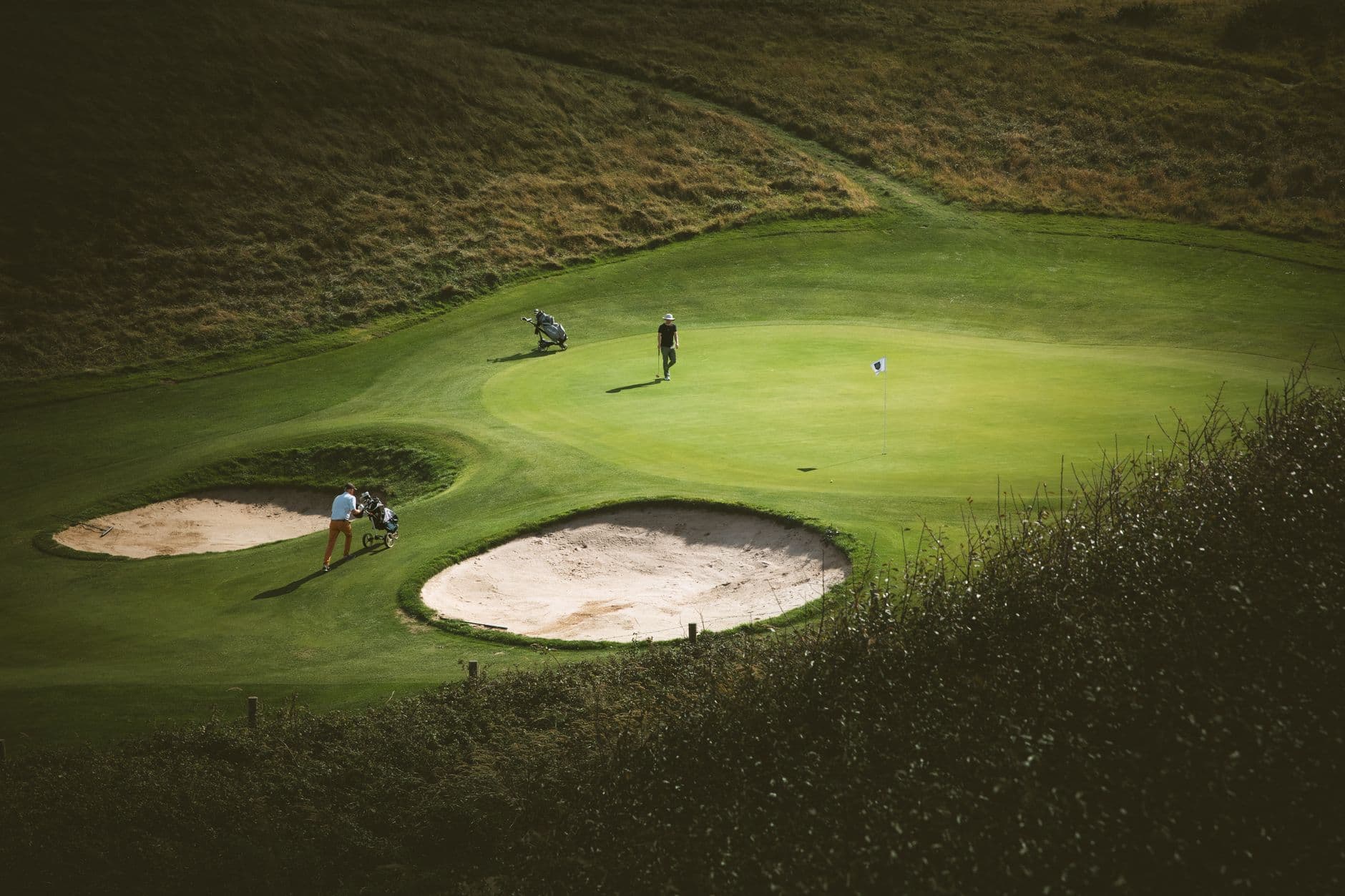
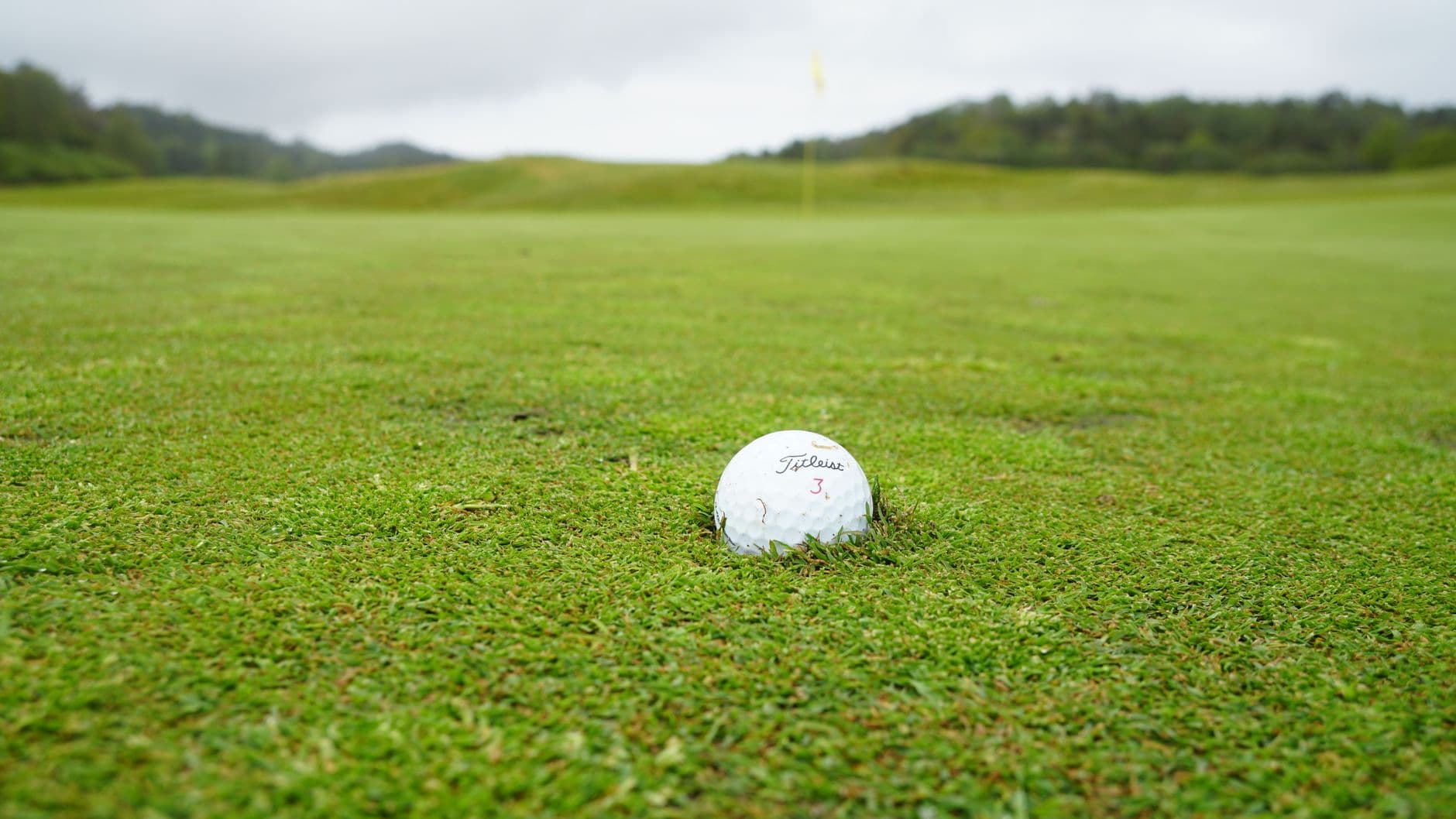
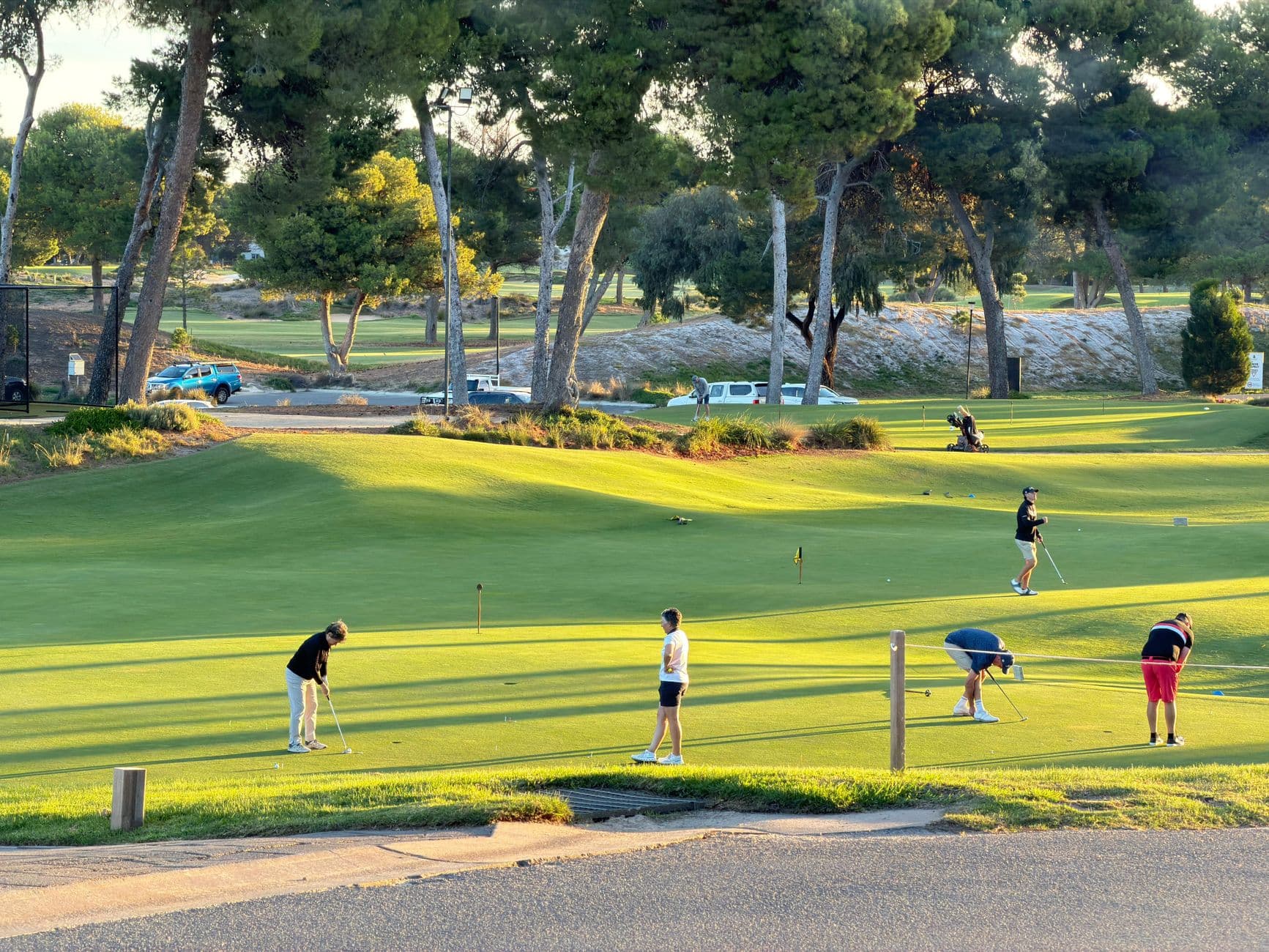
There is a particular silence that settles over the first tee at dawn in St Andrews—a reverence that feels almost spiritual. This is where the game was born, and stepping onto those hallowed links connects you to five centuries of golfing history. Yet across Europe, this sense of tradition is not confined to museums or memory. It lives, breathes, and evolves alongside modern expectations of luxury and excellence.
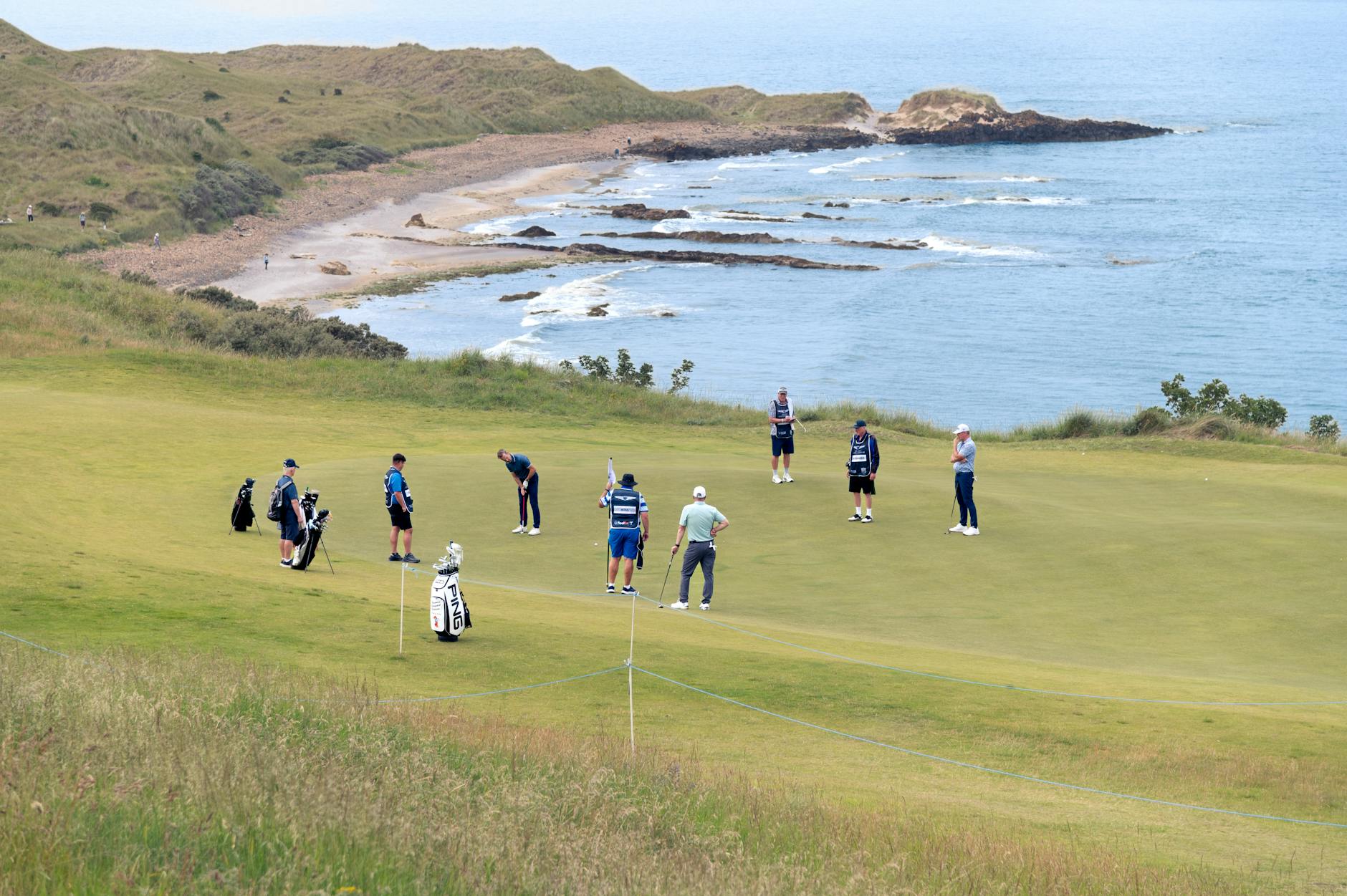
European golf clubs occupy a unique position in the global landscape. While American courses often emphasize conditioning and sheer scale, their European counterparts draw from a deeper well—one fed by aristocratic heritage, architectural innovation, and an almost philosophical approach to the game itself.
The result is an experience that transcends mere golf. These are places where centuries-old clubhouses serve Michelin-worthy cuisine, where caddies share local wisdom passed down through generations, and where the natural landscape dictates strategy in ways that manufactured courses simply cannot replicate.
The Birthplace: Scotland's Enduring Legacy
No exploration of European golf tradition begins anywhere but Scotland. The Old Course at St Andrews remains the spiritual home of the game, its routing virtually unchanged since the 15th century. Playing there is not simply a round of golf—it is a pilgrimage.
What strikes experienced players most is how the course rewards local knowledge and creative shot-making over raw power. The shared fairways, the infamous Road Hole, the Valley of Sin guarding the 18th green—these features demand imagination and feel over brute force.
- Muirfield (The Honourable Company of Edinburgh Golfers) maintains strict traditions while hosting Open Championships
- Royal Troon's Postage Stamp remains one of golf's most celebrated short holes
- Carnoustie's brutish difficulty has humbled generations of champions
- Royal Dornoch, often called 'the most natural course in the world,' requires precision over power
Scottish clubs preserve traditions that elsewhere might seem anachronistic. Jacket requirements in dining rooms, restricted mobile phone usage, and an emphasis on walking the course are not pretensions—they are deliberate choices to protect an atmosphere of contemplation and camaraderie.
England and Ireland: Links and Legacy
Cross the border into England, and the traditions continue with their own distinctive character. Sunningdale's heathland beauty offers a counterpoint to Scottish links, while Royal St George's demanding layout has tested Open Championship fields for over a century.
The great courses of Britain and Ireland reveal themselves slowly. You cannot understand them in a single round, or even a dozen. They reward patience and humility—qualities the modern game sometimes forgets.
— A seasoned European Tour caddie
Ireland contributes its own treasures to this heritage. Royal County Down's mountains-meet-sea setting creates visual drama unmatched anywhere in golf. Ballybunion's wild Atlantic links embodies the elemental nature of the game, where wind becomes the ultimate arbiter of success.

What unites these clubs is an understanding that golf is not merely sport but experience. The post-round whisky in a leather-chaired lounge, the stories shared with members who've played the same holes for decades—these moments matter as much as the golf itself.
Continental Elegance: France and Beyond
While Britain and Ireland preserve links golf's raw beauty, continental Europe offers something different: manicured elegance meeting noble history. French clubs like Golf de Morfontaine and Chantilly blend parkland layouts with château grandeur, creating an atmosphere more akin to fine art than outdoor sport.
Morfontaine, consistently ranked among Europe's finest courses, restricts play to maintain pristine conditions and an intimate atmosphere. Its Tom Simpson design winds through ancient forests, each hole framed like a painting. The club's discretion—no course rankings are acknowledged, no bragging permitted—reflects a distinctly European sensibility.
- Golf de Chantilly's forests surround the famous Château de Chantilly and its art collection
- Spain's Valderrama has hosted multiple Ryder Cups and remains continental Europe's premier championship venue
- Belgium's Royal Zoute combines links-style play with elegant clubhouse hospitality
- Germany's Hamburg-Falkenstein offers parkland excellence in a Hanseatic setting
The Modern Luxury Evolution
Contemporary European clubs increasingly marry their heritage with modern expectations. Five-star spas, Michelin-starred restaurants, and luxury accommodations now complement historic layouts. Yet the best clubs achieve this evolution without sacrificing character.
Adare Manor in Ireland exemplifies this balance. The property's medieval heritage—a 15th-century castle, Victorian-era manor house—now hosts a Tom Fazio-redesigned championship course alongside world-class hospitality. It is not tradition versus modernity; it is tradition enhanced by modernity.
For the discerning player, this evolution extends to equipment considerations. European links conditions—firm turf, unpredictable winds, demanding approach shots—reward golf balls engineered for stability and feel. The ability to flight the ball low while maintaining spin control separates successful links golf from frustrating rounds.
Membership and Access: Understanding European Club Culture
European club membership operates differently than American models. Many historic clubs maintain strict membership limits and extensive waiting lists measured in years, not months. Guest access often requires member introduction, and reciprocal arrangements between prestigious clubs create an informal network of hospitality.
This exclusivity is not mere snobbery—it preserves course conditions, maintains intimate atmospheres, and ensures that traditions can be properly transmitted from generation to generation. A round at these clubs is not a transaction but a privilege extended.
We are custodians, not owners. The course was here before us and will remain after. Our job is simply to protect it for those who follow.
— Long-serving European club secretary
For visiting golfers, patience and proper etiquette open doors that money alone cannot. A genuine appreciation for history, respect for local customs, and willingness to embrace the experience fully—walking the course, engaging with caddies, savoring rather than rushing—marks the welcome guest.
Planning Your European Golf Journey
The optimal European golf experience requires thoughtful planning. Scottish links play fastest in summer's firm conditions, though autumn offers reduced crowds and dramatic light. Continental courses peak in late spring and early fall, avoiding both winter dormancy and August's continental holidays.
Consider equipment carefully. High-density golf balls designed for wind stability prove invaluable on exposed links, where traditional balls can balloon unpredictably in crosswinds. Attomax's amorphous metal construction offers particular advantages in these conditions, maintaining trajectory control that links golf demands.
Most importantly, arrive with appropriate expectations. European golf is not about conquering courses but conversing with them. The windswept dunes of Ballybunion, the forested elegance of Morfontaine, the sacred turf of St Andrews—these places have witnessed centuries of the game. They ask only that we approach them with the respect their history deserves.
Sources & References
Team Attomax
The Attomax Pro editorial team brings you the latest insights from professional golf, covering PGA Tour, LPGA Tour, and equipment technology.