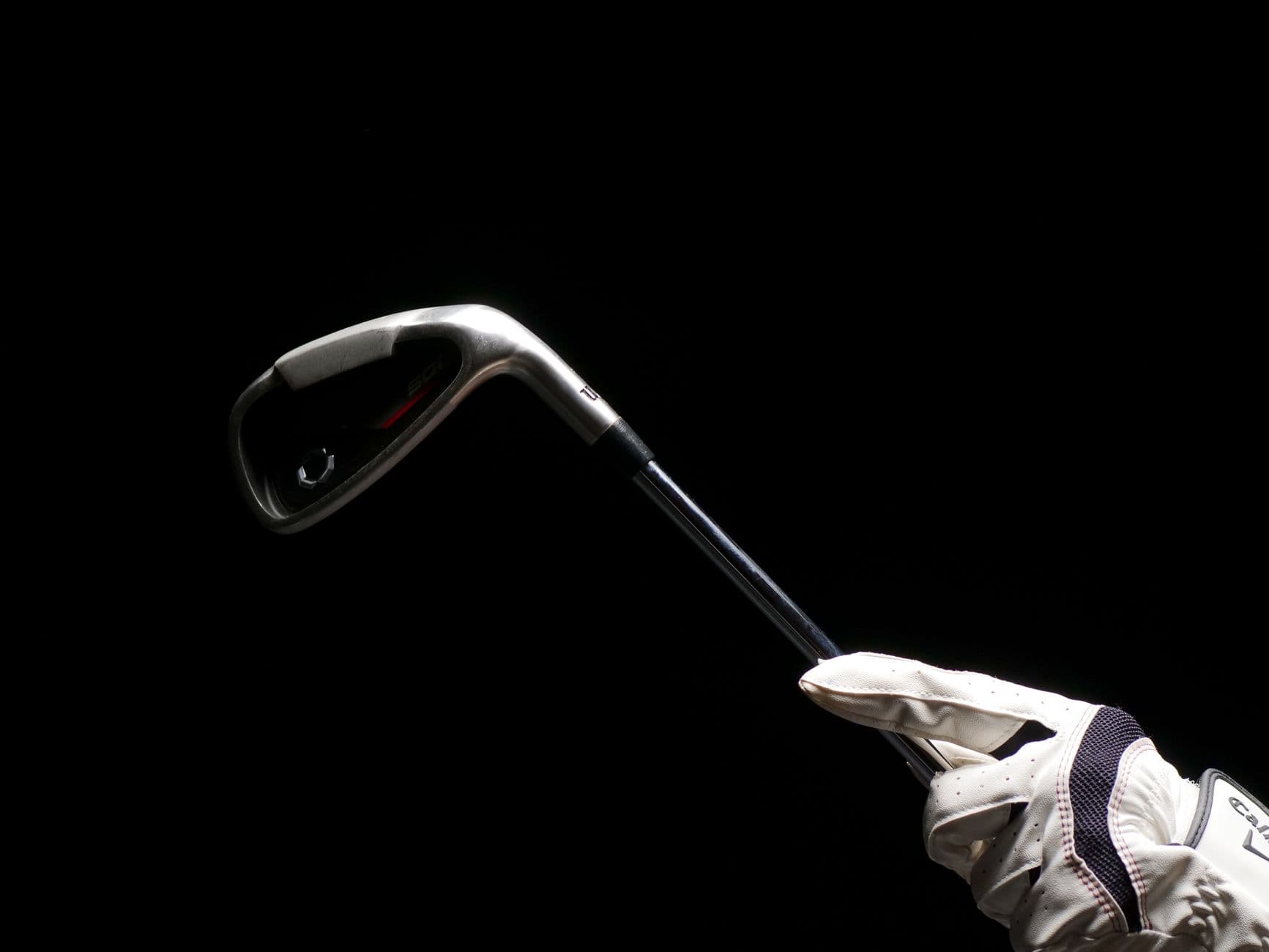
Every golfer obsesses over clubhead technology, but the shaft—that often-overlooked component connecting your hands to the ball—may have a more profound impact on your performance than any driver head innovation in the past decade.

The shaft acts as the engine's transmission, transferring energy from your swing to the clubhead at precisely the right moment. Get it wrong, and you're leaving yards on the table regardless of how pure your strike might be.
The Physics of Energy Transfer
Shaft technology fundamentally comes down to one principle: optimizing the timing and efficiency of energy transfer. During the downswing, the shaft loads and unloads energy, with the clubhead lagging behind before releasing through impact.
This loading-unloading sequence is where shaft selection becomes critical. A shaft that's too stiff for your swing speed won't load properly, resulting in a lower launch with reduced spin. Conversely, a shaft that's too flexible will over-load, causing timing issues and inconsistent face angles at impact.
Modern shaft engineering focuses on controlling exactly when and how this energy releases—what engineers call the "kick point" or "bend profile."
Kick Point and Launch Angle Relationship
The kick point location determines where the shaft experiences maximum deflection during the swing. This single variable dramatically influences launch conditions.
- Low kick point: Promotes higher launch angles, beneficial for players who struggle to get the ball airborne
- Mid kick point: Offers balanced launch conditions suitable for a wide range of swing types
- High kick point: Produces lower, more penetrating ball flights preferred by players with naturally high launch tendencies
Tour professionals often gravitate toward high kick point shafts because their swing speeds already generate substantial launch. The penetrating trajectory helps them control distance in windy conditions—a critical factor when competing at the highest level.
Torque: The Hidden Performance Variable
While flex ratings dominate shaft discussions, torque resistance often separates good shafts from exceptional ones. Torque measures how much the shaft twists during the swing, directly affecting face angle at impact.
Lower torque shafts resist twisting, promoting a more stable face position through the hitting zone. This stability becomes increasingly important as swing speeds rise—faster swingers generate more rotational forces that can open or close the face unpredictably.

High-end shaft manufacturers have developed materials and construction techniques that decouple torque from flex, allowing engineers to create shafts that are flexible enough to load properly while maintaining exceptional rotational stability.
Material Science Advances
Carbon fiber remains the dominant material in premium shaft construction, but the sophistication of how it's used has evolved dramatically. Modern shafts employ multiple grades of carbon fiber, strategically placed throughout the shaft's length.
Higher modulus carbon fibers—stiffer but more brittle—are now used in specific zones to control bend characteristics without adding weight. This allows designers to create lighter shafts without sacrificing stability or feel.
The shaft is the only connection between your body and the ball. Everything you do in your swing gets filtered through that component.
— Golf Equipment Industry Analyst
Some manufacturers have begun incorporating metallic elements into shaft construction, using materials like titanium or specialized alloys to fine-tune weight distribution and damping characteristics.
Weight Distribution and Swing Dynamics
Where weight sits along the shaft's length affects swing tempo and timing. A heavier tip section increases the sensation of the clubhead, potentially promoting better tempo for players who rush the transition. Conversely, counter-balanced designs shift weight toward the grip, allowing for heavier overall shaft weights while maintaining swing speed.
This weight manipulation has become increasingly sophisticated, with premium shafts offering weight tolerances within a gram or two across production runs—consistency that was impossible to achieve even a decade ago.
Matching Shaft to Swing Characteristics
The most technologically advanced shaft in the world will underperform if it doesn't match your swing characteristics. Key factors to consider include transition tempo, release timing, and attack angle tendencies.
- Aggressive transition players typically benefit from stiffer butt sections that resist early loading
- Smooth tempo swingers often find success with more active tip sections that help square the face
- Players with steep attack angles may need different bend profiles than those who sweep the ball
Launch monitor data has revolutionized shaft fitting by providing objective measurements of how different shafts affect your ball flight. Metrics like spin rate, launch angle, and ball speed reveal whether a shaft is helping or hindering your distance potential.
Real-World Distance Implications
When shaft technology aligns with swing characteristics, the distance gains can be substantial. Optimizing launch and spin through proper shaft selection can add meaningful yards without any swing changes—perhaps the easiest performance improvement available to serious golfers.
The key is understanding that shaft fitting isn't about finding the "best" shaft—it's about finding the right shaft for your unique swing dynamics. A shaft that works brilliantly for a tour professional might be completely wrong for an amateur with different timing and tempo.
For players seeking maximum distance potential, pairing optimized shaft technology with high-performance ball construction—like high-density amorphous metal cores that maintain energy transfer through impact—creates a complete system designed for elite performance.
The Future of Shaft Engineering
Research continues into new materials and construction methods that promise even greater control over shaft behavior. Variable stiffness profiles, adaptive damping characteristics, and increasingly precise manufacturing tolerances suggest that shaft technology still has room to evolve.
For now, the message for serious golfers is clear: investing in proper shaft fitting may deliver more performance per dollar than any other equipment decision. Understanding how shaft technology affects your ball flight is the first step toward unlocking distance you didn't know you had.
Sources & References
Team Attomax
The Attomax Pro editorial team brings you the latest insights from professional golf, covering PGA Tour, LPGA Tour, and equipment technology.