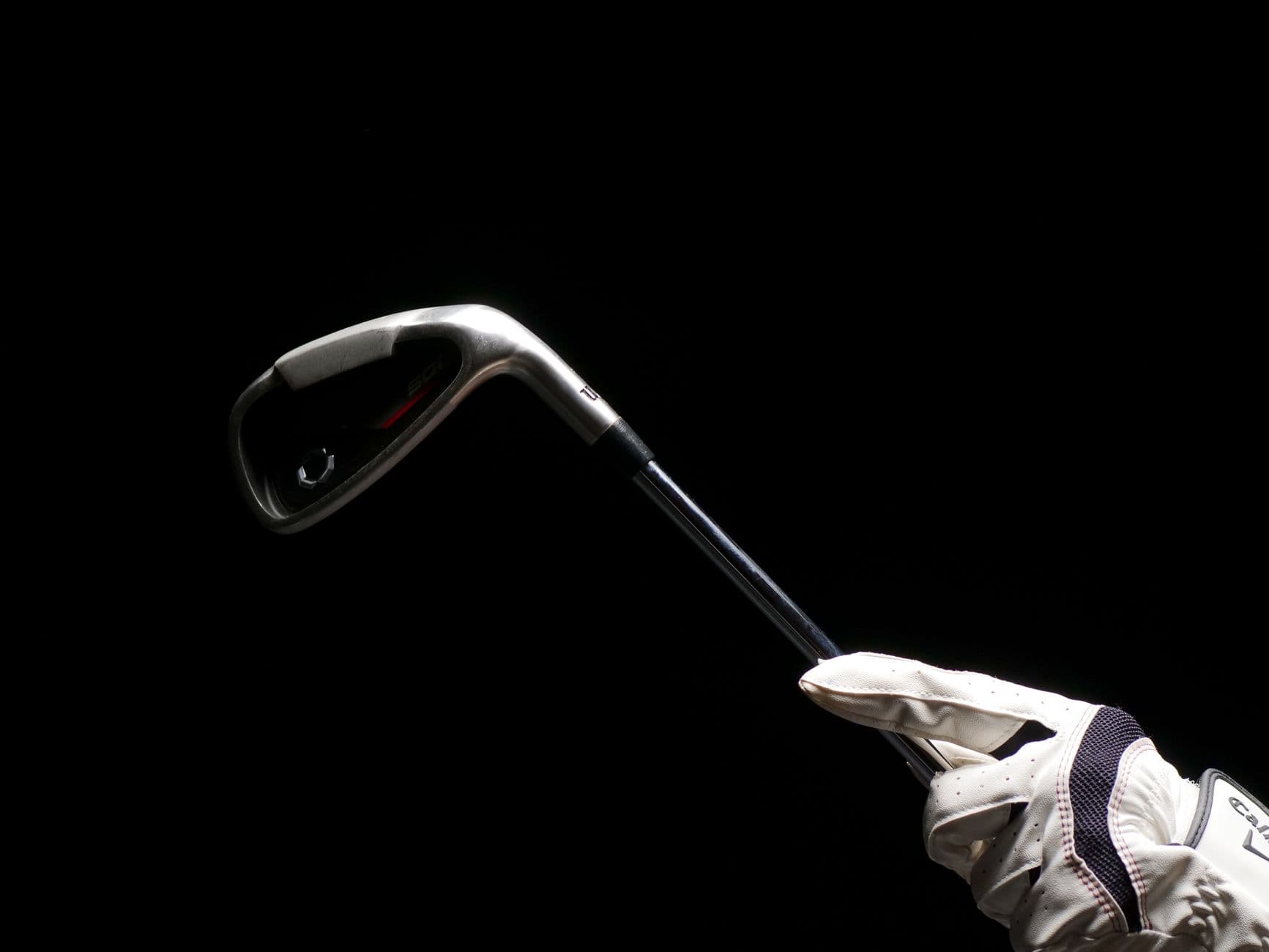
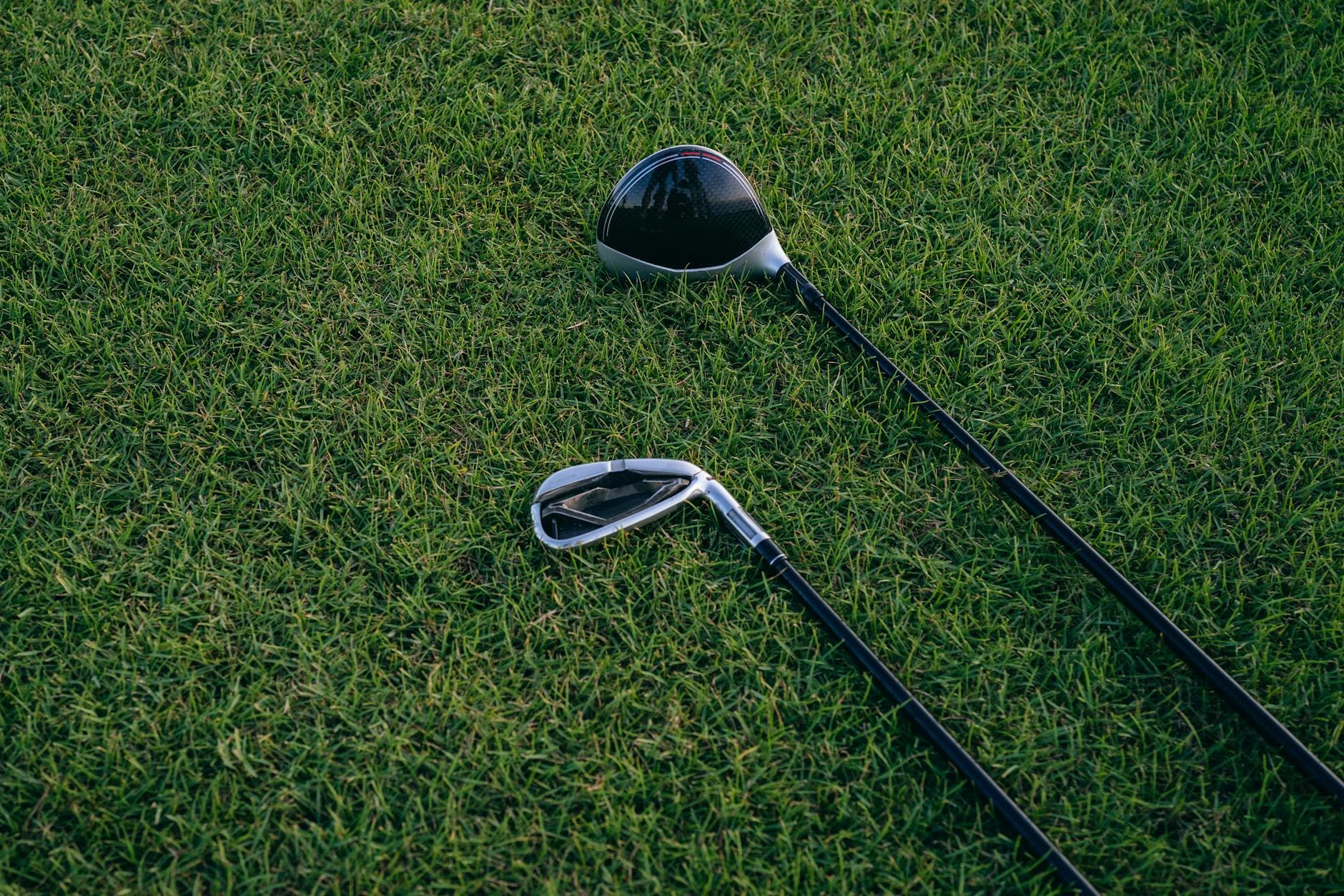
The days of walking into a pro shop, testing a few clubs on the range, and hoping for the best are rapidly fading into golf's rearview mirror. Custom fitting has evolved from an elite service reserved for touring professionals into an essential component of any serious golfer's equipment strategy, driven by sophisticated launch monitor technology and data analytics that would have seemed like science fiction just a decade ago.
What's fueling this transformation isn't simply better technology—it's the democratization of precision. The same Trackman and Foresight systems that helped Scottie Scheffler optimize his bag are now available at fitting centers across the country, providing club golfers with tour-level data on spin rates, launch angles, and dispersion patterns.
Beyond the Static Fit: Dynamic Analysis Takes Center Stage
Traditional fittings focused primarily on static measurements—height, wrist-to-floor distance, hand size. While these remain foundational, modern fitting has shifted dramatically toward dynamic analysis, examining how a golfer actually delivers the club through impact rather than simply how they address the ball.
This paradigm shift recognizes a fundamental truth that experienced players have long understood: two golfers with identical static measurements can have radically different swing characteristics. Attack angle, face-to-path relationship, and delivery speed all influence which shaft profile and head design will optimize performance.
- Launch monitor data now captures over 40 parameters per swing, compared to fewer than 10 a decade ago
- Shaft optimization has become equally important as head selection, with flex, weight, and bend profile all contributing to consistency
- Ground-based fitting systems can now measure pressure distribution and weight transfer patterns
The Shaft Renaissance: Where Science Meets Feel
Perhaps no aspect of custom fitting has advanced more dramatically than shaft analysis. Where fitters once relied primarily on swing speed to determine flex requirements, today's approach considers the entire delivery sequence—from transition tempo to release timing.
High-density materials and advanced manufacturing processes have expanded the matrix of available shaft profiles exponentially. Golfers can now fine-tune weight, torque, bend point, and tip stiffness independently, creating combinations that were simply unavailable even five years ago.
The shaft is the engine of the golf club. You can have the perfect head, but if the shaft doesn't match your delivery, you're leaving performance on the table.
— Leading Tour Fitter
This precision extends to putter shafts as well, an often-overlooked component. Weight distribution in the shaft directly influences stroke tempo and face stability through impact—critical factors for distance control on fast, undulating greens.
Ball Fitting: The Missing Piece of the Puzzle
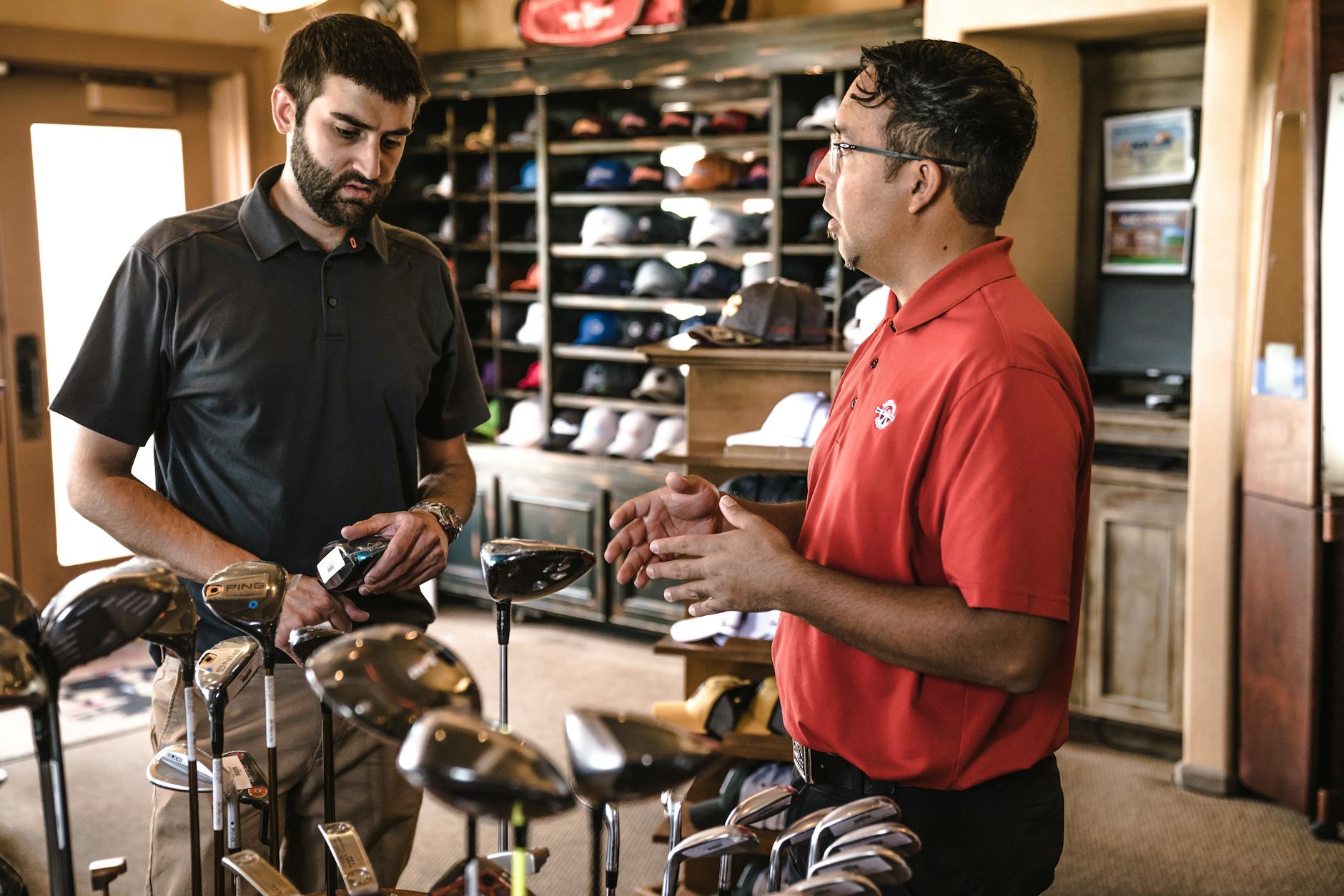
Equipment fitting has traditionally focused on clubs while treating ball selection as an afterthought. This oversight is particularly costly given that the ball is the only piece of equipment used on every single shot. Progressive fitters now integrate ball fitting into comprehensive sessions, matching compression and cover characteristics to individual swing profiles.
The emergence of high-density core technologies has expanded ball-fitting parameters significantly. Golfers can now optimize for specific conditions—selecting firmer constructions for wind stability or softer options for enhanced greenside control—without sacrificing distance.
The Compression Matching Principle
Matching ball compression to swing speed and attack angle optimizes energy transfer at impact. A player with moderate swing speed using a ball designed for tour-level velocities leaves distance on the table, while a high-speed player using low-compression balls may experience excessive spin and ballooning flight.
- Assess driver swing speed and attack angle
- Evaluate iron compression requirements based on delivery characteristics
- Consider short game preferences—spin versus control
- Test multiple constructions under simulated on-course conditions
The Mobile Fitting Revolution
Fixed fitting centers remain the gold standard, but mobile fitting operations have dramatically expanded access. Tour vans equipped with full launch monitor suites now visit courses and ranges, bringing professional-grade fitting to golfers who might not otherwise have access to comprehensive services.
This accessibility has proven particularly valuable for serious amateurs preparing for club championships, state amateurs, or USGA qualifiers. The ability to optimize equipment without traveling to major metropolitan fitting centers has leveled the playing field considerably.
Data Integration: From Session to Course
The most sophisticated fitting operations now integrate session data with on-course performance tracking. GPS-enabled shot tracking systems feed real-world dispersion and distance data back into fitting algorithms, allowing fitters to verify that launch monitor predictions translate to actual playing conditions.
This closed-loop approach addresses a historical limitation of indoor fitting: the disconnect between controlled conditions and the unpredictable variables of competition. Wind, elevation, humidity, and psychological pressure all influence equipment performance in ways that sterile indoor environments cannot replicate.
For the serious golfer committed to peak performance, custom fitting has become non-negotiable. The convergence of advanced materials science, precision manufacturing, and sophisticated analytics means that properly fitted equipment can provide meaningful competitive advantages at every level of play.
The question is no longer whether to get fitted, but how frequently to reassess as technology evolves and your game develops. Most tour players undergo comprehensive refitting at least annually, a cadence that serious amateurs would be wise to consider as fitting technology continues its rapid advancement.
Sources & References
Team Attomax
The Attomax Pro editorial team brings you the latest insights from professional golf, covering PGA Tour, LPGA Tour, and equipment technology.