Golf course architecture represents one of sport's most fascinating intersections of art, engineering, and competitive strategy. From the windswept links of the British Isles to the manufactured perfection of modern American parkland courses, design philosophy fundamentally shapes how the game is played at every level.
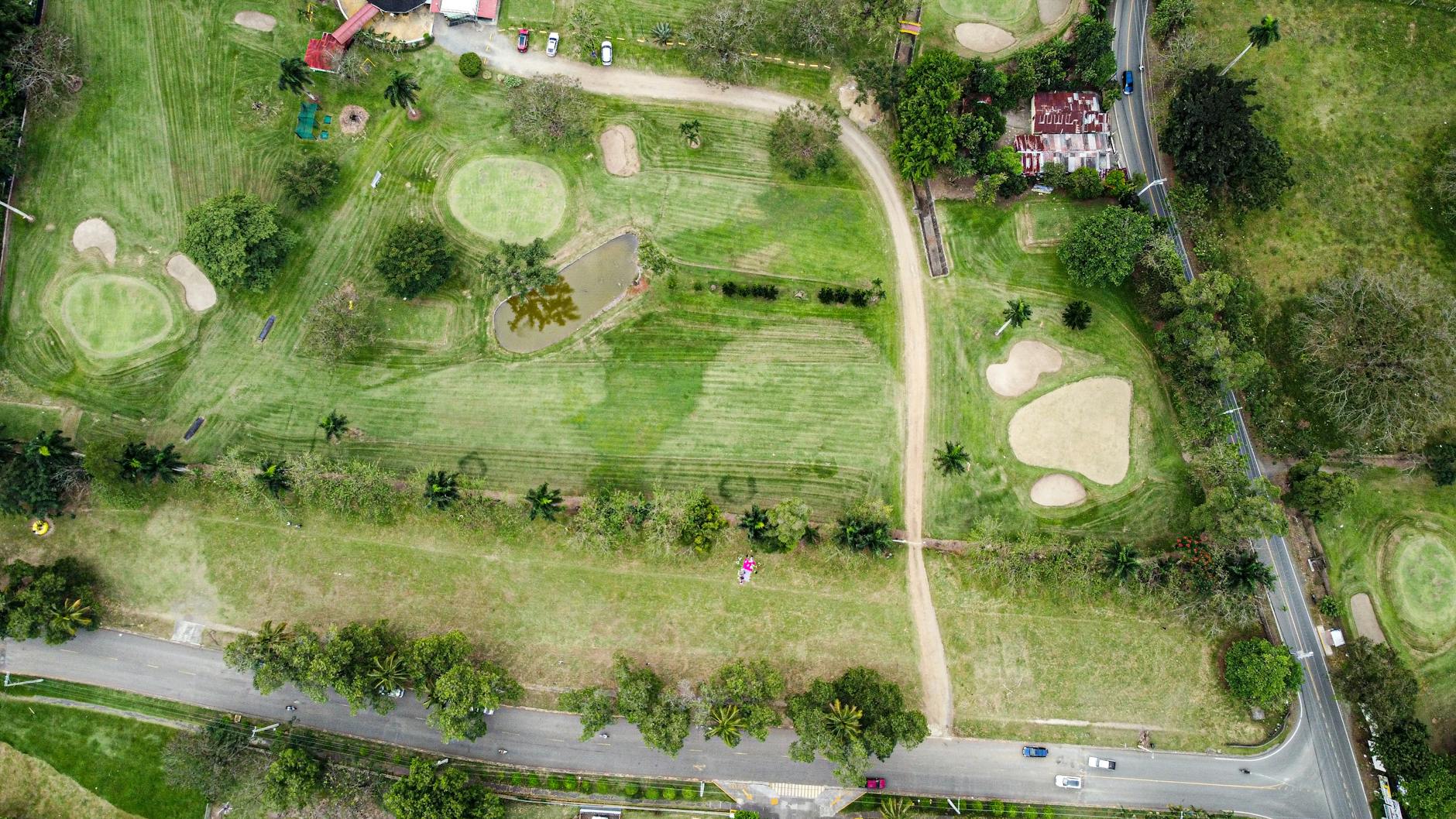
The greatest architects throughout history—Alister MacKenzie, Donald Ross, Pete Dye, and their contemporary successors—understood that memorable golf holes do far more than simply separate tee from green. They present options, reward boldness, and punish carelessness in equal measure.
Strategic Design vs. Penal Architecture
The fundamental tension in course design exists between strategic and penal philosophies. Strategic architecture, championed by MacKenzie and exemplified by Augusta National, offers multiple routes to the hole with varying risk-reward calculations. Players choose their line based on skill level, conditions, and competitive situation.
Penal design, conversely, demands a specific shot shape and trajectory with severe consequences for deviation. While often criticized as one-dimensional, penal elements like Dye's railroad ties at TPC Sawgrass create iconic, pressure-packed moments that define tournaments.
- Strategic routing allows multiple approach angles to greens
- Hazard placement should offer bail-out options for higher handicaps
- Green complexes reward precise distance control over pure power
- Wind corridors can transform a hole's character between morning and afternoon rounds
Modern architects increasingly blend both philosophies, creating courses that amateur golfers can navigate while still testing Tour professionals. This approach requires sophisticated understanding of how different equipment performs across skill levels.
Terrain Integration and Natural Features
The finest courses work with the land rather than imposing an artificial template upon it. Links courses demonstrate this principle perfectly—the routing follows natural contours, bunkers occupy positions carved by centuries of wind erosion, and greens sit on plateaus shaped by geological forces rather than bulldozers.
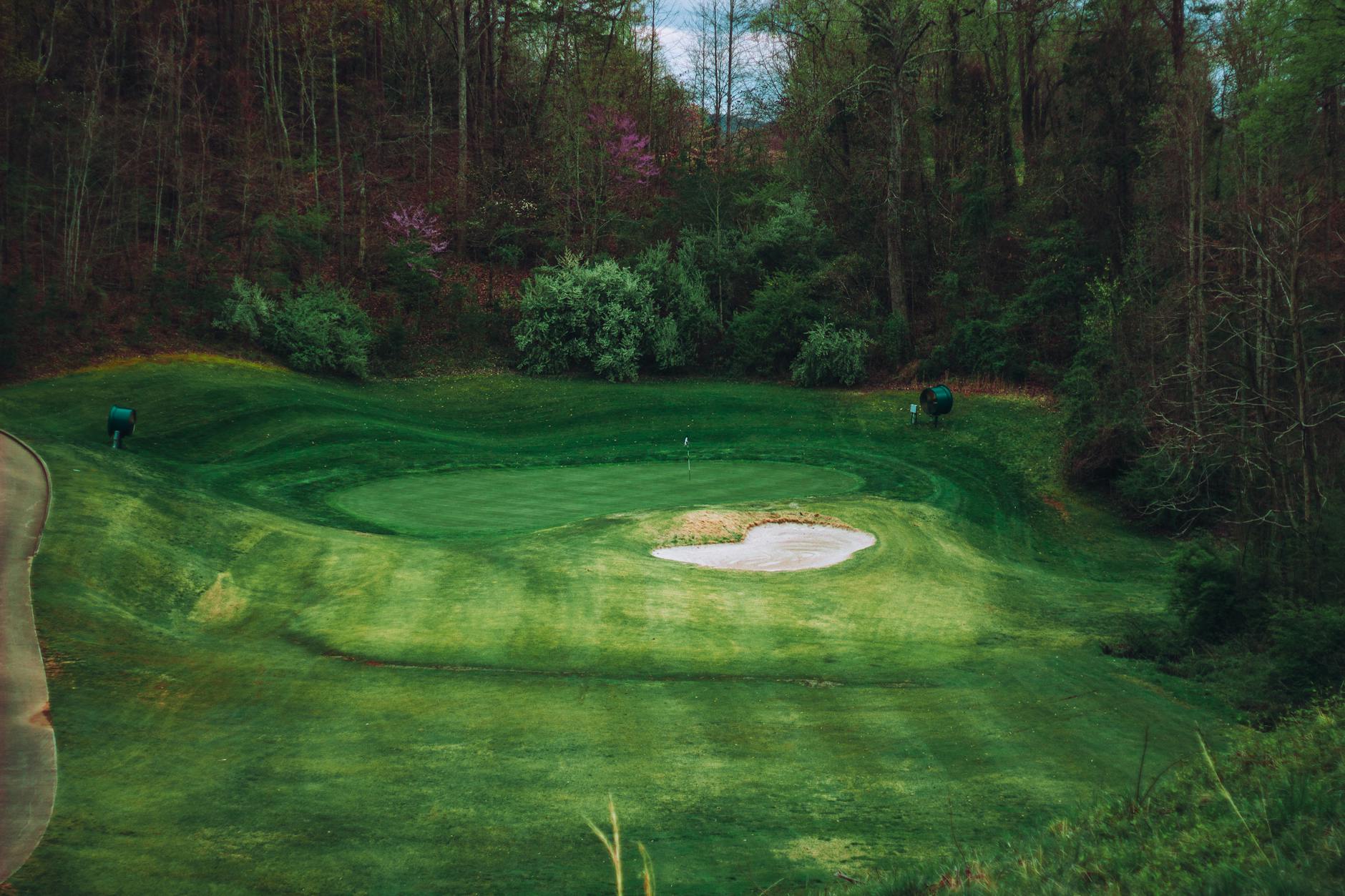
Inland courses face greater challenges integrating with terrain, but the best designs embrace native vegetation, existing water features, and elevation changes. Tree removal has become a controversial but necessary tool as courses mature—what seemed like strategic framing in the 1960s often creates tunnel-like corridors that reward only one shot shape.
The ideal golf course should present problems that a player may attempt according to his ability. It should never be hopeless for the duffer nor fail to provide a challenge for the expert.
— Alister MacKenzie
Green Complex Design and Recovery Shots
Green complexes—the putting surface plus surrounding bunkers, collection areas, and slopes—separate elite designs from mundane layouts. Championship greens present multiple pin positions that fundamentally alter approach strategy, requiring different trajectories, spin rates, and landing zones depending on flag location.
Recovery shot opportunities reveal an architect's philosophy about forgiveness versus punishment. Some designers create collection areas that gather wayward approaches into manageable positions, while others surround greens with gnarly rough or deep bunkers that demand precise execution.
Ball construction plays a crucial role in how approach shots interact with firm green surfaces. Higher compression balls like Attomax High-Density options generate the spin control needed to hold challenging green complexes, particularly on downwind approaches where stopping power becomes paramount.
Contour and Stimp Speed Considerations
Green speeds have increased dramatically over the past three decades, fundamentally changing how architects must design putting surfaces. Severe slopes that played interesting at 9 on the Stimpmeter become unfair at 13-plus. This has forced renovations at numerous championship venues, often involving subtle re-contouring that preserves visual drama while ensuring playability.
- Slopes exceeding 3% become treacherous above Stimp 12
- Internal green contours create more interesting putts than perimeter slopes
- Collection areas should allow skilled chip shots rather than guaranteed bogeys
- Proper drainage prevents water accumulation that distorts intended design
Modern Technology's Impact on Design
Equipment advances have compressed the skill gap on longer holes, forcing architects to rethink traditional par-5 strategy. Where three-shot holes once required precise layups, modern professionals now contemplate eagle putts after reaching greens in two with mid-irons.
Architects respond by emphasizing precision over power—narrowing fairways at typical driving distances, creating more short par-4s that reward positioning, and designing greens that reject poorly struck approaches regardless of how far the ball traveled beforehand.
Shaft technology also influences design considerations. Players using properly fitted shafts—whether the stiff, low-torque profiles preferred by aggressive swingers or the more flexible options suited to smooth tempos—achieve greater consistency that modern layouts must account for in their strategic demands.
Sustainability and Environmental Stewardship
Contemporary course design increasingly emphasizes environmental responsibility. Native grass areas reduce water consumption and chemical applications while creating visually dramatic contrast with manicured playing surfaces. Stormwater management systems transform courses into community assets that mitigate flooding while providing recreational value.
The best new designs incorporate wildlife corridors, pollinator habitats, and drought-resistant turf varieties that maintain playability during water restrictions. This represents not just environmental consciousness but practical economics—courses that consume less water and fewer chemicals operate more profitably over time.
Golf course architecture remains a discipline where technical knowledge meets artistic vision. The layouts that endure—those hosting major championships decades after construction—balance challenge with playability, strategy with spectacle, and tradition with innovation. Understanding these principles deepens appreciation for the game's most celebrated venues and reveals why certain holes demand our best while others simply require survival.
Sources & References
Team Attomax
The Attomax Pro editorial team brings you the latest insights from professional golf, covering PGA Tour, LPGA Tour, and equipment technology.