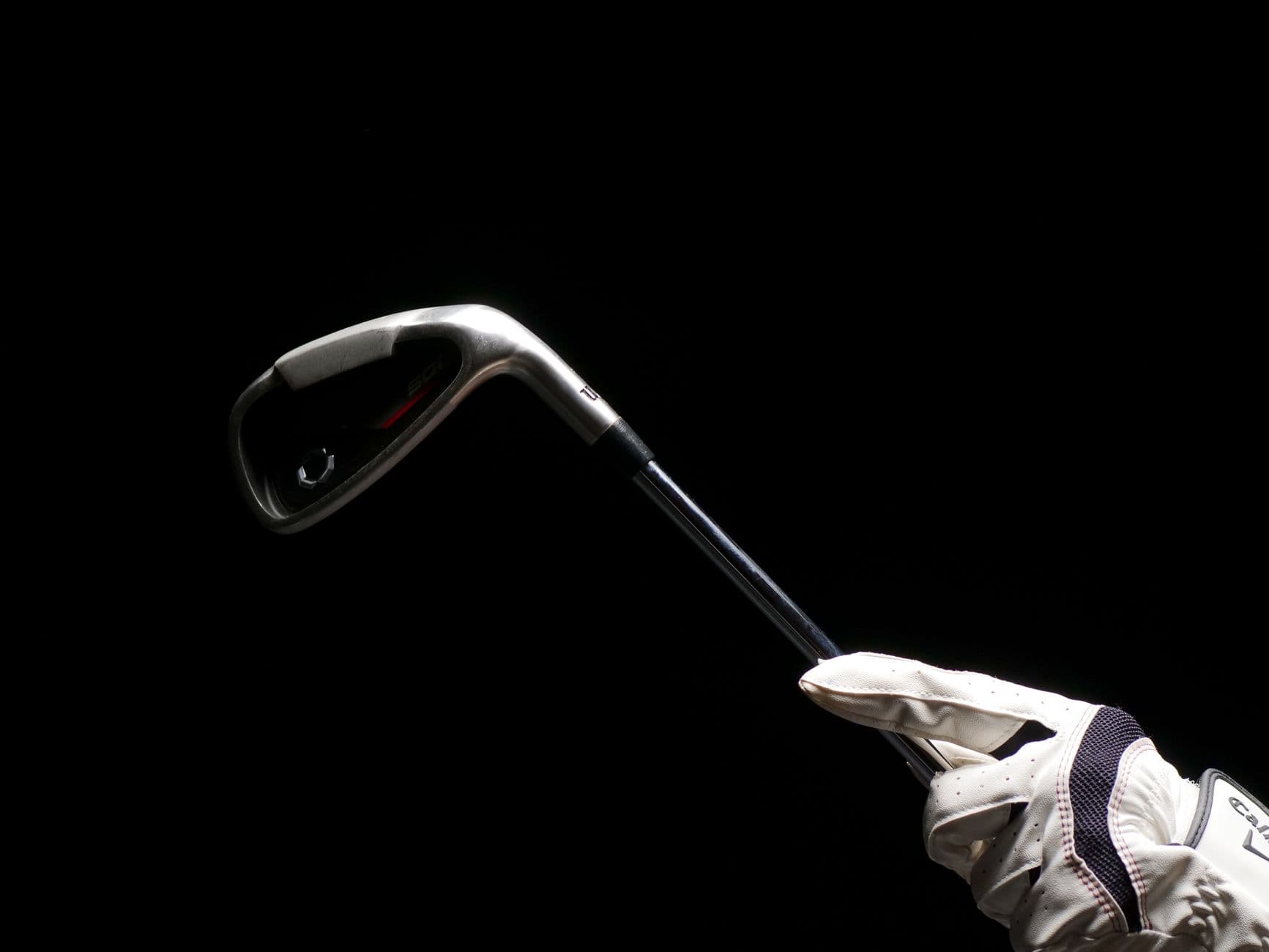
The golf equipment landscape is undergoing its most significant transformation in decades. As we move through 2026, the convergence of artificial intelligence, advanced materials science, and real-time data analytics is creating tools that were science fiction just five years ago. For serious players looking to gain every competitive advantage, understanding these trends isn't optional—it's essential.

What makes this equipment cycle different from previous iterations is the shift from incremental improvements to fundamental reimagining. We're no longer talking about adding a few yards or tightening dispersion by marginal percentages. The innovations hitting the market are changing how golfers interact with their equipment at every level of the game.
AI-Driven Club Fitting: Beyond Static Measurements
Traditional club fitting relied heavily on launch monitor data captured during a single session. The new generation of fitting technology incorporates machine learning algorithms that analyze thousands of swings across varying conditions. These systems account for fatigue patterns, pressure situations, and even course-specific demands.
The implications for equipment selection are profound. Rather than optimizing for peak performance in a controlled environment, modern fitting protocols now optimize for consistency across the full spectrum of on-course scenarios. Players are discovering that the shaft or head that produces the best numbers on a launch monitor may not be the optimal choice for maintaining performance through 18 holes.
- AI systems now track swing changes across sessions, adjusting recommendations as your game evolves
- Weather pattern integration allows for equipment optimization based on typical playing conditions
- Pressure simulation protocols help identify equipment that performs under competitive stress
- Recovery swing analysis identifies the equipment that helps you find fairways after poor shots
The Materials Science Revolution in Golf Ball Design
Perhaps no area of equipment technology is evolving faster than golf ball construction. The industry is moving beyond traditional surlyn and urethane combinations toward exotic materials that were previously confined to aerospace and defense applications.
High-density amorphous metals represent the cutting edge of this evolution. Unlike crystalline metals with their organized atomic structures, amorphous metals feature a disordered arrangement that delivers unique performance characteristics. The result is a core material that can be precisely tuned for specific compression profiles while maintaining exceptional energy transfer properties.

Attomax Pro's work in this space demonstrates the potential. Their High-Density series—available in Soft, Medium, and Hard compression variants—showcases how amorphous metal cores can deliver both the distance benefits of a harder ball and the greenside control typically associated with softer constructions. The physics are compelling: higher density cores generate more momentum through impact while the amorphous structure dampens the harsh feedback that plagues traditional high-compression designs.
Wind Stability: The Overlooked Performance Metric
Serious players know that the gap between range performance and on-course results often comes down to wind behavior. Traditional ball testing focused heavily on calm conditions, but the new generation of designs prioritizes aerodynamic stability in varying wind conditions.
The dimple patterns emerging from computational fluid dynamics research are remarkably different from legacy designs. Rather than uniform dimple distributions, we're seeing variable-depth patterns and asymmetric arrangements that optimize lift-to-drag ratios across a wider range of spin rates and velocities.
Smart Sensors and the Data-Rich Golf Experience
Embedded sensor technology has matured significantly. Grip sensors now capture pressure distribution throughout the swing with millisecond precision. Shaft sensors measure loading patterns that reveal inefficiencies invisible to the naked eye. Even clubface sensors can now map impact location with sub-millimeter accuracy.
The data doesn't lie—but interpreting it correctly requires context. The best technology gives players actionable insights, not just numbers.
— Industry Technology Analyst
The real breakthrough isn't the sensors themselves but the integration platforms that synthesize multiple data streams into coherent feedback. Players can now see how grip pressure changes correlate with shaft loading, how that loading affects face angle at impact, and how the resulting ball flight compares to optimal parameters—all in a single unified dashboard.
Shaft Technology: Carbon Fiber's Next Generation
Carbon fiber shaft technology continues advancing through more sophisticated layup patterns and resin systems. The focus has shifted from pure weight reduction to optimizing the relationship between stiffness profiles and energy transfer characteristics.
Modern shaft designs incorporate variable modulus carbon fibers that allow engineers to tune stiffness independently in different shaft sections. This enables profiles that were previously impossible—ultra-stable tip sections paired with more active midsections, or low-torque designs that don't sacrifice feel. The result is shafts that can be matched to specific swing characteristics with unprecedented precision.
- Profile optimization now accounts for transition tempo, not just overall swing speed
- Counter-balanced designs are being refined for specific club types rather than universal application
- Multi-material construction combining carbon with strategic metal elements is gaining traction
- Custom paint and graphics no longer add meaningful weight, eliminating the aesthetic penalty
What This Means for Your Equipment Strategy
The acceleration of equipment technology creates both opportunities and challenges for serious players. The opportunity lies in finding innovations that genuinely match your game. The challenge is cutting through marketing noise to identify substantive advances versus incremental refinements packaged as revolutions.
For most single-digit handicappers, the highest-impact changes involve ball selection and shaft optimization rather than head technology. The gains available from matching ball compression to your swing speed and playing conditions often exceed what's achievable through driver or iron upgrades.
As equipment technology continues its rapid evolution, the players who benefit most will be those who approach new innovations with informed skepticism—demanding data over claims and prioritizing on-course performance over launch monitor heroics. The equipment revolution of 2026 offers genuine performance gains for those willing to do the homework.
Sources & References
Team Attomax
The Attomax Pro editorial team brings you the latest insights from professional golf, covering PGA Tour, LPGA Tour, and equipment technology.