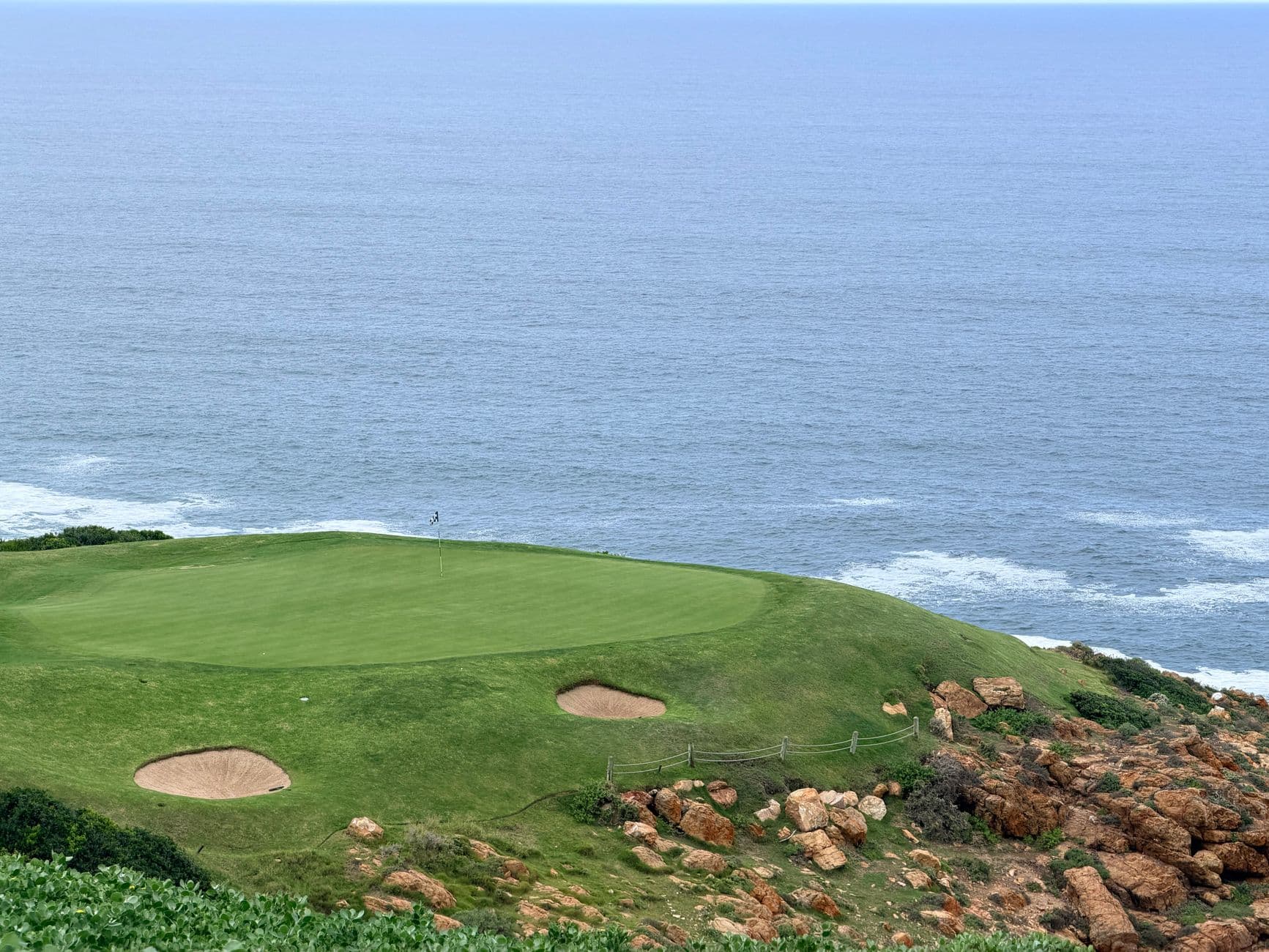
The Solheim Cup remains women's golf's most electric team competition — a biennial clash of continents where individual brilliance is subordinated to collective will, and where pressure-packed match play separates the elite from the exceptional. With 2026 marking another edition of this storied rivalry, the strategic maneuvering is already well underway on both sides of the Atlantic.
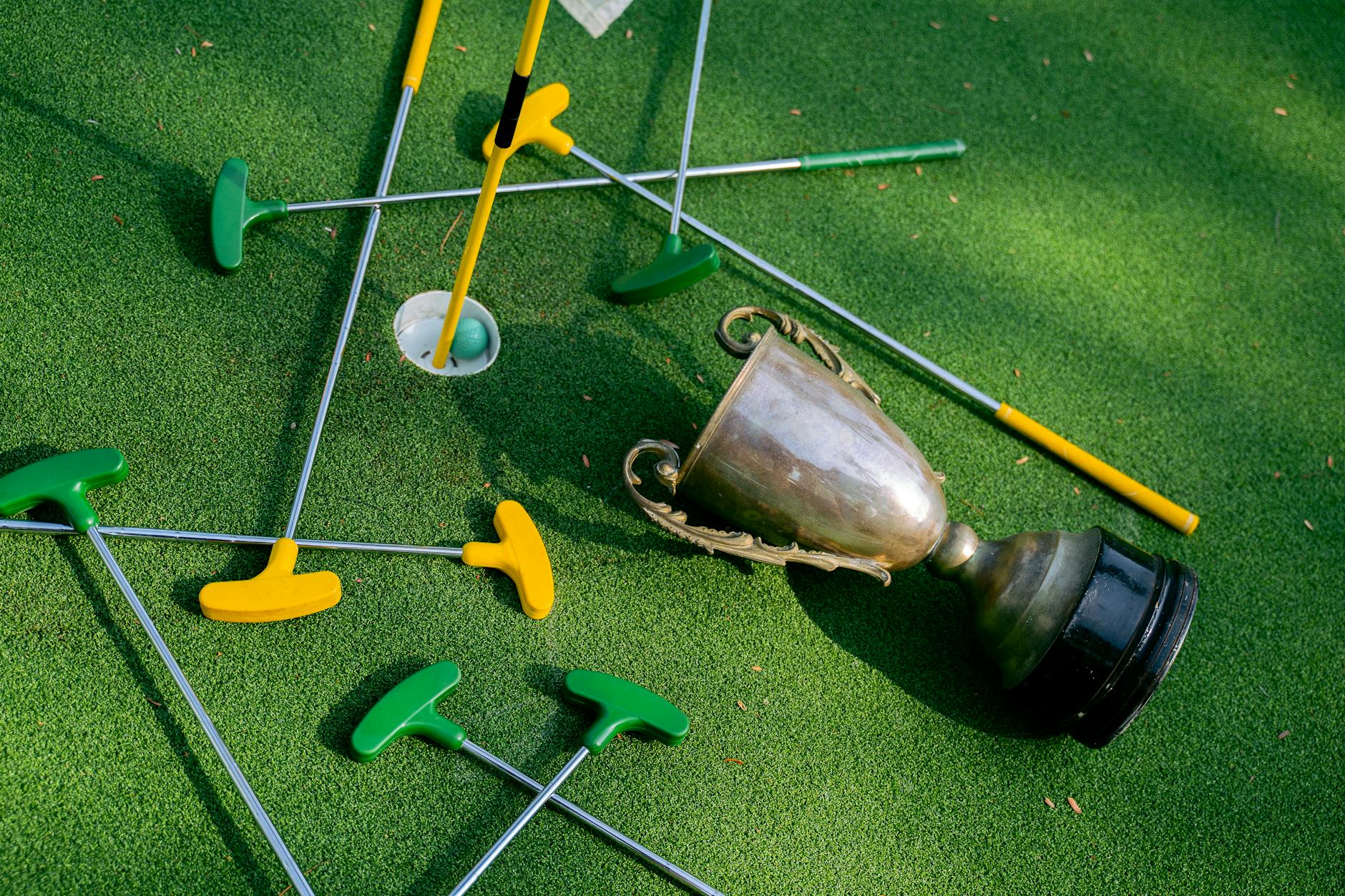
Unlike stroke play, where a bad hole can be recovered across 72 holes of accumulated scoring, match play punishes lapses with immediate, irreversible consequences. Every hole is its own battle. Every birdie putt carries the weight of the team. It is precisely this format that makes Solheim Cup golf so compelling — and so tactically demanding.
Both Team USA and Team Europe will be building squads through a combination of world ranking qualification and captain's picks — a system that rewards consistent performance across the LPGA Tour and LIV Golf's Ladies section, as well as the Ladies European Tour (LET). The race for automatic qualifying spots tends to intensify significantly in the months approaching the event, making every major and high-points tournament a de facto audition.
The Tactical Landscape of Match Play
What separates Solheim Cup winners from runners-up is rarely raw ball-striking data. It is course management under pressure, the ability to manufacture pars when GIR misses pile up, and the psychological resilience to stay present after losing a hole on a lip-out. Captains must read the emotional temperature of their teams as much as the course conditions.
Foursomes — alternate shot — is widely considered the most psychologically demanding format in team golf. Partners must align not just on strategy but on shot shape, preferred miss direction, and tempo. A player whose natural trajectory doesn't complement her partner's game can become a liability regardless of individual ranking. Veteran pairings with established chemistry almost always outperform higher-ranked but unfamiliar combinations.
Four-ball play, by contrast, rewards aggression. When your partner can bail you out, the calculus of risk changes entirely. A player with elite birdie rate and a high ceiling — even if paired with an erratic ball-striker — becomes a viable offensive weapon. Captains who deploy their most aggressive players in four-ball and their steadiest competitors in foursomes tend to get the most out of their rosters.
What Both Captains Will Be Watching
Between now and the event, every major on the LPGA Tour calendar functions as a form guide. Captains are evaluating not just leaderboard finishes, but performance under pressure on the back nine on Sunday — the closest analog to match play's final holes. A player who consistently converts birdies when the tournament is on the line is far more valuable in the Solheim context than one who pads stats during low-pressure rounds.
- Back-nine scoring under pressure as a key selection metric
- Foursomes compatibility and shot-shape alignment between potential partners
- Scrambling percentage and ability to manufacture pars from trouble
- Experience in previous Solheim or Ryder Cup formats when applicable
- Mental resilience following bogeys — the hallmark of match play specialists

Europe's Depth vs. America's Star Power
Historically, the tension in Solheim Cup previews has centered on the same fundamental dynamic: Team USA's tendency to carry deeper individual star power at the top of world rankings, versus Team Europe's culture of cohesion, tactical discipline, and an almost tribal home-crowd advantage when the event is held on European soil. When the Cup moves across the Atlantic, that dynamic shifts considerably.
Europe's strength in recent editions has often come from players who thrive in the team environment — competitors who elevate their performance when wearing the continental colors. This is not a statistical artifact; it is a function of culture and preparation. European captains have historically been excellent at creating environments where lesser-ranked players punch above their weight.
Team USA, meanwhile, benefits from an LPGA Tour schedule that provides constant competitive hardening. American players tend to arrive at the Solheim Cup with more high-stakes stroke play reps in recent memory — a factor that matters when the match play pressure spikes in the final sessions.
In the Solheim Cup, it's not about who has the best players — it's about who has the best team.
— A sentiment echoed by multiple Solheim Cup captains across editions
Equipment Strategy at the Team Level
While players are locked into their individual equipment choices, the equipment conversation at the Solheim Cup is worth having in analytical terms. Match play on tightly manicured championship courses rewards precision over distance — specifically, the ability to control spin windows and trajectory to attack pins from predictable angles.
Ball compression becomes especially consequential in cooler European conditions or in early-morning tee times when temperatures drop and ball speed suffers. Players using a ball tuned to their actual swing speed — rather than aspirationally selecting a harder compression — tend to maintain tighter dispersion patterns under fatigue and cold. Attomax's high-density amorphous metal construction, available in Soft, Medium, and Hard compressions, speaks directly to this principle: matching compression to swing profile is not a beginner concern, it is a precision instrument for elite performance.
The Road to the Roster
The qualification window is the Solheim Cup's first act of drama. As points accumulate, fringe players on both sides face the pressure of knowing that a missed cut in a high-value tournament can alter the trajectory of their selection case. Captains monitor not just rankings but momentum — a player who finishes top-five in consecutive events just before picks are announced carries disproportionate weight in the selection calculus.
Captain's picks add a layer of strategic nuance that pure ranking-based selection cannot capture. A captain may opt for a veteran who has won a Solheim point under pressure over a higher-ranked rookie whose match play temperament is untested at this level. These decisions are rarely unanimous among pundits, and the debate they generate is part of what makes the lead-up to the competition so engrossing.
As March 2026 gives way to the competitive season ahead, the Solheim Cup is already casting its long shadow over the women's game. Every tournament from here forward is played with two objectives: the individual pursuit of titles, and the collective pursuit of a spot on one of golf's most prestigious team rosters. The match play battlefield awaits — and the preparation has already begun.
Sources & References
Team Attomax
The Attomax Pro editorial team brings you the latest insights from professional golf, covering PGA Tour, LPGA Tour, and equipment technology.