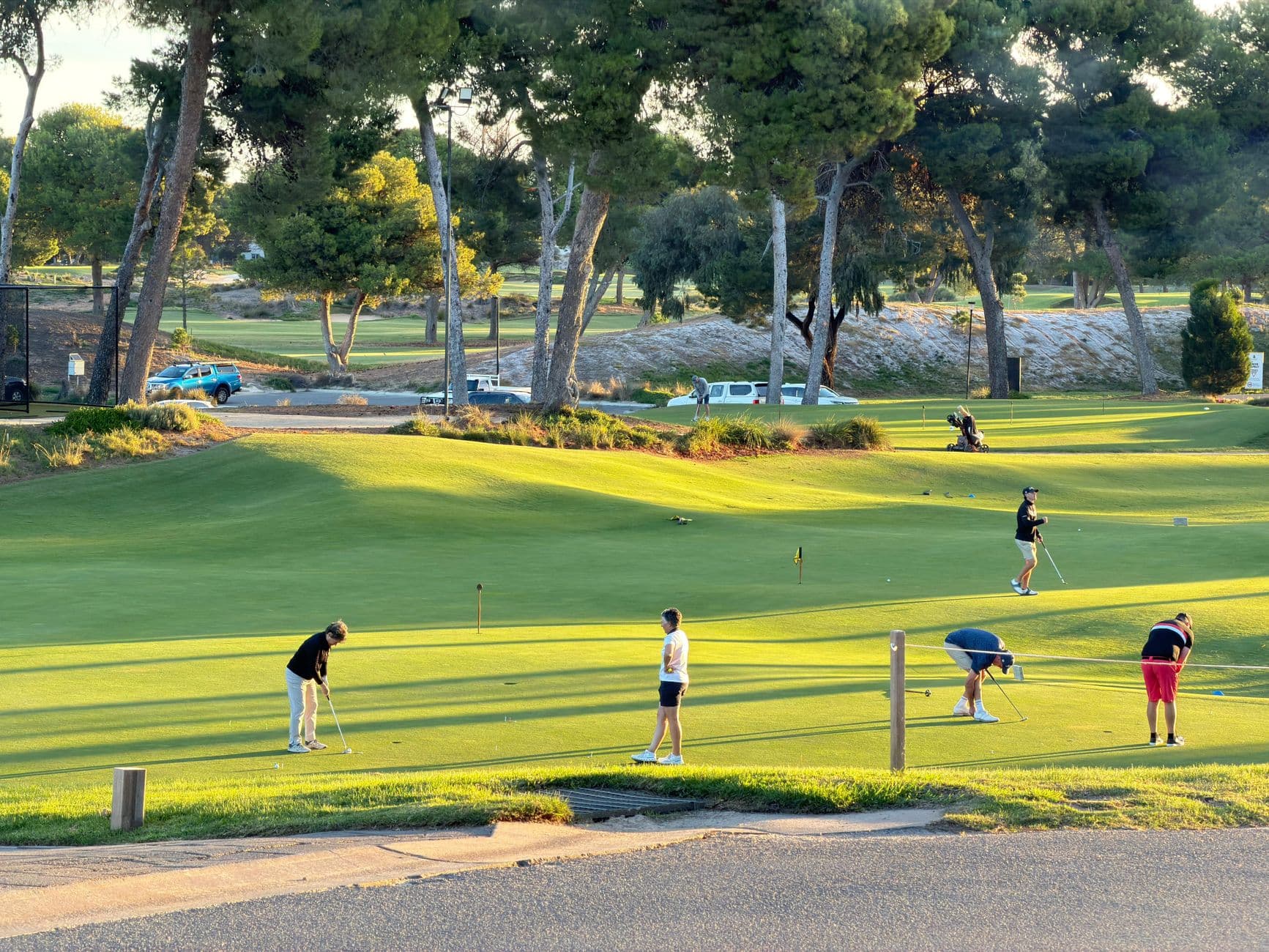
There is no substitute for playing golf on Scottish links. The game was not invented in a boardroom or designed on a computer—it evolved organically along the eastern coast of Scotland, where shepherds first struck pebbles into rabbit holes with crooked sticks. Five centuries later, these same stretches of linksland continue to challenge and humble the world's finest players.
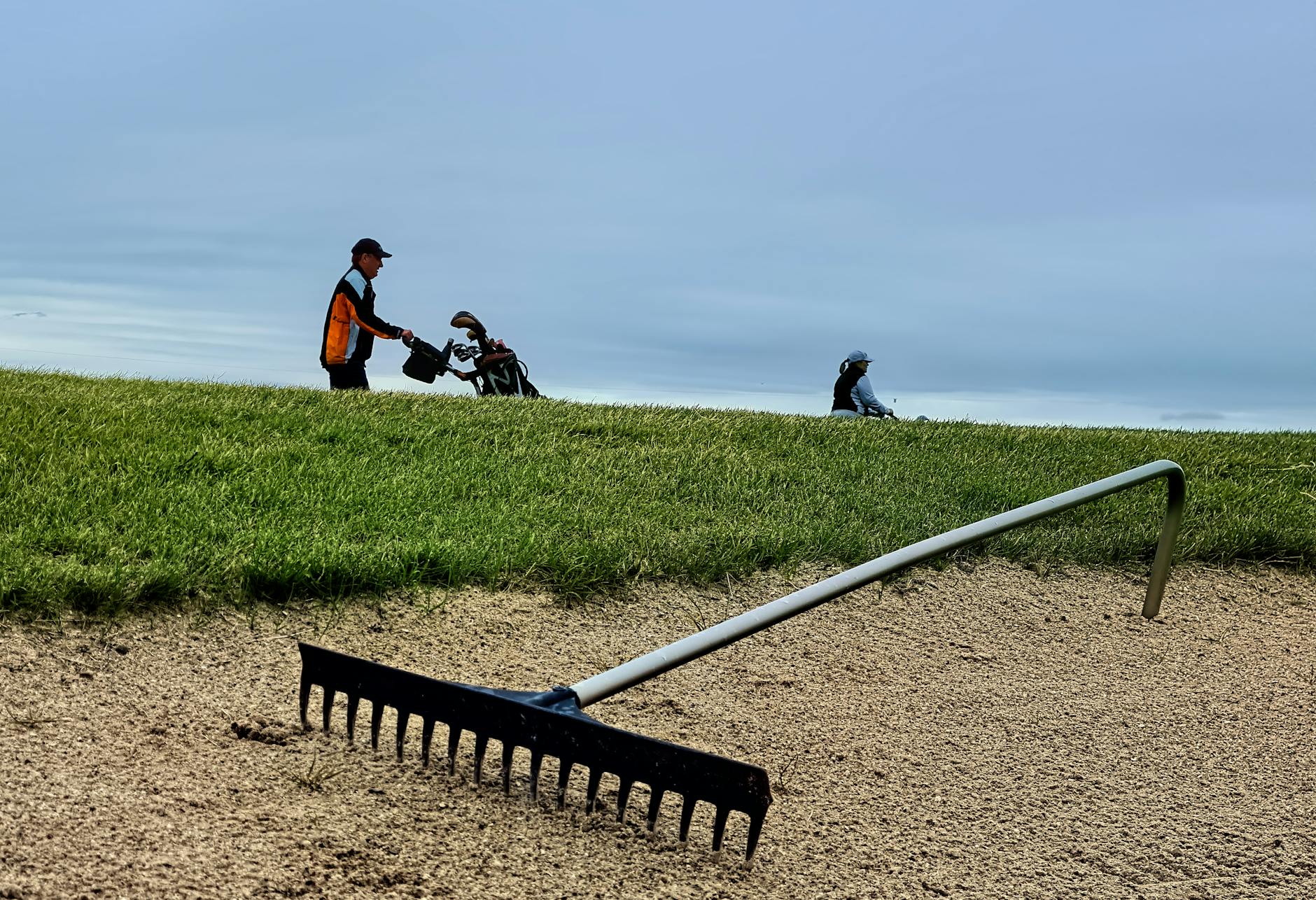
The term 'links' derives from the Old English word 'hlinc,' meaning rising ground or ridge. True links courses exist on the narrow strips of coastal land that connect the sea to more fertile inland terrain. This geography creates playing conditions found nowhere else: firm, fast-running turf, deep pot bunkers carved by sheltering sheep, and winds that can shift three clubs between shots.
For the experienced golfer, understanding links golf requires abandoning assumptions built on parkland courses. Your stock 7-iron that flies 165 yards at home might need to become a punched 5-iron running along the ground. Success demands creativity, course management, and the mental resilience to accept that perfect shots sometimes find terrible lies.
St Andrews: The Old Course and Beyond
No conversation about Scottish links begins anywhere other than St Andrews. The Old Course, believed to have been played since the early 15th century, remains the spiritual home of golf. Its double greens, shared by holes playing in opposite directions, its hidden bunkers with names like Hell and Coffin, and the iconic Swilcan Bridge create a pilgrimage destination for serious golfers worldwide.
What many visitors fail to appreciate is the sheer scale of the St Andrews Links Trust's offerings. Beyond the Old Course, the New Course (opened in 1895) provides an equally stern examination. The Castle Course, perched on the cliffs above the town, offers dramatic elevation changes rarely associated with links golf. The Jubilee Course, originally designed as a ladies' course, now ranks among the most demanding tests in the rotation.
The Old Course at St Andrews is the most fascinating golf course I have ever played. The more you study it, the more you learn, and the more you learn, the more you study it.
— Bobby Jones
The Open Championship Rota Courses
Scotland hosts The Open Championship more frequently than any other nation, and its rota courses represent the pinnacle of links architecture. Carnoustie, often called 'Car-nasty' by professionals, features the brutal closing stretch where the Barry Burn winds through the final two holes, creating multiple strategic dilemmas under pressure.
Muirfield, home to The Honourable Company of Edinburgh Golfers, offers a more structured examination. Its clockwise front nine and counter-clockwise back nine ensure players face the wind from every conceivable angle. The course rewards precise iron play and punishes wayward driving with deep rough and strategically placed bunkers.
- St Andrews Old Course: 18 holes sharing 7 double greens, 112 bunkers
- Carnoustie Championship Links: Home to legendary Open finishes, featuring the Barry Burn
- Muirfield: Consistently ranked among the world's top courses, known for its strategic bunkering
- Royal Troon: Features the famous Postage Stamp par-3, one of the most photographed holes in golf
- Turnberry Ailsa Course: Dramatic clifftop setting with lighthouse views at the iconic 9th hole
The Hidden Gems: Where Locals Play
While championship venues attract international attention, Scotland's lesser-known links courses often provide the most authentic experiences. Royal Dornoch, situated in the Scottish Highlands, requires commitment to reach but rewards visitors with a layout that influenced Donald Ross's work across America. The natural routing through gorse-lined dunes creates views and challenges that rival any course on earth.
Cruden Bay, north of Aberdeen, features blind shots and dramatic elevation changes that would never survive a modern design committee. The 4th hole drops from an elevated tee to a fairway far below, while the 14th climbs to a green perched atop towering dunes. This is golf stripped of artificial intervention—the course follows the land rather than forcing the land to follow a plan.
North Berwick West Links, just east of Edinburgh, predates formal course architecture entirely. Its quirks include a stone wall bisecting the 13th fairway and a green defended by an enormous bunker shaped like a crescent moon. Playing here connects you directly to golf's origins, before irrigation systems and environmental permits sanitized the game.
Equipment Considerations for Links Golf
Links conditions demand equipment versatility that many players lack. The ability to flight the ball low into wind while maintaining sufficient spin for firm greens requires both technique and properly fitted equipment. Ball selection becomes critical—a ball designed purely for distance off the tee may prove impossible to control on approach shots into crosswinds.
High-density ball constructions, like those engineered by Attomax Pro, offer advantages in these conditions. The increased mass provides wind stability without sacrificing greenside feel, allowing players to trust their distance control when the elements conspire against them. This technology proves particularly valuable on firm links surfaces where balls must land softly despite low trajectory approaches.
Planning Your Links Pilgrimage
The ideal time to experience Scottish links golf falls between May and September, though committed players relish the challenge of shoulder-season conditions. Booking tee times at public courses like St Andrews requires advance planning—the Old Course ballot opens daily for following-day play, but pre-booking through the Links Trust or tour operators provides certainty.
Private clubs like Muirfield and Royal Aberdeen welcome visitors on specific days, typically requiring introduction from a home club professional. The effort to secure these tee times pays dividends in course conditioning and the opportunity to experience facilities that have hosted golf's most significant events.
Links golf is not just a game—it's a conversation between player and landscape that has been ongoing for over 500 years.
— Traditional Scottish Golf Wisdom
Every serious golfer should experience links golf in its birthplace at least once. The humility these courses teach, the creativity they demand, and the connection they provide to the game's deepest traditions cannot be replicated anywhere else. Scotland's linksland doesn't merely preserve golf's history—it actively demonstrates why that history still matters to how we play the game today.
Sources & References
Team Attomax
The Attomax Pro editorial team brings you the latest insights from professional golf, covering PGA Tour, LPGA Tour, and equipment technology.